
The $100K Trap That Catches Honest Business Owners
The CARES Act included a rule that most business owners never fully understood. When calculating your average monthly payroll for PPP loan eligibility, you were basicly required to cap any individual employee's annual compensation at $100,000. That means if you had an executive making $200,000, you could only count $100,000 of there salary toward your payroll calculation. Freedom Solar learned this the hard way. They weren't criminals. They didnt fabricate employees or create fake payroll records. They simply included their executives' full salaries in the calculation because nobody told them about the cap. The result? Their April 2020 PPP loan application overstated their eligible payroll costs. And now the DOJ considers that fraud. Heres the kicker. The $100,000 cap wasnt intuitive. Nothing in the application made it obvious. And during those chaotic first weeks of the PPP program, with rules changing daily and lenders desperate to process applications, plenty of honest business owners made this exact mistake. But the government dosent distinguish between "I didnt understand the rules" and "I intentionally inflated my numbers" when they open an investigation. That distinction only matters later. Much later. After youve already made decisions that could destroy your case.Why "Mistake" and "Fraud" Look Identical to Investigators
This is the uncomfortable truth about PPP payroll inflation cases. When an SBA algorithm flags your loan for discrepencies, the file that lands on an investigators desk looks exactley the same wheather you made an honest mistake or committed deliberate fraud. The file shows: Application claimed X in monthly payroll. IRS records show Y. The difference is Z. Thats it. Theres no column for "probable intent." Theres no early classification as "likely honest error." Every flagged loan gets investigated the same way. Agents pull your records, interview your employees, subpoena your bank statements, and build a case file. Your intent - the thing that actualy determines whether you committed a crime - dosent get evaluated until much later. Usually by prosecutors deciding whether to charge you. By then, the investigation has already generated hundreds of pages of evidence. Including, potentially, statements you made to agents when they first contacted you. And heres were most people make the mistake that transforms their situation from manageable to catastrophic.The 48-Hour Window That Determines Everything
When FBI agents or SBA investigators first contact you, most people's instinct is to explain themselves. To clear things up. To show they're cooperative and have nothing to hide. This instinct will destroy you. Michael Fullerton and his wife Tiffany ran businesses in Georgetown, Texas. When investigators came around asking about their PPP loans, they talked. They explained. They provided information. The Fullertons ended up with a combined 32 years in federal prison. Michael got 286 months. Tiffany got 108 months. Their restitution order exceeded $3 million. Heres what people dont understand about federal investigations. Every word you say to a federal agent can become evidence. If you say something that turns out to be inaccurate - even if you believed it was true when you said it - you can be charged with making false statements under 18 U.S.C. § 1001. Thats a felony carrying up to five years per statement. So that "helpful" conversation where you try to explain your payroll calculations? If you misremember a number, get a date wrong, or describe somthing in a way thats inconsistant with your records, youve just committed a new federal crime. One that has absolutly nothing to do with your orignal PPP application. Todd Spodek has seen this pattern repeatedly in PPP fraud cases. Clients who had defensible cases on the original allegations end up facing additional charges because of statements they made trying to cooperate. The first 48 hours after initial contact are critical. What you say - or dont say - during this window shapes your entire case trajectory.What Freedom Solar Got Right That the Fullertons Got Wrong
This is the paradox that explains everything about PPP payroll inflation outcomes. Freedom Solar overstated their payroll by failing to apply the $100K salary cap. The Fullertons submitted multiple fraudulent applications totaling $3.5 million. You would think the Fullertons would get the harsher treatment, right? Actually, both situations involved overstated payroll. The difference wasnt the conduct. It was the response. Freedom Solar's case resolved civilly. They paid back what they shouldn't have received, faced penalties, and moved on. No criminal charges. No prison time. The Fullertons? Almost 400 months of combined incarceration. What seperated these outcomes? Freedom Solar didnt compound their intial error with subsequant lies. When the discrepency was identified, there was no attempt to cover it up, no false statements to investigators, no fabricated documents to explain away the numbers. The Fullertons made different choices. Prosecutors were able to prove not just that the applications were false, but that the defendants knew they were false and took affirmative steps to deceive. The false payroll records. The fabricated banking details. The statements to investigators that contradicted the evidence. Every one of those subsequent actions turned a potential civil matter into a criminal case. And turned a criminal case into one of the longest sentences we've seen for PPP fraud. At Spodek Law Group, we tell clients: the original mistake might not be fixable. But you absolutly can avoid making it worse.The Investigation Timeline Nobody Tells You About
Most people accused of inflating PPP payroll costs have no idea how long they've been under investigation before first contact. The answer will disturb you. Federal agents dont knock on your door the week after your loan gets flagged. They spend months - sometimes years - building there case first. They pull your tax records. They interview your employees. They subpoena your bank records. They talk to your lender. They compare your PPP application to every other finacial document youve filed. By the time that agent shows up at your business or calls your phone, they already have a substantial case file. They already know the discrepancies. They already have documentation. That "casual conversation" theyre trying to have isnt really casual. Its an attempt to get you to make statements that lock in their case. To contradict your own records. To say something they can later prove was false. The statute of limitations for PPP fraud extends until 2030 or 2031, depending on when you received your loan. That means the government has years to build their case. They're in no hurry. They can afford to be patient. You cant afford to be naive. Heres the timeline reality that shapes your defense options:| Stage | What's Happening | Your Knowledge | Critical Actions |
|---|---|---|---|
| Loan flagged | Algorithm identifies discrepancy | None | None possible |
| Investigation opened | Agents pulling records, interviewing witnesses | Usually none | None possible |
| First contact | Agent reaches out to you | NOW you know | Invoke counsel immediately |
| Grand jury subpoena | Document demands, possible testimony | Formal | Retain federal counsel |
| Target letter | DOJ notifies youre a target | Definite | Full defense preparation |
| Indictment | Formal charges filed | Definite | Trial or plea negotiation |
Defense Strategies That Actually Work
⚖ Legal Pulse: Key Statistics
15,000+
Federal Cases Filed Annually
90%
Plea Before Trial
- Unintentional calculation mistakes
- Based on confusing or changing SBA guidance
- Made in good faith reliance on professional advice
- Consistent with your understanding of the rules at the time
Your First Contact Decision Matrix
When FBI or SBA investigators make contact, you face immediate decisions. Heres exactly what to do: Scenario 1: Agent calls on the phone- Do: Say "I need to consult with my attorney before discussing this matter."
- Dont: Answer any questions, even "simple" ones
- Dont: Agree to a "quick meeting" or "informal chat"
- Dont: Provide documents or records
- Outcome: Buys you time to retain counsel and develop strategy
- Do: Confirm their identity (ask for credentials and business card)
- Do: Say "I want to speak with my attorney before answering questions"
- Do: Ask if you're required to let them in (usually you're not without a warrant)
- Dont: Invite them in or show them around
- Dont: Answer questions about your business operations
- Dont: Offer to "just show them the records real quick"
- Outcome: Protects your rights while avoiding confrontation
- Do: Call a federal criminal defense attorney within 24 hours
- Do: Preserve all documents related to your PPP application
- Do: Stop talking to anyone about the case (including employees)
- Dont: Contact the DOJ yourself
- Dont: Destroy, alter, or hide any documents
- Dont: Discuss the situation on email, text, or phone
- Outcome: Maximizes negotiating position before charges

- Do: Let them execute the warrant (resistance creates new charges)
- Do: Ask for a copy of the warrant to give your attorney
- Do: Note what they take and who's present
- Do: Call your attorney immediately after they leave
- Dont: Interfere with the search
- Dont: Answer questions during the search
- Dont: Volunteer the location of items not specified in the warrant
- Outcome: Complies with legal requirements while protecting future defense
Common Mistakes That Turn Civil Cases Into Criminal Convictions
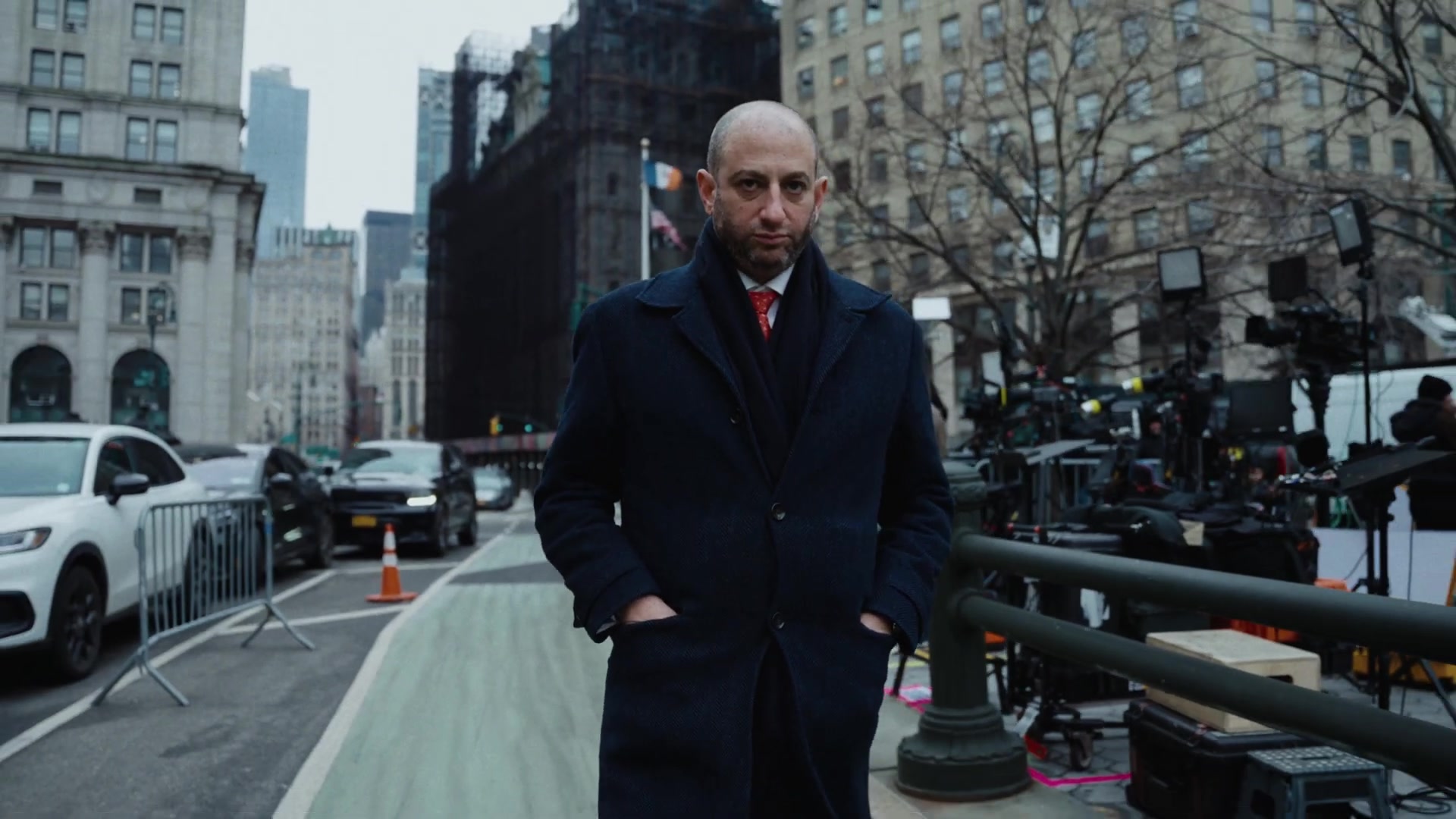
Defense Team Spotlight
Todd Spodek
Lead Attorney & Founder
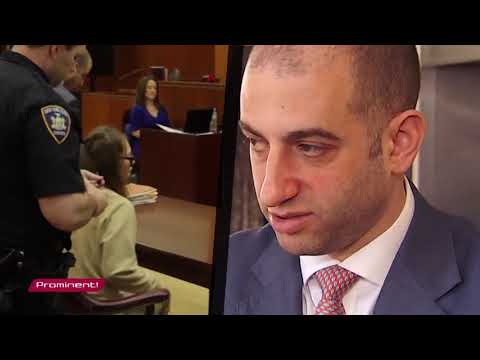
Featured on Netflix’s “Inventing Anna,” Todd brings decades of experience defending clients in complex criminal cases.
Multi-State Bar
Federal Courts
US Supreme Court
Meet the Full Team →
The Federal Sentencing Reality
Heres what youre actually facing if convicted of PPP payroll fraud:| Charge | Statute | Maximum Sentence | Typical Range |
|---|---|---|---|
| Bank Fraud | 18 U.S.C. § 1344 | 30 years | 2-10 years |
| Wire Fraud | 18 U.S.C. § 1343 | 20 years | 2-8 years |
| False Statements | 18 U.S.C. § 1014 | 30 years | 1-5 years |
| Conspiracy | 18 U.S.C. § 371 | 5 years | 1-3 years |
| Money Laundering | 18 U.S.C. § 1956 | 20 years | 3-10 years |
What Actually Saves People
Lets end with what actually works. Because despite everything I've said about the severity of these cases, people do get good outcomes. They do avoid prison. They do resolve these matters civilly. And heres the pattern that seperates the two groups. Its not about who had the "best" case factually. We've seen people with terrable facts walk away with civil settlements. We've seen people with relativley minor discrepencies end up with decade-long sentences. The diffrence isnt the evidence. Its what happened after investigators made contact. The common denominator in every successful outcome we've seen: They got a federal criminal defense attorney early. Not a business lawyer. Not a general practice attorney. Not their buddy who handles DUIs. A lawyer who specifically defends federal fraud cases and understands how DOJ operates. They stopped talking immediately. No explanations to investigators. No "just clearing things up" conversations. No helpful document productions without legal review. They developed strategy before responding. Every communication with investigators was deliberate, planned, and designed to advance a specific legal objective. They let their attorney negotiate. Instead of fighting in court, they worked toward resolutions that recognized the difference between intentional fraud and honest mistakes. The SBA Inspector General estimates that 17% of all PPP loans were potentially fraudulent. Thats millions of applications. The government cant prosecute everyone criminally. They have to prioritize. And the cases they prioritize are the ones where defendants made themselves easy targets. Dont be an easy target. If youve been contacted about PPP payroll inflation - or if you think you might be contacted - call Spodek Law Group at 212-300-5196 for a confidential consultation. The decisions you make in the next 48 hours could determine whether this becomes a manageable problem or a life-altering catastrophe. We've helped clients navigate these investigations and come out the other side. But we can only help if you call before making the mistakes that close off your options.Frequently Asked Questions
No. You have the right to remain silent and the right to an attorney. Invoke both rights immediately and contact Spodek Law Group.
Every case is different. We offer free initial consultations to evaluate your case and discuss our fee structure.
An arraignment is your first court appearance where charges are formally read. You enter a plea and bail may be set. Having an attorney present is critical.
Facing Criminal Charges And Have Questions? We Can Help, Tell Us What Happened.