Defending Against Grand Jury Subpoenas in Alabama: What You Need to Know
Grand jury subpoenas can be scary things. As a defense lawyer in Alabama, I've seen many clients freak out when they get that letter in the mail ordering them to testify or turn over documents. Believe me, I get it. But don't panic! There are things you can do to protect yourself and your rights. This article will walk you through some key defenses and strategies I use all the time when dealing with these tricky subpoenas.What is a Grand Jury Anyway?
First, let's cover the basics. A grand jury is a group of citizens that listens to evidence presented by a prosecutor and decides whether there is probable cause to charge someone with a crime. I like to think of grand juries as the gatekeepers for felony cases in our criminal justice system. In Alabama, grand juries meet in secret, without a judge or defense lawyer present. This one-sided process if part of the reason grand jury subpoenas make people nervous! But it's important to understand that the grand jury is not deciding guilt or innocence - they are only determining if there is enough evidence to move forward with formal charges.Understanding Grand Jury Subpoenas
There are two main types of grand jury subpoenas:- Subpoenas for testimony - requiring you to physically appear and answer questions under oath
- Subpoenas for documents or records - requiring you to turn over things like medical records, phone records, financial statements, etc.
Attacking Defective or Abusive Subpoenas
⚖ Legal Pulse: Key Statistics
15,000+
Federal Cases Filed Annually
90%
Plea Before Trial
- Does it fail to follow proper procedures under the Alabama Rules of Criminal Procedure?
- Is it overly broad or vague when defining the records requested?
- Was it issued simply to harass you or cause undue burden?
Blocking Access to Privileged Information
Another common battleground is preventing disclosure of privileged or confidential information. As a defense attorney myself, I cannot ethically reveal confidential client communications and attorney work product. But privileged information extends beyond just the attorney-client relationship. Other potentially protected communications include:- Conversations between a patient and doctor, therapist, etc. (doctor-patient privilege)
- Discussions between a priest and parishioner (clergy-penitent privilege)
- Private communication between a spouse (marital privilege)
Pleading the Fifth
Now let's talk about dealing with subpoenas requiring you to testify before the grand jury. In a nutshell - don't answer anything without consulting your attorney! The Fifth Amendment gives us the right not to answer questions that may be self-incriminating. But you have to explicitly "plead the Fifth" by telling the grand jury that you are refusing to testify on Fifth Amendment grounds. You'd be amazed how many times I have clients call me in a panic after they already testified and may have accidentally incriminated themselves. If you receive a subpoena to testify, get with your attorney immediately to plan out a strategy in advance. We will likely file a motion asking the judge to excuse you from testifying at all based on Fifth Amendment protections. If that fails, I will be by your side to object to specific questions that call for potentially incriminating answers. I know it sounds simple enough - just say "I plead the Fifth!" - but things get complicated quickly and having an experienced guide there with you makes a huge difference.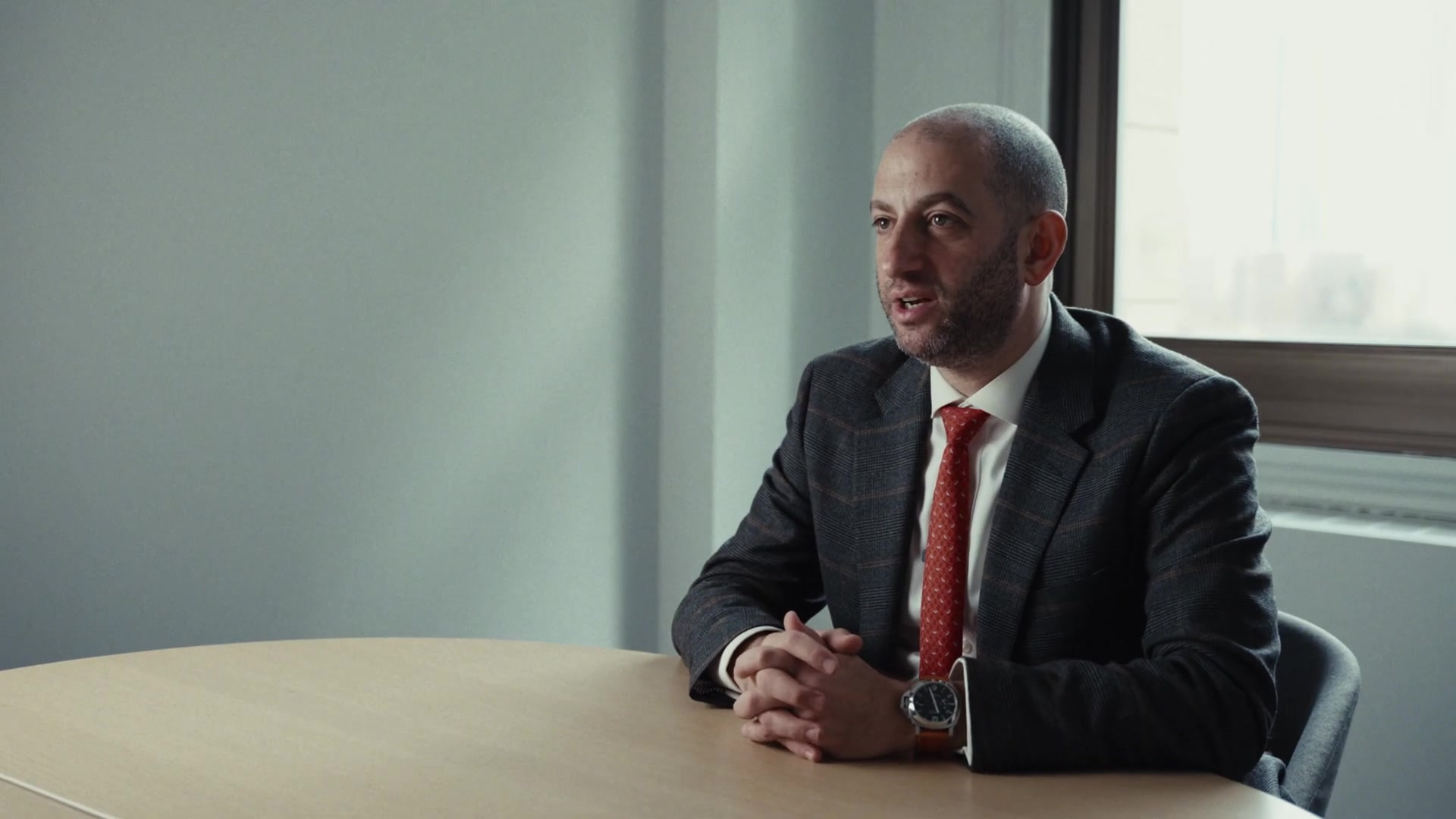
Negotiating Limited Testimony
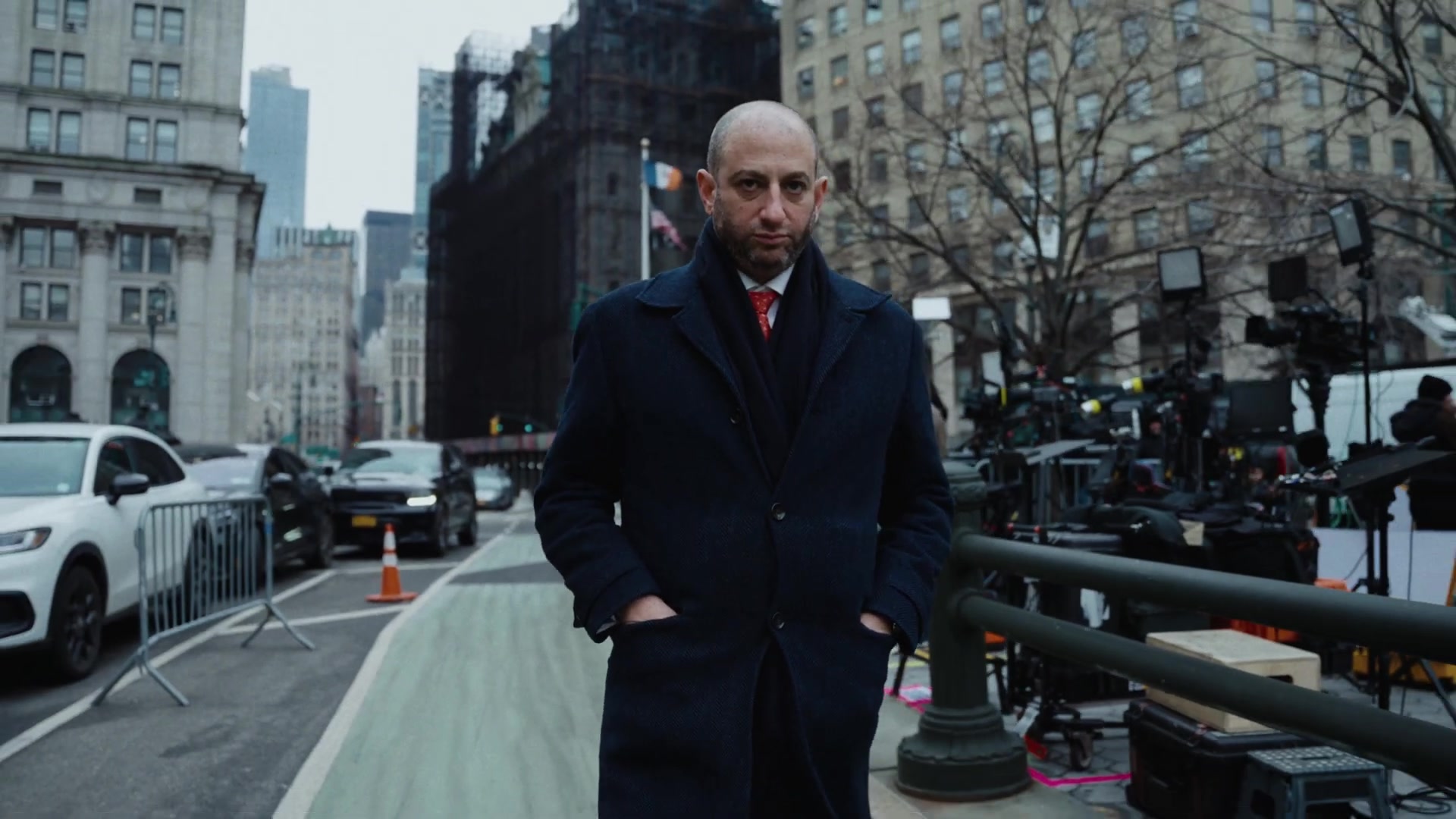
Defense Team Spotlight
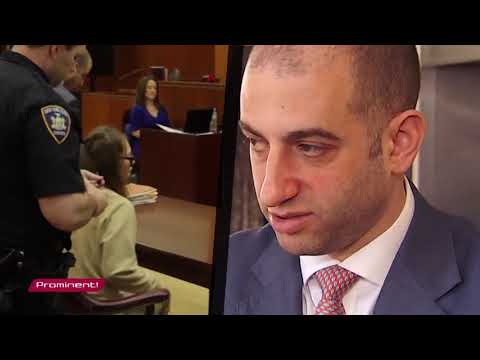
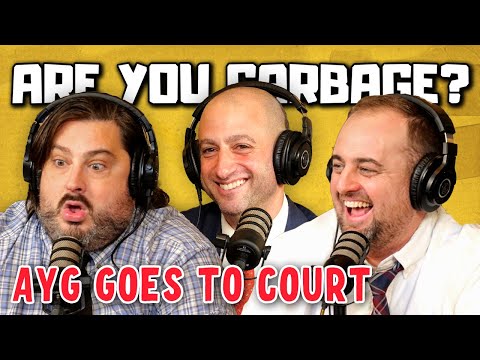
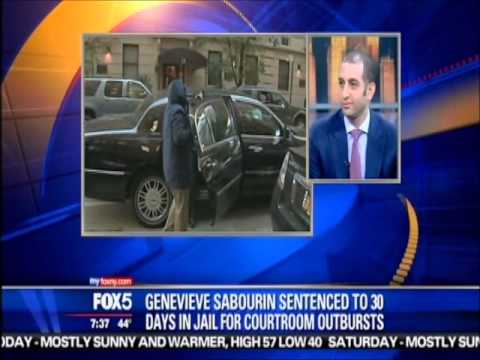
Todd Spodek
Lead Attorney & Founder
Featured on Netflix’s “Inventing Anna,” Todd brings decades of experience defending clients in complex criminal cases.
Multi-State Bar
Federal Courts
US Supreme Court
Meet the Full Team →
Avoiding the Perjury Trap
Here is one final thing I always warn my clients about - the perjury trap. This is when the prosecutor already has evidence about the facts from other sources and is using the grand jury subpoena to try to trap you into lying under oath. Even if you are innocent and have nothing to hide, an accidental mistake or misremembered detail under the pressure of testimony can get you charged with perjury. The only sure way to protect against this trap is refusing to answer any substantive questions by pleading the Fifth. It may not sound ideal and could still cause other legal headaches - but it beats a bogus perjury charge! Having an attorney by your side who understands these traps makes all the difference in avoiding trick questions designed to trip you up accidentally.Working with Experienced Alabama Grand Jury Defense Attorneys
As you can see, properly dealing with grand jury subpoenas involves a complex balance of technical skills and negotiating relationships with prosecutors. Don't go it alone! The experienced grand jury defense lawyers at My Firm have helped countless clients navigate this scary process while protecting their rights every step of the way. If you've been served with a subpoena from a grand jury in Alabama, reach out or call us at 555-555-5555 for a free case review. We may be able to get the subpoena thrown out, block access to privileged information, negotiate a deal for limited testimony, defeat the perjury traps - or at a minimum help plead the Fifth properly. With decades of combined experience right here in Alabama, we know exactly how to fight back against these things. Don't wait - grand jury subpoenas often have very short timeframes to respond. Get experienced criminal defense lawyers on your side immediately to start working on a defense strategy. The sooner we can get involved, the more options will be available to protect your rights and avoid becoming the next victim of the criminal justice system. This is what we do everyday. Let us help!Frequently Asked Questions
No. You have the right to remain silent and the right to an attorney. Invoke both rights immediately and contact Spodek Law Group.
Every case is different. We offer free initial consultations to evaluate your case and discuss our fee structure.
An arraignment is your first court appearance where charges are formally read. You enter a plea and bail may be set. Having an attorney present is critical.
Facing Criminal Charges And Have Questions? We Can Help, Tell Us What Happened.