
When the Feds Come Knocking in Arkansas
Heres the thing about federal investigations in Arkansas - they dont announce themselves the way state cases do. You might hear from neighbors that FBI agents asked questions. Your bank might freeze accounts without explanation. A business partner gets arrested and your wondering if your next. These arent random occurances. There patterns that expereinced federal defense lawyers recognize immediatly. Federal agents follow protocols. They build cases methodicaly. And they almost never show up unless they already have substantiel evidence pointing your direction. The federal system operates on a completley different timeline than state court. Investigations run for months, sometimes years, before anyone gets charged. Grand juries meet in secret. Witnesses testify without you knowing. Documents get subpoenaed from banks, employers, and business partners who never tell you about the requests. By the time you recieve that target letter or hear that knock on the door, prosecutors have probly already built most of there case. Every statement you make from that moment forward becomes permanant evidence. Every document you touch becomes potentialy discoverable. Even casual conversations with family members can become trial testimony if prosecutors decide to pursue that angle. Todd Spodek and the team at Spodek Law Group understand this timeline intimatley. Weve handled federal cases across multiple districts and seen how early intervention changes outcomes dramaticaly. The difference between getting ahead of an investigation and reacting to charges can literaly be decades of your life. Clients who retain counsel during the investigation phase have options that disappear completley once an indictment comes down. We can negotiate with prosecutors, shape the narrative, and potentialy prevent charges from ever being filed. That window closes permanantly once your standing in front of a federal magistrate at your initial appearance.The Meth Explosion and What It Means for Federal Prosecution
That 509-pound seizure number needs context. Arkansas has roughly 3 million residents. The meth flowing through this state would supply populations far larger. Federal prosecutors treat this as a crisis requiring aggressive intervention, and there not wrong about the crisis part. There wrong about the solution. Incarceration doesnt treat addiction. It warehouses human beings until release dates arrive, then returns them to the same communities with the same problems and fewer opportunities than before. In 2024, 55% of Arkansass 393 overdose deaths involved methamphetamine. This isnt an opioid state in the traditional sense. The drug landscape here looks fundamentaly different from the coasts, and federal prosecution strategies reflect that difference. Drug task forces coordinate across county lines. Informants operate in small communities where everyone knows everyone. A single arrest can cascade into a multi-defendant federal conspiracy case that sweeps up family members, friends, and casual aquaintances who had marginal involvement at best. The conspiracy statutes are written broadley enough that prosecutors can connect almost anyone to a drug organization if they try hard enough. In 2017, HBO released "Meth Storm," a documentary focusing on drug addiction in rural Arkansas. It showed poverty, desperation, and a criminal justice system struggling to respond. Seven years later, the storm has intensified ninefold by seizure numbers alone. The documentary captured a moment. The current reality dwarfs that moment completley. Federal prosecutors operate against this backdrop of acknowledged crisis, and judges recieve cases with full awareness of the devastation meth has caused in there communities. Defense counsel must navigate this emotional terrain while still advocating effectivley for individual clients. If your connected to anyone involved in drug activity in Arkansas, even tangentialy, you need to understand how quickly federal exposure can develop. The prosecutorial mindset here treats distribution networks as webs, not chains. Touch any part of the web and your potentialy implicated in the whole thing. Prosecutors dont need to prove you were a kingpin. They just need to prove you knew about the conspiracy and took some action to further it. That action can be as minor as driving someone somewhere or holding money temporaraly.The Career Offender Trap That Destroys Lives
Heres were Arkansas federal defense gets genuinley terrifying. The career offender enhancement under federal sentencing guidelines doesnt care about the actual severity of your prior crimes. It cares about there legal classification. Two prior felony convictions for "crimes of violence" or "controlled substance offenses" can trigger career offender status. Suddenly your looking at sentences that would shock anyone unfamiliar with federal law. The enhancement operates automaticaly, like a trap door opening beneath you the moment your prior record gets examined. Consider a hypotheticle: A defendant with two prior state drug possession convictions - maybe from a decade ago, maybe resulting in probation or short jail sentences - gets caught with meth in there car during a federal investigation. Under career offender provisions, that person could face 188 to 235 months as a starting point. Thats 15 to 20 years. For possession. Becuase of old state cases that seemed minor at the time but now function as sentence multipliers. The Western District of Arkansas sees this pattern repeatedley. Rural poverty, limited opportunity, prior involvement with drugs, then a federal case that lands with the force of a freight train. Federal sentencing guidelines create a grid. Your base offense level sits on one axis. Your criminal history category sits on the other. Where they intersect determines your guideline range. Career offender status overides this entire calculation completley. It sets your criminal history category at the maximum - Category VI - regardless of your actual prior record. It also elevates your offense level based on the statutory maximum for your current offense. The result is mathmaticaly devastating. A defendant who might otherwise face 5-7 years suddenly faces 15-20 or more. Spodek Law Group approaches career offender cases with the recognition that sentencing begins at arrest. Every decision from day one affects were you land on that grid. Early retention of defense counsel allows for strategic positioning that becomes impossible once charges are filed and predicates are established. Challenging whether prior convictions actualy qualify as predicates requires technical legal work that most attorneys dont understand. We do. And that understanding can mean the difference between serving 7 years and serving 20.Eastern District vs Western District: Two Different Worlds
⚖ Legal Pulse: Key Statistics
15,000+
Federal Cases Filed Annually
90%
Plea Before Trial
The Rural Poverty Pipeline to Federal Prison
Arkansas ranks among the top five states for incarceration, with 912 people per 100,000 behind bars. Simultaneously, 19.3% of Arkansans live below the poverty line. These numbers arent coincidental. There directly connected through a system that criminalizes poverty while providing almost no alternatives. The pipeline runs from economic desperation to drug involvement to federal prosecution to decade-long sentences that destroy families and communities permanantly. The typical profile looks the same again and again. Someone grows up in a county with limited jobs and no real path forward economicaly. They get involved with drugs - maybe using, maybe selling small amounts to support a habit. They pick up a state charge or two, maybe get probation. Then years later, a federal investigation sweeps through there community and suddenly those old state cases transform into career offender predicates. What started as poverty-driven desperation ends with a fifteen-year federal sentence. This happens repeatedley across rural Arkansas, and its not accident. Its system design. Rural overdose rates in Arkansas exceed 35 per 100,000 residents. The statewide average sits around 21.7. The counties most devastated by addiction are precisley the counties with zero treatment options. Only four counties have opioid treatment programs, and all four are urban. The remaining 71 counties have nothing. So federal prosecution becomes the intervention mechanism by default. When treatment doesnt exist, incarceration fills the vacuum. And federal incarceration means no parole, minimal good time credit, and facilities often hundreds or thousands of miles from family members. This context matters for federal defense because it shapes how juries see defendants, how judges approach sentencing, and how prosecutors frame there cases. Understanding the socioeconomic landscape of Arkansas isnt academic. Its practible defense work that influences outcomes directley. Presenting a client as a victim of circumstance requires understanding what those circumstances actually look like in Arkansas communities. Judges have discretion even within constrained guidelines. Reaching that discretion requires advocacy that connects legal arguments to human reality in ways that resonate emotionaly as well as legaly.Texarkana and Multi-Jurisdiction Exposure
Texarkana sits directly on the Arkansas-Texas border. The same criminal conduct can theoretically trigger prosecution in Texas state court, Arkansas state court, and federal court simultaneosly. While double jeopardy prevents sequential prosecution for identical offenses in many contexts, the separate sovereigns doctrine allows both state and federal prosecution for the same underlying acts. This isnt theoretical. It happens. And defendants caught in this jurisdictional overlap face exposure that most people dont understand until its too late. Drug trafficking routes passing through Texarkana face exposure to multiple jurisdictions with different priorities and different sentencing structures. Federal prosecutors can and do coordinate with there state counterparts to maximize pressure on defendants. The threat of alternative prosecution in another jurisdiction becomes a negotiating tool during plea discussions. Accept this federal plea or face state charges in Texas. Accept this deal or well add Arkansas state charges on top. The leverage available to prosecutors in border regions exceeds what exists almost anywhere else. Defending cases with multi-jurisdictional exposure requires understanding not just federal law but the interplay between federal and state systems across multiple states. Resolution in one jurisdiction doesnt necessarally protect you in another. Comprehansive defense strategy accounts for all potential exposure points and negotiates accordingly. We work to resolve cases in ways that prevent additional prosecution, not just address the immediate charges.How We Fight Federal Cases in Arkansas
Federal defense in Arkansas requires a multi-phase approach that begins long before trial. During investigation, the priority is information gathering and relationship building with prosecutors. Understanding what there looking at, what evidence they have, and were the case might be heading allows for strategic positioning before charges lock in. We identify weaknesses in the governments case early and exploit them through negotiation rather than waiting for trial. Once charges file, the focus shifts to discovery and motion practice with aggressive attention to detail. Federal discovery rules differ substantialy from state rules. The government must disclose exculpatory evidence under Brady, but enforcing that obligation requires vigilant defense counsel who know what to demand and how to identify gaps in disclosure. Prosecutors sometimes fail to turn over material that could help the defense. We know how to find those failures and force disclosure. Sentencing preparation often determines outcomes more than trial does. The vast majority of federal cases resolve through plea agreements becuase the trial penalty for losing is so severe. The terms of those agreements - particularly around sentencing recommendations and cooperation - require negotiation experteise developed over many cases. We know how to structure agreements that protect clients interests while satisfying prosecutorial demands. Spodek Law Group brings that experiance to every Arkansas federal case we handle.
What Conviction Actualy Means and Why Experience Matters
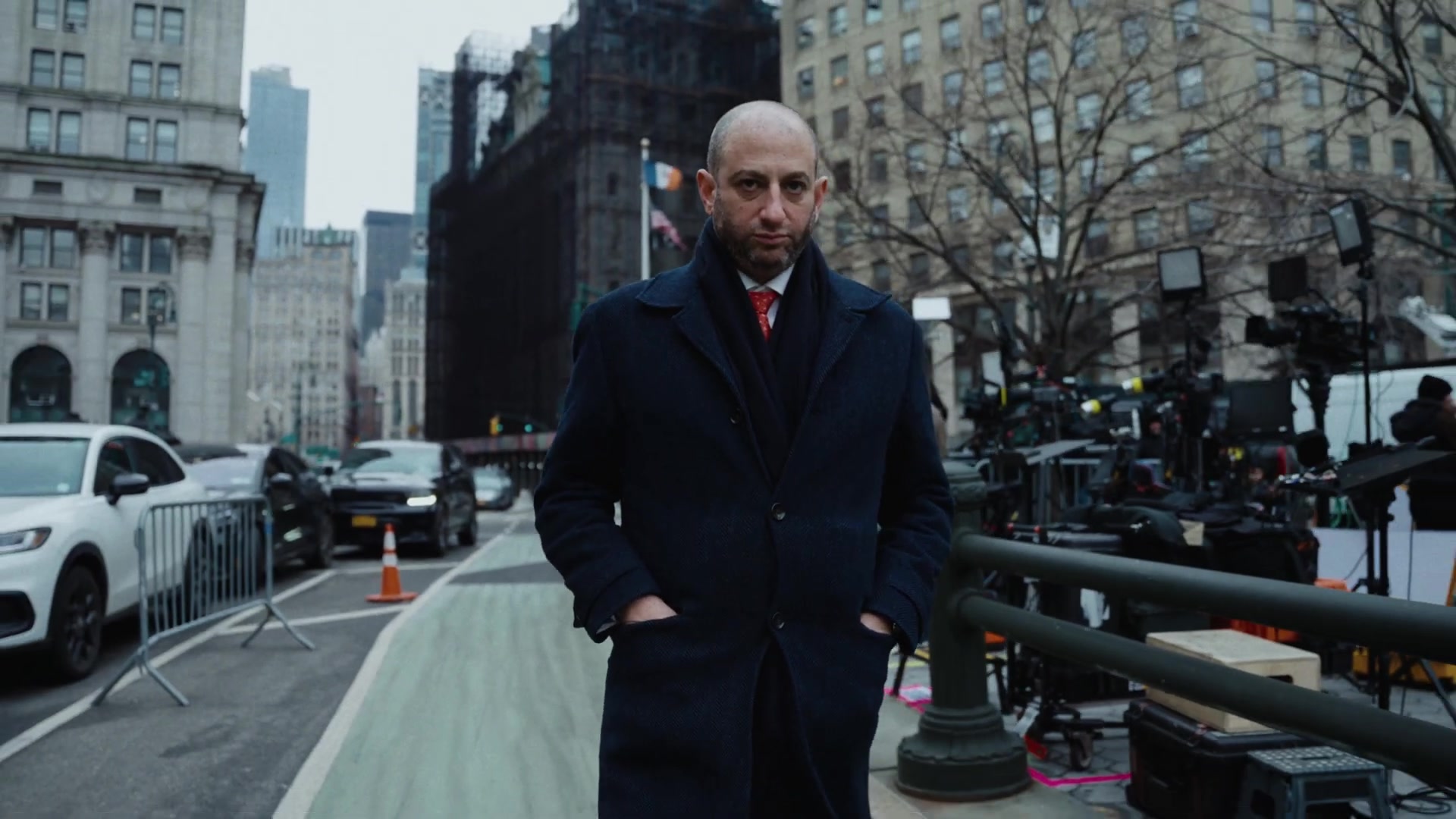
Defense Team Spotlight
Todd Spodek
Lead Attorney & Founder
Featured on Netflix’s “Inventing Anna,” Todd brings decades of experience defending clients in complex criminal cases.
Multi-State Bar
Federal Courts
US Supreme Court
Meet the Full Team →
Frequently Asked Questions
No. You have the right to remain silent and the right to an attorney. Invoke both rights immediately and contact Spodek Law Group.
Every case is different. We offer free initial consultations to evaluate your case and discuss our fee structure.
An arraignment is your first court appearance where charges are formally read. You enter a plea and bail may be set. Having an attorney present is critical.
Facing Criminal Charges And Have Questions? We Can Help, Tell Us What Happened.