
Bail Revocation Lawyers in New York
Understanding Bail Revocation and Modification
Bail revocation lawyers in New York have studied the nuances of the state's bail laws. There are a number of conditions in which your bail might be revoked or modified. Sometimes a person's bail conditions will be revoked or modified because they are arrested for a new felony crime while waiting to go on trial for a different case. You can also have your bail conditions revoked if you violate a restraining order or engage in a willful and persistent refusal to appear on scheduled dates. Even if the prosecutor wants to modify the bail because of one of these circumstances, though, this cannot be done until the judge holds a hearing.The Bail Revocation Hearing Process
How the Hearing Works
During the hearing, the prosecutor will explain why they want your bail conditions to be revoked or modified. The judge will then need to decide whether there's justifiable cause for the belief that you might have committed a felony while out on bail, or that you may have otherwise violated a restraining order or other described law. The judge must review all pieces of relevant evidence, which can include witnesses being called by the District Attorney's office. At the hearing, your defense attorney can cross examine the witnesses.Alternative to Judge Testimony
It is possible that a Grand Jury can be used to make a decision instead of having a judge hear testimony. But if the judge does listen to testimony, then this kind of hearing can be a good opportunity for you and your defense counsel. Your defense attorney has a chance to cast doubt upon the DA's witnesses, bring up challenges to the evidence that's been compiled against you, and create a record of you having been treated with adversity by law enforcement.Short-Term and Long-Term Considerations
⚖ Legal Pulse: Key Statistics
15,000+
Federal Cases Filed Annually
90%
Plea Before Trial
Revocation Hearing Process in Specific Circumstances
Mandatory Revocation Hearings
There are some rare but serious circumstances in which a revocation hearing becomes mandatory. This means that the prosecution is required to convene a hearing within 72 hours of the event, even if the prosecutor wouldn't ordinarily voluntarily try to revoke your bail. In New York, if you are out on bail while waiting to be tried for a current felony accusation, a revocation hearing process becomes mandatory when:- You are charged with a class A felony
- You are charged with any level of victim or witness intimidation
- You are charged with a violent felony
Custody During the Hearing Process
While waiting for the revocation hearing to be held, the judge has the right to remand you into custody. You will be held with no bail until the prosecutors have had their revocation hearing. You will not be permitted to leave custody until the prosecutors establish cause to believe that you are the perpetrator of the new crime. If the prosecutors establish good cause, they can ask the court for another 72 hours so that the District Attorney can conduct the hearing. You and your defense attorney also have the right to ask for an extra 72 hours in custody should you decide it's beneficial for your case.
Revocation Hearing Process
When Judges Must Modify Bail
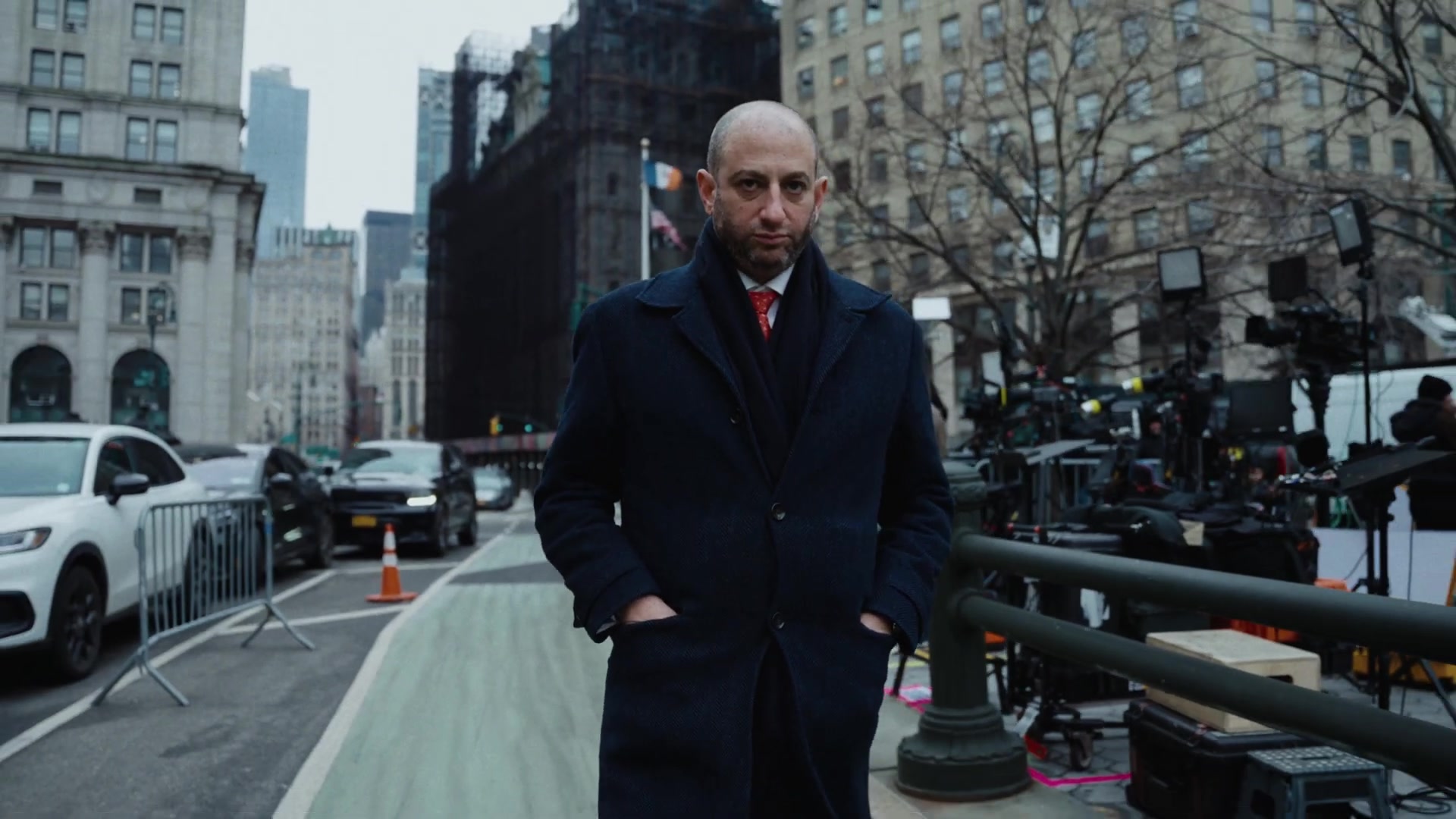
Defense Team Spotlight
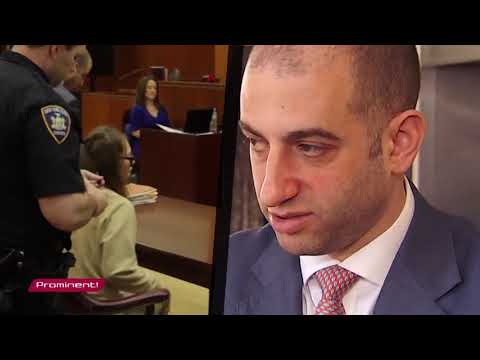
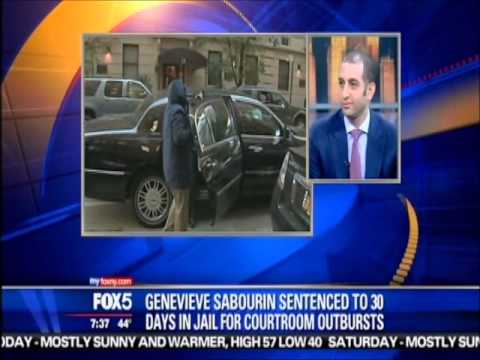
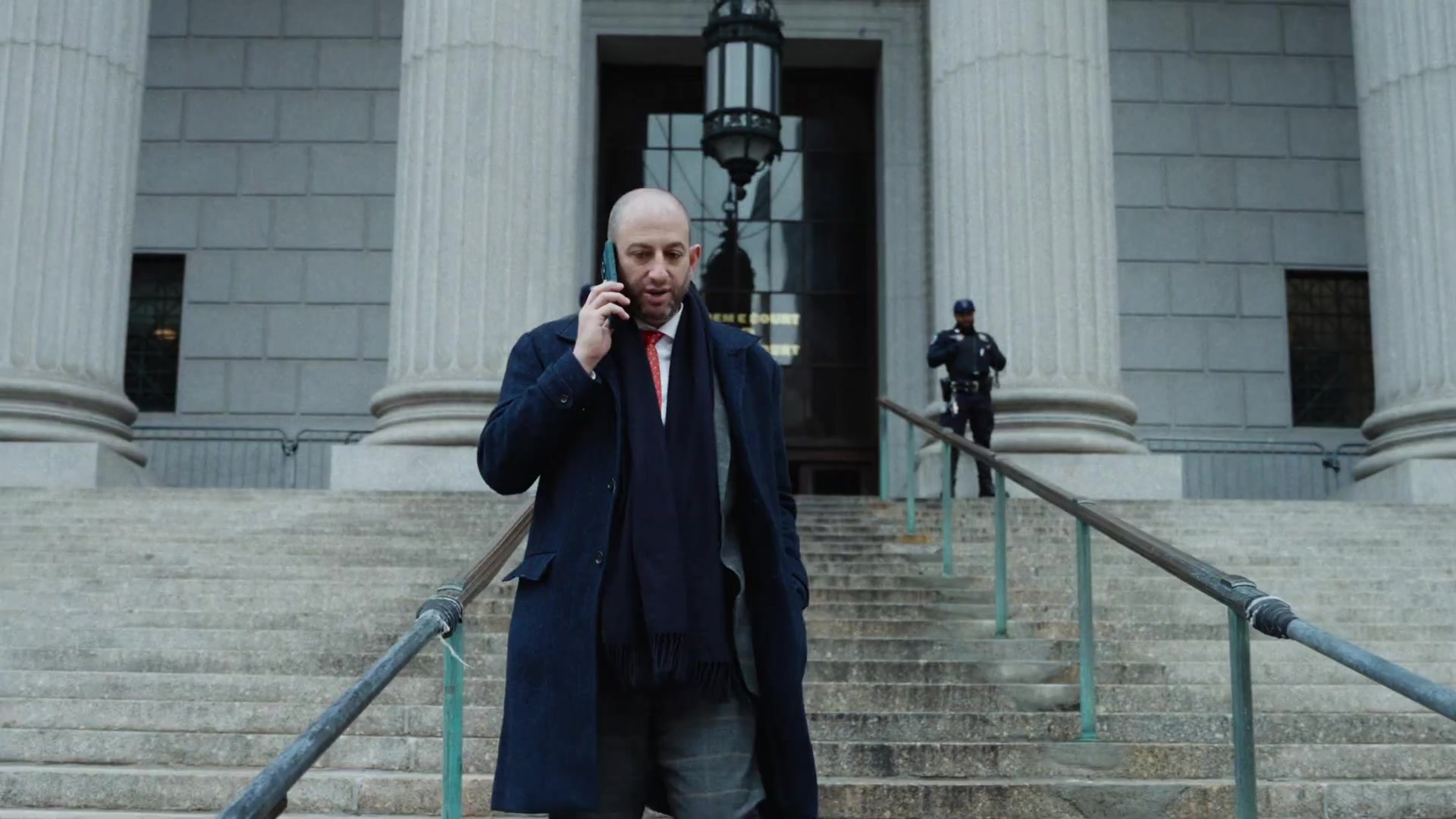
Todd Spodek
Lead Attorney & Founder
Featured on Netflix’s “Inventing Anna,” Todd brings decades of experience defending clients in complex criminal cases.
Multi-State Bar
Federal Courts
US Supreme Court
Meet the Full Team →
When Judges May Modify Bail at Their Discretion
There are a number of other circumstances in which a judge may choose to adversely modify your bail, but it's at their discretion. These include:| Circumstance | Standard of Evidence Required |
| Being charged with a non-violent felony offense | Convincing and clear evidence that you did indeed commit the act in question |
| Being arrested for witness tampering or intimidation after being released on bail for a misdemeanor | |
| Violating a restraining order of any kind | |
| Persistently and willfully refusing to show up to scheduled hearings |
Frequently Asked Questions
No. You have the right to remain silent and the right to an attorney. Invoke both rights immediately and contact Spodek Law Group.
Every case is different. We offer free initial consultations to evaluate your case and discuss our fee structure.
An arraignment is your first court appearance where charges are formally read. You enter a plea and bail may be set. Having an attorney present is critical.
Facing Criminal Charges And Have Questions? We Can Help, Tell Us What Happened.