






Service of a federal grand jury subpoena is not the beginning of your legal exposure. It is the moment you become aware of it.
The grand jury investigation that produced the subpoena has been underway for some time before the document reached you. Records have been subpoenaed from institutions. Witnesses have testified. Investigators have presented evidence to the grand jury on whatever subject the subpoena identifies. Your receipt of the subpoena means that the investigation has reached a point where your testimony, your documents, or both have become useful to the government.
What the Subpoena Requires
A federal grand jury subpoena is a court order. It compels appearance, production, or both. Noncompliance is enforceable through a contempt proceeding in which the court may impose fines or incarceration until compliance is obtained. The obligation to respond is real and it carries a deadline.
The first step after service is to identify precisely what the subpoena demands. A subpoena ad testificandum requires testimony. A subpoena duces tecum requires the production of documents or other tangible items. Some subpoenas require both. The scope of what is demanded, and whether the demand is legally proper, are questions that require legal analysis before you take any responsive action.
A subpoena is an order, not an accusation. Those are different instruments, and conflating them is the first mistake a recipient can make.
Retain Counsel Before Doing Anything Else
Before producing documents, before appearing, and before contacting the prosecutor’s office to discuss the subpoena’s scope, retain counsel. An attorney familiar with federal grand jury practice can assess whether the subpoena is valid, whether its scope can be challenged, whether privilege applies to any of the demanded materials, and whether your status in the investigation is witness, subject, or target.
Need Help With Your Case?
Don't face criminal charges alone. Our experienced defense attorneys are ready to fight for your rights and freedom.
- 100% Confidential
- Response Within 1 Hour
- No Obligation Consultation
Or call us directly:
(212) 300-5196That last question is the most important one. The subpoena does not tell you where you stand. A witness subpoena and a target subpoena look alike on their face. Your attorney can make inquiries that will clarify your status, and that clarification determines the entire posture of your response.
Privilege and the Scope of Compliance
Not everything the subpoena demands must be produced. Attorney-client communications are privileged. Documents prepared in anticipation of litigation may be protected by the work product doctrine. Spousal communications may be privileged in certain circumstances. The privilege log, a document identifying materials withheld on privilege grounds and describing them sufficiently for the government to assess the claim, is a standard component of document production in federal proceedings.
The Fifth Amendment may also apply to the act of production itself in certain circumstances. Where producing the documents would require you to admit their existence and authenticity in a way that is testimonial and incriminating, the act of production doctrine may protect you. This protection is narrow and its application depends on the specific documents demanded and the state of the government’s knowledge.
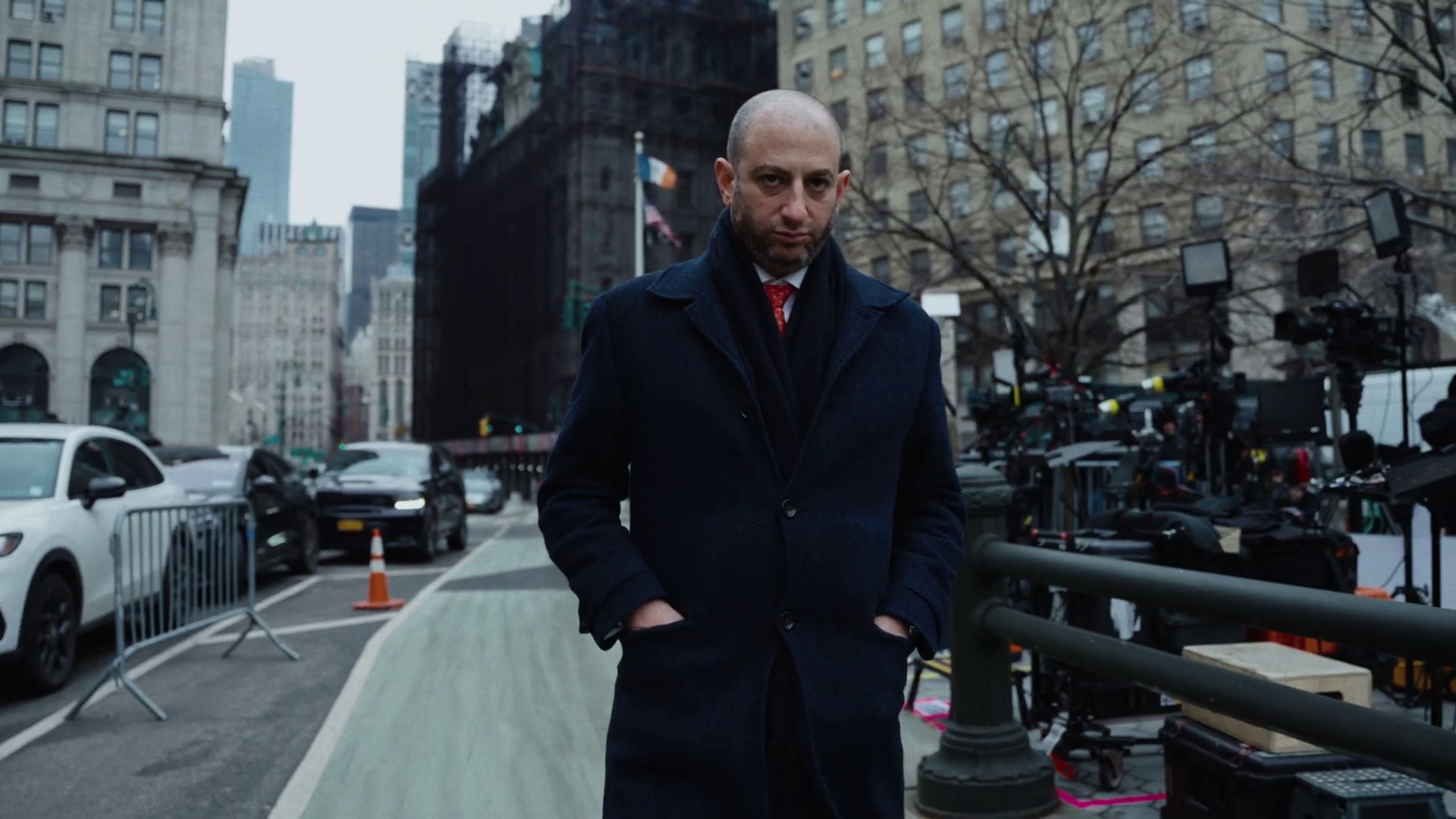
Todd Spodek
Lead Attorney & Founder
Featured on Netflix's "Inventing Anna," Todd Spodek brings decades of high-stakes criminal defense experience. His aggressive approach has secured dismissals and acquittals in cases others deemed unwinnable.
Preservation of Documents
From the moment of service, you are on notice of a federal investigation involving conduct or records connected to you. The obligation to preserve potentially relevant materials is immediate and comprehensive. Do not delete electronic files. Do not discard physical records. Do not permit the routine destruction of materials that would otherwise have been destroyed in the ordinary course.
A federal agent calls you and says they "just want to ask a few questions" about a business transaction.
Is it safe to talk to them informally?
There is no such thing as an informal conversation with a federal agent. Under 18 U.S.C. 1001, making any false statement to a federal agent is a felony, even without being under oath. Always consult an attorney before speaking with investigators.
This is general information only. Contact us for advice specific to your situation.
The obligation runs forward from the date of service. It does not excuse destruction that occurred before service if you were otherwise aware of the investigation. An attorney who receives a litigation hold letter from the government will issue corresponding instructions to you. Until that letter arrives, apply the broadest reasonable interpretation of what must be preserved.
Compliance is not the enemy of your interests. It is the precondition for protecting them. The consultation that clarifies the distinction is available now.
