
What is Vicodin?
Vicodin is the brand name for hydrocodone which is a narcotic opioid. It's classified as a Schedule II controlled substance. It can only be legally obtained by a prescription from a doctor. It's intended for use as a painkiller, and it's widely used and abused throughout New York City. Vicodin highly addictive, and it can impair cognitive abilities and reaction time. Should a person overdose on it, he or she will simply stop breathing and die.Obtaining Vicodin Illegally
The most common way for a person who is addicted to Vicodin to obtain the medication is by doctor shopping. If one doctor won't give it to a person, another doctor might. Theft of prescription pads or forms or the drug itself is also common. Vicodin is also bought and sold on the street.Charging Illegal Possession of Vicodin
The illegal possession of Vicodin can be charged as either a misdemeanor or a felony. New York Penal Law section 220.03 allows the misdemeanor charge. Under that section, a person who is found to be in illegal possession of Vicodin can be sentenced to up to 364 days in jail along with a fine of up to $1,000. All other charges of illegally possessing Vicodin are felonies. Those are detained in New Work Penal Code section 220.06 to 220.21. Those can range from one year in prison to life in prison.Actual Possession and Constructive Possession
⚖ Legal Pulse: Key Statistics
15,000+
Federal Cases Filed Annually
90%
Plea Before Trial
Possession of Vicodin With the Intent to Sell
The intent to sell Vicodin is often inferred from a totality of the circumstances. A person would be charged pursuant to New York Penal Law section 220.16. For instance, a person might be illegally in possession of Vicodin, but he or she has 10 packages of it with 10 pills in each bag. Even being in possession of an unusually large quantity of Vicodin might be enough evidence to show the intent to sell it. A conviction in either case is likely to result in an extended prison sentence.Selling Vicodin
The illegal sale of Vicodin is far more serious than possessing it. As per New York Penal Law section 220.39, the least that a person who sold Vicodin could be charged with is a class B felony that is punishable by up to 25 years in prison. A person who is convicted of selling one-half of an ounce or more of the drug faces life in prison.What to Do If Arrested
Upon any drug arrest in New York, don't give the police a statement or confession of any kind. Immediately invoke your right to remain silent along with your right to an attorney, and call the Bronx Vicodin possession lawyers at our offices at your first opportunity, and arrange for a free consultation and case review. We're going to listen to you carefully and answer your questions. After examining all of the evidence, we'll advise you of your legal options and what we think we might be able to do for you. Even if you plead guilty or are found guilty, alternative sentences are available that might operate to keep you out of jail or prison. Remember, don't give police a statement or confession. It will only be used against you to try and convict you. Contact our offices right away after any drug arrest. Don't deal with Bronx Vicodin Possession Lawyers alone. Speak to the Spodek Law Group today.Understanding Vicodin as a Controlled Substance
Vicodin is a powerful prescription narcotic. It is illegal to possess unless you have a prescription. Unfortunately in recent years, an opiate epidemic has invaded New York and caused legislators to enact some of the toughest laws imaginable for possessing Vicodin without a prescription. While the class of crime will vary depending on the amount of the drug possessed, you're always facing a potential felony in a drug possession case.
Consequences Of A Felony Possession Charge
Defense Team Spotlight
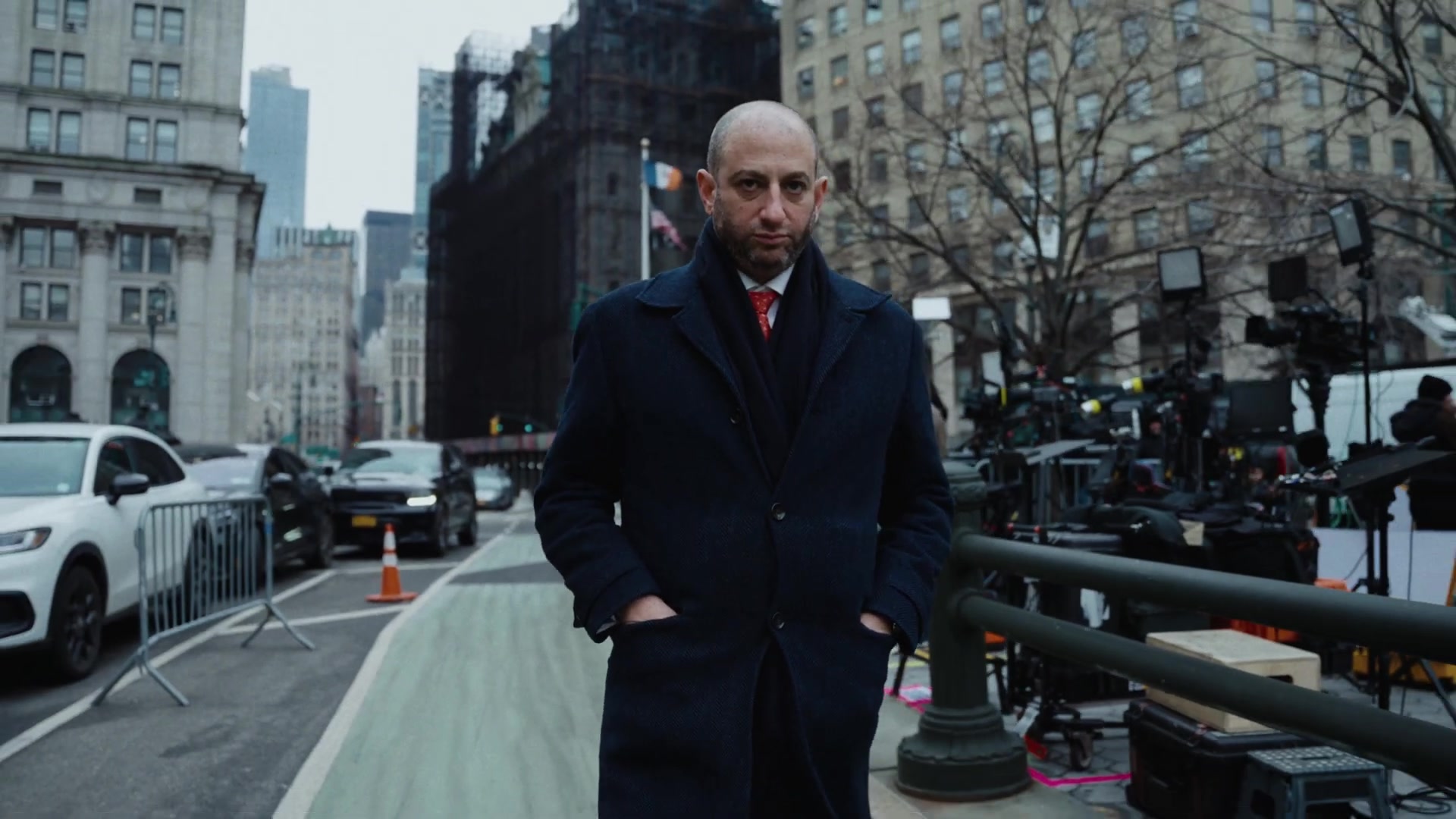
Todd Spodek
Lead Attorney & Founder
Featured on Netflix’s “Inventing Anna,” Todd brings decades of experience defending clients in complex criminal cases.
Multi-State Bar
Federal Courts
US Supreme Court
Meet the Full Team →
How A Lawyer Helps You
New York possession laws are complex and some of the toughest in the United States. This began long ago in 1973 when New York legislators made drug possession a much more serious crime with more serious penalties, and since then it's pretty much a given that possessing a controlled substance is going to be a felony charge if it's over a certain amount of that substance or in some circumstances if you even have the substance at all. The opiate problem in the United States has been taken much more seriously in recent years and as a result people found to be in possession of Vicodin are going to face much steeper sentences in the future. However, the length of the sentence doesn't have to be spent in prison. If you have a lawyer, they can negotiate with the court to help you get treatment for your addiction instead of jail time. Halfway houses have become a much more popular alternative to prisons in drug possession cases. The courts treat drug addiction, at first, as a medical problem and help offenders seek help. If offenders still don't abide by the laws of the state, then prison time is also possible.Frequently Asked Questions
No. You have the right to remain silent and the right to an attorney. Invoke both rights immediately and contact Spodek Law Group.
Every case is different. We offer free initial consultations to evaluate your case and discuss our fee structure.
An arraignment is your first court appearance where charges are formally read. You enter a plea and bail may be set. Having an attorney present is critical.
Facing Criminal Charges And Have Questions? We Can Help, Tell Us What Happened.