
Driving Under the Influence of Drugs in New York
Understanding the Importance of Specialized Legal Defense
When people are charged with driving under the influence, they pay little attention to the fact that there are major differences pertaining to whether the charge involves alcohol or drugs. However, depending on the scenario, the differences in these matters can mean the difference in having one's charges reduced or dismissed, gaining an acquittal, or having a permanent criminal record. Due to the important role a lawyer who specializes in driving under the influence of drugs cases can make in these situations, it is always best to hire the services of defense lawyers from the law firm of Raiser and Kenniff.Differences in Case Evidence
In these cases, there is often a tremendous variation in the evidence used against you. For example, in a standard DUI that involves alcohol, blood alcohol levels can be easily measured using breathalyzer tests, blood analysis, or chemical tests. However, when a DUI charge involves drugs, obtaining evidence of impairment is not as easy. In fact, many cases simply rely on the testimony of the arresting officer, who may be making a judgement for which they are not qualified to do so. Because of this, a defense lawyer will carefully examine evidence, construct a counter-argument to the officer's testimony, and argue for a reduction or dismissal of all charges against you.DUI vs. DWAI
In New York, prosecutors handle DUI and DWAI cases in very different ways. For a DWAI case, which stands for Driving While Alcohol Impaired, the biggest difference is this is a traffic infraction, rather than a criminal offense. As a result, unless there are extenuating circumstances that could lead to additional charges, this will not result in a criminal record. However, a DUI charge that involves you having a blood alcohol concentration of .08 or higher could have you being charged with a Class E felony. In addition, if you have prior DUI convictions, you could also face harsher penalties. Therefore, since a DWAI charge usually involves a combination of chemicals in your system as well as a BAC less than .08, your defense attorney from Raiser and Kenniff will have greater leverage to get the charges reduced or dismissed.Searching for Errors
⚖ Legal Pulse: Key Statistics
15,000+
Federal Cases Filed Annually
90%
Plea Before Trial
Going to Trial
If your case goes to trial, this does not mean an automatic conviction. In fact, it can mean just the opposite. Since tremendous amounts of reasonable doubt are usually prevalent in these cases, prosecutors are very hesitant to take DWAI cases to trial. Not only are these cases not criminal matters, but they also have high rates of acquittal. In addition to this, since prosecutors already have very heavy caseloads, they are more willing to negotiate these cases in an effort to rid themselves of them as quickly as possible. By working with a skilled defense attorney from Raiser and Kenniff who specializes in driving under the influence of drugs cases, you will have a much better chance of being able to move forward with your life without a criminal record. Not only will your attorney work hard to keep your case classified as a traffic violation, but they will also work with you to have your record expunged, making it appear as if the incident never happened. By doing so, you can avoid a criminal record, which could be crucial if you receive additional citations in the future. Don't deal with Brooklyn Driving Under the Influence of Drugs Lawyers alone. Speak to the Spodek Law Group today.Brooklyn Driving Under the Influence of Drugs Lawyers
In Brooklyn and in the rest of New York, driving under the influence of drugs is a very serious offense. If you get behind the wheel of a car and operate it while impaired by drugs, you can be charged with driving under the influence (DUI) or driving while ability impaired (DWAI). It is illegal to drive while you are under the influence of marijuana, cocaine, heroin or a combination of both illegal and even legally prescribed drugs.Implied Consent in the State of New York
If a person is driving a vehicle in Brooklyn or anywhere else in the state of New York, that person is considered to have given consent to a chemical test that involves blood, breath, saliva or urine or any combination of them. The chemical tests are done to determine whether the individual has drugs in their system while they are operating a vehicle. If a driver is pulled over by a police officer for any reason, even if that original reason was not that the officer suspected they were under the influence of drugs, they must submit to a test. If the individual refuses to submit to a chemical test, they can subsequently be arrested on suspicion of DUI. Not taking chemical tests can serve as evidence during a trial, hearing or other court proceeding against the individual and shows that the person was given a fair warning in clear language what effects not submitting to tests carry.
What Happens if a Driver Refuses to Submit to Chemical Testing?
After the person suspected of driving while under the influence of drugs has refused to submit to chemical tests, he or she can expect their driver's license to be suspended for a period of at least one year. Afterward, the license cannot be restored except by the commissioner. If the individual has previously refused to submit to a chemical test when they were pulled over under suspicion of being under the influence of drugs a prior time, they can expect their license to be revoked for at least 18 months. If the individual is subsequently arrested for DUI, they can request a criminal defense attorney. This can also be considered the same as refusing to a chemical test. If the person submits to a chemical test, he or she can also choose to undergo chemical testing with their own doctor as well.What are the Penalties for Driving Under the Influence of Drugs in New York?
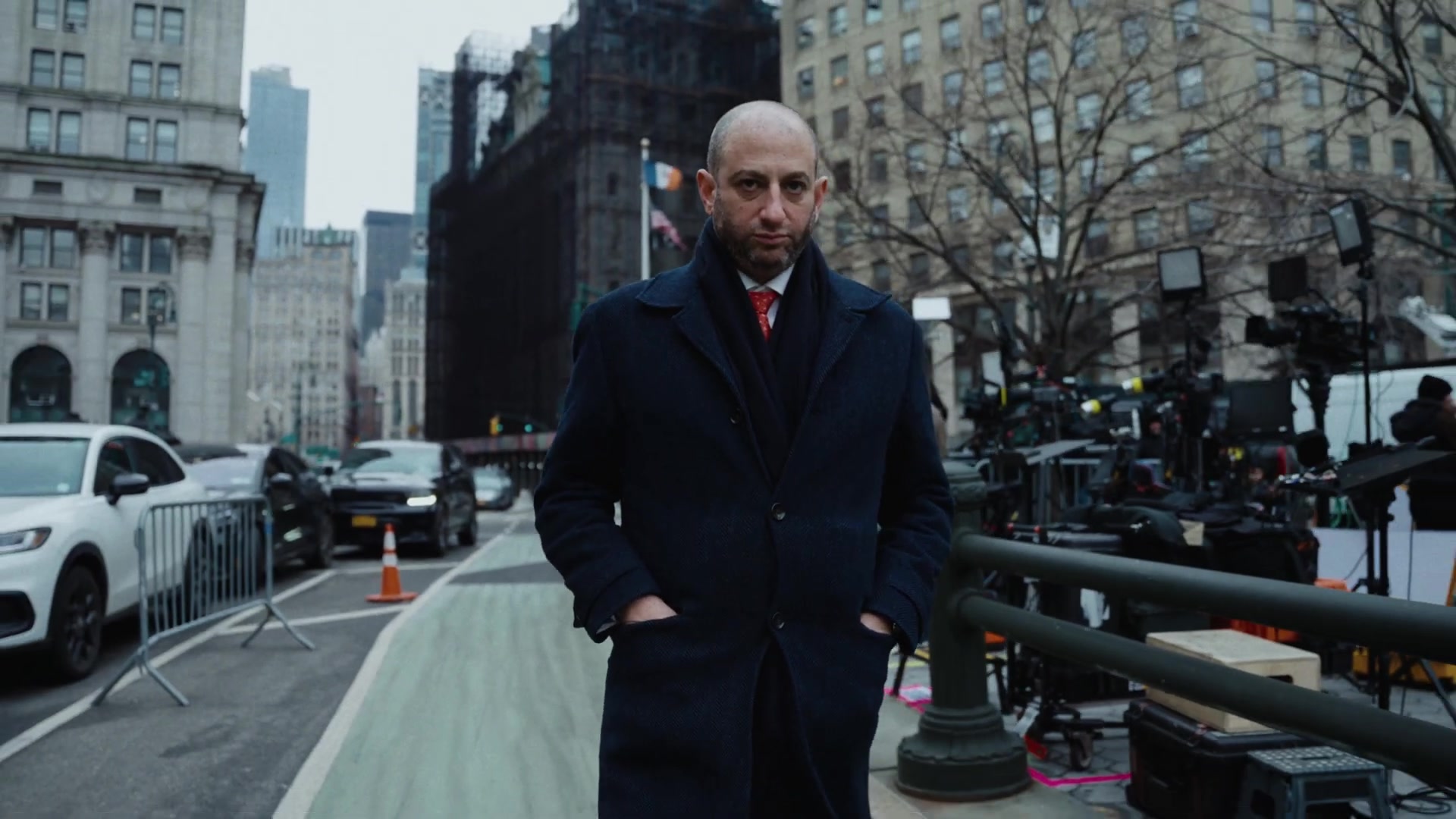
Defense Team Spotlight
Todd Spodek
Lead Attorney & Founder
Featured on Netflix’s “Inventing Anna,” Todd brings decades of experience defending clients in complex criminal cases.
Multi-State Bar
Federal Courts
US Supreme Court
Meet the Full Team →
- First Offense: A first offense DUI is charged as a misdemeanor. The defendant can expect to face a fine of at least $500 to $1,000, spend one year in prison and have their license revoked for a period of at least six months.
- Second Offense: A second offense DUI is charged as a class E felony. Penalties instituted include a fine of at least $1,000 to a maximum of $5,000, imprisonment of five to 30 days, possible community service, a one-year revocation of the individual's driver's license and possibly being ordered to attend a DUI program.
- Third and Subsequent Offenses: With a third or higher DUI offense, the charge is classified as a class D felony. The defendant can expect a fine ranging from $2,000 to $10,000, spending seven days to 10 years in prison, having an ignition interlock device placed on their vehicle and a license suspension for at least one year.
Frequently Asked Questions
No. You have the right to remain silent and the right to an attorney. Invoke both rights immediately and contact Spodek Law Group.
Every case is different. We offer free initial consultations to evaluate your case and discuss our fee structure.
An arraignment is your first court appearance where charges are formally read. You enter a plea and bail may be set. Having an attorney present is critical.
Facing Criminal Charges And Have Questions? We Can Help, Tell Us What Happened.