
California Criminal Convictions and Pharmacist Discipline
In California pharmacists and pharmacy technicians face discipline by the Board of Pharmacy — including license revocation — after getting certain types of criminal convictions. The Board also has the authority to withhold licenses from applicants who have been convicted of a crime in the past seven years that was substantially related to pharmaceuticals. In fact, there are some criminal convictions that might stop an applicant from receiving a pharmaceutical license no matter how old the offense is. These include:- a serious crime, like rape, murder, or grand theft, or
- a sex crime that requires the applicant to register as a Tier II or Tier III offender
- What body regulates pharmacists in California?
- What types of convictions can trigger Board discipline?
- How can I fight for my license?
- How does the 7-year rule apply to pharmacist?
What body regulates pharmacists in California?
Under the auspices of the California Department of Consumer Affairs, The Board of Pharmacy, regulates pharmacists, pharmacy technicians and pharmacy interns Their mission is one of public protection. Their responsibilities include disciplining licensees convicted of certain crimes by placing them on probation or suspending or revoking licenses.What types of convictions can trigger Board discipline?
⚖ Legal Pulse: Key Statistics
15,000+
Federal Cases Filed Annually
90%
Plea Before Trial
What is a "substantially related" conviction?
The term "substantially related" describes a conviction that "evidences present or potential unfitness of a licensee or registrant to perform the functions authorized by his license or registration in a manner consistent with the public health, safety, or welfare." Drug crimes are an obvious category, but other offenses include murder, grand theft, rape, and identity theft, among others. The Board's Disciplinary Guidelines classify criminal convictions as either Category II or Category III violations, with a recommended minimum discipline of three to five years probation plus possible license suspension and maximum discipline of license revocation.What Convictions Count?
For the purposes of this discussion, a conviction can include felony and misdemeanor convictions secured by guilty pleas and verdicts, "no contest" pleas and convictions that could later be expunged under California Penal Code Section 1203.4. The Board has the authority to take disciplinary action even in cases where the defendant successfully completes a court-ordered diversion program. In some cases, the Board will take expedited action. On top of that, the Board has ways to uncover concealed convictions. Therefore, it is wise to be upfront about your past. Actually, court clerks are obligated to report to the Board any licensee convictions within 10 days of judgment.The Role of Rehabilitation
Indeed, people can and should be given the chance to be rehabilitated from their criminal activities and make positive change in their lives. As such, the Board is required to consider evidence of a person's efforts at rehabilitation in making discipline decisions. The Board will look at the whole picture, including:- proof of remorse or restitution
- proof of participation in counseling and/or group therapy
- proof of engaging in volunteer work and community commitment
- reference letters from employers and/or probation officials

Free Consultation
Need Help With Your Case?
Our experienced attorneys are standing by to help. Get a free, confidential case evaluation.
- ✓ 100% Confidential
- ✓ Response Within 1 Hour
- ✓ No Obligation Consultation
Or call us directly: 212-300-5196
Pharmacist License Reinstatement in California
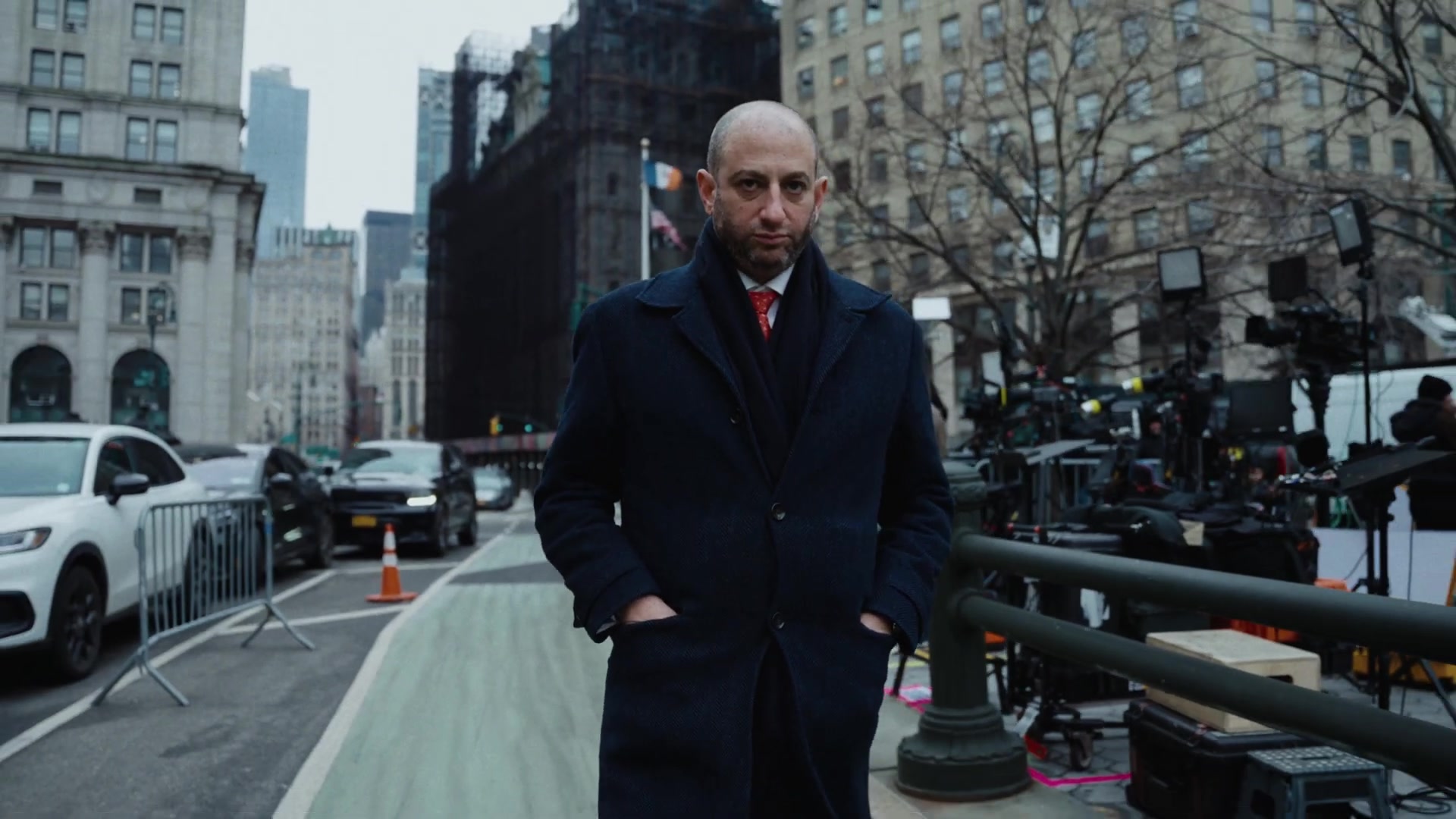
Defense Team Spotlight
Todd Spodek
Lead Attorney & Founder
Featured on Netflix’s “Inventing Anna,” Todd brings decades of experience defending clients in complex criminal cases.
Multi-State Bar
Federal Courts
US Supreme Court
Meet the Full Team →
How can I fight for my license?
Have you receive an Accusation from the Board notifying you that the Board seeks to discipline you by suspending or revoking your license? Worry not. You, or your attorney, might be able to negotiate with the Board and come to a settlement that limits the extent of discipline. You also have the option of a hearing in front of an administrative law judge, where you will have the right to discovery, and an opportunity to introduce evidence and cross-examine witnesses. To exercise this option, you must act quickly. After 15 days have passed since the Accusation was issued, you will be presumed to have waived your right to a hearing.How does the 7-year rule apply to pharmacist?
The Board has the right to deny pharmacy licenses to applicants who have been convicted of certain crimes at any time. These include sex offenses, rape, murder, assault and the like. Applicants who get denied a license on the basis of their criminal history have the right to appeal. The Attorneys at Spodek Law Group Can Help. Give us a call today!Frequently Asked Questions
No. You have the right to remain silent and the right to an attorney. Invoke both rights immediately and contact Spodek Law Group.
Every case is different. We offer free initial consultations to evaluate your case and discuss our fee structure.
An arraignment is your first court appearance where charges are formally read. You enter a plea and bail may be set. Having an attorney present is critical.
Facing Criminal Charges And Have Questions? We Can Help, Tell Us What Happened.