
The Form 941 Trap You Created Yourself
Every quarter, your business filed IRS Form 941. This form reports payroll taxes and shows exactly how many employees you had during that period. Your accountant prepared it. You signed it. It went to the IRS. Then in 2020, you submitted your PPP application claiming a certain number of employees. The goverment now has both documents. They dont need to investigate whether you lied - they just need to compare the numbers. If your 941 for Q1 2020 showed 8 employees but your PPP application claimed 20, thats a 150% discrepancy documented in your own filings. You created the evidence trail against yourself. Heres the thing most people miss: this comparison isnt being done by humans reviewing individual files. The SBA and DOJ use data-matching algorithms that automaticaly flag discrepancies between tax records and loan applications. Your application went into a database. Your 941 went into a database. Software compared them. If the numbers didnt match, your file moved from "processed" to "referred for investigation" without any human ever touching it. Prosecutors dont have to prove much when you've handed them a self-documented case. Your signature is on the 941. Your signature is on the PPP application. The numbers dont match. The certification you signed said you were providing accurate information "under penalty of perjury." You basicly confessed in writing. The Form 941 is filed quarterly. That means the goverment has four snapshots of your employee count for the year leading up to your PPP application. If your numbers were consistant across all four quarters - say, 5 employees each quarter - and then your PPP claimed 15 employees, thats not a one-time discrepancy. Thats a pattern that directly contradicts a year of tax filings. Prosecutors love patterns because juries understand patterns. One number could be a mistake. Four quarters of one number followed by a completly diffrent number on a loan application looks like fraud.What "Lying About Employee Numbers" Actually Means Legally
When you inflated your employee count on a PPP application, you potentially triggered multiple federal charges. Wire fraud under 18 USC 1343 is the most common - submitting the application through an online bank portal constitutes wire fraud. Each electronic transmission can be a seperate count. Wire fraud carries up to 20 years per count. Bank fraud under 18 USC 1344 applies when the false statement was made to a financial institution. This carries up to 30 years. Making false statements to the SBA or a bank under 18 USC 1014 also carries 30 years. And if you committed identity theft - using someone elses information to support your application - aggravated identity theft adds a manditory consecutive 2-year minimum on top of whatever else you get. The charge stacking is intentional. Prosecutors file multiple counts because it gives them leverage in plea negotiations. If your facing wire fraud, bank fraud, false statements, and conspiracy, thats four diffrent ways to convict you. Even if the jury acquits on three counts, one conviction is enough for prison. And if you go to trial and loose on all counts, the sentancing calculation adds up the total loss amount across every count. Brandon Fitzgerald-Holley listed 25 employees and $122,342 monthly payroll when his organization had zero employees and zero payroll. Zero. Katherine Liggins, a federal worker, got indicted in August 2024 for wire fraud and material false statements for aquiring more than $20,000 in PPP funds. Donna Ingram from Long Island submitted 27 applications with false employee numbers and false revenue claims, totalling $3.28 million in fraud. Sound extreme? These arent outliers. There the pattern. And the amounts matter less then you think. A Cincinnati defendant recieved 18 months federal prison for a $21,000 PPP fraud in 2025. He used the money for DoorDash, Grubhub, hotels, and jail commissary. Small amounts still mean prison.How Prosecutors Actually Build These Cases
⚖ Legal Pulse: Key Statistics
15,000+
Federal Cases Filed Annually
90%
Plea Before Trial
The Independent Contractor Defense (And Why It Usually Fails)
Many business owners counted independent contractors as employees on there PPP applications. This wasnt always malicious - the initial guidance was confusing, and some banks told borrowers to include 1099 workers. The program moved fast. People made assumptions. Heres were it falls apart: courts have consistantly held that independent contractors werent "employees" for PPP purposes. Your argument that you genuinly believed contractors counted is undercut by the fact that the IRS distinguishes between W-2 employees and 1099 contractors on completely diffrent forms. Your 941 shows W-2 employees. Your PPP application asked about employees. If you added contractors who werent on your 941, the discrepancy speaks for itself. This is the trap nobody mentions: your accountant prepared your 941s. Your accountant probly helped with your PPP application. If the numbers dont match, there already exists a witness to the discrepancy - the same person who prepared both documents. That said, the contractor defense has worked in limited circumstances. Under Thompson v. United States, if the employee count was "literally true" because you counted people who performed essential functions for your business, prosecutors cant convict under 18 USC 1014 based on that statement alone. Some tech founders included contractors who were genuinly integral to operations. But this exception is narrow, and most courts reject it. Dont count on being the exception. The timing of your application also matters. Early PPP applicants - April 2020 - faced genuinly ambiguous guidance. The SBA hadnt clarified everything yet. Banks were giving conflicting advice. If you can show you relied on specific guidance from your bank or accountant during those first few weeks, you have a stronger argument. But if you applied in the second or third round of PPP, when the rules were clearer, the confusion defense weakens considerably.The 2024-2025 Enforcement Surge
You thought PPP enforcement was over. Its not. Federal judges in 2025 include prison time in nearly every PPP and EIDL fraud sentencing regardless of the amount involved. Only two defendants in the cases tracked recieved probation. Everyone else went to prison. Michael Fullerton, part of a Texas couple convicted of PPP fraud, recieved 286 months - thats almost 24 years. His wife Tiffany got 108 months. Combined restitution: over $3 million. A bank manager who coordinated a multistate PPP fraud scheme got 65 months for helping people obtain 38 fraudulent loans totaling $5 million. Remember: theres no parole in the federal system. You serve at least 85% of whatever sentence the judge imposes. A 46-month sentance means your doing roughly 39 months before release. And prosecutors are adding charges that stack - wire fraud plus bank fraud plus false statements plus conspiracy. Each count is leverage for a plea, and if you go to trial and loose, the guidelines calculate based on total loss amount across all counts. The PACE center is still active. The 10-year statute of limitations for most PPP fraud offenses means 2020 applications can be prosecuted through 2030. You thought the window closed. It didnt. Why are sentences longer now? Judges were lenient in 2021 because everyone was still processing what happened during the pandemic. Courts gave defendants the benefit of the doubt about confusion and desperation. By 2024, that sympathy evaporated. Judges saw defendant after defendant using the same excuses. The "chaos" defense stopped working when the fifth person that week claimed they were confused. Now judges treat PPP fraud like any other bank fraud - seriously.Early Warning Signs You're Being Investigated
Most people dont realize there under investigation until its too late. But there are warning signs you need to recognize. First, look for document requests from the SBA. If the SBA contacts you asking for payroll records, tax returns, or documentation supporting your loan application, thats not routine. Thats the opening move. There comparing what you submitted to what you can actually prove. Second, watch for bank inquiries. If your lender suddenly starts asking questions about your original application, the bank may have been contacted by federal investigators. Banks cooperate with law enforcement to avoid there own liability. When a bank calls out of the blue about a 2020 loan, something triggered that call. Third - and this one matters - if an FBI agent leaves a business card at your door or calls asking to "chat," thats not casual. Do not talk to them. Every word you say becomes a 302 report, and any inconsistency - even accidental - can become a seperate false statements charge under 18 USC 1001. Martha Stewart didnt go to prison for insider trading. She went to prison for lying to investigators about allegations she was ultimatly acquitted of. Fourth, if investigators contact your accountant, your bookkeeper, or your business partner, the investigation is already well underway. Grand juries are secret. Subpoenas to third parties dont come with notification to you. By the time you realize your being investigated, there already gathering evidence. Fifth, check your credit report and bank statements. Sometimes federal seizures or holds appear before any formal notification. If accounts get frozen unexpectedly, or you see government agency inquiries on your credit report, those can be early indicators.
Mistake vs. Intent - The Defense That Might Save You
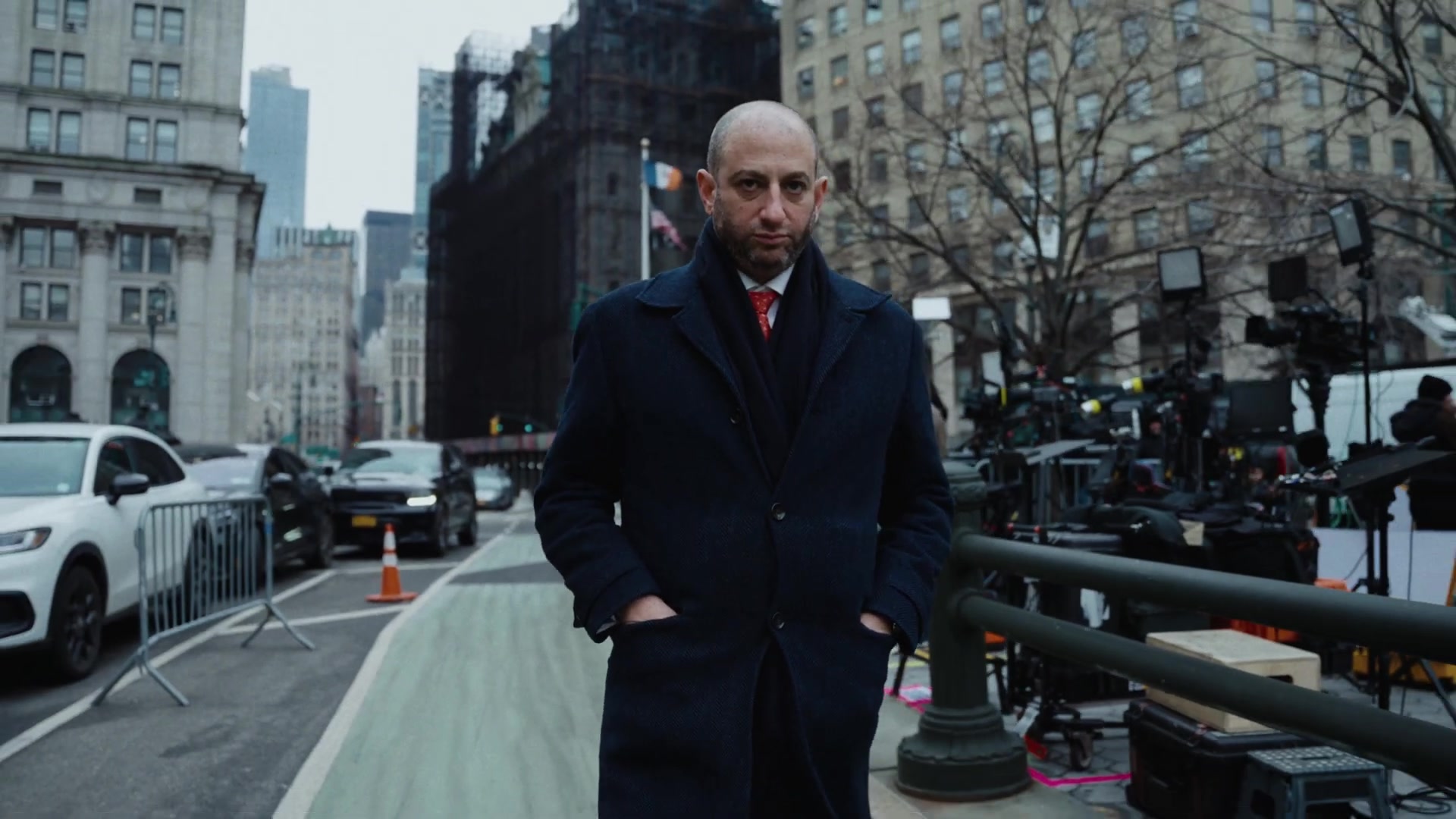
Defense Team Spotlight
Todd Spodek
Lead Attorney & Founder
Featured on Netflix’s “Inventing Anna,” Todd brings decades of experience defending clients in complex criminal cases.
Multi-State Bar
Federal Courts
US Supreme Court
Meet the Full Team →
What To Do Right Now
If your reading this because your worried about what you put on your PPP application, heres what you need to understand: time is not your friend, but its also not your enemy if you act smart. First, do not talk to investigators without an attorney present. Period. The instinct to "explain yourself" is how people turn minor cases into major ones. Every word you say can be used against you, and investigators are trained to find inconsistancies. You might think your being cooperative. There documenting evidence. Second, do not repay the loan thinking that solves the problem. Repayment doesnt eliminate criminal liability. Worse, prosecutors can argue repayment shows "consciousness of guilt" - that you knew the loan was improper. Your trying to fix the problem could become evidence of the problem. Third, find a federal criminal defense attorney who handles PPP fraud specifically. This isnt a general practice area. The sentencing guidelines, the charging patterns, the defenses that actualy work - these require specialized knowlege. At Spodek Law Group, Todd Spodek and our team have defended clients facing exactly these charges. We understand how the algorithm flagging works, how prosecutors build there cases, and what defenses hold up in court. The PPP program distributed over $800 billion in chaos. Alot of that chaos is now being sorted through federal prosecutions. If your employee numbers didnt match your 941, the government probly already knows. The question is weather your case has moved from "flagged" to "active investigation" yet. Call us at 212-300-5196 before that happens.Frequently Asked Questions
No. You have the right to remain silent and the right to an attorney. Invoke both rights immediately and contact Spodek Law Group.
Every case is different. We offer free initial consultations to evaluate your case and discuss our fee structure.
An arraignment is your first court appearance where charges are formally read. You enter a plea and bail may be set. Having an attorney present is critical.
Facing Criminal Charges And Have Questions? We Can Help, Tell Us What Happened.