The 5-Year Illusion
Most people who recieved PPP loans in 2020 did the same mental math. Wire fraud has a 5-year statute of limitations. Bank fraud has a longer window, but if you went through a fintech lender like Kabbage or BlueAcorn, that wasnt technically "bank fraud." So April 2020 plus five years equals April 2025. Your safe by now. Heres the thing about that calculation: it was right when you made it. But it became wrong in August 2022. Thats when President Biden signed two laws that rewrote everyones timeline. The PPP and Bank Fraud Enforcement Harmonization Act of 2022 and the COVID-19 EIDL Fraud Statute of Limitations Act of 2022 both did the same thing—they extended the window for prosecution to 10 years, regardless of which lender processed your loan. Think about what that means practicaly. If you recieved your loan in April 2020, prosecutors now have until April 2030 to charge you. If you got your loan in May 2021 during the second round, there looking at May 2031. And if your forgiveness application wasnt filed until 2022, the clock might not even start until then. The 5-year illusion destroyed people. They thought time was on there side. They assumed that if nobody had contacted them by 2025, they were in the clear. But 2025 isnt the finish line. Its actualy closer to the starting gun for there exposure.What Actually Changed in 2022
OK so lets break down exactly what Congress did, becuase the mechanics matter. Before August 2022, PPP fraud could be charged under several statutes. Wire fraud (18 U.S.C. § 1343) had a 5-year limitation. Bank fraud (18 U.S.C. § 1344) had a 10-year limitation—but only applied if the lender was a traditional "financial institution." Making false statements to the SBA had its own timeline. Heres the problem prosecutors faced: millions of PPP loans went through fintech lenders that werent traditional banks. Kabbage, BlueAcorn, Womply, Cross River Bank processing for online platforms—these didnt clearly fit the "financial institution" definition that triggers the 10-year bank fraud statute. So two people could commit identical fraud. Same false payroll numbers. Same fabricated business. Same misuse of funds. But if one person happened to apply through Chase and another through BlueAcorn, they faced completly diffrent exposure windows. The Chase borrower could be prosecuted until 2030. The BlueAcorn borrower would supposedly be safe by 2025. Congress looked at that situation and called it absurd. Fraud is fraud. The lender you randomly chose—whoever got you approved fastest—shouldnt determine wheather you go to prison. The 2022 laws harmonized everything. Now all PPP fraud has a 10-year statute, period. Dosent matter if your lender was a 150-year-old bank or a fintech startup operating out of a WeWork. The governments window is 10 years either way. And heres the part that really matters: the law applies retroactivly. Defendants have challenged this, arguing you cant change the rules after the game. Courts have consistantly rejected those arguments. As long as the original statute hasnt expired when Congress extends it, the extension is valid. You dont have a "vested right" in the clock running out until it actualy runs out.Why 2025 Is the Danger Zone
⚖ Legal Pulse: Key Statistics
15,000+
Federal Cases Filed Annually
90%
Plea Before Trial
The Forgiveness Trap
Heres something that almost nobody considers, and it could add years to your exposure. The statute of limitations dosent necessaraly start from when you recieved the loan. It starts from your last fraudulent act related to that loan. For most people, that wasnt the application—it was the forgiveness application. Think about the timeline. You got your PPP loan in April or May 2020. You used the funds over the next few months. Then, probably in late 2020 or sometime in 2021, you applied for loan forgiveness. That forgiveness application required certifications—statements about how you used the funds, wheather you maintained payroll, wheather you followed the rules. If those certifications were false, thats when your fraud was completed. Not in 2020 when you got the loan. In 2021 or even 2022 when you sought forgiveness. OK so lets do the math. If you filed for forgiveness in March 2022, and Congress extended the statute to 10 years, your exposure runs until March 2032. Thats seven more years from now—not the zero years you thought you had. Heres the irony that destroys people: you filed for forgiveness to close the chapter. To put the PPP loan behind you. To move on. But that forgiveness application—the thing that was supposed to end your exposure—actualy extended it. You reset the clock on yourself. And every statement in that forgiveness application is fair game. Prosecutors can charge you with the original loan fraud AND the forgiveness fraud. You potentialy doubled your charges trying to put the matter to rest.The 40% Reality
Lets talk about the numbers that should keep you up at night. According to SBA data, there automated fraud detection systems flagged aproximately 40% of all PPP loans issued in 2020. Forty percent. Thats not a typo. Heres the thing about that number: if your reading this article, if your worried enough to search for answers about PPP prosecution risk, you probably have a reason to be worried. Maybe your payroll numbers were inflated. Maybe your business wasnt as operational as you claimed. Maybe you used the funds for things that werent strictly payroll. The algorithm already knows. It cross-referenced your application with your 2019 tax returns before most people even knew what cross-referencing meant. It compared your claimed employee count to your state unemployment insurance filings. It checked wheather your EIN was even active. It looked at your bank account to see if deposits matched your claimed revenue. If there was a mismatch—any mismatch—your loan got flagged. At Spodek Law Group, weve seen the pattern repeatedly. People assume that becuase nobody has contacted them, there loan wasnt flagged. But flags dont generate immediate contact. Flags generate a place in line. A queue position. The government is working through that queue methodicaly, with no pressure to hurry. They have until 2030 or 2031 or 2032 depending on your specific timeline. If you think your in the clear becuase its been quiet, consider this: the defendants being charged in 2025 submitted there applications in 2020. They had years of silence before the knock on the door. Look at the recent cases. Carl Delano Torjagbo from Marietta, Georgia was convicted in July 2025 for a $9.6 million PPP fraud scheme—he applied back in 2020. Teldrin Foster got 121 months in federal prison in June 2024 for his role in a PPP conspiracy. A Philadelphia banker recieved 65 months in October 2024 for running a scheme where he recruited businesses to submit false applications. In November 2025, six family members in Brooklyn were indicted for $166,000 in fraud from applications submitted in 2021. These arent ancient cases being prosecuted. These are recent convictions for applications from years ago.Small Loans, Real Prison
Many people assume that if there PPP loan was relatively small, prosecutors wont bother. Why would the federal government spend resources on a $20,000 case when there are millions in larger schemes? The amount of your loan does not determine whether they prosecute you. In March 2024, a Cincinnati man named Kelton McClarrin was sentenced to 18 months in federal prison for PPP fraud. The amount he stole? Just under $21,000. Let that sink in for a moment. Eighteen months in federal prison. For less than most people spend on a used car. McClarrin submitted an application claiming he was the sole owner of a business with $100,000 in gross income for 2019. He submitted a forged bank statement. When he got the money—not even $21,000—he spent it on personal expenses. CashApp transfers. Grubhub deliveries. DoorDash orders. Facebook purchases. Hotels. Nothing sophisticated. Nothing that required forensic accountants to uncover. Just obvious fraud with obvious misuse. And 18 months in federal prison as a result. Heres what Todd Spodek has observed representing clients in these cases: prosecutors actualy prefer small-dollar cases in some ways. The cases are simpler. The facts are cleaner. And the headlines—"Local Man Gets 18 Months for $21,000 PPP Fraud"—send a message to everyone else. The DOJ wants regular people to see that there is no amount to small to prosecute. Think about what that means for you. If your loan was $30,000, or $50,000, or $75,000, you might think your small fish. But the McClarrin case proves that small fish go to federal prison too. The amount dosent protect you. The only thing that protects you is not having committed fraud—or having addressed the situation before prosecutors got to your file.
The Waiting Tax
Defense Team Spotlight
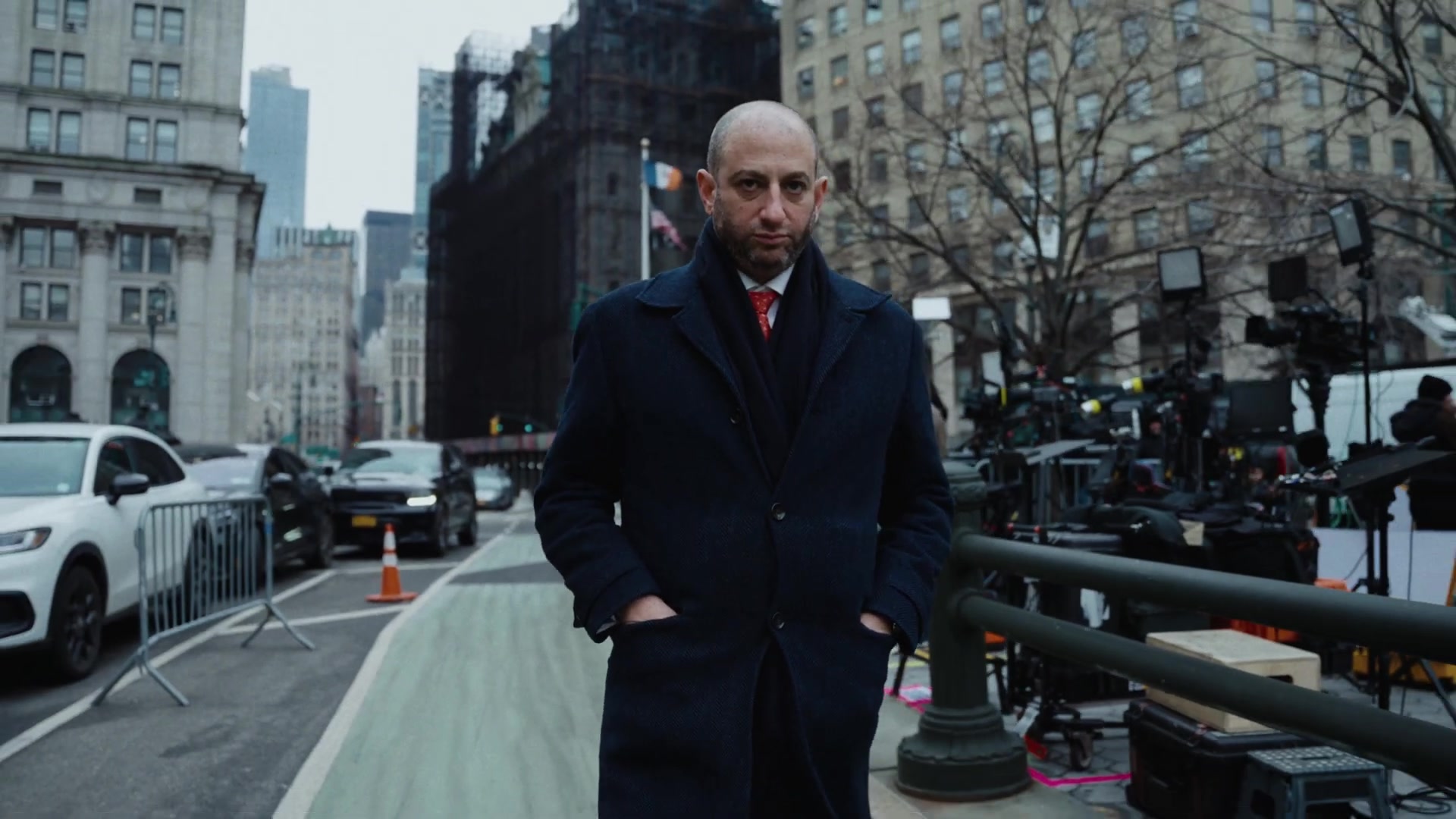
Todd Spodek
Lead Attorney & Founder
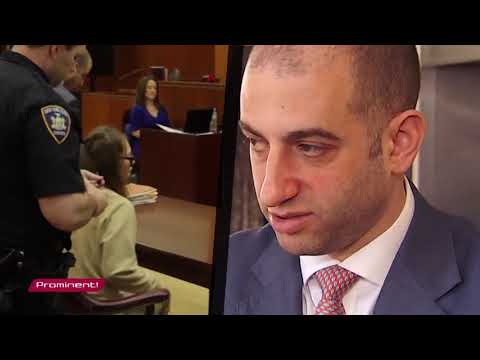
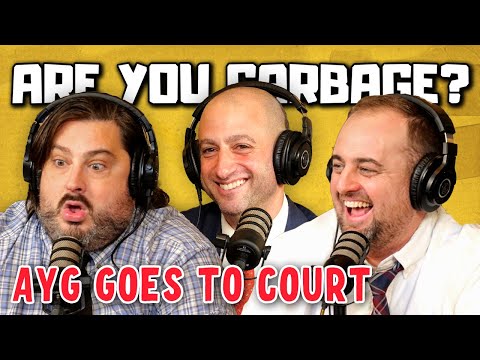
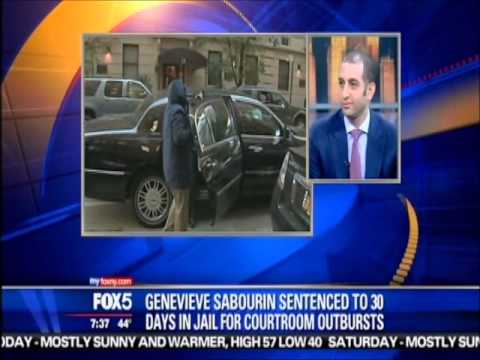
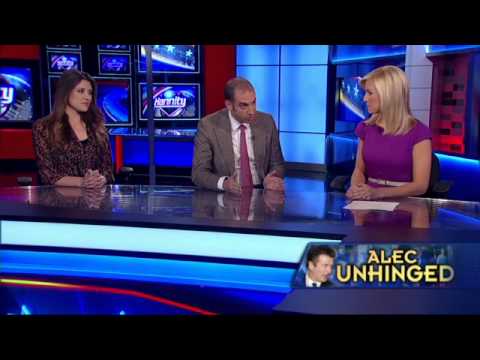
Featured on Netflix’s “Inventing Anna,” Todd brings decades of experience defending clients in complex criminal cases.
Multi-State Bar
Federal Courts
US Supreme Court
Meet the Full Team →
What To Do Now
Your situation falls into one of three categories. Your next steps depend on which one applies. Category 1: Your application was completely accurate. Keep your records for at least 10 years—idealy until 2032 to cover any forgiveness-related exposure. If the government ever has questions, you want to be able to prove everything was legitimate. Category 2: Your application had some inaccuracies, but nobody has contacted you yet. This is where proactive consultation becomes critical. Todd Spodek and the team at Spodek Law Group can evaluate your actual exposure, explain your realistic options, and help you develop a strategy. In some cases, voluntary disclosure through proper channels can dramaticaly reduce your risk. In other cases, preparation for potential contact is the better approach. But waiting—just hoping nobody notices—is almost never the right answer. Category 3: Youve been contacted by federal agents or received official notice about your PPP loan. Stop reading this article and call a lawyer immediately. Do not talk to investigators. Do not provide documents. Do not try to explain or clear things up. Everything you say will be used against you. Your only response should be: "I'd like to speak with an attorney before answering any questions." The 10-year clock is running. The governments backlog is being processed. And 2020 loans are at the front of the line. If your PPP loan application wasnt 100% accurate, call Spodek Law Group at 212-300-5196 before the government calls you. The question isnt wheather they will eventualy review your loan. The question is what position youll be in when they do. You thought 2025 would be the year you were finally safe. Instead, its the year you need to take action. The 5-year clock ran out—but the 10-year clock is still ticking.Frequently Asked Questions
No. You have the right to remain silent and the right to an attorney. Invoke both rights immediately and contact Spodek Law Group.
Every case is different. We offer free initial consultations to evaluate your case and discuss our fee structure.
An arraignment is your first court appearance where charges are formally read. You enter a plea and bail may be set. Having an attorney present is critical.
Facing Criminal Charges And Have Questions? We Can Help, Tell Us What Happened.