40 Years of Machine Politics Created the Prosecutors Coming For You
Heres what nobody tells you about facing federal PPP charges in Chicago. The prosecutors handling your case didn't learn how to dismantle criminal networks from textbooks. They learned by actually dismantling them - political machines that controlled this city for generations, judicial corruption that reached the highest levels of the state court system, organized crime operations that thought they were untouchable. Operation Greylord in the 1980s. Silver Shovel in the 1990s. The Hired Truck scandal in the 2000s. Each one taught federal prosecutors in Chicago how to flip lower-level participants, build conspiracy cases from the ground up, and use cooperation agreements to reach targets they couldn't touch directly. That's not history - that's the playbook they're using right now on pandemic fraud. The conviction rate in federal court is 98.5%. In Chicago, with prosecutors who've been doing this for decades, it's basicly a foregone conclusion if you go to trial without understanding what you're actually facing. These are the same attorneys who convinced judges and aldermen to flip on their own networks. You think your PPP case is somehow going to be different? Let me tell you what "network prosecution" actualy means for you. Lets say you used a preparer who handled 50 PPP applications. That preparer is a target. When they get arrested - and they will get arrested - the first thing prosecutors offer is a cooperation agreement. In exchange for reduced charges, that preparer hands over every client file, every communication, every referral source. Your name is in there. Your documents are in there. And now you're part of an ongoing investigation you didn't even know existed.Congress Just Gave Them Until 2030 - And Theyre Using Every Day
Most people think the statute of limitations protects them. "It's been 4 years," they tell themselves. "If they were going to charge me, they would have done it by now." That's wrong, and here's why. In August 2022, Congress retroactively extended the statute of limitations for COVID-19 fraud from 5 years to 10 years. Read that again. Your 2020 PPP loan is now prosecutable until 2030. The clock didn't run out - Congress added time to it. And they did it retroactivley, meaning it applies to loans that were already outside what people thought was the original window. Here's the kicker. Sentences have gotten significantly harsher. Cases prosecuted in 2024 and 2025 are receiving sentences roughly 40% longer than identical conduct prosecuted in 2021 or 2022. Same fraud amount. Same circumstances. But judges are done being lenient. The "everyone was doing it" excuse that might have worked three years ago now gets you additional prison time for showing lack of remorse. So the people who waited? They didn't just waste time - they made their situation dramaticaly worse. Every month that passes without proactive legal representation is a month closer to maximum exposure under much harsher sentencing norms. Chicago prosecutors have 373+ Illinois state workers already identified in PPP fraud investigations. That's not speculation - that's public information from state Inspector General reports. Those 373 people are connected to preparers, to businesses, to networks of applications. And prosecutors are working through that list systematicaly, using each arrest to generate new names for investigation.You're Not the Target - You're the Bait
OK so heres where Chicago's network prosecution model really matters. Federal prosecutors in the Northern District don't actualy want you. Not specificaly. What they want is everyone you touched. Think about how your PPP application worked. You probably didn't handle it completley yourself. Maybe a preparer helped. Maybe someone refered you to that preparer. Maybe you told friends or family members about the program. Maybe you discussed it in a business context with partners or employees. Every one of those connections is a thread prosecutors can pull. And in Chicago, they've spent 40 years learning how to pull threads until entire networks unravel. The cooperation credit economy works like this - every defendant who cooperates provides names. Those names become new investigations. Those investigations generate more cooperators who provide more names. It's exponential. Being a "small fish" dosent protect you. It actualy makes you more valueable to prosecutors. Heres why: Small cases are easier to prove. Less complex evidence, fewer legal arguments, quicker path to conviction. Defendants with small fraud amounts usualy have fewer resources to fight prolonged legal battles. And most importantly - small participants are the first to flip because they have the most to lose from even short prison sentences. Your $20,000 PPP loan makes you a perfect entry point into a larger investigation. Prosecutors don't spend resources prosecuting you just for your conviction. They prosecute you to get information that leads to the preparer, to other clients, to whoever designed the scheme. You're the domino they push to start the cascade.The Cooperation Credit Economy Explained
⚖ Legal Pulse: Key Statistics
15,000+
Federal Cases Filed Annually
90%
Plea Before Trial
373 State Workers and Counting - The Prosecution Pipeline
Let me give you a specific example of how this plays out. Illinois state workers - 373 of them identified so far - filed PPP loans claiming payroll expenses for businesses that either didn't exist or weren't actualy operating. Many used the same small group of preparers. Many were refered by colleagues. When investigators started pulling that thread, they didn't just find 373 individual fraud cases. They found networks. Preparers who specialized in state worker applications. Referral chains where workers told their coworkers about the "easy money." Schemes that crossed departmental lines throughout state government. Each arrest generates new information. Each cooperation agreement produces new targets. The 373 number from last year is probaly 500 by now, and it will keep growing because that's how network prosecution works. You don't investigate 373 cases - you investigate the connections between them until you've mapped the entire ecosystem. If you got your PPP loan through any process that touched Illinois state employment, assume prosecutors already know your name. If you used a preparer who handled multiple applications, assume that preparers records are either already in federal hands or soon will be. The question isn't whether they're investigating - it's whether they've gotten to your part of the network yet.But I Only Got $20,000 - Why That Makes You MORE Vulnerable
Here's the counter-argument we hear constantly: "My loan was too small for them to bother with." This thinking is completley backwards, and understanding why might save you from making the worst mistake of your life. Small fraud amounts are EASIER to prosecute, not harder. The evidence is simpler. The legal arguments are more straightforward. Prosecutors can get a conviction faster with fewer resources. Why would they pass that up? Small defendants have fewer resources to fight. If you got $20,000 in PPP money you shouldnt have, you probaly don't have $200,000 for a prolonged federal defense. Prosecutors know this. They know most small defendants will take plea deals rather than face the cost and uncertainty of trial. Small participants flip faster. Someone facing 2-3 years for a $20,000 fraud has enormous incentive to cooperate. The prosecutor offers 6 months instead? Most people take that deal and provide whatever information gets them there. Your $20,000 makes you exactly the kind of defendant prosecutors can quickly convert into a cooperating witness. And heres the part nobody wants to hear - small participants often have the most valuable information. You might not be the mastermind, but you know who the mastermind was. You know how the scheme worked. You know other people who participated. That information is worth more to prosecutors then your individual conviction. Chicago prosecutors don't see a $20,000 case and think "not worth our time." They see an entry point into a network they havent fully mapped yet. They see a defendant who will probaly cooperate rather then fight. They see leverage.What Happens in the Next 90 Days
If you're reading this because something already happened - FBI contact, SBA letter, someone elses arrest - heres your actual timeline. Not the theoretical legal process, but what actualy happens in Chicago PPP cases. **Days 1-14: Initial Assessment Crisis** The worst thing you can do is wait. If FBI agents showed up, they're documenting everything you said - even casual denials create 18 USC 1001 exposure. If you got an SBA letter, there's a response deadline and ignoring it triggers escalation. If someone connected to you got arrested, the cooperation process starts immediatley. Contact a federal defense attorney. Not tomorrow. Not next week. Today. Todd Spodek and the Spodek Law Group team understand the urgency of these first days because that's when the most damage happens - usualy from clients trying to handle things themselves. **Days 15-45: Investigation Positioning** This is when your defense team determines where you actually stand. Is there an active grand jury investigation? Has the SBA referred your case to DOJ? Are there cooperating witnesses who've named you? What evidence exists beyond the loan application itself? Most critically - are you a target, a subject, or a witness? Each status requires completley different strategy. Getting this wrong means preparing for the wrong fight. **Days 46-90: Strategic Decision Point** By 90 days, you'll know whether charges are imminent, whether pre-indictment negotiation is possible, and what cooperation might look like if that's the right path. Some clients have legitimate defenses that should go to trial. Some clients have mitigation opportunities that only work before indictment. Some clients need to be the first to cooperate rather then the last. These decisions can't be made without understanding Chicagos specific prosecution environment. Federal defense elsewhere dosent prepare you for prosecutors who've spent decades perfecting network dismantlement.
Why Chicago PPP Cases Need Chicago-Style Defense
Defense Team Spotlight
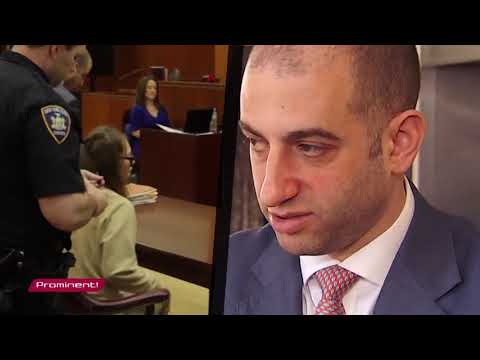
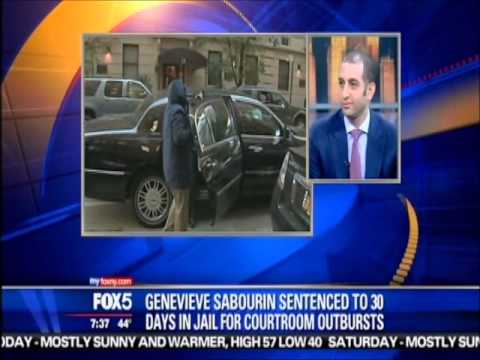
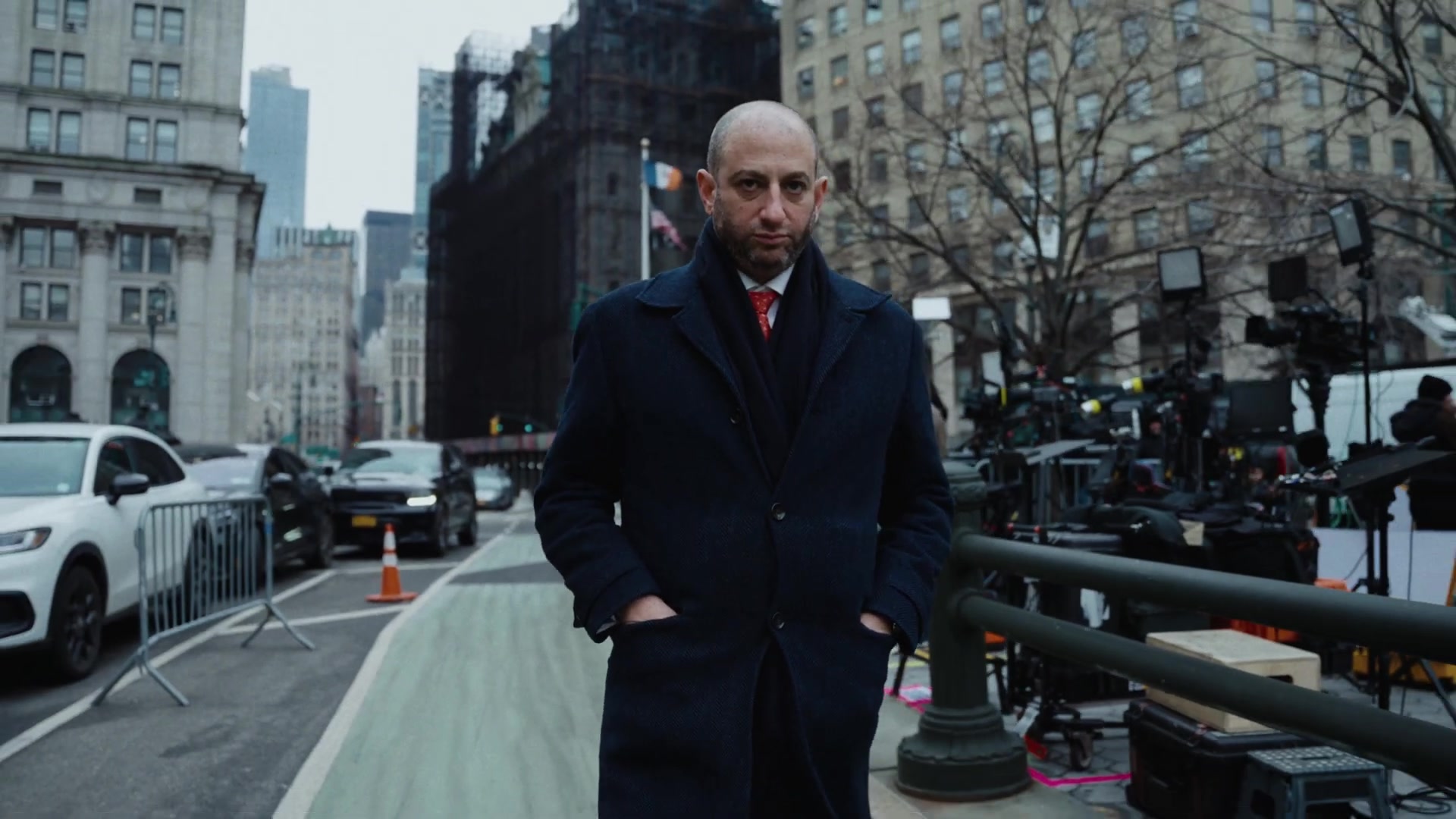
Todd Spodek
Lead Attorney & Founder
Featured on Netflix’s “Inventing Anna,” Todd brings decades of experience defending clients in complex criminal cases.
Multi-State Bar
Federal Courts
US Supreme Court
Meet the Full Team →
The Evidence Already Exists - You Just Don't Know It Yet
Heres something most people don't realize until it's too late. The evidence against you in a PPP fraud case already exists. It's been sitting in government databases since you submitted your application. The only question is whether prosecutors have looked at it yet. Your PPP application went through the SBA. Your tax returns are with the IRS. Your business registration is with the state. Your bank records are with your financial institution. Each of these systems talks to the others through automated cross-referencing that dosent require any human investigator to initiate. When you claimed payroll expenses on your PPP application, that number got compared against your quarterly tax filings. If you claimed employees, their social security numbers got cross-referenced against employment records. If you listed revenue, that got compared against your reported income. Discrepencies get flagged automaticaly - no investigation required. The SBA Office of Inspector General has sophisticated data analytics that identify fraud patterns without anyone filing a complaint. They can see when the same preparer filed applications with suspiciously similar language. They can see when businesses that never filed taxes suddenly claimed substantial payroll. They can see when loan amounts exceeded what the underlying financials would support. In Chicago specificaly, the Northern District has been building PPP fraud databases since 2021. Every arrest adds more data. Every cooperation agreement provides more names and methods. Every conviction validates the patterns their algorithms identified. By now, they've mapped significant portions of the fraud ecosystem that operated in this region. This means the "if they havent caught me yet" logic is completley backwards. They might not have prosecuted you yet, but they almost certainly have the evidence already. The database knows. The algorithms flagged it. Your file exists somewhere in a queue of cases waiting for prosecutorial attention. And remember the 10-year statute of limitations. They have until 2030 to get through that queue. The question isn't whether evidence exists - it's when your turn comes up. Proactive defense means addressing this BEFORE the knock on the door, not after. The smart play is getting ahead of this. An experienced federal defense attorney can review what evidence likely exists, assess your actual exposure level, and develop strategy before prosecutors make their move. Waiting for contact means you've already lost the information advantage. By the time FBI agents show up, they've already built their case. They're not investigating anymore - they're confirming what they already know. In Chicago, where network prosecution is the default approach, that information disadvantage is even more dangerous. Prosecutors might already have testimony from three cooperating witnesses naming you. They might have your preparer's entire client database. They might have traced the money through your bank records to wherever you spent it. The first contact you receive could be an arrest warrant, not a polite request for an interview. This is why proactive defense matters so much in this specific prosecutorial environment. Chicago federal prosecutors have refined their methods over decades of taking down entrenched criminal networks. They're not going to give you warning signs. They're going to build their case quietly and move when they're ready. Your window for meaningful defense preparation is before they decide they're ready - not after.Frequently Asked Questions
No. You have the right to remain silent and the right to an attorney. Invoke both rights immediately and contact Spodek Law Group.
Every case is different. We offer free initial consultations to evaluate your case and discuss our fee structure.
An arraignment is your first court appearance where charges are formally read. You enter a plea and bail may be set. Having an attorney present is critical.
Facing Criminal Charges And Have Questions? We Can Help, Tell Us What Happened.