Your Business Partner Just Cooperated: You're Now A Conspirator
The phone call comes from a lawyer you've never heard of. They represent your former partner. They're calling as a "courtesy" to let you know that your partner has entered into a cooperation agreement with the U.S. Attorney's Office. Heres what that courtesy call actually means. Every conversation you had with your partner is now in the FBI's files. Every email, every text message, every meeting where you discussed the business - your partner has recounted all of it. And because of something called the co-conspirator hearsay exception, everything your partner told the FBI about YOU can be used as evidence against you at trial. This is Federal Rule of Evidence 801(d)(2)(E). Statements made by co-conspirators during and in furtherance of the conspiracy are not hearsay. They're admissible. Your partner can tell the FBI that you said things you never said. They can characterize conversations you barely remember. They can interpret your silence as agreement. And you'll never have the chance to cross-examine those statements until trial - by which point the damage is done. Think about what this means practically. In a normal criminal case, the government cant use what one person said to prove what another person did. Thats hearsay. Its excluded for good reason - its unreliable, its self-serving, its impossible to challenge without cross-examination. But conspiracy changes the rules. The moment prosecutors establish that you were in a conspiracy together, your partners statements become YOUR evidence. Not just there statements to law enforcement. There statements to other conspirators. There statements to third parties. Anything said "during and in furtherance" of the scheme. The cooperation agreement your former partner signed is specifically designed to generate statements that can be used against you. Thats not a byproduct of cooperation. Thats the purpose. At Spodek Law Group, we've represented clients who had no idea what there partners told the FBI until they saw it in discovery. By then, the narrative was already set. The cooperator's version of events had become the government's theory of the case.Daniel Pinkerton Was In Prison When His Crimes Were Committed
In 1946, the Supreme Court decided a case that fundamentaly changed how conspiracy works in federal court. The Pinkerton brothers - Walter and Daniel - were charged with tax fraud conspiracy. Heres the fact that should terrify you. Daniel Pinkerton was in federal prison, serving time for other crimes, when Walter committed the substantive tax offenses. Daniel wasnt there. He didnt help. He didnt know what Walter was doing. He was literaly incarcerated. The Supreme Court said he was still guilty. The doctrine that emerged - Pinkerton liability - holds that once you join a conspiracy, you are criminaly responsible for every crime committed by any co-conspirator in furtherance of the conspiracy, as long as the crime was reasonably foreseeable. You dont have to participate. You dont have to know about it. You just have to have been a member of the conspiracy when it happened. Think about how this applies to business situations. You join a company. You attend meetings where aggressive revenue strategies are discussed. You have concerns, but you dont say anything. Three years later, you've moved on to another job. Your former colleagues commit wire fraud to inflate the numbers. Under Pinkerton, you could be liable for those wire fraud counts - even though you weren't there, even though you didn't participate, even though you'd already left. OK so heres were this gets genuinely terrifying. The "reasonably foreseeable" standard is interpreted broadly. If you joined a scheme to exaggerate company performance, was it foreseeable that someone might commit wire fraud to do it? Prosecutors will argue yes. Was it foreseeable that someone might falsify documents? Yes. Was it foreseeable that someone might lie to auditors? Yes. Every natural consequence of the conspiracy you joined becomes your criminal exposure - whether or not you ever imagined it would happen. The only defense is withdrawal. But withdrawal requires more than just walking away. You have to take affirmative steps to defeat the conspiracy, or communicate your withdrawal clearly to all co-conspirators. Simply quitting your job isnt enough. Simply stopping your participation isnt enough.The Agreement Was The Crime: Why Nothing Has To Happen
Most people assume that to be guilty of conspiracy, the underlying crime has to actualy occur. The fraud has to succeed. The money has to be taken. Something has to happen. Thats wrong. Federal conspiracy is complete the moment the agreement is made. Under 18 U.S.C. § 371, the crime requires: (1) an agreement between two or more persons to commit a federal offense, (2) knowing participation in that agreement, and (3) an overt act by any conspirator in furtherance. Notice whats missing. Theres no requirement that the underlying offense be completed. Theres no requirement that anyone be defrauded. Theres no requirement that anyone lose money. The agreement to commit the offense IS the offense. Heres how this plays out in real cases. You and a partner discuss inflating invoices to a government contractor. You both agree its worth trying. Your partner makes a phone call to start the process. Thats the overt act. Conspiracy is now complete - even if you both get cold feet and never send a single inflated invoice. The scheme you abandoned is still a federal crime. The fraud that never happened still carrys criminal liability. This is why conspiracy is sometimes called an "inchoate" crime - a crime that punishes conduct before the ultimate harm occurs. But calling it inchoate understates the danger. Conspiracy isnt prosecuted as lesser-included offense. Its prosecuted alongside the substantive crimes, adding years to potential sentences. And for fraud conspiracies under § 1349, the penalties are the same as the underlying offense. Twenty years for wire fraud conspiracy. Thirty years if a financial institution is affected. The crime that never happened carrys the same sentence as the crime that did.Five Years Versus Twenty-Five Years: Which Conspiracy Statute Gets Charged
⚖ Legal Pulse: Key Statistics
15,000+
Federal Cases Filed Annually
90%
Plea Before Trial
The Overt Act That Isn't What You Think It Is
The overt act requirement sounds protective. It sounds like prosecutors need to prove you actualy DID something. It sounds like a check on conspiracy liability. Its none of those things. Heres what the overt act requirement actualy means. ONE conspirator must take ONE act - any act, even completley legal - in furtherance of the conspiracy. Not you. Any conspirator. And the act dosent need to be criminal. It can be making a phone call. Sending an email. Scheduling a meeting. Opening a bank account. If your partner made a single phone call about the scheme while you were in the Bahamas on vacation, the overt act requirement is satisfied. For everyone. Including you. Courts have held that the overt act can be something as mundane as walking into a bank. Buying a plane ticket. Having lunch with a co-conspirator. The "act" in overt act has been interpreted so broadly that its almost impossible NOT to satisfy. And for fraud conspiracies under § 1349, theres no overt act requirement at all. The agreement IS everything. This means the overt act requirement provides almost no protection in practice. Its a vestige of conspiracy law's early development - a theoretical safeguard that prosecutors satisfy without difficulty in every case. The real question isnt wheather theres an overt act. The real question is wheather you can prove you werent in the agreement at all. And thats a much harder defense.Co-Conspirator Statements: When Hearsay Becomes Evidence
Hearsay is out-of-court statements offered for there truth. Its generaly inadmissible because the person who made the statement cant be cross-examined. The jury cant assess there credibility. The statement might be self-serving, mistaken, or outright false. Conspiracy changes this entirely. Under Federal Rule of Evidence 801(d)(2)(E), statements made by co-conspirators during and in furtherance of the conspiracy are NOT hearsay. They're admissible against all conspirators - including you. Heres what this looks like in practice. Your partner tells a third party: "We're inflating these numbers to hit our targets." Your partner tells another conspirator: "Dont worry, we all agreed to do this." Your partner tells the FBI: "He knew exactly what we were doing." All of those statements come in at YOUR trial. Even though you werent present. Even though you never heard them. Even though you had no opportunity to respond or correct them. The co-conspirator hearsay exception is one of the most powerful tools in the federal prosecutors toolkit. It allows the government to build its case against you using statements you never made, about conversations you weren't part of, regarding conduct you may not have known about. Heres the procedural trap. The judge typically makes a preliminary finding about whether a conspiracy existed before admitting co-conspirator statements. But that finding often comes AFTER the jury has already heard the evidence. The bell cant be unrung. Even if you ultimately prove you weren't in the conspiracy, the jury has already heard what your alleged co-conspirators said.First One To Cooperate Wins: The Prisoner's Dilemma Prosecutors Design
Federal conspiracy prosecutions are designed to create a specific dynamic: the first person to cooperate gets the best deal. This isn't accident. Its strategy. When multiple defendants are charged with conspiracy, each one faces a choice. Fight the case and risk conviction based on everyone else's statements and conduct. Or cooperate, testify against the others, and recieve a recommendation for a reduced sentence. The mathematics are brutal. The first cooperator gets the biggest sentencing reduction - sometimes 50% or more off there guidelines range. The second cooperator gets less. The third gets even less. The last defendant standing goes to trial alone, facing the combined testimony of everyone who cooperated. Prosecutors know this. They design there charging decisions to maximize this pressure. They arrest defendants sequentially, giving each one time to decide wheather to cooperate before the next one is brought in. They make clear that the cooperation window closes once the next defendant flips. In the Sam Bankman-Fried prosecution, every major co-conspirator cooperated. Caroline Ellison, Gary Wang, Nishad Singh - all testified against SBF at trial. The jury heard from the people who were actually there, all describing the same scheme, all pointing at the same defendant. SBF got 25 years. Heres the uncomfortable truth. Conspiracy charges arent just about punishing criminal agreements. Theyre about creating a system where cooperation becomes the only rational choice. The prisoner's dilemma isnt a flaw in the system. Its the system working as designed. At Spodek Law Group, we've seen this dynamic destroy defendants who waited to long to assess there options. By the time they decided to explore cooperation, everyone else had already cooperated. The government didnt need them anymore. Trial became inevitable - and the outcome was predetermined.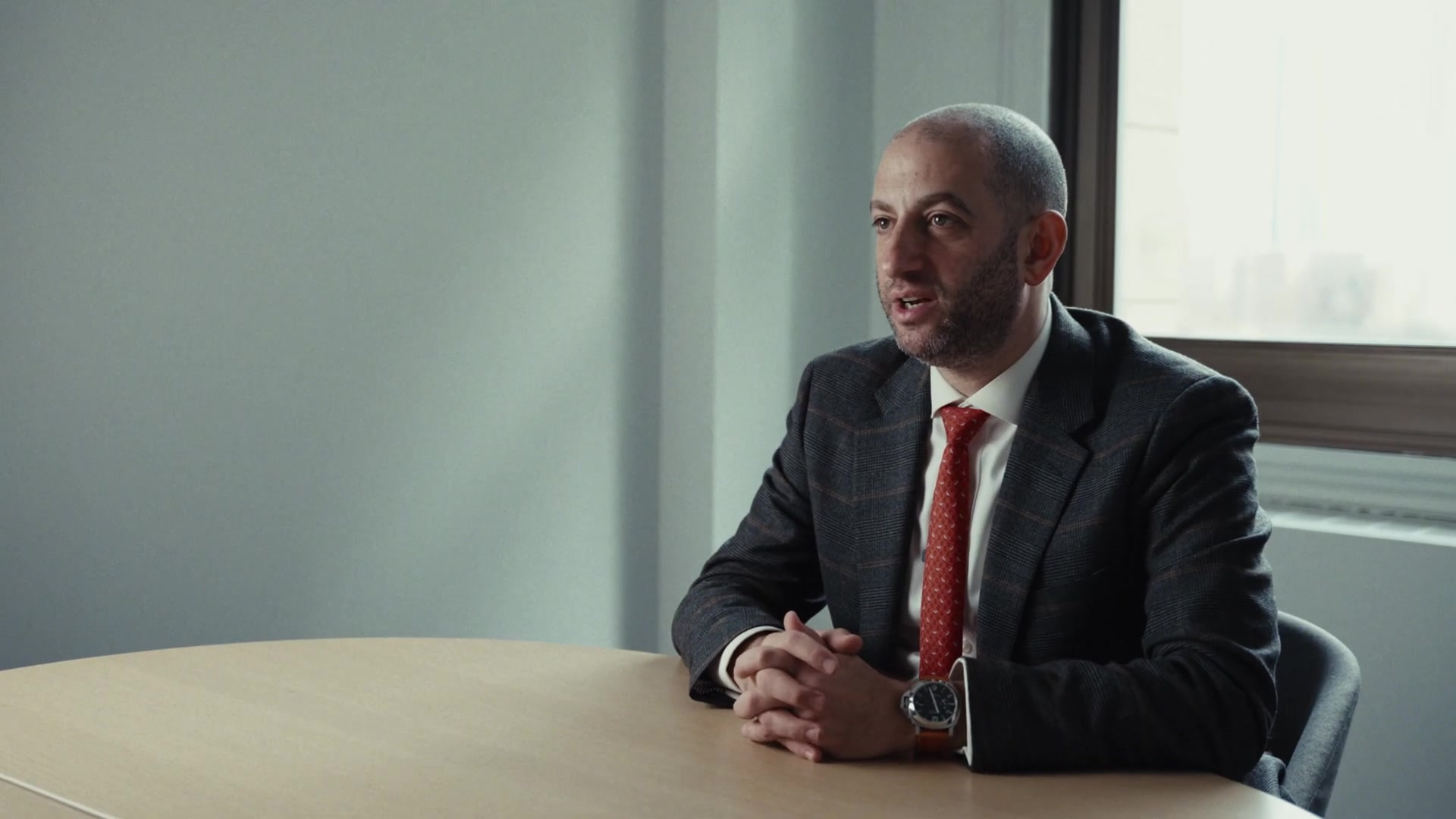
Sam Bankman-Fried Got 25 Years: What 2024-2025 Conspiracy Sentences Look Like
Defense Team Spotlight
Todd Spodek
Lead Attorney & Founder
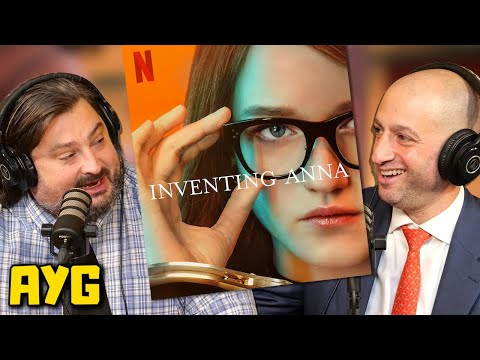
Featured on Netflix’s “Inventing Anna,” Todd brings decades of experience defending clients in complex criminal cases.
Multi-State Bar
Federal Courts
US Supreme Court
Meet the Full Team →
When Spodek Law Group Takes Your Call
If your reading this because a former partner is cooperating, because you recieved a target letter mentioning conspiracy, because your lawyer told you that Pinkerton liability might apply to your situation - the time for research is over. The time for action began the moment that first co-defendant decided to cooperate. Todd Spodek understands how federal conspiracy prosecutions unfold. The government builds there case through cooperation. Each cooperator adds to the evidence against remaining defendants. By the time trial arrives, the last defendant standing faces not just the government - they face the testimony of everyone who decided that cooperation was the better option. The decisions you make in the next 72 hours will determine wheather your one of the defendants who cooperates from strength - or one of the defendants who faces trial alone. Call 212-300-5196 for a confidential consultation. The call is protected by attorney-client privilege. Nothing you tell us can be used against you. That means you can be completley honest about what happened - even if you think your part of a conspiracy. Conspiracy charges are survivable. People beat them. People negotiate favorable resolutions. People minimize there exposure and preserve there futures. But the window for action closes faster than in any other federal case, because every day that passes is a day another defendant might decide to cooperate. Spodek Law Group handles federal conspiracy matters across the country. We understand how Pinkerton liability works. We understand the co-conspirator hearsay exception. We understand the prisoner's dilemma that prosecutors design into every multi-defendant case. We've helped clients navigate that dilemma and emerge with outcomes that seemed impossible when they first called. The agreement you made - or that prosecutors say you made - is federal jurisdiction. The question is wheather you'll act before your co-conspirators make the decision for you.Frequently Asked Questions
No. You have the right to remain silent and the right to an attorney. Invoke both rights immediately and contact Spodek Law Group.
Every case is different. We offer free initial consultations to evaluate your case and discuss our fee structure.
An arraignment is your first court appearance where charges are formally read. You enter a plea and bail may be set. Having an attorney present is critical.
Facing Criminal Charges And Have Questions? We Can Help, Tell Us What Happened.