
Government Contractors: What to Do When Under Investigation
Government contractors are businesses in the private sector who offer their services to select departments, often at a federal level. Receiving a government contract can be a serious boon for a company's prospects, but they need to make sure to follow the laws regarding contracts. These are some of the things to look out for if you're undergoing investigation as a government contractor.What Warrants an Investigation?
The history of corruption with government contractors means that law enforcement officers need to keep tabs on those working with the government. Just having a contract isn't grounds for investigation, but suspicious activity can be sussed out with minimal difficulty by experienced law enforcement officials. A government contract contains information that all parties need to recognize as true in order for it to be valid. If there's information that you present as truthful when it's fraudulent, such as forged licensure, you could be facing charges of fraud.Common Reasons for Government Contractor Investigations
| Type of Violation | Examples | Potential Charges |
|---|---|---|
| Fraudulent Information | Forged licensure, false credentials, misleading claims | Fraud charges |
| Bribery | Bribing government officials to secure contracts | Federal bribery and corruption charges |
| Sanctions Violations | Working with restricted nations, violating U.S. sanctions | Federal sanctions violations |
| False Documents | Presenting forged or altered documents to government | Document fraud, federal fraud charges |
| Misleading Claims | Misrepresenting capabilities, experience, or qualifications | Contract fraud |
How Do Government Contractors Find Themselves Under Investigation?
Government contractors often find themselves under investigation not for what they do while under contract but what they do to gain the contracts. Because of the ruthless competition to gain government contracts, businesses may try shady tactics to weed out their competition or to curry favor with the government officials awarding the contracts. In addition to presenting false documents and making misleading claims, a potential government contractor might try to bribe a government figure to secure a contract. Acceptance of the bribe could result in prosecution for the government figure as well.Tactics That Trigger Investigations
- Presenting false documents to government agencies
- Making misleading claims about qualifications or capabilities
- Bribing government officials to secure contracts
- Using shady tactics to eliminate competition
- Misrepresenting business credentials or licensure
Working with Restricted Nations
Being a government contractor means being entrusted with certain privileges. You may consider providing your services to other nations, but you need to ensure that you're not working with any nation that is explicitly restricted from doing business with the United States. This can include nations that are undergoing sanctions from the United States. If you're unsure about whether it's legal to do business with a country, consult with any trustworthy government officials.Understanding Sanctions Violations
| What You Need to Know | Why It Matters |
|---|---|
| Restricted Nations | Cannot do business with nations explicitly restricted by U.S. |
| Sanctions Programs | Some nations are under U.S. sanctions - working with them is illegal |
| Verify Before Acting | Check with OFAC or government officials before doing international business |
| Severe Consequences | Violations can lead to contract suspension and criminal prosecution |
Consequences for Violating a Government Contract
Being found in violation of federal, state or local laws as a government contractor could lead to the indefinite suspension of your business with the government. This could mean a loss of work for those who were hired as part of the project who had no part in the corruption, such as construction workers. You can also face prosecution for misleading the government or any other illegal acts.Potential Consequences
⚖ Legal Pulse: Key Statistics
15,000+
Federal Cases Filed Annually
90%
Plea Before Trial
| Consequence | Impact |
|---|---|
| Indefinite Suspension | Your business can no longer work with the government |
| Criminal Prosecution | Face federal charges for fraud, bribery, or other violations |
| Loss of Work | Employees and subcontractors lose work and income |
| Financial Penalties | Fines, restitution, and legal fees |
| Reputation Damage | Business reputation destroyed, difficulty securing future contracts |
| Debarment | Permanent prohibition from government contracting |
How to Know If You're Being Investigated
Even if you haven't been charged with a crime as a government contractor, you may be under investigation. Being confronted by law enforcement regarding your business dealings is a sure sign of an investigation. Be careful about answering any question, as you might end up unwittingly incriminating yourself. Your right to remain silent is very important during an investigation.Warning Signs You're Under Investigation
| Warning Sign | What to Do |
|---|---|
| Confronted by Law Enforcement | Exercise your right to remain silent; contact attorney immediately |
| Questions About Business Dealings | Don't answer without attorney present |
| Subpoenas for Documents | Contact legal representation before responding |
| Interviews with Employees | Alert your legal team immediately |
| Audit of Records | May indicate investigation; consult attorney |
Finding a Lawyer
You need to get in touch with legal representation as soon as possible. If you have a legal team, discuss your options with them as soon as possible. They will advise you with how best to proceed through the rest of the investigation. You want to be as prepared as possible for any prosecution. You need legal counsel that's experienced with fighting cases on behalf of government contractors. A desirable lawyer will review your case thoroughly and locate any flaws in the case against you. The best way to thank them for their service is to get all the necessary documentation in order promptly.What to Look for in a Government Contractor Defense Attorney
| Quality | Why It Matters |
|---|---|
| Experience with Government Contractors | Attorney understands specific laws and regulations affecting contractors |
| Thorough Case Review | Will review your case and locate flaws in government's case |
| Federal Criminal Defense Experience | Knows how to handle fraud, bribery, and sanctions violations |
| Immediate Availability | Can respond quickly to protect your rights during investigation |
| Strategic Defense Planning | Advises how best to proceed through investigation and potential prosecution |
How to Prepare for Working with Your Attorney
- Get all necessary documentation in order promptly
- Gather all contracts, correspondence, and business records
- Create timeline of events related to investigation
- List all government officials you've worked with
- Document any international business dealings
- Be completely honest with your legal team
Your Rights During an Investigation
Even if you haven't been charged with a crime as a government contractor, you may be under investigation. Your right to remain silent is very important during an investigation. Being confronted by law enforcement regarding your business dealings is a sure sign of an investigation. Be careful about answering any question, as you might end up unwittingly incriminating yourself.Critical Rights to Remember

- Right to Remain Silent: You don't have to answer questions from law enforcement
- Right to Legal Counsel: You can and should contact an attorney immediately
- Right Against Self-Incrimination: Anything you say can be used against you
- Right to Refuse Searches: Without warrant, you can refuse consent to search
Steps to Take If You're Under Investigation
| Step | Action | Priority |
|---|---|---|
| 1 | DO NOT SPEAK to law enforcement without attorney | CRITICAL |
| 2 | Exercise right to remain silent | CRITICAL |
| 3 | Contact experienced attorney immediately | CRITICAL |
| 4 | Gather all documentation related to contracts | High |
| 5 | Review all business dealings with foreign nations | High |
| 6 | Don't discuss case with anyone except attorney | High |
| 7 | Follow attorney's advice on how to proceed | Ongoing |
Understanding Government Contract Fraud
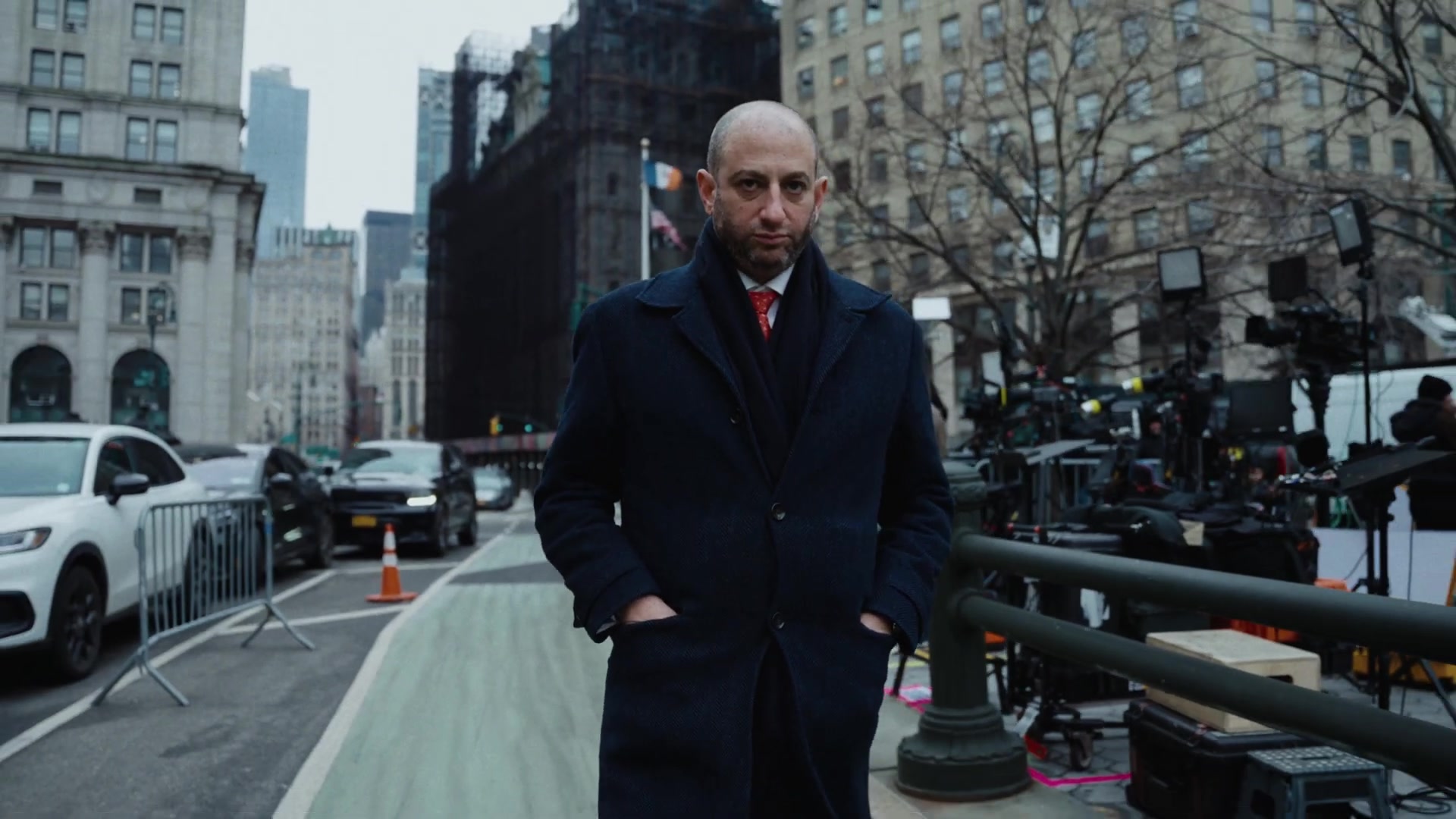
Defense Team Spotlight
Todd Spodek
Lead Attorney & Founder
Featured on Netflix’s “Inventing Anna,” Todd brings decades of experience defending clients in complex criminal cases.
Multi-State Bar
Federal Courts
US Supreme Court
Meet the Full Team →
Why Investigation Happens Before Contract Work
Government contractors often find themselves under investigation not for what they do while under contract but what they do to gain the contracts. Because of the ruthless competition to gain government contracts, businesses may try shady tactics to weed out their competition or to curry favor with the government officials awarding the contracts. This is why bribery and fraudulent documents are common triggers for investigations.The Impact on Your Business and Employees
Being found in violation of federal, state or local laws as a government contractor could lead to the indefinite suspension of your business with the government. This could mean a loss of work for those who were hired as part of the project who had no part in the corruption, such as construction workers. The ramifications extend beyond just the business owner to affect employees, subcontractors, and their families.Staying Compliant as a Government Contractor
Becoming a government contractor can help launch your company to new peaks, but being caught up in a criminal investigation can lead to all sorts of problems that are difficult to untangle yourself from. If you believe or learn that you're under investigation, make sure that you consult with your lawyer. You want to stay abreast of the law and be in full compliance of it.Best Practices for Compliance
- Ensure all information in contracts is truthful and accurate
- Never present forged or fraudulent documents
- Don't engage in bribery to secure contracts
- Verify all international business dealings comply with U.S. sanctions
- Maintain transparent and honest business practices
- Keep thorough documentation of all business transactions
- Consult with legal counsel before making questionable decisions
Key Takeaways for Government Contractors
- Just having a contract isn't grounds for investigation, but suspicious activity triggers scrutiny
- Fraudulent information like forged licensure leads to fraud charges
- Investigations often focus on how contracts were obtained, not just contract performance
- Bribing government officials can result in prosecution for both parties
- Working with nations under U.S. sanctions is illegal
- Violations can lead to indefinite suspension from government contracting
- Being confronted by law enforcement is a sure sign of investigation
- Exercise your right to remain silent - don't incriminate yourself
- Contact experienced legal representation immediately
- You need an attorney experienced with government contractor cases
Protect Your Business: Act Immediately
If you believe or learn that you're under investigation, make sure that you consult with your lawyer. You need to get in touch with legal representation as soon as possible. If you have a legal team, discuss your options with them as soon as possible. They will advise you with how best to proceed through the rest of the investigation. Being caught up in a criminal investigation can lead to all sorts of problems that are difficult to untangle yourself from, so immediate action is essential.Frequently Asked Questions
No. You have the right to remain silent and the right to an attorney. Invoke both rights immediately and contact Spodek Law Group.
Every case is different. We offer free initial consultations to evaluate your case and discuss our fee structure.
An arraignment is your first court appearance where charges are formally read. You enter a plea and bail may be set. Having an attorney present is critical.
Facing Criminal Charges And Have Questions? We Can Help, Tell Us What Happened.