
New York Tax Law and Criminal Tax Fraud
New York's voluminous tax code includes a number of different criminal provisions in addition to civil penalties that can be levied against those who refuse to comply. One of the most commonly charged crimes is criminal tax fraud in the fifth degree. Included in New York Tax Law section 1802, criminal tax fraud in the fifth degree occurs when a person commits a criminal tax fraud act. Given that there are five degrees of tax crimes under New York law, this is the least serious. That doesn't mean that defendants are in the clear, though. Tax fraud in any degree has serious consequences. Those accused should find a good lawyer.Statutory Language for Fifth Degree Tax Fraud
Criminal tax fraud in the fifth degree has a simple definition with more complicated consequences. The law simply states that a person commits this crime at this level when he or she commits a tax fraud act. The code provides many examples of things that constitute a tax fraud act. Failing to sign any writing required by the tax code or causing another person to fail to sign a writing is a fraudulent act. Falsely signing any tax document with an intent to defraud the state is a fraudulent act. These may seem like "process" crimes, but they are intended to keep people from abusing the self-reporting system that underpins the tax system. In addition to the prohibitions against problems in reporting, tax fraud in the fifth degree also covers engaging in any scheme designed to defraud the state of any revenue which it is due. Failing to pay any tax that is due also qualifies as a tax fraud act. The statute is necessarily broad so that it can cover a huge amount of wrongful conduct. Some consider it to be a catch-all that can be used to criminalize conduct that goes against the spirit of the tax code and the state's tax collection scheme.Liability for Third Parties
One of the most important elements of criminal tax fraud in the fifth degree is the liability it places on third parties. In addition to holding responsible those who make material false statements and fail to live up to their duties under the law, it makes it illegal to assist another or direct another in doing so. Ideally, this puts the onus on lawyers, accounting professionals, and tax advisers who fail in their duty and push unlawful conduct. The law thus becomes something of a backstop to encourage professionals to be both vigilant and careful in their advisement and reporting.Requirement of Knowing Conduct
⚖ Legal Pulse: Key Statistics
15,000+
Federal Cases Filed Annually
90%
Plea Before Trial
Punishment for Tax Fraud in the Fifth Degree
As a fifth degree crime, this level of tax fraud carries lower penalties than other more serious levels. People who engage in long-term, ongoing tax fraud that robs the state of large quantities of money are likely to be charged with more serious versions of this crime. Those charged with fifth degree fraud face misdemeanor punishment. This means that the maximum period of incarceration is one year rather than the multi-year or decade prison sentences that might go along with a more serious form of fraud. Still, time spent in jail and a potential fine are serious enough punishments that those accused of fifth degree tax fraud should consult a skilled attorney to defend them in the case. Don't deal with criminal Tax Fraud in the Fifth Degree: NY Tax Law 1802 alone. Speak to the Spodek Law Group today.Overview of Fifth Degree Criminal Tax Fraud
Criminal tax fraud in the fifth degree is a serious crime under the New York State Penal Code 1802. As a class A misdemeanor, a conviction of this violation carries a penalty of up to one year in jail or a three-year probationary term. Additionally, an individual convicted of fifth degree tax fraud may also be required to pay a fine of up to $1,000 or equivalent to twice the amount of the monetary gain represented by the crime.The Basics of Fifth Degree Criminal Tax Fraud
New York law requires that an individual willingly fails to "make, render, sign, certify, or file" documents related to income tax returns, or reports required to be filed under the law. Additionally, the same conditions apply in instances where the individual causes another to willingly violate the terms of the criminal tax fraud act. A second condition of this act also establishes that knowledge of false or misleading statements or information is also a factor in establishing tax fraud. This includes omitting information on documents filed with any state office or representative in relation to the filing of returns and reports. Similarly, a third condition gives greater clarification by establishing the supply of any false or fraudulent information given on a return, audit, or investigation may constitute another charge of criminal tax fraud. The law also provides for the act of scheming to defraud the government at any level through deception for the purposes of profit or avoiding the payment of taxes. Following these conditions, New York State Penal Code 1802 also covers the collection of taxes and failure to pay as a condition of tax fraud. Where an individual is required to remit payment to the state, or a representative or office of that state, the individual is also guilty of tax fraud. By failure to pay, the state may choose to prove an intent to evade paying taxes, which establishes a separate count of the law. Finally, the criminal tax fraud law in New York State also establishes that claiming an exemption, where none exists, is also an element of tax fraud. To prove this condition, however, the state must be able to show you filed for an exemption for which you knew you did not qualify. In such a case, the state may seek to show that you either omitted information or supplied misleading or false information in order to qualify for the exemption.
Defending Against Criminal Tax Fraud
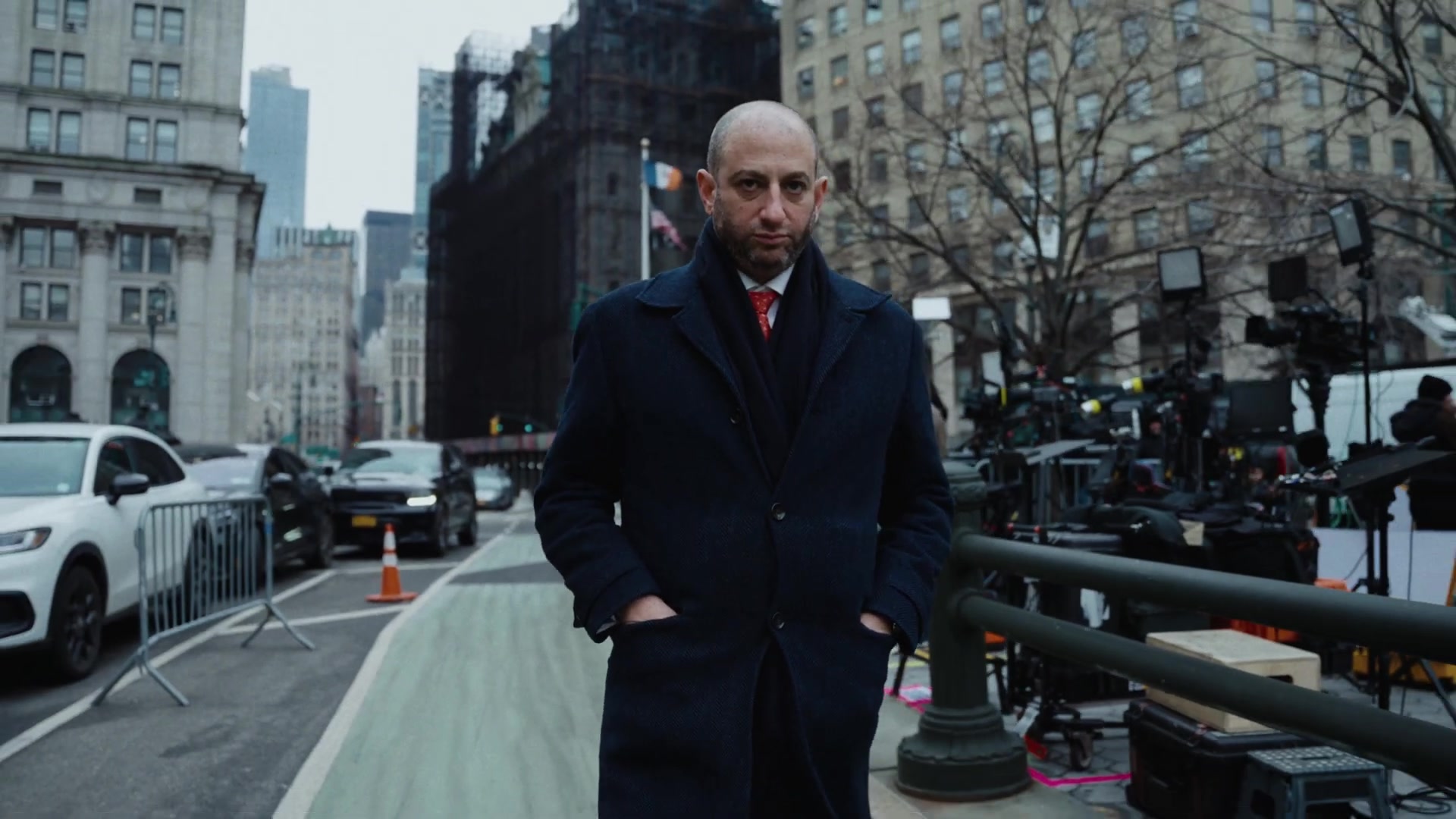
Defense Team Spotlight
Todd Spodek
Lead Attorney & Founder
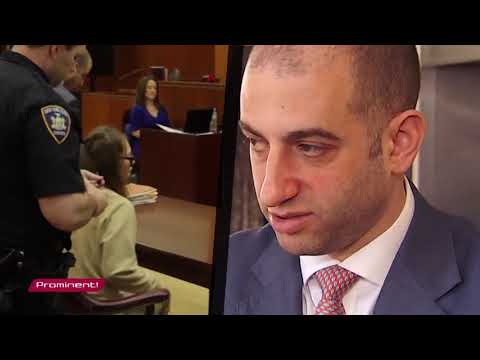
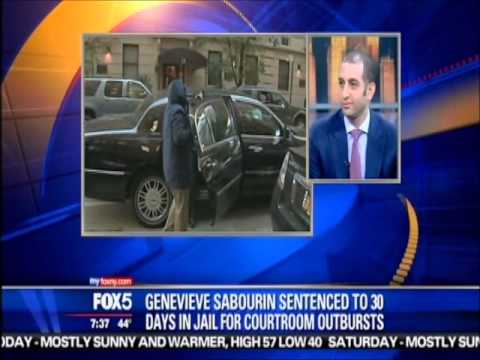
Featured on Netflix’s “Inventing Anna,” Todd brings decades of experience defending clients in complex criminal cases.
Multi-State Bar
Federal Courts
US Supreme Court
Meet the Full Team →
Frequently Asked Questions
No. You have the right to remain silent and the right to an attorney. Invoke both rights immediately and contact Spodek Law Group.
Every case is different. We offer free initial consultations to evaluate your case and discuss our fee structure.
An arraignment is your first court appearance where charges are formally read. You enter a plea and bail may be set. Having an attorney present is critical.
Facing Criminal Charges And Have Questions? We Can Help, Tell Us What Happened.