

The Investigation Started Years Before You Knew
Most people beleive that an investigation begins when law enforcement makes contact. That might be true for local police. That might be true for some state investigations. It is not true for DEA drug diversion cases. By the time DEA agents present there credentials at your front desk, theyve been watching you for years. The typical DEA investigation runs 24 to 32 months from initial data gathering to the moment agents show up at your door. One defense attorney who tracks these cases calculated an average of 547 days - roughly 18 months - just from the raid to the indictment. That dosent include the year or more of surveillance that came before the raid ever happened. Heres what that timeline means for you practicaly. While you were seeing patients, filling prescriptions, and living your normal life, DEA analysts were running your prescription data through algorithms designed to flag statistical outliers. They were comparing your patterns to regional averages. They were building a file on you that grew thicker every single month. And you had absolutly no idea any of this was happening. The knock on your door isnt the start of an investigation. Its the moment they decided you needed to know about it - because there ready to move forward.The Databases DEA Accesses Without a Warrant
This is were it gets really problematic for everyone who thinks there medical practice is private. Unlike most law enforcement agencies, DEA can demand your records through whats called an administrative subpoena. This is not a search warrant. This is not approved by a judge. Under 21 U.S.C. Section 876, a Special Agent-in-Charge or a Diversion Program Manager can sign and issue an administrative subpoena without any judicial oversight whatsoever. They dont need probable cause. They dont need to convince anyone that your doing something wrong. They just need to beleive the records are "relevant or material" to there investigation. And heres the part that should actualy concern you if your a healthcare provider. State Prescription Drug Monitoring Programs - the PDMPs that were supposedly created to help doctors prevent patient overdoses - have become surveillance tools for federal law enforcement. DEA uses administrative subpoenas to access this data, and courts have consistantly ruled that you have no reasonable expectation of privacy in these records. The Oregon case is instructive. Oregon created a PDMP with robust privacy protections, including a state law requirement that law enforcement obtain a court-ordered warrant before requesting prescription records. When DEA started issuing administrative subpoenas for this data, Oregon refused to comply. The district court actually ruled in Oregons favor in 2014, holding that patients have a reasonable expectation of privacy in prescription records. But the Ninth Circuit reversed on appeal in 2017. Not because patients dont deserve privacy - but becuase federal authority under the Controlled Substances Act preempts state privacy laws. A Utah federal court went even further, ruling that "physicians and patients do not have a reasonable expectation of privacy in the highly regulated prescription drug industry." Think about what this means practicaly. Every prescription you have written for a controlled substance over the past several years. Every Schedule II medication you have dispensed from your pharmacy. Every refill pattern that might look unusual to an algorithm looking for statistical outliers. Every time you prescribed outside what the software consideres "normal" for your specialty. All of it is accessable to DEA without a warrant, without a judge, without any of the constitutional protections you assumed existed. They have been analizing your data while you were completly unaware that anyone was watching.DEA Form 82: The Rights They Wont Read Aloud
A DEA drug diversion investigation will typicaly begin with the issuance of a Notice of Inspection - DEA Form 82. An investigator shows up at your practice and presents this form. What happens next determins whether you keep your career or lose everything. Heres what most people dont know about Form 82. It explicitly lists six constitutional rights you have during this encounter. According to 21 CFR 1316.06, the form must inform you:- That you have the constitutional right not to have an administrative inspection made without an administrative inspection warrant
- That you have the right to refuse to consent to such an inspection
- That anything of an incriminating nature which may be found may be seized and used against you in a criminal prosecution
- That you have been presented with a notice of inspection
- That the consent is given by you voluntarily and without threats of any kind
- That you may withdraw your consent at any time during the course of inspection
Administrative Death Before Criminal Charges
⚖ Legal Pulse: Key Statistics
15,000+
Federal Cases Filed Annually
90%
Plea Before Trial
The 50-Year Cascade
The consequences dont stop at one license in one state. If you receive any discipline on your pharmacist or physician license, it triggers a mandatory report to the National Practitioner Data Base. That report remains there for 50 years. Not five years. Not ten years. Fifty years. And heres the cascade effect that most professionals dont anticipate until its happening to them. If you hold licenses in multiple states - which many healthcare providers do - each state will independently initiate investigation and possible disciplinary action against you in that jurisdiction. One attorney reported a client who held licenses in seven states. When action was taken in the primary state, all seven other states initiated there own proceedings. The DEA registration is connected to basicly everything in your professional life. When DEA revokes or suspends your registration, state licensing boards recieve notification immediatly. Insurance companies recieve notification. Hospital privileges are affected and often terminated. Group practice agreements are jeopardized or cancelled outright. Malpractice insurance becomes nearly imposible to obtain. One administrative action triggers a chain reaction that spreads across every professional relationship you have ever built. This is why the "just cooperate and it will go away" approach is so dangerous in DEA investigations. You are not just facing one proceeding with one potential outcome. You are facing a cascade that can spread across your entire professional existence.What DEA Agents Can Legally Do To You
The asymmetry between what agents can do and what you cannot do is striking. DEA diversion investigators can legally:- Show up at your practice without warning during business hours
- Present Form 82 without reading your rights aloud
- Wait silently while you sign away your constitutional protections
- Access your prescription monitoring data without judicial oversight
- Interview your employees about your practices
- Request patient records under administrative authority
- Build a file on you for years without your knowledge
- Make representations about the seriousness of the investigation
- Suggest that cooperation will help your situation
- Refer findings to both criminal prosecutors and licensing boards simultaneously
- Make any inaccurate statement, even accidentally or due to faulty memory
- Misremember dates, prescription amounts, or patient conversations from years ago
- Speculate about what might have happened when you dont remember clearly
- Say anything that contradicts records they already have
- Assume your medical records are private from law enforcement
- Trust that administrative cooperation will prevent criminal referral
- Believe that explaining yourself will make the investigation go away

The First Words That Save Your Career
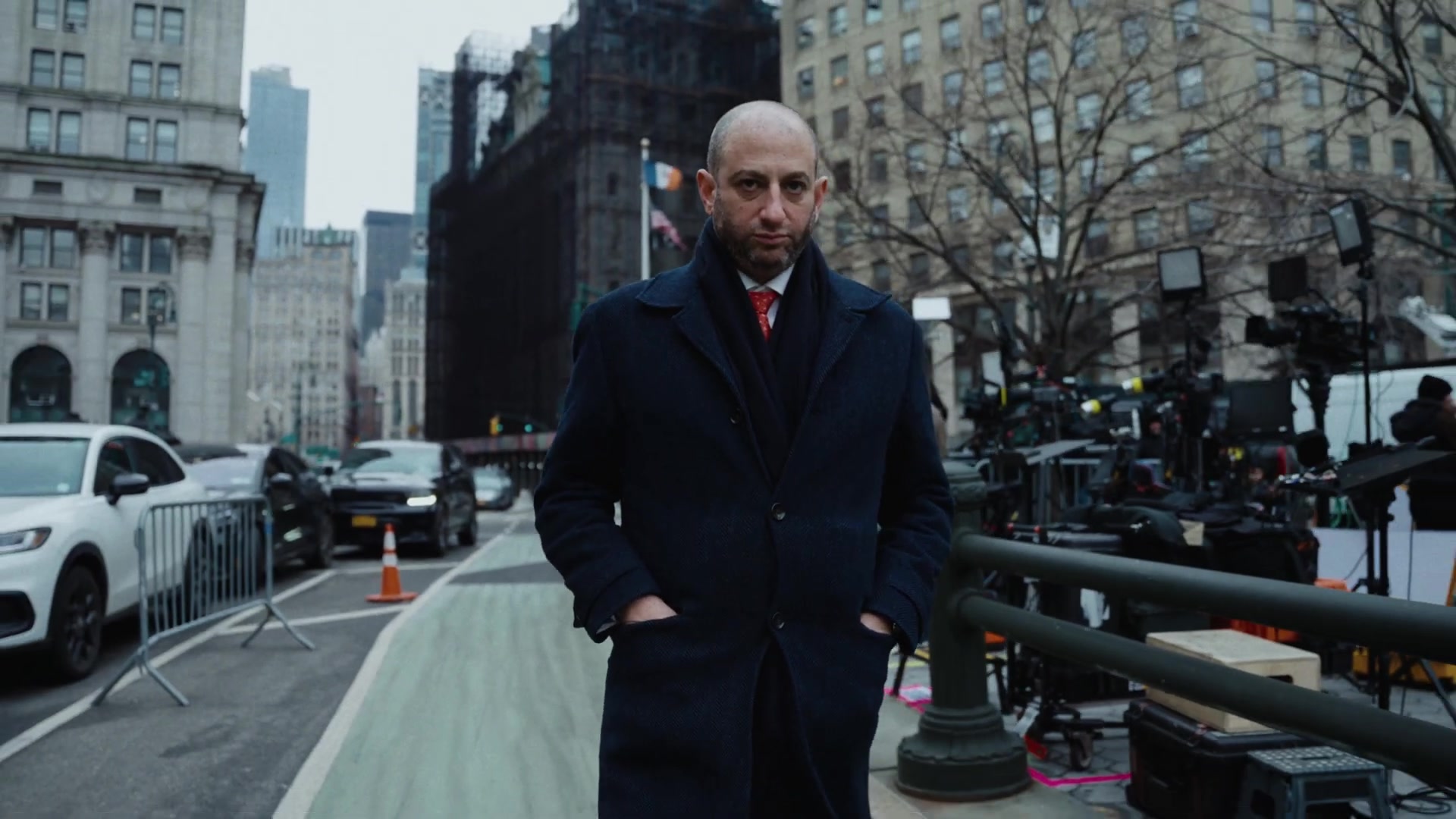
Defense Team Spotlight
Todd Spodek
Lead Attorney & Founder
Featured on Netflix’s “Inventing Anna,” Todd brings decades of experience defending clients in complex criminal cases.
Multi-State Bar
Federal Courts
US Supreme Court
Meet the Full Team →
When They Already Have Your Records
Maybe your reading this to late. Maybe you already signed Form 82. Maybe the inspection happened and now your worried about what they found and how they will use it. Do not contact DEA to explain, clarify, or correct anything. This is the instinct that makes things worse almost every time. You realize something in your records might look bad. You want to explain the context. You want to clarify why that prescription pattern existed. You want to get ahead of the problem. Every word you say creates additional documented statements that can be analyzed for inconsistencies. Every explanation you offer can be compared to records they already have. Every clarification becomes potential evidence of consciousness of guilt if it differs from what they previously found. Contact a federal criminal defense attorney immediately instead. At Spodek Law Group, weve helped clients who cooperated before they understood the risks. Its not the ideal situation - but its not hopeless either. The attorney can potentially:- Determine what was actually documented during the inspection
- Identify potential exposure from statements already made
- Intervene with prosecutors before charging decisions are finalized
- Prepare for administrative proceedings that may run parallel to criminal investigation
- Protect you from additional contact that could worsen the situation
- Navigate the intersection between criminal prosecution and licensing consequences
DEA agents showing up at your practice or home is one of the most career-threatening moments in any healthcare providers life. Everything feels urgent. You want to explain yourself. You want to demonstrate that you are a good doctor, a careful pharmacist, a professional who follows the rules. But the system is not designed to hear your explanations and send you on your way. The system is designed to use your natural instincts against you. Your desire to cooperate, your confidence in your own records, your assumption that transparency will be rewarded - these are the exact vulnerabilities that create both criminal and administrative exposure. Call Spodek Law Group at 212-300-5196 today. The conversation you have with us is privileged and protected. Unlike your conversation with DEA agents, nothing you tell your lawyer can be used against you. That is the only safe place to explain your situation without creating additional risk.
Sources:
- 21 U.S.C. Section 876 - Administrative Subpoena Authority
- 21 CFR 1316.06 - Consent to Inspection Requirements
- DOJ Operation Profit Over Patients Announcement
- ACLU Challenge to DEA Prescription Record Access
- 21 U.S.C. Section 824 - DEA Registration Revocation Authority
Frequently Asked Questions
No. You have the right to remain silent and the right to an attorney. Invoke both rights immediately and contact Spodek Law Group.
Every case is different. We offer free initial consultations to evaluate your case and discuss our fee structure.
An arraignment is your first court appearance where charges are formally read. You enter a plea and bail may be set. Having an attorney present is critical.
Facing Criminal Charges And Have Questions? We Can Help, Tell Us What Happened.