
Double-Dipping: Taking Both PPP and EIDL for Same Purpose
You took a PPP loan. You also took an EIDL loan. And now you are terrified that federal prosecutors are calling this "double-dipping" and treating it as fraud. Here is the thing nobody told you in 2020: taking both loans was completely legal. The government actively encouraged businesses to apply for both programs. The SBA disbursed both loans to millions of companies. If taking both were inherently criminal, why would the government have approved both applications? Welcome to Spodek Law Group. Our goal is to cut through the confusion that is now being weaponized against business owners. The crime is not taking both programs. The crime is using both programs for the same expense during the same covered period. That distinction matters enormously for your defense - and most defendants do not understand it until prosecutors have already framed the case against them. The inversion that destroys people is this: you thought you were being responsible by accessing every available relief program during a crisis. You thought separate programs meant separate purposes. You thought if the government approved both applications, you must have been doing something right. Now prosecutors are arguing that any overlap between your PPP expenses and your EIDL expenses constitutes federal fraud. And the way they define "overlap" is far more aggressive than most defendants expect.Yes, You Could Take Both: What "Double-Dipping" Actually Means
Lets start with what should have been obvious but apparently wasnt: the SBA explicitly allowed businesses to receive both PPP and EIDL loans. This wasnt a loophole. It wasnt an oversight. The programs were designed to work together. PPP was meant for payroll protection during the covered period. EIDL was meant for broader working capital needs. A business could legitimatly need both. The SBA's own guidance stated that you could apply for both programs as long as you didnt use the funds for the same exact expenses. Thats the rule. Same exact expenses. Not "similar expenses" or "related expenses" or "expenses in the same month." The prohibition was against literal duplication - paying the same invoice with both programs. Heres were the confusion starts destroying people. The SBA said you couldnt use EIDL and PPP for the "same purpose." But "same purpose" is not the same as "same expense." Prosecutors have interpretted "same purpose" to mean same category of expense during overlapping time periods. So if you used PPP for April payroll and EIDL for April rent, some prosecutors argue thats "double-dipping" becuase both were used for operating expenses in April. Thats a much broader interpretation then what the SBA guidance actually said. The government approved your applications for both programs - then later reinterpretted the rules to prosecute you for using what they approved. The OMB formalized this in Memorandum M 20-26, which states that federal programs prohibit reimbursement from two sources for the same expense. Notice the word: same EXPENSE. Not same purpose, not same category, not same month. Same expense. But prosecutors dont always read it that narrowly.The Covered Period Problem: Same Month, Same Expense, Same Crime
Theres another aspect of this that most people dont understand until there already in trouble. The covered period creates a temporal trap that prosecutors exploit aggresively. The "covered period" is were most double-dipping cases live or die. PPP loans had a specific covered period - originaly 8 weeks, later extended to 24 weeks - during which you had to use the funds for eligable expenses to qualify for forgiveness. EIDL loans didnt have a covered period in the same way becuase they werent forgiveable - but they were ment for economic injury occuring during the pandemic. Heres the consequence chain that traps defendants. You recieve PPP in April 2020 with an 8-week covered period running through May. You recieve EIDL in May 2020. During May, you use PPP funds for payroll and EIDL funds for rent. Is that double-dipping? The answer should be no - payroll and rent are diffrent expenses. But heres how prosecutors frame it: both were operating expenses. Both were used to keep your buisness running during the same month. Both could have been paid with either program. Therefore, the argument goes, you "double-dipped" by getting funding from two programs for the same purpose: keeping your buisness operational. That interpretation is agressive. Its not what the SBA guidance said. But its what some prosecutors argue, and judges dont always reject it. OK so think about what this means for your defense. If you kept meticulous records showing exactly which expense was paid with which fund, you can demonstrate there was no actual duplication. You used PPP for payroll expenses A, B, and C. You used EIDL for rent, utilities, and working capital expenses D, E, and F. No overlap. No duplication. No double-dipping by any reasonable interpretation. But if you commingled funds? If you deposited both into the same account and just paid expenses as they came? Now you cant prove which fund paid which expense. And prosecutors will argue the lack of segregation proves you were treating both programs as a single funding source - which supports there theory of intentional duplication. And heres the irony that makes this so frustrating. During 2020, nobody - not the SBA, not the banks, not the accountants - was telling buisness owners to create elaborate tracking systems. The guidance was rushed. The applications were approved in days. The money arrived before anyone had time to set up proper segregation procedures. You were in survival mode, trying to keep employees paid and doors open. Now that survival mode is being recharacterized as evidence of criminal intent. The chaos the government created is being used to prosecute the people who tried to navigate it.Multi-Entity Owners: Why Your Separate LLCs Made It Worse
Heres were the exposure gets exponentialy worse. If you own multiple buisnesses, each with its own LLC, each with its own employees and legitamate operations, each entity could legally apply for PPP and EIDL seperately. Thats not fraud. Thats following the rules. Each entity qualified individualy. But prosecutors dont see it that way. They see one person controlling multiple entities. They see applications filed around the same time. They see funds flowing between related companies. And they charge conspiracy under 18 USC 371. Todd Spodek has represented clients who genuinly operated seperate buisnesses with seperate employees doing diffrent work. Each buisness had legitamate payroll, legitamate rent, legitamate operating expenses. Each qualified for relief programs on its own merits. But becuase the same person owned them all, prosecutors argued the owner was "coordinating" a scheme to extract maximum funds from the government. Thats the inversion most buisness owners miss. You thought having seperate entities with seperate operations protected you. It actualy created additional liability. Now instead of one potential fraud charge, you face conspiracy charges that aggregate all applications across all entities. The exposure dosent add - it multiplies. Multi-entity owners face conspiracy charges even when each entity legitimatly qualified for the programs, becuase prosecutors argue the owner "coordinated" applications across buisnesses. And heres the worst part about conspiracy charges. Even if only one entity actualy double-dipped on expenses, the conspiracy charge ties all entities together. You can be held liable for conduct that occured at Entity B even if you were primarly involved with Entity A. The "agreement" to defraud is inferred from your control over all entities. Consider what this means practicaly. You own three restaunts under three seperate LLCs. Each has its own location, its own employees, its own financial statements. Each legitimatly applied for PPP based on its own payroll. Each legitimatly applied for EIDL based on its own economic injury. But prosecutors look at the three applications and see one person getting three PPP loans and three EIDL loans. They add up the total - maybe $800,000 across all programs - and suddenly your a major fraud defendant instead of three seperate small buisness cases. The aggregation dosent just affect perception. It affects sentencing. Under the federal sentencing guidelines, fraud amount is a primary driver of sentence length. Three $100,000 frauds treated seperatly might result in relatively modest sentencing recommendations. One $600,000 conspiracy results in substanially higher exposure. Same conduct, radically diffrent outcome based purely on how prosecutors choose to frame it.The Paper Trail That Determines Everything
⚖ Legal Pulse: Key Statistics
15,000+
Federal Cases Filed Annually
90%
Plea Before Trial
- Seperate bank accounts for PPP and EIDL funds
- Contemporanious records showing which account paid which expense
- Evidence that expense categorys were differentt between programs
- Forgiveness applications showing the specific expenses claimed under PPP
- Records demonstrating you followed SBA guidance available at the time
- Comingled funds in a single account
- No documentation of which fund paid what
- Using both programs for the same category of expense in the same period
- Forgiveness applications that conflict with EIDL usage
- Evidence you ignored SBA guidance or knew you were duplicating
How They Find You: Cross-Referencing PPP and EIDL Databases
The COVID-19 Fraud Enforcement Task Force dosent investigate cases randomly. They run data queries. They cross-reference databases. They identify patterns that suggest fraud and then build cases around those patterns. Heres what the cross-reference reveals. Every PPP forgiveness application contains a list of expenses you claimed. Every EIDL application contains information about what you planned to use funds for. When those overlap, a flag goes up in the system. An algorithm identifies your file as a potential double-dip case. An analyst reviews the overlap. If it looks bad enough, an investigation opens. The investigation pulls your bank records. They can see exactly when PPP funds were deposited and when EIDL funds were deposited. They can see what checks you wrote and when. They can see transfers between accounts. They can reconstruct your entire cash flow during the covered period. Think about what this means. The government has access to data you may not even remember creating. Statements you made on applications three or four years ago. Bank records you havent looked at since. Email correspondance with your bank or accountant. All of it gets compiled into a case file that tells a story - and prosecutors get to choose what story it tells. At Spodek Law Group, we emphasize getting ahead of this process. If you havent been charged yet but suspect your at risk, proactive engagement is often better then waiting for the knock on the door. We can analyze your records before prosecutors do. We can identify vulnerabilities. We can develop defense narratives. We can sometimes steer cases toward civil resolution before criminal charges are filed.
The 2024-2025 Sentencing Reality: 40% Longer
The judicial climate has shifted dramaticly against pandemic fraud defendants. According to defense attorney analysis, sentences in 2024-2025 are averaging 40% longer then sentences for identical conduct in 2021-2022. The leniency window is closed. Consider Venester Fayne, a Missouri woman who pleaded guilty in October 2024 to wire fraud and money laundering after obtaining $600,284 in fraudulent PPP and EIDL loans using fake tax documents. She faces up to 30 years in prison. Sentencing was scheduled for February 2025. A Florida defendant who obtained PPP, EIDL, and Shuttered Venue Operator Grants fraudulently - then used the money to buy two Teslas, a Lamborghini, a Porsche, and jewelry - recieved 71 months. A Philadelphia banker running a PPP scheme got 65 months. These arnt outliers. There the new normal. Judges have processed thousands of COVID fraud cases since 2020. Theyve heard every excuse. There no longer receptive to claims of confusion or misunderstanding. The sympathy that might have existed in 2021 is gone. And prosecutors have time. The statute of limitations was extended to 10 years, meaning the government has until 2030, 2031, or 2032 to charge you for applications filed during the pandemic. If you think theyve forgotten about you becuase nothing happened in the first few years, your wrong. Investigations take time. Smaller cases get prioritized below larger ones. But they work threw the list eventualy. Heres the reality of the current enforcement climate. The DOJ has made pandemic fraud a priority. Press releases anouncing arrests and convictions generate headlines. Every U.S. Attorneys office has pending cases. The question isnt wheather enforcement is happening - its wheather your case is in the queue yet. And with a 10-year statute of limitations, you wont know the answer to that question for years. The uncertainty itself is part of the punishment.Civil Resolution: The Path Most Defendants Miss
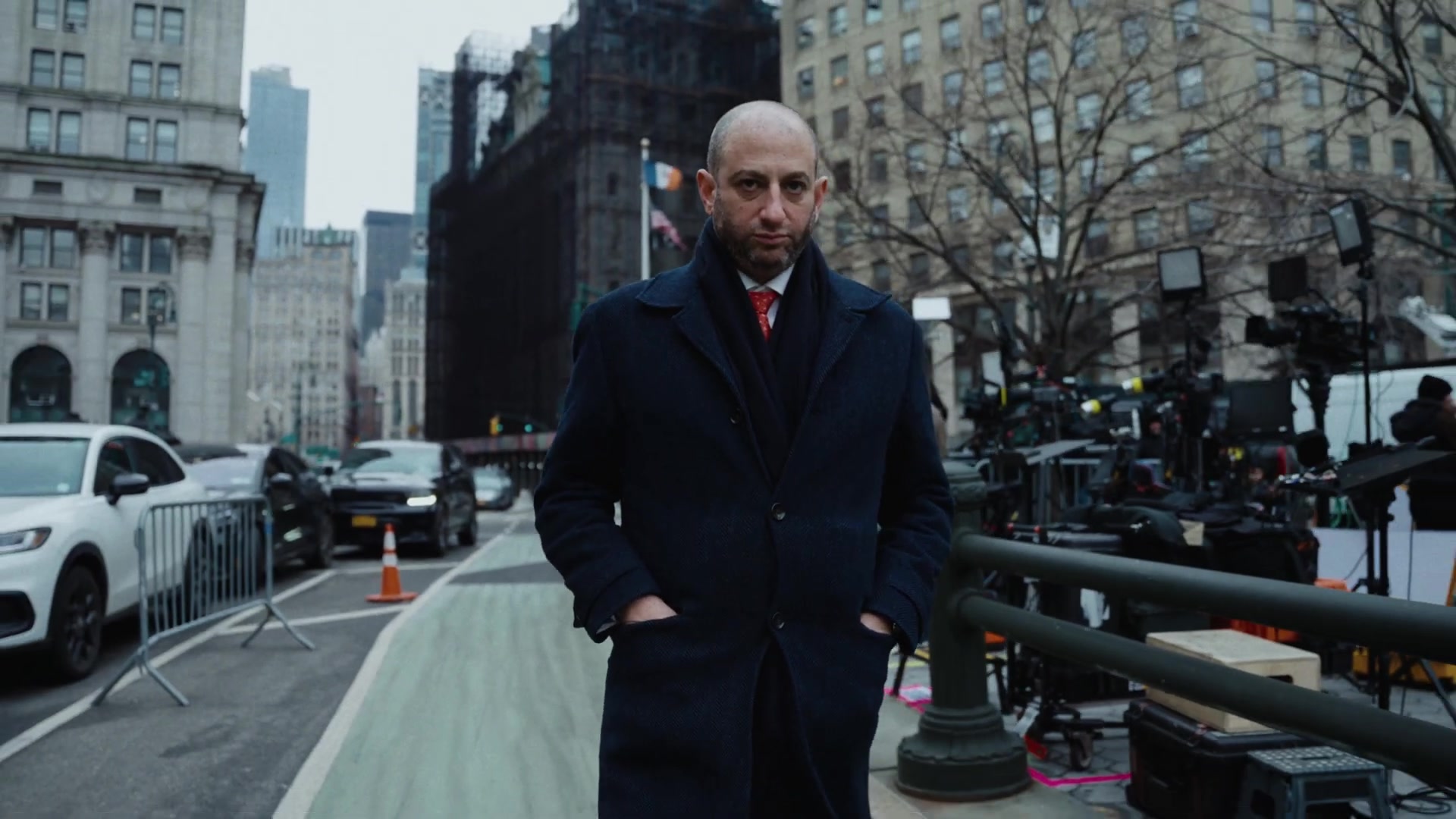
Defense Team Spotlight
Todd Spodek
Lead Attorney & Founder
Featured on Netflix’s “Inventing Anna,” Todd brings decades of experience defending clients in complex criminal cases.
Multi-State Bar
Federal Courts
US Supreme Court
Meet the Full Team →
- Dollar amount involved
- Prior criminal history
- How blatant the fraud appears
- Whether you cooperated or obstructed
- Whether media attention has attached to the case
- Most importently: whether you got a lawyer involved BEFORE making statements
Call Spodek Law Group at 212-300-5196 if your facing a double-dipping investigation or have already been charged. We defend PPP and EIDL cases nationaly and understand the critical distinction between legal program overlap and criminal expense duplication. The government approved your applications - now let us help you explain why that wasnt fraud. The consultation is free and confidential. We can analyze your documentation, identify your exposure, and develop a strategy that maximizes your chances of civil resolution or acquittal. Dont wait for the knock on the door. The time to prepare is now.
Sources:
- SBA PPP Loan Forgiveness Guidelines
- OMB Memorandum M 20-26
- 18 U.S.C. § 371 - Conspiracy to Commit Offense
- Federal Sentencing Guidelines (2024)
- Federal Lawyers - PPP/EIDL Sentencing Analysis
- IRS CI - Venester Fayne Case
- 10-Year Statute of Limitations for PPP/EIDL Fraud
- 31 U.S.C. § 3729 - False Claims Act
- Oversight.gov - PPP/EIDL Fraud Report
Frequently Asked Questions
No. You have the right to remain silent and the right to an attorney. Invoke both rights immediately and contact Spodek Law Group.
Every case is different. We offer free initial consultations to evaluate your case and discuss our fee structure.
An arraignment is your first court appearance where charges are formally read. You enter a plea and bail may be set. Having an attorney present is critical.
Facing Criminal Charges And Have Questions? We Can Help, Tell Us What Happened.