
Criminal Possession of a Forged Instrument: Elements, Degrees, and Defense
Across all the countries in the globe, cases on possession of forged instruments are always handled as a serious crime. The cases are always categorized into three forms of intentions including defrauding, injuring another person and deceiving. In either of the intentions, the case is always handled as a misdemeanor. Many people do confuse forgery and possession of a forged instrument to be one, but the two are always treated as separate crimes. In this article, we are going to major more on some of the Elements of criminal Possession of a Forged Instrument.Understanding Forgery vs. Possession of Forged Instrument
Many people do confuse forgery and possession of a forged instrument to be one, but the two are always treated as separate crimes. In this article, we are going to major more on some of the Elements of criminal Possession of a Forged Instrument.Key Differences
| Crime | What It Means |
|---|---|
| Forgery | Creating or altering a document with intent to defraud |
| Possession of Forged Instrument | Having a forged document with intent to defraud, injure, or deceive |
Various forms of criminal possession of forged Instruments
Possession of a forged instrument is usually categorized into 3 forms of degrees. In reference to possession of forged instrument the three common categories include: First degree. Most cases under the possession of forged documents usually fall under this category and involve possession of forged money, government issued securities, bonds, corporate stocks, and stamps. Second degree. This second degree of possession of forged documents involves possession of forged title deeds, contracts, wills, credit cards, commercial instruments, public records or any material that is required to be filed with a federal agency or an official government documents. Third degree. This level involves having the possession of any forged written instrument.Three Degrees of Criminal Possession of Forged Instruments
| Degree | What It Involves | Classification | Punishment |
|---|---|---|---|
| First Degree | Forged money, government issued securities, bonds, corporate stocks, stamps | Class C Felony | 5-10 years imprisonment |
| Second Degree | Title deeds, contracts, wills, credit cards, commercial instruments, public records, federal agency documents, official government documents | Class D Felony | 1-5 years imprisonment |
| Third Degree | Any forged written instrument | Class A Misdemeanor | 3 months to 1 year imprisonment |
Forms of possession of forged instruments
With Knowledge. According to the law on possession of forged instruments there must always be a prove of possessing the forged instrument with knowledge that it was forged. In this case, anyone who possesses a forged instrument unwittingly can never be regarded to have violated the law.The Knowledge Requirement
| Situation | Violates Law? |
|---|---|
| Possessing forged instrument WITH knowledge it was forged | YES - Criminal violation |
| Possessing forged instrument unwittingly (no knowledge) | NO - Not a violation |
How charges on possession of the forged instrument are punished
Punishment on the possession of a forged instrument is always different depending on the degree of the crime charged against the offender. If found guilty and get convicted over the charges, the punishment in most of the countries is usually as explained below. Punishment in the first degree. Charges on this degree are usually categorized as Class C. The possible charges if found guilty is usually imprisonment of at least five years but should never exceed ten years. Punishment in the second degree. Individuals found guilty on this category are usually regarded as Class D felony, and the punishment on this level is usually imprisonment of at least one year but not more than five years. Punishment in the third degree. Charges on this level are regarded as Class A misdemeanor, and the convicted individuals usually face possible imprisonment of at least three months but should never exceed a year.Punishment by Degree
| Degree | Classification | Minimum Imprisonment | Maximum Imprisonment |
|---|---|---|---|
| First Degree | Class C Felony | 5 years | 10 years |
| Second Degree | Class D Felony | 1 year | 5 years |
| Third Degree | Class A Misdemeanor | 3 months | 1 year |
Defense Strategies against criminal Possession of a Forged Instrument
If you will at any time find yourself in the arms of the law for claims of possession of forged instruments, there are key things you need to know. To initiate with, the charges are always broken down into three forms to allow the convicted individual to build a defense strategy against their offense. In this case, to be proven guilty or face charges against these convictions, there are three things that the prosecutors must provide proof of. Among them include knowledge that the instrument was forged, prove that you hold the instrument with intent to defraud, injure another or deceive and thirdly a prove that you uttered the possession of a forged instrument. If the prosecutor fails to give a proof of the three things behind bars, then they can never get any right to put you behind bars. This measure has been kept in place since forged instruments can easily go through the hands of many people before someone realizes that it was fake. In other cases, the person may have been charged for being in the wrong place at the wrong time. On the same note, the most appropriate defense strategy for your case will usually depend on the specific facts you provide for your case.Three Elements Prosecutors Must Prove
| Element | What Prosecutor Must Prove |
|---|---|
| 1. Knowledge | You had knowledge that the instrument was forged |
| 2. Intent | You held the instrument with intent to defraud, injure another, or deceive |
| 3. Utterance | You uttered the possession of a forged instrument |
Why These Protections Exist
⚖ Legal Pulse: Key Statistics
15,000+
Federal Cases Filed Annually
90%
Plea Before Trial
Defense Strategies
- Lack of knowledge - Prove you possessed instrument unwittingly without knowing it was forged
- No intent to defraud - Show you had no intent to defraud, injure, or deceive
- No utterance - Demonstrate you never attempted to use the forged instrument
- Wrong place, wrong time - Show you were innocently present
- Passed through many hands - Argue instrument went through multiple people before discovery
New York Criminal Possession of a Forged Instrument
If you are guilty of New York Criminal Possession of a Forged Instrument, it means in layman's terms -- having knowledge that the instrument in your possession is forged and being fraudulently used to deceive or defraud another person or business. Under the New York state statute, anyone who engages in this type of fraud, may face charges of criminal possession of a forged instrument in the third degree. If you are convicted, you may face jail time and sizable fees. If you find yourself charged with this type of offense, you should seek the help of a skilled attorney immediately. New York state has hundreds of attorneys with decades of experience dealing with these issues. You should be aware of your rights. An attorney skilled in defending crimes of forgery will be of great help.New York Law Definition
| Element | Definition |
|---|---|
| Knowledge | Having knowledge that instrument in your possession is forged |
| Fraudulent Use | Being fraudulently used to deceive or defraud another person or business |
| Consequences | Jail time and sizable fees if convicted |
Understanding Intent to Defraud
The key element of any type of forged instrument rides solely on the issue of "intent." If prosecutors fail to establish an intent to defraud, you will likely not face conviction. A prosecutor will have a much better chance in prosecuting you if you do something like attempt to pass off a fake check. But there may be some cases where it's not so cut and dry. Either way, you need to get a defense attorney to sort the situation out for you. Some people may not feel the need to get a handle on this as soon as possible. But under New York law, the consequences can prove more severe than you may know. Under the New York law statutes, intent to defraud is established when you create an error or disadvantage against another person. Intent to defraud, established after the People V Briggin court decision, is pretty broad. The decision was further explained under New York's People V Kase. In this case, the defendant (Kase) was found not to have committed fraud of any type for the purpose of gaining property or giving anything in return. The instrument, in fact, was filed to disrupt governmental operations. A highly-skilled attorney can look at your case to determine if any established case law or court cases my apply to your situation. Again, if your case lacks an intent to defraud, there is no case. This applies to New York Law pursuant to criminal possession of a forged instrument first degree, second degree and third degree. Hire legal counsel as soon as possible to get clarity on your case. Your attorney will attack all angles of defense.Intent to Defraud: Key Points
| Concept | What It Means |
|---|---|
| Key Element | Intent is the key element of any forged instrument charge |
| No Intent = No Case | If prosecutors fail to establish intent to defraud, you likely won't face conviction |
| Clear Cases | Attempting to pass off fake check shows clear intent |
| Not Cut and Dry | Some cases require attorney to sort out intent issues |
| People V Briggin | Established that intent to defraud is creating error or disadvantage against another |
| People V Kase | Clarified that instrument filed to disrupt government operations (not gain property) wasn't fraud |
When Intent is Established
Under the New York law statutes, intent to defraud is established when you create an error or disadvantage against another person.What Constitutes a Written Instrument
According to New York state law, possession of a forged instrument is broad and can include a variety of items. While the law states that a written item is a forged instrument, it can in fact, be related to other items. In fact, the specific definition of a written instrument under New York law specifies: "..any instrument of article, including computer data or a computer program containing written or printed matter or the equivalent thereof, used for the purpose of reciting, embodying, conveying or recording information, or constituting a symbol of evidence or value, right, privilege or identification, which is capable of being used to the advantage or disadvantage of a person." The law determines what lines were crossed. For instance, if you are in possession of a credit card, ID card, passport, documents or anything of the like, and you alter it, that would constitute intent. It is pretty cut and dry. Knowingly defacing or altering the document shows that you were attempting to use the item in a fraudulent manner. However, there are times when just the possession of items will not constitute intent.New York Definition of Written Instrument
| Category | Examples |
|---|---|
| Physical Documents | Written or printed matter |
| Digital Items | Computer data or computer program |
| Purpose | Reciting, embodying, conveying, or recording information |
| Symbols | Symbol of evidence or value, right, privilege, or identification |
| Impact | Capable of being used to advantage or disadvantage of a person |
Common Items That Constitute Written Instruments
- Credit cards
- ID cards
- Passports
- Documents
- Computer data
- Computer programs
- Any item that records or conveys information
When Alteration Constitutes Intent
The law determines what lines were crossed. For instance, if you are in possession of a credit card, ID card, passport, documents or anything of the like, and you alter it, that would constitute intent. It is pretty cut and dry. Knowingly defacing or altering the document shows that you were attempting to use the item in a fraudulent manner. However, there are times when just the possession of items will not constitute intent.Three Forms of Criminal Intentions
Across all the countries in the globe, cases on possession of forged instruments are always handled as a serious crime. The cases are always categorized into three forms of intentions including defrauding, injuring another person and deceiving. In either of the intentions, the case is always handled as a misdemeanor.Three Forms of Intentions

| Intention | What It Means |
|---|---|
| Defrauding | Intent to obtain money or property through deception |
| Injuring Another Person | Intent to cause harm or disadvantage to another |
| Deceiving | Intent to mislead or trick another person |
Why You Need a Skilled Attorney
As we have seen from the review above, charges on possession of forged instruments can be a complicated one. In this case, it requires the help of a qualified and highly skilled attorney to help you work through the case. Defense attorneys specializing with these cases are usually aware of exactly what the prosecutors are up to, and therefore you can be sure of them creating a story that will prove your innocence from the charges.What a Skilled Attorney Provides
- Understands what prosecutors are up to - Knows their strategies and tactics
- Creates strong defense narrative - Builds story that proves your innocence
- Knows established case law - References People V Briggin, People V Kase, and other relevant cases
- Attacks all angles of defense - Comprehensive strategy covering all three elements prosecutors must prove
- Protects your rights - Ensures you're treated fairly under law
- Navigates complex legal system - You cannot do this alone
The Importance of Immediate Legal Help
Defense Team Spotlight
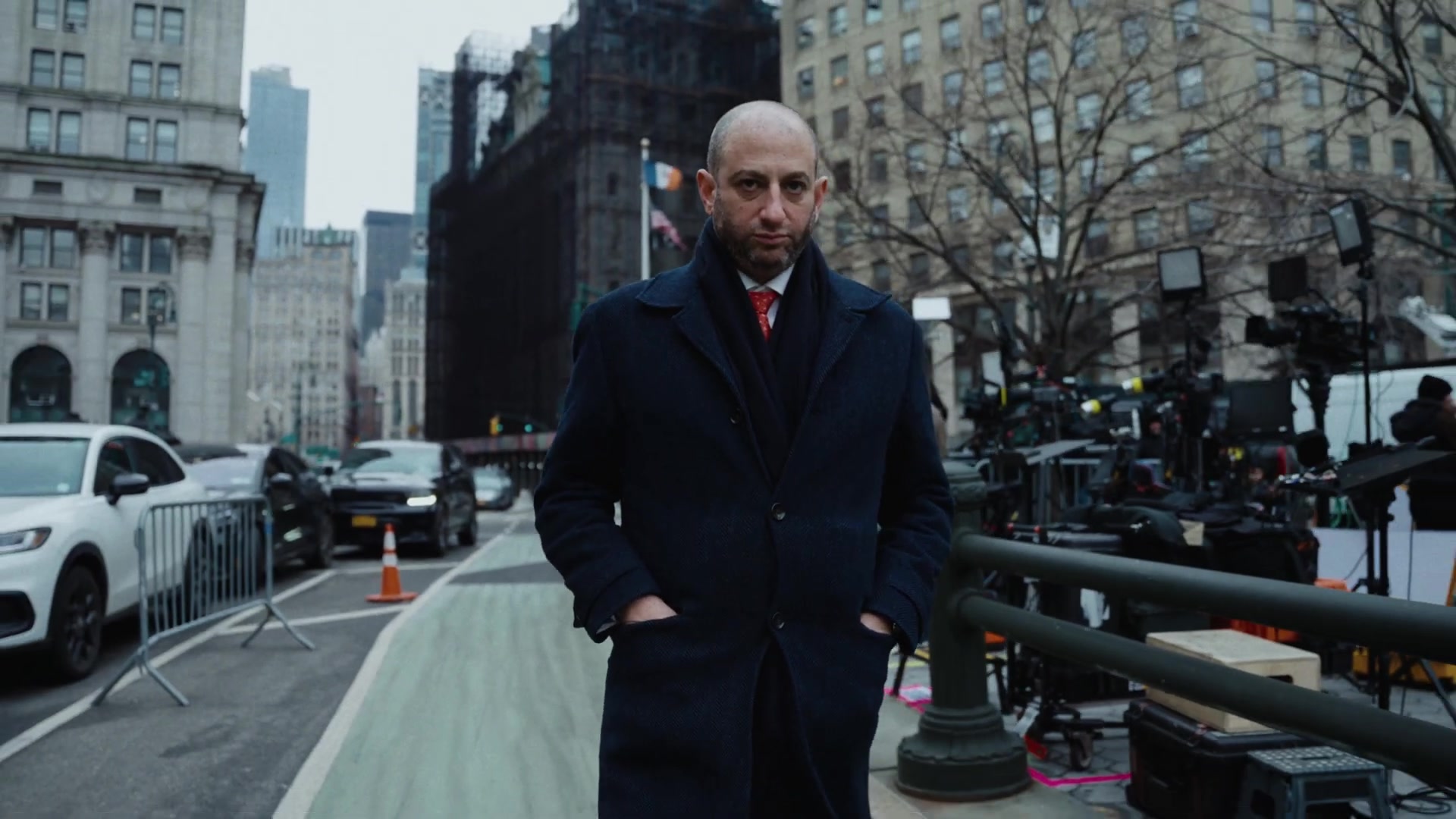
Todd Spodek
Lead Attorney & Founder
Featured on Netflix’s “Inventing Anna,” Todd brings decades of experience defending clients in complex criminal cases.
Multi-State Bar
Federal Courts
US Supreme Court
Meet the Full Team →
Contact Spodek Law Group
Don't deal with Elements of criminal Possession of a Forged Instrument alone. Speak to the Spodek Law Group today. If you need help, contact a New York criminal defense lawyer today. The information and consultation is free. Make that call and protect your rights.Why Choose Spodek Law Group
- Decades of experience dealing with forgery and forged instrument cases
- Skilled in defending crimes of forgery - Specialized expertise
- Understand prosecutor strategies - Know what they're up to
- Create strong defense narratives - Prove your innocence
- Free consultation - Get information and advice at no cost
- Protect your rights - Ensure fair treatment under law
Key Takeaways About Criminal Possession of Forged Instruments
- Forgery and possession of forged instrument are separate crimes
- Cases categorized into three intentions: defrauding, injuring another, deceiving
- Three degrees: First (money, securities, bonds, stocks), Second (deeds, contracts, wills, credit cards), Third (any forged written instrument)
- Knowledge requirement - Must possess with knowledge it was forged; unwitting possession not a violation
- Punishments: First degree (5-10 years), Second degree (1-5 years), Third degree (3 months-1 year)
- Prosecutors must prove three elements: knowledge, intent to defraud, and utterance
- If prosecutor fails to prove all three, they cannot convict you
- Intent is key element - no intent = no case under New York law
- People V Briggin: Intent established when creating error or disadvantage against another
- People V Kase: Instrument to disrupt government operations (not gain property) wasn't fraud
- Written instrument includes computer data, programs, IDs, credit cards, passports, documents
- Altering documents shows intent - knowingly defacing shows fraudulent use
- Forged instruments pass through many hands before discovery - key defense strategy
- Wrong place, wrong time is valid defense
- Cannot navigate legal system alone - need experienced attorney
- Free consultation available from Spodek Law Group
Understanding the Complexity of These Charges
As we have seen from the review above, charges on possession of forged instruments can be a complicated one. In this case, it requires the help of a qualified and highly skilled attorney to help you work through the case. Defense attorneys specializing with these cases are usually aware of exactly what the prosecutors are up to, and therefore you can be sure of them creating a story that will prove your innocence from the charges.Don't Face These Charges Alone
There is no way you will be able to navigate the New York legal system alone. You will need help to protect yourself and your rights. This type of case needs the help of an experienced lawyer. Don't put yourself in jeopardy by enlisting the help of someone who has little to no experience. Don't deal with Elements of criminal Possession of a Forged Instrument alone. Speak to the Spodek Law Group today.Critical Reminders
For Those Charged
- Seek help immediately - Contact attorney as soon as charged
- Understand your rights - Attorney will explain what you're entitled to
- Know the three elements - Prosecutors must prove knowledge, intent, and utterance
- Intent is everything - If no intent to defraud, there's no case
- Free consultation - Information and advice at no cost
Protection Under the Law
This measure has been kept in place since forged instruments can easily go through the hands of many people before someone realizes that it was fake. In other cases, the person may have been charged for being in the wrong place at the wrong time.Get the Legal Help You Need
If you need help, contact a New York criminal defense lawyer today. The information and consultation is free. Make that call and protect your rights. Don't deal with Elements of criminal Possession of a Forged Instrument alone. Speak to the Spodek Law Group today.Frequently Asked Questions
No. You have the right to remain silent and the right to an attorney. Invoke both rights immediately and contact Spodek Law Group.
Every case is different. We offer free initial consultations to evaluate your case and discuss our fee structure.
An arraignment is your first court appearance where charges are formally read. You enter a plea and bail may be set. Having an attorney present is critical.
Facing Criminal Charges And Have Questions? We Can Help, Tell Us What Happened.