
What Factors Can Lengthen Your Prison Sentence in a Federal Case?
If you are dealing with a federal criminal charge, your trial is about more than just proving your innocence. The trial can also be a great time to argue for why you do not need a lengthy prison sentence. Though federal crimes might have suggested sentencing guidelines, there is still a lot of variation in sentences. Here are some of the most common factors that cause lengthy prison sentences.The Type of Crime
The United States Sentencing Commission assigns a base offense level to every standard crime. This offense level goes up to 43, with higher numbers being more serious. Therefore, the type of crime you are charged with has a huge impact on your sentencing. If you commit a crime with a high base offense level, such as kidnapping, then your prison sentence will automatically be higher. This is why so many plea deals focus on recategorizing your crime. For example, your lawyer might negotiate your charges down from second-degree murder to manslaughter. If you are charged with the more severe version of the crime, the federal government tends to give you a lengthier prison sentence.The Severity of the Crime
⚖ Legal Pulse: Key Statistics
15,000+
Federal Cases Filed Annually
90%
Plea Before Trial
The Likelihood of Re-Offense
Often, long prison sentences are about protecting the public. If the court thinks that a criminal is likely to harm others, they might select a lengthier jail sentence. This gives the criminal more time for rehabilitation, and it reduces the time they have to commit more crimes after they get out of jail. Determining how much risk a person is to the general public can be tricky. The court will usually look at the situation and the criminal's history. For example, consider two people charged with first-degree murder. One tracked down the lover of their spouse and killed them as revenge, while the other selected a random victim and killed them for fun. The court might feel like the second perpetrator displays underlying mental viewpoints that may make them more likely to kill in the future.Your Criminal History
Due to concerns about reoffending, the federal government will closely examine your criminal past. Having a past history of severe crimes will increase your prison sentence. Especially if you have committed the same exact crime in the past, you are likely to face a long prison sentence. Your current criminal history also matters. If the case involves multiple counts of the same activity, you can end up with a longer prison sentence. For example, a person convicted of defrauding 50 investors may go to jail for longer than someone who defrauded two investors.Your Attitude
Did you know that how you behave in court can end up impacting your sentence? The court is allowed to give you a longer sentence if they think you are not accepting responsibility. This is legal because the underlying idea is that those who do not accept responsibility or admit guilt are more likely to reoffend. Things like truthfully admitting your role in the crime and pleading guilty right away may help to reduce your prison sentence. Furthermore, apologizing and making restitution to the victim before there is even a guilty verdict can help to shorten a sentence. Meanwhile, someone who lies about obvious facts and refuses to admit any wrongdoing may face a longer sentence. Ultimately, if you want a shorter prison sentence, you need talented legal representation. A good attorney can argue that justice would not be served by giving you a lot of jail time. Explaining mitigating factors in your case may be able to reduce your risk of a long prison sentence.
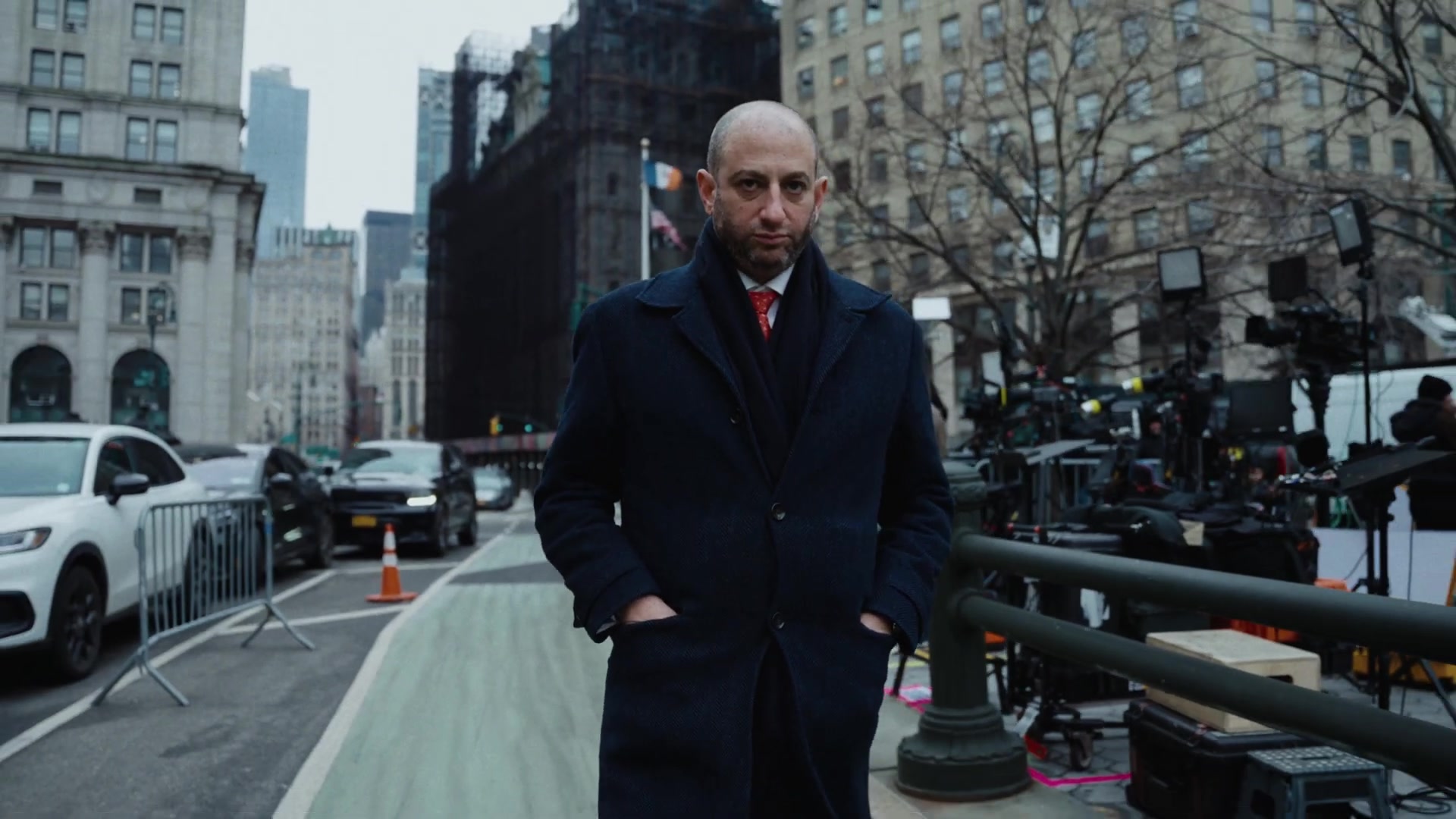
Defense Team Spotlight
Todd Spodek
Lead Attorney & Founder
Featured on Netflix’s “Inventing Anna,” Todd brings decades of experience defending clients in complex criminal cases.
Multi-State Bar
Federal Courts
US Supreme Court
Meet the Full Team →
Frequently Asked Questions
No. You have the right to remain silent and the right to an attorney. Invoke both rights immediately and contact Spodek Law Group.
Every case is different. We offer free initial consultations to evaluate your case and discuss our fee structure.
An arraignment is your first court appearance where charges are formally read. You enter a plea and bail may be set. Having an attorney present is critical.
Facing Criminal Charges And Have Questions? We Can Help, Tell Us What Happened.