
Federal Rule 32 Sentencing and Judgment
Federal Rule 32 Sentencing and Judgment requires sentencing without delay. A presentence investigation by the pretrial services or probation officer starts with an interview of the defendant. The officer writes a presentence report to the judge and the defendant's attorney recommending a reasonable sentence within federal court guidelines. The report tells the defendant's criminal history, the severity of the current offense, and the type of treatment or counseling the defendant needs. It recommends alternative sentences and states the amount of restitution that the defendant owes.Federal Court Judgment
A federal court judgment is a conviction, a plea, or a jury or judge's verdict and the defendant's sentence. The judge signs the judgment, and the clerk enters it. Forfeiture procedures are governed by Rule 32.2.U.S. Appellate Court
The 94 U.S. district courts serve 12 regions, or circuits. Each of the 12 circuits has one Court of Appeals. The U.S. Supreme Court only hears 100 to 150 appeals out of the 7,000 writs it receives every year.U.S. Court of Appeals for Second Circuit
⚖ Legal Pulse: Key Statistics
15,000+
Federal Cases Filed Annually
90%
Plea Before Trial
The Appeal Process
Our federal criminal defense lawyer can file an appellant's brief listing the errors or facts that the judge did not consider and why you believe the omission is important. The federal government prosecutor will respond with specialized legal knowledge of case law, and your defense attorney with 50 years of experience will enter into oral argument against the government attorney to get your conviction in full or in part reversed or your sentence reduced. It may take weeks for the appellate court judges to render a verdict affirming or reversing a fact or a part of your conviction and remanding your case to the lower court.Sentencing Appeal
Federal courts change terms of sentencing and supervised release often. Allow our federal criminal defense attorney with 50 years of experience in the entire corrections process to appeal your sentence. Our attorney is well-respected in the federal criminal justice system. Our attorney's goal is to preserve your rights and to prevent your federal criminal charge from devastating you and your family. Your federal prison can alter your sentence or move you to another prison to provide educational or job skills training or rehabilitative treatment for you. Federal courts can change your sentence or the length of your parole depending on:- Federal sentencing guidelines
- Severity or type of your offense
- Previous criminal history
- Probability that you'll reoffend
- Your threat to public safety

Spodek Law Group P.C.
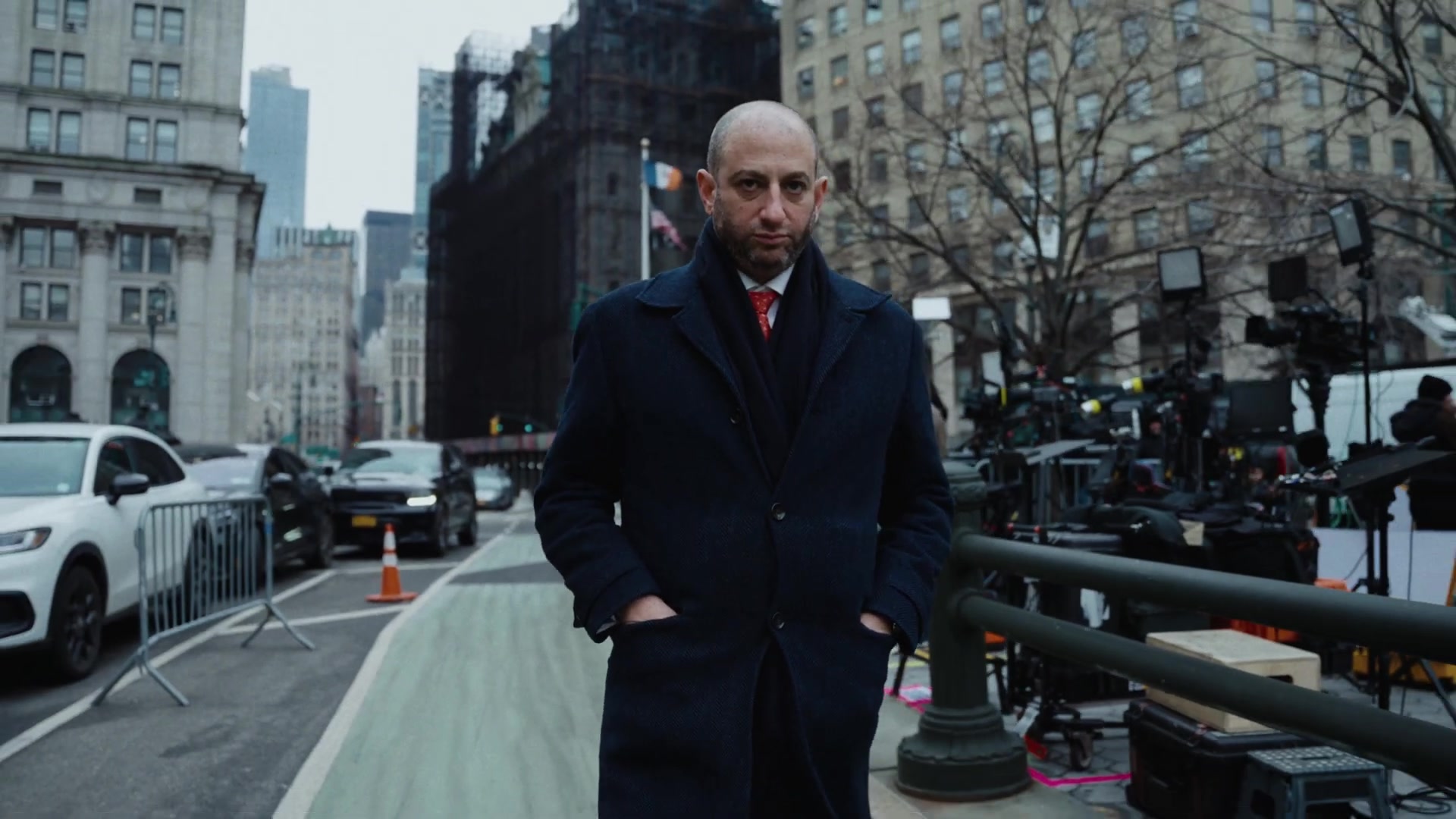
Defense Team Spotlight
Todd Spodek
Lead Attorney & Founder
Featured on Netflix’s “Inventing Anna,” Todd brings decades of experience defending clients in complex criminal cases.
Multi-State Bar
Federal Courts
US Supreme Court
Meet the Full Team →
Frequently Asked Questions
No. You have the right to remain silent and the right to an attorney. Invoke both rights immediately and contact Spodek Law Group.
Every case is different. We offer free initial consultations to evaluate your case and discuss our fee structure.
An arraignment is your first court appearance where charges are formally read. You enter a plea and bail may be set. Having an attorney present is critical.
Facing Criminal Charges And Have Questions? We Can Help, Tell Us What Happened.