
The 1:30pm Conveyor Belt That Processes 70 Defendants Per Day
Every weekday at 1:30 in the afternoon, something happens in Tucson federal court that would shock most Americans. Operation Streamline convenes. This is a mass prosecution proceeding where 40 to 70 defendants appear simultaneosly before a federal magistrate. Each defendant pleads guilty. Each receives a criminal conviction. The entire proceeding takes between 30 minutes and two and a half hours. Lets do the math on that. If 70 defendants appear in a 2.5-hour proceeding, thats roughly 2 minutes per person. If the hearing runs faster - which it often does - the average drops to 25 seconds per defendant. Twenty-five seconds to determine guilt, impose sentence, and permanantly alter a human beings life. This isnt some rogue operation. Its official policy. Operation Streamline has run continuosly since 2008 in Tucson. The program has delivered literaly hundreds of thousands of criminal convictions over the years. In 2013 alone, it processed 77,327 defendants. The cost to taxpayers? Over $62 million per year just for the Tucson location. And in 2024, these proceedings spiked 71% as prosecution numbers hit record levels with over 10,500 people charged for illegal entry or reentry. The courtroom itself looks nothing like what you see on television. Theres no dramatic examination of witnesses. Theres no jury deliberation. Theres no individualized consideration of circumstances. Instead, defendants stand in rows - sometimes shackled together - and respond to questions en masse. The magistrate asks if they understand there rights. They answer in unison. The magistrate asks if they plead guilty. They answer in unison. And just like that, there convicted felons. Heres what this means for you. If your charged federally in Arizona and your case has any connection to immigration or border crossing, theres a real chance your heading into a system designed to process bodies, not evaluate cases. The question becomes whether you can get your case out of that assembly line - or whether your going to be another number in the daily processing quota. Understanding this reality isnt just helpfull - its absolutly essential to building an effective defense.30 Minutes to Decide Your Life: The Attorney Time Limit
Before those mass hearings begin, defense attorneys meet with there clients. The American Immigration Lawyers Association documented how these consultations actually work. Attorneys are typically afforded no longer than 30 minutes per client. Total. Not 30 minutes to discuss the facts, then 30 more for strategy, then time to review documents. Thirty minutes for everything. In that half hour, a defense attorney must explain the charges, explain what the prosecutor is offering, explain the consequences of a guilty plea including prison time and deportation, answer any questions, and make sure the client understands what there about to do in that courtroom. Think about what gets left out. Theres no time to investigate whether the arrest was lawful. Theres no time to examine whether the evidence actualy supports the charges. Theres no time to explore possible defenses. Theres no time to negotiate meaningfully with prosecutors for a better deal. Theres just time to explain what the government wants and make sure the defendant says yes. The National Immigrant Justice Center calls this a "due process disaster." The American Immigration Council describes it as "assembly-line justice." Defense attorneys who work these cases know the reality: they cannot provide effective representation in 30 minutes. Its physicaly impossible. But the system dosent care about effective representation. It cares about clearing the docket. And clear the docket it does - day after day, week after week, processing thousands of defendants through a system that was never designed to deliver individualized justice. The numbers are staggering. The human cost is incalculable.Why Your 20-Mile Location Determines Whether You Get a Trial
Heres something the other legal websites wont tell you about Arizona federal court. Where your arrested - or more precisley, which division your case gets assigned to - affects your outcome more then the evidence against you. This isnt speculation. Its statisticaly demonstrable. The District of Arizona has multiple divisions: Phoenix, Tucson, Flagstaff, Yuma. And the outcomes vary dramaticaly between them. In Tucson, aproximately 78% of cases involve immigration or drug offenses. The average sentence is 46 months. The pretrial release rate is only 31%. And the trial rate? A staggering 0.4%. Virtualy nobody goes to trial in Tucson. Phoenix handles higher volumes overall but with different dynamics. For identical offenses, Tucson sentences average 10 months longer then Phoenix. Think about that. Same charge. Same federal guidelines. Same conduct. But a 10-month difference in how much prison time you actualy serve - based purely on which courthouse your case lands in. Why does this happen? The answer involves judicial culture, prosecutorial priorities, and the sheer volume of cases flowing through each division. Tucson sits closer to the border. It handles a disproportionate share of the immigration and drug trafficking cases. The judges there see thousands of these cases every year. They develop patterns. They develop expectations. And those patterns and expectations eventualy harden into sentencing norms that differ significantley from what Phoenix judges impose. Defense attorneys in Arizona know this. Some actualy try to manipulate venue by arguing that the offense technicaly occurred in Phoenix rather than Tucson. The location of arrest - sometimes differing by just 20 miles - can determine whether you get individual proceedings or mass Streamline processing. It can determine whether your released pretrial or sit in detention for months. It can determine whether your sentence is 36 months or 46 months. The diffrence is not marginal. Its potentialy life-altering. Todd Spodek has seen clients whose entire case trajectory changed based on venue assignment. The evidence was identical. The charges were identical. But the outcomes diverged dramaticaly because one case went to Tucson and another went to Phoenix. This isnt justice. Its geographic lottery. And understanding this lottery is criticaly important if your facing federal charges anywhere in Arizona.When a Court Found Mass Prosecution Unconstitutional - And Changed Nothing
⚖ Legal Pulse: Key Statistics
15,000+
Federal Cases Filed Annually
90%
Plea Before Trial
76% Immigration: What Happens to "Real" Criminal Cases
According to the U.S. Sentencing Commission, 76.1% of federal cases in the District of Arizona involve immigration offenses. Nationally, that number is 29.6%. Arizona's federal court is nearly three times more immigration-focused then the national average. So what happens to everything else? What about the fraud cases, the drug trafficking organizations, the firearm violations, the white-collar crimes? They compete for whatever attention is left after the immigration docket consumes three-quarters of the courts resources. This creates a strange dynamic for defendants facing non-immigration federal charges in Arizona. On one hand, your case might get more individualized attention because your not in the Streamline assembly line. On the other hand, the entire system is geared toward processing immigration cases quickly and efficently. Resources, attention, prosecutorial focus - its all oriented toward the 76% majority. Heres what practicaly happens. If your facing complex federal fraud charges in Arizona, your competing for prosecutor time against thousands of immigration cases. If your charged with large-scale drug trafficking, your case is actualy the minority on the docket. If your a business executive facing white-collar allegations, your in a court system that processes far more border crossing misdemeanors then sophisticated financial crimes. This dosent mean your case wont get attention. But it means the system isnt built for cases like yours. The infrastructure, the judicial experience, the prosecutorial priorities - everything is shaped by that 76% immigration dominance.The Teenage American Recruits Running Smuggling Operations
In 2024, federal prosecutors in Arizona charged eleven underage American teenagers for smuggling operations. These werent foreign nationals. They were American citizens - kids - recruited through social media to drive vehicles carrying undocumented migrants across the border. The typicle defendant in these cases is 16 or 17 years old, lives in a border community, and has never been in trouble before. Drug trafficking organizations figured out something the government is still catching up to: teenagers are usefull. They can legally drive. They have clean records. And sentencing for juveniles is theoreticaly more lenient. So organizations started recruiting them on TikTok, Instagram, and Snapchat with promises of quick cash. The pitch is always the same: drive this car from point A to point B, dont ask questions, collect $500 or $1,000 in cash. The result is American high school students facing federal felony charges for human smuggling. The recruitment tactics have become incredibley sophisticated. Recruiters identify potential drivers through social media. They establish trust over weeks or months. They make the first job sound completley harmless - just driving a car, nothing dangerous, no drugs involved. By the time the teenager realizes what theyre actualy doing, theyre already facing felony charges that will follow them for the rest of there lives. Spodek Law Group has watched this trend develop with growing concern. These are often kids who thought they were making easy money for a single drive. They didnt understand federal conspiracy law. They didnt understand that being part of a smuggling organization - even for one trip - means your legally responsable for the organization's entire operation. They didnt understand that federal judges have limited discretion to show leniency even when the defendant is a teenager who made one stupid decision. In 2024, prosecutors charged over 1,200 people for smuggling undocumented migrants - a 16% increase from 2023. Many of these defendants are young. Many are American citizens. And many are facing federal prison sentences that will define there entire adult lives because they responded to a social media post. The tragedy is that most of them had no idea what they were getting into untill it was far too late to get out.22 Tribal Nations and the Federal Jurisdiction Maze
Theres another layer of complexity in Arizona federal court that most people never consider. Arizona serves as the exclusive federal felony prosecutor for 22 federaly-recognized tribes whose reservations fall within state borders. This gives Arizona one of the most robust Indian Country dockets in the nation. Its a responsibility that fundamentaly shapes how the entire district operates. What does "exclusive" mean? When a felony occurs on tribal land, it dosent go to state court. It goes federal. Assault, drug trafficking, sexual abuse, murder - if it happens on reservation land, the U.S. Attorney handles it, not the county prosecutor. This jurisdictional arrangement dates back to the Major Crimes Act of 1885, but its practical implications are felt every day in Arizona federal courtrooms. The result is a federal court system that must simultanously handle three very different types of cases. First, theres the massive immigration docket that dominates everything. Second, theres the Indian Country caseload with its unique factual circumstances and cultural considerations. Third, theres the traditional federal criminal cases that would be the primary focus in any other district - the fraud, the corruption, the organized crime. In Arizona, those cases are actualy a small minority. This creates a second major category of cases competing for attention alongside immigration. Between the 76% immigration docket and the Indian Country cases, traditional federal crimes - the fraud, the firearms violations, the white-collar matters - become an even smaller slice of what prosecutors and judges deal with every day. For defendants, this means understanding what jurisdiction your case falls under is absolutly critical. If your case involves tribal land, your in federal court regardless of what the crime would be prosecuted as elsewhere. The sentencing guidelines are federal. The procedures are federal. And the experience of the judges is shaped by handling Indian Country cases alongside the massive immigration docket. A judge whos spent years handling immigration cases and reservation crimes may approach your white-collar fraud case differentley then a judge in New York or Chicago who sees those cases every day.
What to Do When You're Facing Arizona Federal Charges
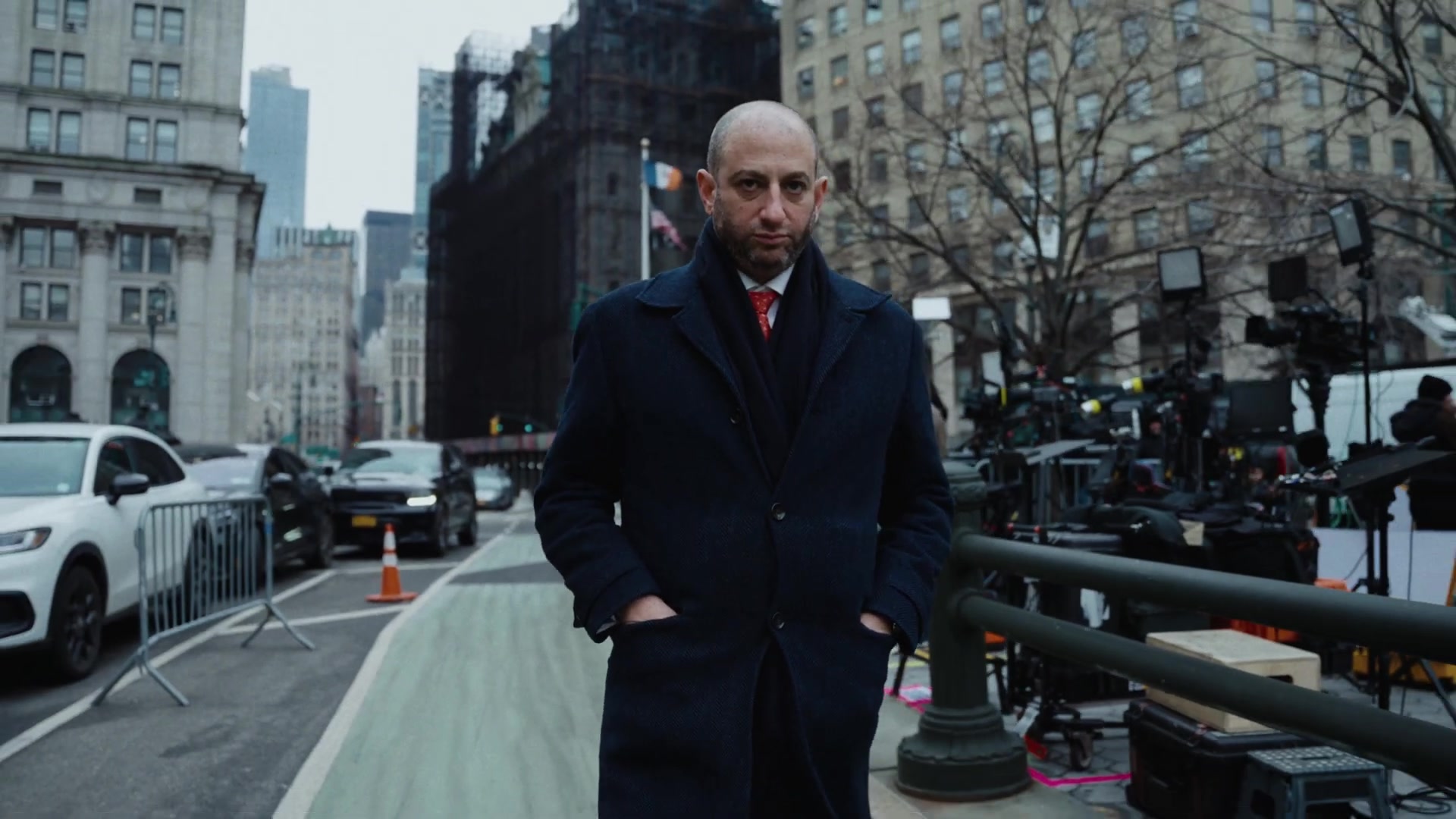
Defense Team Spotlight
Todd Spodek
Lead Attorney & Founder
Featured on Netflix’s “Inventing Anna,” Todd brings decades of experience defending clients in complex criminal cases.
Multi-State Bar
Federal Courts
US Supreme Court
Meet the Full Team →
Frequently Asked Questions
No. You have the right to remain silent and the right to an attorney. Invoke both rights immediately and contact Spodek Law Group.
Every case is different. We offer free initial consultations to evaluate your case and discuss our fee structure.
An arraignment is your first court appearance where charges are formally read. You enter a plea and bail may be set. Having an attorney present is critical.
Facing Criminal Charges And Have Questions? We Can Help, Tell Us What Happened.