Federal Grand Jury Practice and Procedure in New York City
What is a Federal Grand Jury?
A federal grand jury is a group of citizens who are summoned to serve for a period of time, usually 18 months. The grand jury hears evidence presented by federal prosecutors and decides whether there is probable cause to believe a crime has been committed. If the grand jury determines there is probable cause, it will return an indictment charging a person with a crime. An indictment allows a case to move forward to trial. The grand jury operates independently of the U.S. Attorney's Office and the courts. Everything that happens in the grand jury room is secret, so jurors can ask questions and discuss cases freely without fear their views will become public.Getting Summoned for Federal Grand Jury Duty
People are randomly selected from voter registration lists, driver's license records, and other sources to receive a summons for federal grand jury duty in the Southern District of New York. The SDNY includes all five boroughs of NYC, Manhattan, Brooklyn, Queens, the Bronx, and Staten Island. If you receive a summons in the mail, you are legally required to report for grand jury service. Grand juries in the SDNY generally meet for two days every week for up to 18 months. You will need to be available on the assigned days for the whole period of service. Your employer is required to excuse you from work if you are summoned. You will receive a small daily stipend for serving.The Selection Process
On the first day, all the potential jurors report to the courthouse. The jury clerk will check you in and have you fill out a questionnaire. Then you will watch an orientation video explaining how federal grand juries work. Next, you will be interviewed by the jury clerk to determine if you can serve impartially. The clerk needs to ensure a fair cross-section of the community is represented. If you have any bias or conflict of interest that would prevent you from being impartial, such as a personal connection to law enforcement or the legal profession, you can be excused. You can also be excused if serving would cause you extreme hardship. However, grand jury service is considered vital civic duty, so excuses are limited.Getting Selected for a Federal Grand Jury
⚖ Legal Pulse: Key Statistics
15,000+
Federal Cases Filed Annually
90%
Plea Before Trial
Hearing Cases and Deliberating
When meeting to hear cases, at least 16 of the 23 grand jurors need to be present. This is known as a quorum. The federal prosecutor will provide an overview of each case and present witnesses and evidence. As a juror, you can ask questions of the witnesses after the prosecutor is done. The person being investigated has no right to appear before the grand jury. But sometimes the prosecutor will offer that person a chance to testify and present their side. If the target of an investigation testifies, they don't have a lawyer with them in the grand jury room. After hearing all the evidence, the grand jury deliberates in secret. A majority of jurors, at least 12 out of 23, must vote that there is probable cause to believe the person committed a federal crime in order to return an indictment. If less than 12 jurors vote for an indictment, no charges will be brought at that time.The Rules of Secrecy
Everything that happens in the grand jury room is kept strictly confidential. Jurors cannot talk about any cases or share any information about the proceedings with anyone, even family members. The secrecy rule continues even after your service ends. Violating grand jury secrecy can result in being held in contempt of court. That means you could face fines or even jail time for disclosing confidential information. So it is crucial to keep quiet about the cases you hear as a grand juror.Federal Crimes in New York City
Some of the federal crimes grand juries in NYC commonly hear cases on include:
- Drug trafficking, especially large-scale narcotics rings
- Human trafficking and smuggling
- Large-scale financial fraud and investment scams
- Organized crime activities by gangs like the Mafia
- Terrorism and national security issues
- Public corruption, such as bribery of elected officials
Famous Federal Grand Jury Cases in NYC History
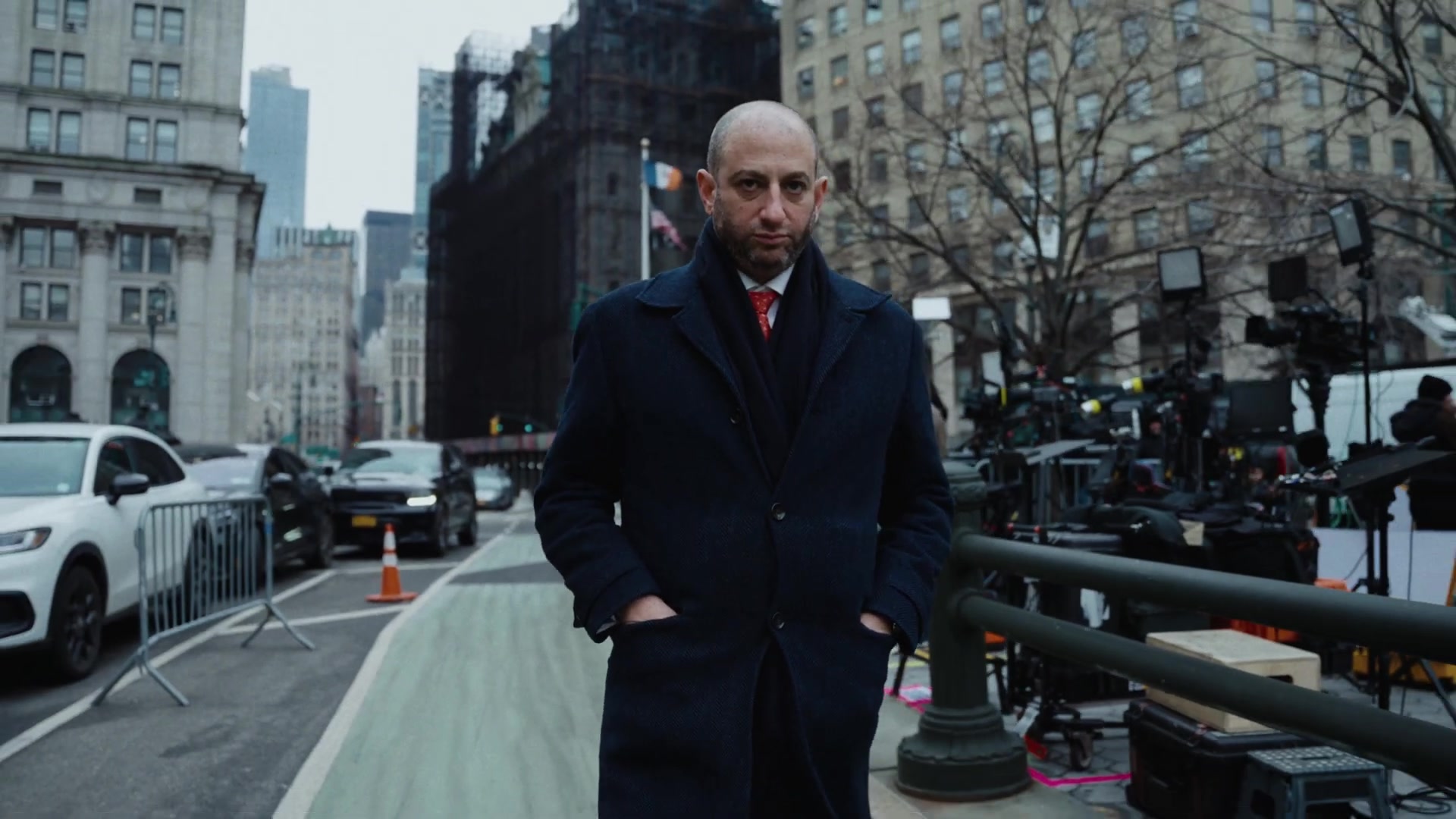
Defense Team Spotlight
Todd Spodek
Lead Attorney & Founder
Featured on Netflix’s “Inventing Anna,” Todd brings decades of experience defending clients in complex criminal cases.
Multi-State Bar
Federal Courts
US Supreme Court
Meet the Full Team →
- 1970s "Mafia Commission Trial", Indicted top leaders of NYC's Five Families on racketeering and extortion charges.[1]
- 1980s "Pizza Connection Trial", Indicted mobsters and drug traffickers who smuggled heroin through pizza parlors.[2]
- 1980s "Wedtech Scandal", Indicted congressmen and city officials for bribery tied to defense contractor Wedtech.[3]
- 1990s World Trade Center bombing, Indicted terrorists who detonated a truck bomb in the WTC garage in 1993.[4]
- 2010s NXIVM sex cult case, Indicted founder Keith Raniere and associates on sex trafficking and forced labor charges.[5]
Frequently Asked Questions
No. You have the right to remain silent and the right to an attorney. Invoke both rights immediately and contact Spodek Law Group.
Every case is different. We offer free initial consultations to evaluate your case and discuss our fee structure.
An arraignment is your first court appearance where charges are formally read. You enter a plea and bail may be set. Having an attorney present is critical.
Facing Criminal Charges And Have Questions? We Can Help, Tell Us What Happened.