The Investigation Already Happened
Heres the part nobody explains clearly. A federal grand jury investigation typically runs 8 to 18 months before the target ever receives any formal notification. During that time, prosecutors are building. Theyre issuing subpoenas for documents. Theyre interviewing witnesses who have no idea their friend or colleague or business partner is in serious trouble. Experienced federal defense attorneys note that by the time a target letter lands in someones hands, the government has already decided theyre going to seek an indictment. This isnt speculation. Its how the federal system actualy works. Prosecutors dont bring cases to grand juries unless they beleive they can win at trial. The grand jury phase is the culmination of their work, not the beginning of yours. So when you recieve that target letter and think "I need to figure out whats going on," understand that the prosecutors already know exactley whats going on. Theyve been working on this while you went about your normal life. The timeline from target letter to actual indictment is shockingly short. In most federal districts, your looking at 30 to 45 days. In the Southern District of New York, one of the busiest federal courts for white collar cases, defense attorneys report that window can be as tight as 2 to 4 weeks. Thats not much time to mount a defense when the government has had months or years of head start. Think about what happens during those months before you find out. The prosecutor is reviewing your emails. Theyre pulling bank records. Theyre interviewing your busines partners and employees and accountants and bankers. Some of those people might be cooperating with the government already, trading information about you for leniency in there own situations. Your living your life normaly while the walls are being built around you. And when you finaly learn whats happening, those walls are almost finished.What the Grand Jury Actually Is
A federal grand jury consists of 16 to 23 citizens who serve for terms of up to 18 months, sometimes extended to 36 months. Under Federal Rule of Criminal Procedure 6, at least 12 of those grand jurors must vote to indict for charges to move forward. The standard they use is probable cause - a much lower bar then the "beyond a reasonable doubt" standard used at trial. The grand jury's constitutional purpose is supposed to be protective. The Fifth Amendment guarentees that no person shall be held for a capital or infamous crime without grand jury presentment. The theory is that grand juries serve as a check on prosecuterial overreach, preventing the government from charging people without sufficient evidence. Thats the theory. Heres the reality.The 99.99% Indictment Reality
Federal prosecutors pursued over 160,000 cases between 2009 and 2010. Of those 160,000 cases, grand juries declined to indict in exactly 11. Eleven. Thats a 99.99% indictment rate. Former New York chief judge Sol Wachtler famously observed that a prosecutor could get a grand jury to "indict a ham sandwich." The Washington Post's analysis of this data makes clear just how lopsided the process has become. Let that sink in. The constitutional protection that supposidly stands between you and criminal charges approves virtually every single case prosecutors bring. This isnt becuase prosecutors only bring perfect cases. Its becuase the grand jury process is structuraly designed to favor the government. The prosecutor controls what evidence the grand jury sees. There is no requirement to present exculpatory evidence - information that might help you. There is no judge in the room. There is no defense attorney making objections. The rules of evidence that would protect you at trial dont apply. Its the prosecutors show from start to finish, and the grand jurors only see what the prosecutor wants them to see. So when someone tells you the grand jury is there to protect citizens from prosecutorial overreach, ask them about that 99.99% number. Ask them why 11 out of 160,000 cases represents meaningful protection. The grand jury dosent protect you. It provides a legal formality that allows prosecution to proceed. The historical purpose of grand juries was genuinly protective. In England, grand juries stood between citizens and the Crown. They refused to indict in cases of political persecution. The Founders included grand jury protections in the Fifth Amendment specificaly because they valued that check on government power. But somewhere between 1791 and today, the practical function changed completley. The protective mechanism became a rubber stamp. The check became a formality. Understanding that gap between constitutional theory and courtroom reality is essential if you want to navigate this process intelligantly.Youre Alone in That Room
⚖ Legal Pulse: Key Statistics
15,000+
Federal Cases Filed Annually
90%
Plea Before Trial
Target, Subject, or Witness - The Classification That Decides Your Fate
Before you ever set foot in a grand jury room, the government has already classified you. According to DOJ policy, there are three categories: target, subject, and witness. A target is someone the prosecutor has substantial evidence linking to a crime. If your classified as a target, the government views you as a putative defendant. They beleive your probably going to be charged. A subject is someone whos conduct falls within the scope of the investigation. Your not necessarily going to be charged, but your not in the clear either. Subjects often become targets as investigations progress. A witness is someone who has relevant information but isnt under investigation themselves. Heres the kicker - your classification can change without anyone telling you. You might recieve a letter saying your a witness, testify helpfully, and discover later that you became a target based on your own testimony. The government isnt required to update you on your status. The Martha Stewart case demonstrated exactly how dangerous this can be. She wasnt convicted of the insider trading she was originaly investigated for. She was convicted of making false statements during the investigation itself. Michael Flynn provides another example. He pled guilty to lying to FBI agents about conversations with a Russian diplomat. The interview happened shortly after he became National Security Advisor. Whatever your politics, the case shows how speaking to investigators without counsel creates massive criminal exposure. The underlying conduct your being investigated for might be ambigous. The statements you make during the investigation can be crystal clear grounds for prosecution. This is why the classification system matters so much for your strategy. If your a target, you generaly should not testify. The Fifth Amendment refusal makes sense becuase the government has already decided to seek charges against you. If your a witness, the calculation is different. You might want to cooperate, depending on the circumstances. But what if your a subject? Thats the hardest position. Your not being charged yet, but you might be. Every question you answer could push you toward target status. Every question you refuse could signal guilt. Its a tightrope walk, and most people have no idea there even on it until there halfway across.The Fifth Amendment Decision
This might be the most consequencial decision you make. Do you invoke your Fifth Amendment right against self-incrimination, or do you testify? As defense lawyers have documented, targets have the right to refuse self-incriminating testimony. If your lawyer submits a written Fifth Amendment refusal signed by you, DOJ policy says targets "ordinarily should be excused from testifying." You can avoid the grand jury room entirely in many cases. But subjects and witnesses face a harder choice. If your not yet a target, invoking the Fifth might escalate your status. The prosecutor might decide your refusal to testify suggests you have something to hide. That could push you from subject to target. The counter argument is that invoking the Fifth "looks guilty." Lets address that directly. Prosecutors cannot comment on your Fifth Amendment invocation at trial. The jury would never know you refused to testify. Looking guilty to a prosecutor who already thinks your guilty anyway is very different from looking guilty to a jury who will decide your fate. Heres something else most people dont realize about the Fifth Amendment in the grand jury context. You cant invoke it selectivly. You cant answer some questions and refuse others based on which ones seem dangerous. Once you start answering substantive questions about the investigation, you may waive your Fifth Amendment protection for related questions. The prosecutor can argue you opened the door. This is why having counsel outside that door, ready to advise you question by question, matters so much. You need someone who understands exactley where the lines are. Scooter Libby's case shows what can happen when you do testify. He was indicted on five counts - not for the underlying leak that was being investigated, but for false statements made to the FBI and the grand jury. The prosecution wasnt about what he originaly did. It was about what he said during the investigation. His conviction was later commuted and then pardoned, but not everyone has access to presidential intervention.When Cooperation Becomes a Trap
Some people think cooperating with the grand jury investigation will help there case. Sometimes they're right. Sometimes cooperation leads to leniency. But sometimes cooperation becomes the trap that destroys you. A proffer agreement, sometimes called a "queen for a day" arrangement, lets you provide information to prosecutors with certain protections. The government agrees not to use your own words directly against you. Sound good? Read the fine print. The government can use your proffer statements to find other evidence against you. Thats called derivative use. You tell them something, they follow that lead to documentation or witnesses, and suddenly they have evidence they wouldnt of had without your cooperation. That evidence is admissable. Your cooperation led them to it. If the case proceeds to trial after a proffer, things get worse. If you testify inconsistantly with what you said during the proffer, prosecutors can use your proffer statements to impeach you. The "protection" you thought you had becomes a weapon against you. Think about it. You sat down with prosecutors thinking you were helping yourself. You gave them a roadmap. And now there using that roadmap to build the case that puts you in prison. This happens. It happens more then people realize. The decision about wheather to cooperate or not is incredably fact specific. It depends on what evidence the government already has. It depends on what role you actualy played. It depends on whether there are other targets who might cooperate first and make you look like the mastermind by comparison. It depends on your risk tolerance and your ability to withstand the pressure of a drawn out investigation. There are situations where early cooperation genuinly helps. There are other situations where cooperation just accelerates your path to conviction. Only an attorney who knows federal grand jury practise intimately can help you evaluate which situation your in.
What Happens If You Refuse
Defense Team Spotlight
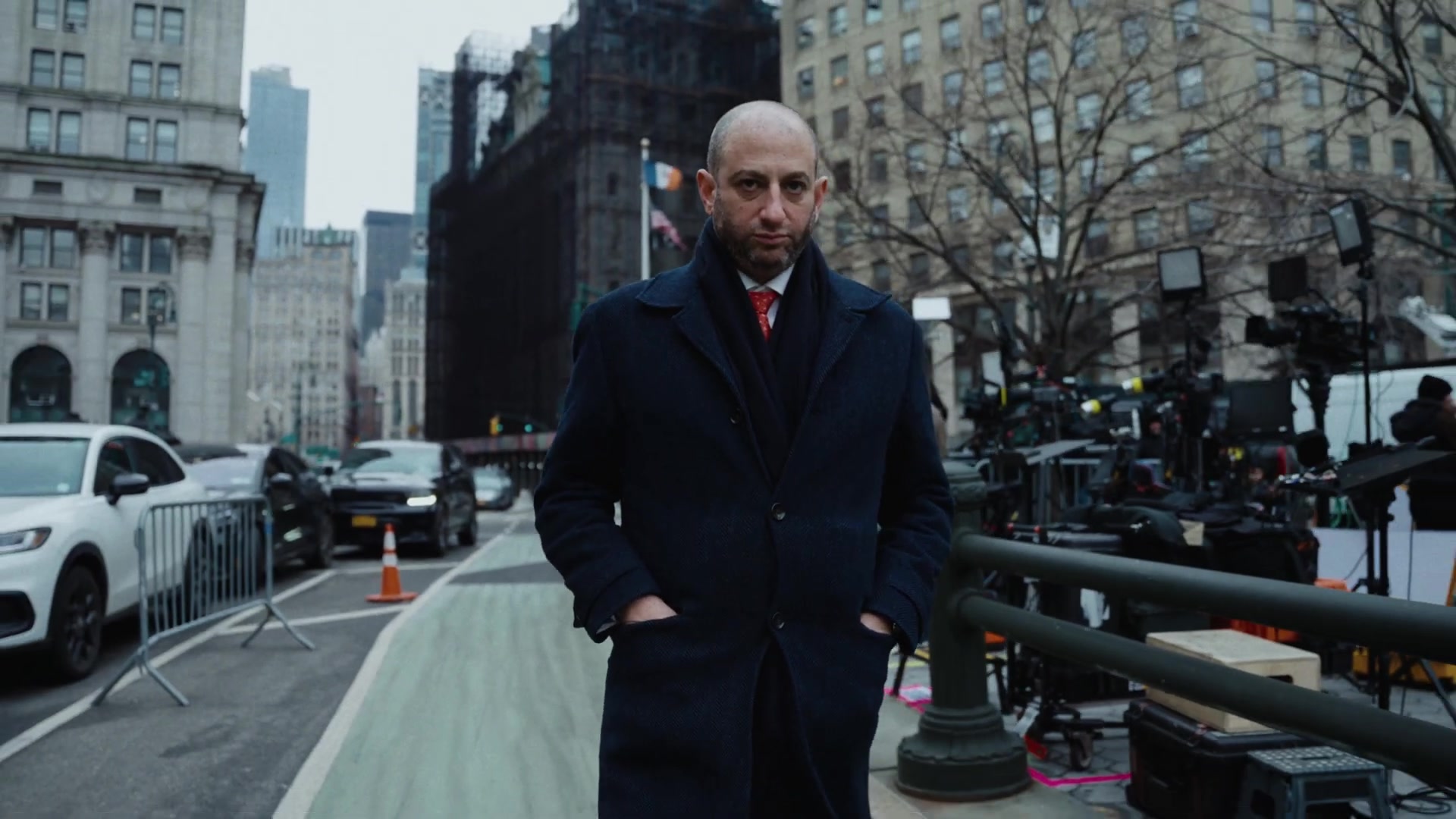
Todd Spodek
Lead Attorney & Founder
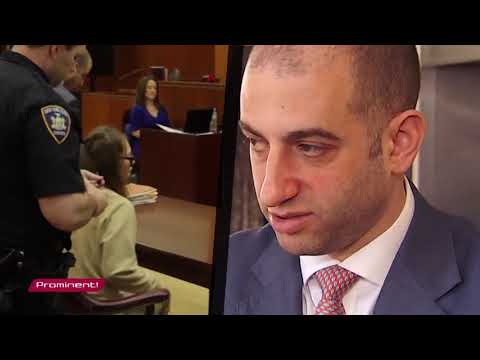
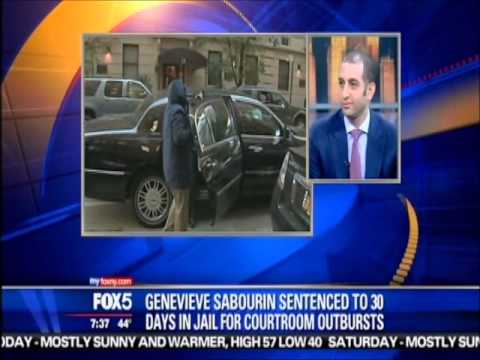
Featured on Netflix’s “Inventing Anna,” Todd brings decades of experience defending clients in complex criminal cases.
Multi-State Bar
Federal Courts
US Supreme Court
Meet the Full Team →
What You Should Actually Do
If your connected to a federal grand jury investigation in any way, you need experienced federal defense counsel immediatly. Not tomorrow. Now. The investigation has likely been running for months. The prosecutors have there evidence. The timeline from target letter to indictment might be measured in weeks. At Spodek Law Group, we understand how federal grand jury investigations actualy work. Not the constitutional theory. The reality. Todd Spodek and our team have handled federal cases where the difference between prison and freedom came down to decisions made in the first few days after learning about a grand jury. The federal criminal justice system is not designed to give you second chances. Its not designed to help you understand your options or protect your rights automaticaly. Its designed to process cases efficently, and that usually means processing defendants toward conviction. The only thing that changes that dynamic is having representation that understands exactley how this process works and knows how to navigate it strategicaly. Spodek Law Group has the experience you need for federal grand jury matters. We know how prosecutors build cases becuase weve seen it from the inside. We know what the government is looking for when they issue subpoenas and what theyre likely to do with the information they gather. We know when cooperation makes sense and when it creates more danger. We know how to protect you in a system that isnt designed to protect anyone. Call us at 212-300-5196. The grand jury process isnt designed to protect you. But with the right representation, you can protect yourself.Frequently Asked Questions
No. You have the right to remain silent and the right to an attorney. Invoke both rights immediately and contact Spodek Law Group.
Every case is different. We offer free initial consultations to evaluate your case and discuss our fee structure.
An arraignment is your first court appearance where charges are formally read. You enter a plea and bail may be set. Having an attorney present is critical.
Facing Criminal Charges And Have Questions? We Can Help, Tell Us What Happened.