
Federal Pretrial Motions That Can Strengthen Your Defense
Welcome to Spodek Law Group. If you are facing federal criminal charges, you probably imagine the courtroom drama - the cross-examinations, the closing arguments, the jury reaching its verdict. Our goal is to help you understand that in federal criminal practice, the real battle often happens months before trial, in documents filed with the court that most defendants never think about. Pretrial motions are not procedural delays. They are frequently where the case is won or lost. Most defendants see motion practice as lawyer paperwork. They assume their attorney is filing things to slow down the inevitable, to buy time, to create billable hours. This is dangerously wrong. Under Federal Rule of Criminal Procedure 12(e), if your attorney does not raise certain defenses before trial, those defenses are waived forever. Not waived for trial. Waived for appeal. Waived permanently. The rule explicitly says you "may not raise the matter by motion during trial, by motion or objection at trial, or on appeal." Silence before trial is surrender forever. The motions your attorney files in the months before trial can do something that trial itself often cannot: end the case entirely. A successful motion to suppress evidence can remove the drugs that ARE the prosecution's case. A motion to dismiss based on speedy trial violations forces the judge to throw out charges. A well-crafted Brady motion can expose that the prosecution hid evidence of your innocence. The paperwork is not bureaucracy. The paperwork is your defense.The Waiver Trap: File Before Trial or Lose Forever
Heres the thing most defendants dont understand about federal criminal procedure. Certain defenses must be raised by pretrial motion or there gone. Not delayed. Not postponed. Gone. Federal Rule 12(b)(3) lists the defenses that must be raised before trial, and the list is suprisingly long. Defenses subject to mandatory pretrial filing include improper venue, preindictment delay, violations of your constitutional right to a speedy trial, selective or vindictive prosecution, errors in the grand jury proceeding, defects in the indictment, suppression of evidence, severance of charges or defendants, and discovery issues. Every single one of these must be raised by motion before trial or you loose the right to raise them at all. Think about what that means practicaly. Your attorney discovers that police violated the Fourth Amendment during there search of your home. The evidence they seized should be excluded. But if your attorney dosent file a motion to suppress before trial, that constitutional violation is waived. The illegaly obtained evidence comes in. You get convicted. You appeal. And the appellate court says you waived the issue by not raising it pretrial. Conviction affirmed. This waiver rule exists because the federal system prioritizes finality and efficency. Courts dont want defendants raising new issues years later on appeal. They want everything resolved upfront. But the practical effect is devastating for defendants with overworked attorneys, detained clients who cant help investigate, or simply lawyers who miss deadlines. A constitutional violation that should have ended the case instead ends your chances of ever raising it. Heres the irony nobody talks about. The rule that forces diligence from defense attorneys often punishes defendants for there lawyers mistakes. Ineffective assistance of counsel claims can sometimes overcome waiver, but proving your attorney was constitutionaly deficient is extremly difficult. The default is that waiver sticks. The default is that your rights dissapear because someone missed a deadline. At Spodek Law Group, Todd Spodek and the defense team understand that pretrial motion deadlines are absolute. We calendar every deadline. We investigate every potential motion. We file everything that could possibley help the client's case, because waiting means waiving. And waiving means loosing forever.Motion to Suppress: When Winning the Motion Ends the Case
Heres what makes suppression motions different from every other motion in federal practice. A successfull suppression motion doesnt just weaken the governments case. It can completley destroy it. If the drugs ARE the case, and the drugs get suppressed, there is no case left to try. The motion to suppress asks the court to exclude evidence obtained through unconstitutional means. This typicaly involves Fourth Amendment violations - illegal searches and seizures - or Fifth Amendment violations - coerced confessions or Miranda failures. When the court grants the motion, that evidence cannot be used at trial. The jury never sees it. The jury never hears about it. Its as if the evidence never existed. OK so what makes a successfull suppression motion. For Fourth Amendment challenges, you generaly need to show that law enforcement conducted a search or seizure without a valid warrant and without qualifying for any exception to the warrant requirment. Exceptions include searches incident to arrest, consent searches, plain view doctrine, exigent circumstances, and automobile searches with probable cause. If no exception applies and theres no warrant, the evidence should be suppressed. But heres the catch that surprises many defendants. You cant just argue that someone's rights were violated. You have to prove that YOUR rights were violated. This is called the standing requirment. A passanger in a car generaly cannot challenge the search of that car because the passanger doesnt have a reasonable expectation of privacy in someone elses vehicle. The Fourth Amendment violation hapened, but you dont have standing to complain about it. The exclusionary rule - the legal principle that illegaly obtained evidence must be excluded - exists to deter police misconduct. If police know they can violate rights and still use the evidence, theyre going to keep violating rights. Suppression removes the incentive. But the government has created exceptions even to this rule. The good faith exception allows evidence when police reasonabley relied on a warrant that turned out to be defective. The inevitable discovery doctrine allows evidence that would have been found legaly anyway. The independent source doctrine allows evidence obtained through a seperate legal channel. The practical reality is that most suppression motions fail. Courts tend to defer to law enforcement. Exceptions to the warrant requirment are interpreted broadly. Standing requirements knock out many challenges before they reach the merits. But when suppression motions succeed, they succeed spectacularly. The case is over. The government has nothing. Thats why every viable suppression issue must be identified and litigated.The Standing Problem Nobody Explains
⚖ Legal Pulse: Key Statistics
15,000+
Federal Cases Filed Annually
90%
Plea Before Trial
Motion to Dismiss: Attacking the Indictment Itself
Beyond suppressing evidence, pretrial motions can attack the indictment itself. A motion to dismiss argues that even if everything in the indictment is true, the case should not proceed. This is a direct challenge to the prosecution's authority to prosecute at all. Common grounds for dismissal include defects in the indictment itself. An indictment must allege all the essential elements of the crime charged. If it fails to do so, it is fataly flawed. The indictment must identify the defendant, describe the offense, and provide enough specificity for the defendant to prepare a defense and avoid double jeopardy if prosecuted again. Indictments that are vague, duplicitous, or fail to state an offense can be dismissed. Speedy trial violations provide another ground for dismissal. Under the Federal Speedy Trial Act, the government must bring a defendant to trial within 70 days of indictment or initial appearance, whichever is later. Certain delays are excluded from this calculation - time for pretrial motions, continuances granted at defense request, and similar procedural matters. But if the government exceeds the time limits without excludable delay, dismissal is mandated. Double jeopardy claims can also support dismissal. If a defendant was previously tried for the same offense, the Fifth Amendment bars retrial. The question of what constitutes the same offense can be complicated, but the protection is absolute when it applys. Similarly, claims of selective or vindictive prosecution - that the government singled out the defendant for improper reasons - can justify dismissal, though these claims are extremly difficult to prove. Heres what practioners understand that defendants often dont. Dismissal motions rarely succeed. Courts give prosecuters wide lattitude. Indictments are drafted by experienced prosecutors who know the elements. The government rarely violates speedy trial rules. But the motion practice itself matters. Filing a motion to dismiss forces the government to respond. It creates a record. It preserves issues for appeal. Even an unsuccessful motion can reveal weaknesses in the government's case that inform trial strategy. Grand jury irregularities provide another avenue for dismissal, though courts are extremly reluctant to look behind the grand jury's decision. If prosecutorial misconduct infected the grand jury process - presenting false testimony, withholding exculpatory evidence from the grand jury, or improper instructions - dismissal may be warranted. These challenges are difficult to make because grand jury proceedings are secret. The defense generaly has no access to transcripts until after indictment. But when misconduct is discovered, the motion to dismiss is the only remedy.Brady and the Haystack: Discovery That Hides in Plain Sight
Heres the dirty secret of federal criminal discovery. Prosecuters have a constitutional duty under Brady v. Maryland to disclose exculpatory evidence - anything that might prove your innocence or impeach a government witness. This duty is mandatory. Failure to disclose is a due process violation. But in practice, Brady material often gets buried in discovery productions that run thousands of pages, and the prosecution never identifies what they've disclosed. Federal prosecuters comply with Brady by including the required material in there discovery productions made under Rule 16. They dump boxes of documents on the defense. Somewhere in those boxes is evidence that could help the defendant. But the government doesnt say which documents are Brady material. They dont flag the exculpatory pages. They satisfy there legal obligation by disclosing, and leave the actual finding to the defense. Only 30 of the 94 federal judicial districts have local rules requiring prosecuters to specificaly identify Brady material. The rest leave it to "open file" discovery where everything gets produced and nothing gets labeled. A witness's prior inconsistant statement might be on page 847 of a 2000-page production. A deal with a cooperating witness might be mentioned in passing in an agent's notes. The information is technicaly disclosed. Its just hidden in plain sight. Brady violations are "typicaly only discovered after the defendant is already convicted." The protection that exists to ensure a fair trial becomes apparent only after the unfair trial already happened. Convictions get overturned years later when Brady material finaly surfaces. But the defendant already served time. The defendant's life was already destroyed. The protection arrived to late to protect. At Spodek Law Group, we file agressive Brady motions demanding that the government identify exculpatory material specificaly. We request court orders requiring disclosure in a format that can actualy be reviewed. We dont accept the haystack approach. Finding Brady material is part of the defense - and its part of why pretrial motion practice matters so much.The 70-Day Clock: Speedy Trial as Dismissal Weapon
The Federal Speedy Trial Act creates a ticking clock that most defendants dont even know exists. Under 18 USC 3161, the government has 30 days from arrest to indict you. Then it has 70 days from indictment to bring you to trial. Miss those deadlines, and your entitled to dismissal. But heres the trap: if you dont file a motion raising the speedy trial violation before trial begins, you waive the right to dismissal completley. The 70-day clock doesnt run continuosly. Certain periods are automaticly excluded. Time spent on pretrial motions is excluded. Continuances granted for good cause are excluded. Delays caused by the defendant are excluded. Mental competency evaluations, interlocutory appeals, and various other procedural matters stop the clock. In practice, few federal cases actualy go to trial within 70 calendar days because so much time gets excluded. But when the clock isnt stopped - when delays are caused by government inaction, prosecutorial negligence, or simple failure to move the case forward - the speedy trial violation accrues. And if non-excluded time exceeds 70 days, the defendant is entitled to dismissal. The question is weather dismissal is with prejudice (charges cannot be refiled) or without prejudice (charges can be refiled). The court consideres three factors in determining weather to dismiss with or without prejudice: the seriousness of the offense, the facts and circumstances that led to the dismissal, and the impact of reprosecution on the administration of the Speedy Trial Act and justice. For serious offenses, courts generaly dismiss without prejudice, allowing the government to recharge. But the dismissal itself is still valuable - it resets the prosecution, forces the government to start over, and creates leverage for negotiation. Todd Spodek and the Spodek Law Group team track every day of every federal case. We know which delays are excludable and which are not. We know when the speedy trial clock is running. And we file motions to dismiss when the government fails to meet its deadlines. This is not technicality for its own sake. This is constitutional enforcement. The Sixth Amendment guarantees a speedy trial. The Speedy Trial Act gives that guarantee teeth.
Why Motions Create Leverage Even When They Lose
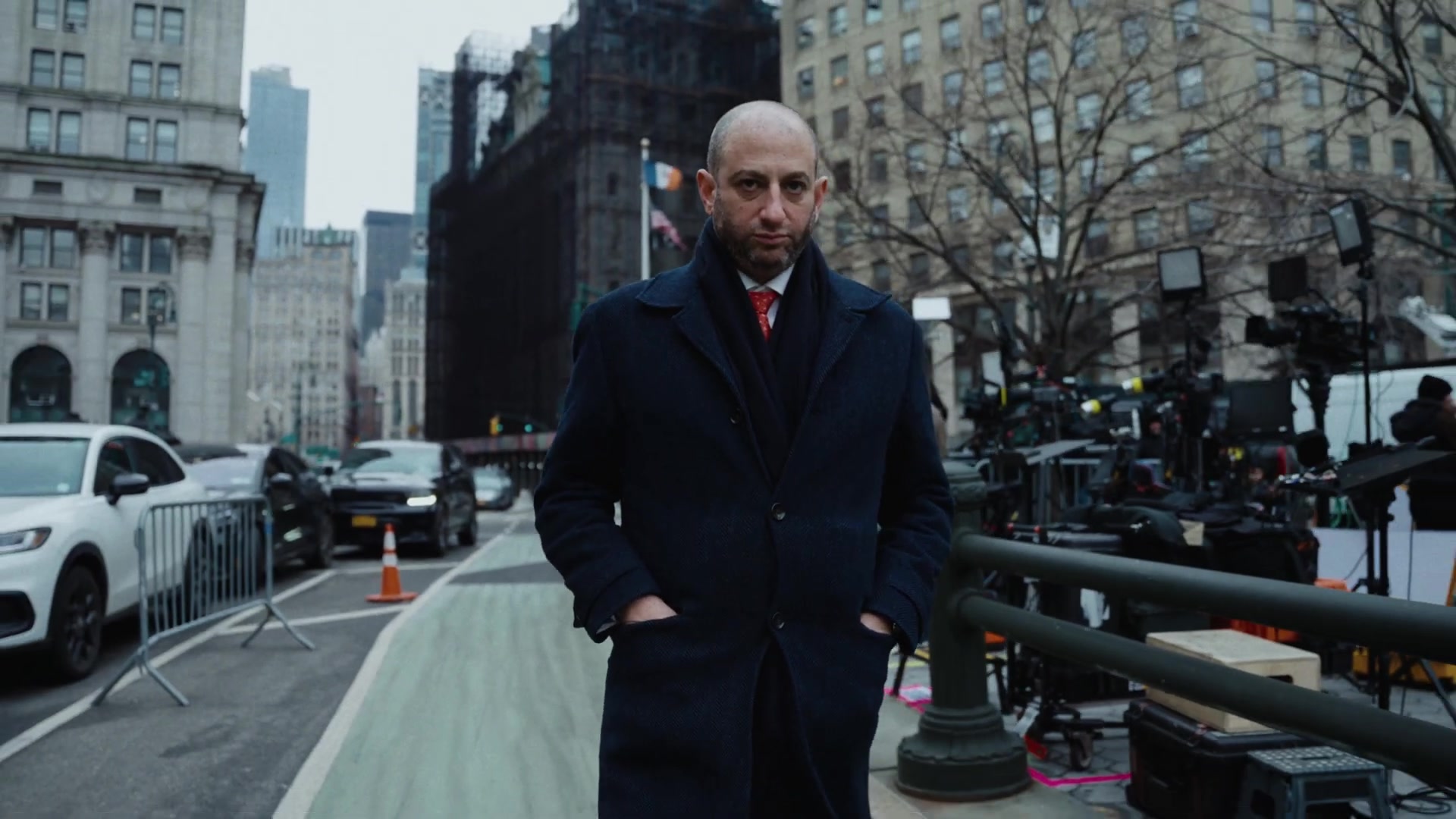
Defense Team Spotlight
Todd Spodek
Lead Attorney & Founder
Featured on Netflix’s “Inventing Anna,” Todd brings decades of experience defending clients in complex criminal cases.
Multi-State Bar
Federal Courts
US Supreme Court
Meet the Full Team →
Frequently Asked Questions
No. You have the right to remain silent and the right to an attorney. Invoke both rights immediately and contact Spodek Law Group.
Every case is different. We offer free initial consultations to evaluate your case and discuss our fee structure.
An arraignment is your first court appearance where charges are formally read. You enter a plea and bail may be set. Having an attorney present is critical.
Facing Criminal Charges And Have Questions? We Can Help, Tell Us What Happened.