
What Are the United States Sentencing Guidelines?
The sentence you get should never be decided at random. The judge that hears your case is required to closely follow the federal sentencing guidelines in determining your punishment, barring extreme circumstances that may surround your particular case. The guidelines take several key factors into account, including the severity of the crime and the defendant's criminal record.US Sentencing Guidelines: The Severity of the Crime
For each criminal offense, there is a lowest level sentence that rises and falls depending on the details of your case. Adjustments are made with respect to the victim involved, your part in the crime, any obstruction of justice, and your acceptance of responsibility. Your attorney will carry you through the details and search for ways to help you receive the best result available.US Sentencing Guidelines: Criminal History
Once the base level is established, your criminal record will be taken into account. Six categories of criminal history exist, the first being little to no criminal history and the sixth being an extensive record. Each increasing level of history will further enhance your sentence.Federal Sentencing Guidelines Used to Determine Your Final Sentence
The calculation of your sentence range involves adding the base level and subtracting or adding, depending on offense, the characteristics and your criminal history. When the judge arrives at the range within which your sentence must fall, he or she will then determine what exactly your punishment should be. The judge is also responsible for explaining how he or she reached that conclusion in writing. While judges are obligated to do these calculations, they are not technically obligated to adhere to the guidelines. Because the guidelines are merely advisory, having a seasoned defense attorney fighting on your behalf is extremely important. He or she could potentially convince the judge that you should get a lesser punishment, making it easier for you to live a better life after a criminal conviction. In addition, a skilled lawyer can help you challenge instances in which a judge strays too far from the sentencing guidelines.⚖ Legal Pulse: Key Statistics
15,000+
Federal Cases Filed Annually
90%
Plea Before Trial

Defense Team Spotlight
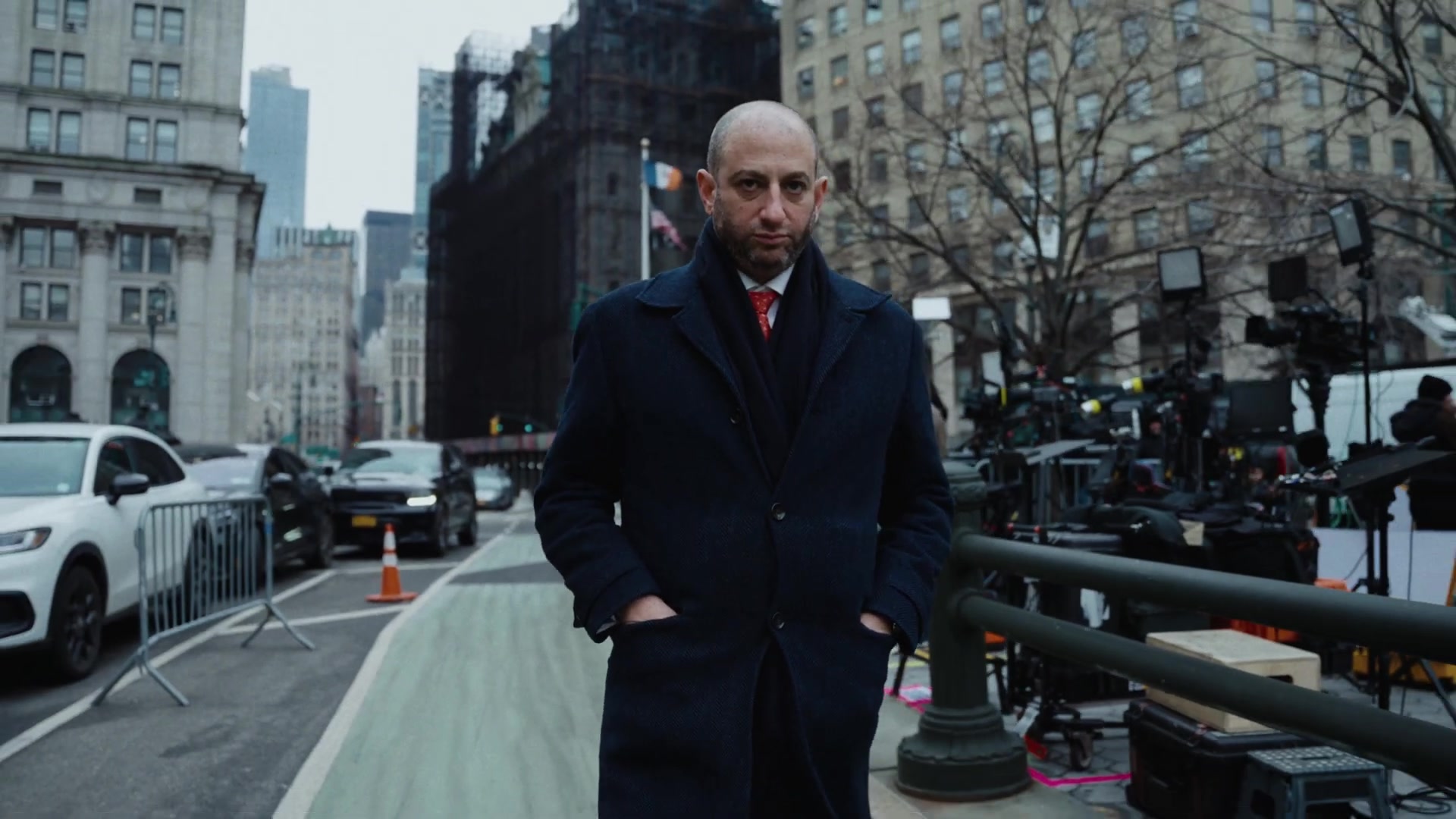
Todd Spodek
Lead Attorney & Founder
Featured on Netflix’s “Inventing Anna,” Todd brings decades of experience defending clients in complex criminal cases.
Multi-State Bar
Federal Courts
US Supreme Court
Meet the Full Team →
Frequently Asked Questions
No. You have the right to remain silent and the right to an attorney. Invoke both rights immediately and contact Spodek Law Group.
Every case is different. We offer free initial consultations to evaluate your case and discuss our fee structure.
An arraignment is your first court appearance where charges are formally read. You enter a plea and bail may be set. Having an attorney present is critical.
Facing Criminal Charges And Have Questions? We Can Help, Tell Us What Happened.