Criminal Copyright Infringement: Federal Sentencing Guidelines
Understanding Criminal Copyright Infringement
Criminal copyright infringement is an offense that is punishable under federal law. If you are under investigation or have been charged formerly for engaging in copyright infringement activity, you might be interested to know the federal sentencing guidelines for criminal copyright cases. The sentencing guidelines is a manual that that judges follow while deciding on whether one is guilty of a copyright offense or not. The manual also contains guidelines on the sentence or penalty to be passed in case one is found guilty. If you have violated the copyright law, it is highly possible that you can go to jail. If you made these violations willingly and involved a certain amount of infringement, then some penalties will be prescribed. For copyright owners, they would be interested to know that there is a very high number of people who are facing criminal penalties for copyright infringement.Base Sentencing Level
The base level for criminal infringement of copyright or trademark offense is level 8. After that, each case will be gauged independently based on its characteristics. Additional levels will depend on the nature of the crime. It is important to know that the sentence in criminal infringement copyright or trademark cannot be reduced below level 8.Sentencing Guidelines Based on Infringement Amount
If the infringement amount is less than $5000 but exceeds $2000, the sentencing guidelines for criminal infringement of copyright or trademark demand that the sentencing or penalty be increased by one level. If the infringement amount exited $5000, the number of levels to be added would be determined under table§2B1.1 depending on the amount. This table shows different sentencing guidelines for crimes such as theft, property destruction, and fraud.Sentencing for Performance, Display, and Distribution
⚖ Legal Pulse: Key Statistics
15,000+
Federal Cases Filed Annually
90%
Plea Before Trial
Uploading, Importation, and Manufacturer Offenses
If the offense involves uploading, importation, or manufacturer of infringing items, the defendant will be sentenced under 17 U.S.C. §§ 1201 and 1204, and the sentencing will be increased by two levels. If such an offense is classified at a level of less than 12, the guidelines demand that it be increased to level 12.Non-Commercial Infringement
If a defendant engaged in a copyright offense with no intentions of commercial or personal financial gains, the sentencing level is reduced by two levels, but it is still won't be less than level 8.Offenses Involving Risk of Bodily Injury
If the copyright infringement offense caused a reckless high risk of death or adverse bodily injury in the full knowledge of the defendant, the sentencing would be increased by two levels. The same case applies to a situation where the defendant used a dangerous weapon in the process of committing the offense. However, the base sentencing level for crimes under this category is 14. In case the offense level is less than 14, it should be increased to 14 automatically.
Civil and Criminal Statute of Limitations
Although copyright infringement comes under civil cases, they can still be pursued for a criminal offense. In the case of the civil statute of limitations, the prosecution has three years to get an indictment. For a criminal case, the statute of limitations is five years. It is the role of the prosecutor to show that the defendant willingly violated the copyright laws by willingly infringing the copyright to gain commercial advantage or to get personal financial gains.Qualifying Offenses and Penalties
Defense Team Spotlight
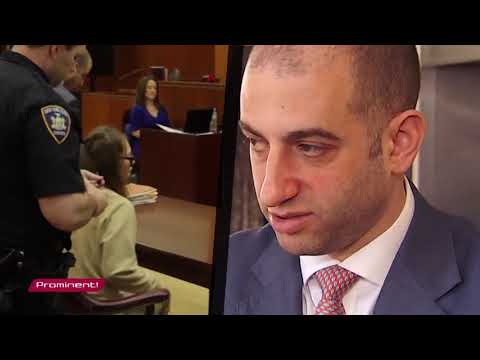
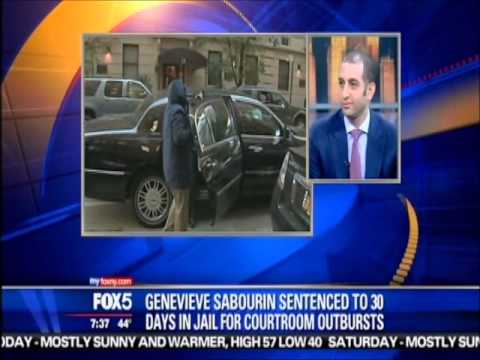
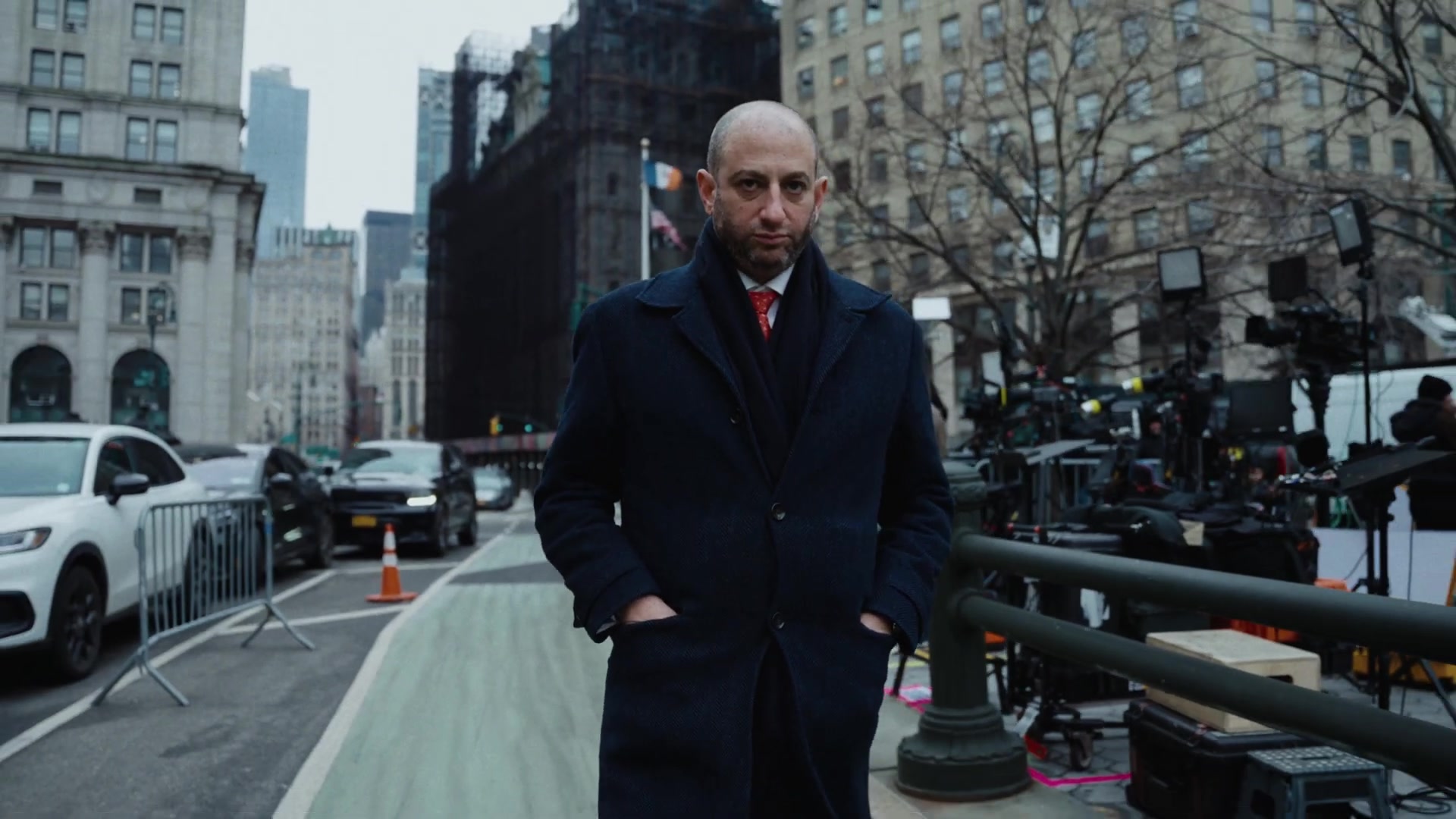
Todd Spodek
Lead Attorney & Founder
Featured on Netflix’s “Inventing Anna,” Todd brings decades of experience defending clients in complex criminal cases.
Multi-State Bar
Federal Courts
US Supreme Court
Meet the Full Team →
Seeking Legal Assistance
If you are under investigations or have been charged for allegations of involvement in criminal copyright infringement, it is highly important that you ensure that you seek the assistance of a criminal defense lawyer who is conversant with criminal infringement laws. The punishment for such offenses is adverse and you should not take the matter for granted. Seeking the services of a lawyer who has a history of dealing with such cases is an added advantage. You will also need a lawyer who is conversant with the laws in your jurisdiction.Frequently Asked Questions
No. You have the right to remain silent and the right to an attorney. Invoke both rights immediately and contact Spodek Law Group.
Every case is different. We offer free initial consultations to evaluate your case and discuss our fee structure.
An arraignment is your first court appearance where charges are formally read. You enter a plea and bail may be set. Having an attorney present is critical.
Facing Criminal Charges And Have Questions? We Can Help, Tell Us What Happened.