
The 84% Wall: Why "Compassionate" Release Almost Never Happens
The numbers dont lie. When the USSC released its FY 2024 compassionate release statistics, they revealed what defense attorneys have known for years: this isnt a system designed to grant relief. Its a system designed to deny it. Heres the kicker: even when you meet every technical requirement, courts find reasons to say no. The statute requires "extraordinary and compelling" circumstances. That phrase – extraordinary and compelling – does alot of heavy lifting. Courts have interpreted it to mean your dying. Literaly dying. And sometimes that isnt enough either. Carlos Tapia-Ponce was 94 years old and terminaly ill when the court denied his motion. He died the following month in federal prison. The court said his death wasnt imminent enough. Think about that. Ninety-four years old. Terminal diagnosis. Denied becuase he might live another few months. Most people assume that if your sick enough, if your circumstances are dire enough, the system will show some humanity. Thats not how it works. The system evaluates your suffering against a legal standard so narrow that most genuine emergencies dont qualify. Youve got cancer? Courts have denied cancer patients. Youve got COVID complications and respiratory failure? Courts denied those too during the pandemic. The "extraordinary and compelling" language has become a wall, not a gateway. Before the First Step Act, 5% of compassionate release applicants died while waiting for the BOP to decide their cases. The system wasnt slow by accident. It was designed for denial through delay.Before First Step Act: The BOP Gatekeeping Era
Let that sink in. From 2006 to 2011, the Bureau of Prisons approved an average of 24 compassionate release requests per year. Twenty-four. Out of more then 200,000 federal inmates. The DOJ Inspector General documented this in a scathing 2013 report that exposed how the BOP had basicly shut down the entire program. The BOP didnt just deny most requests. It ignored them. Applications sat in administrative limbo for months, sometimes years. Prisoners died waiting for bureaucrats to open their files. Family members watched loved ones deteriorate while the BOP debated whether terminal illness was "terminal enough." The average processing time exceeded two years – which meant that for many applicants, the only release they recieved was death. Heres whats genuinly disturbing about this era: the BOP had absolutly no incentive to approve requests. Every approval reduced their inmate population, which reduced their funding, which reduced their institutional power. The conflict of interest was baked into the system. The agency tasked with deciding whether someone deserved compassionate release was the same agency that benefited from keeping them incarcerated. The named examples from this era are haunting. Anthony Bell filed for compassionate release through the BOP. Denied. He died two days later in his cell. The BOP found his circumstances werent "extraordinary and compelling" enough. Tommy Leftwich was 78 years old, wheelchair-bound, suffering multiple chronic conditions. Denied. The BOP said he could recieve "adequate care" in the prison medical facility. Michael Mahoney applied through the proper channels, waited 17 months for a decision. Seventeen months of dying while bureaucrats shuffled paper. He was eventualy granted release, but those 17 months were stolen from whatever time he had left. Congress passed the First Step Act specificaly to end this gatekeeping. The Act allowed prisoners to file directly in court after either exhausting BOP remedies or waiting 30 days – whichever came first. This was supposed to be the solution. Bypass the BOP. Go straight to federal judges. Let the courts decide.The First Step Act Promise vs. Reality
OK so what actualy happened when prisoners could finaly bypass the BOP? Courts became the new gatekeepers. And courts, it turns out, are nearly as restrictive as the BOP ever was. The First Step Act gave federal judges authority to consider "any extraordinary and compelling reason" for release – thats language from the United States v. Brooker decision in the Second Circuit. Courts arent limited to the narrow categories the BOP used. They can consider rehabilitation, family circumstances, changes in sentancing law, the defendants health, their age, there record in prison. This flexibility was supposed to make the system more humane. But heres the thing: flexibility cuts both ways. When judges have discretion, they exercise it. And most federal judges exercise there discretion toward denial. The 84% denial rate tells you everything you need to know about how judges interpret "extraordinary and compelling." They interpret it narrowly. Conservatively. With a thumb on the scale against release. The most common reasons for denial include: circumstances not extraordinary enough, sentancing factors weigh against release, defendant poses ongoing danger, or – and this one appears constantly – the defendant hasnt served enough of their sentence to warrant early release. That last reason is circuler logic. The whole point of compassionate release is that circumstances have changed since sentancing. But courts use the original sentence as a baseline and ask whether the defendant has "earned" early release through sufficient incarceration. Thats not compassion. Thats bureaucratic punishment-maximization.The Geographic Lottery: Where Your Imprisoned Matters More Than Your Case
⚖ Legal Pulse: Key Statistics
15,000+
Federal Cases Filed Annually
90%
Plea Before Trial
The Age Calculation: When Courts Actually Grant Release
Think about it this way. The strongest predictor of compassionate release isnt your medical condition. Its your age. Courts have created an unwritten rule: if your old enough, you might qualify. If your not, you probly dont. The USSC data shows prisoners 75 and older have a 61.5% grant rate. Thats remarkable – more than three times the overall average. But for prisoners under 45? The grant rate drops below 20%. Courts have decided that "extraordinary and compelling" basicly means elderly. Young people with terminal illness? Not compelling enough. Middle-aged people dying of cancer? Not extraordinary enough. But 80-year-olds with chronic conditions that arent immediately life-threatening? Now were talking. Theres a perverse logic here. Courts seem to beleive that only the elderly have suffered enough to deserve release. As if age itself is punishment. As if someone who committed a crime at 30 and served 50 years has earned compassion through sheer endurance. The system doesnt reward rehabilitation or good behavior or changed circumstances. It rewards survival. Make it to 75 and you have a chance. Die at 74 and you were just numbers in the denial statistics. Kevin Zeich applied for compassionate release three times. Denied each time. He finaly got approved on his fourth attempt. He died the day after the approval came through. Never left prison. The system granted him "compassion" exactley one day too late. His case perfectly ilustrates the dysfunction: the same circumstances that werent compelling on the first three applications were somehow compelling on the fourth. Nothing changed except the judge who reviewed it. Or maybe the courts mood that day. The arbitrariness is the cruelest part – knowing that your fate depends not on your circumstances but on institutional caprice.The Exhaustion Maze: Getting Your Motion Before a Judge
Before you can file a compassionate release motion in court, you have to navigate the exhaustion requirement. This is were many applications die – not on the merits, but on procedure. The First Step Act requires prisoners to either exhaust administrative remedies with the BOP or wait 30 days after submitting a request to the warden. Most people interpret this as a simple 30-day waiting period. Its not that simple. Courts disagree about what triggers the 30 days, what constitutes a proper request, and whether defects in the administrative process bar court review. Heres the thing: the BOP still dosent want to approve these requests. When you submit an administrative request, the BOP will look for any technicality to deny it. Wrong form. Missing documentation. Improper procedure. Each denial adds time. Each time adds suffering. And if you make a procedural mistake, courts may throw out your motion without ever considering the merits. Spodek Law Group has helped clients navigate this maze. The exhaustion requirement sounds straightforward – wait 30 days and file. But the execution is filled with traps. What address do you send the request to? What medical documentation do you need to include? How do you prove you actualy submitted the request? Each step has potential pitfalls that can doom an otherwise winnable motion. The smartest approach is to file administratively while simultaneously preparing the court motion. The moment those 30 days expire, you file in court. This minimizes delay. But it requires parallel preparation – working on both tracks at once. Most pro se prisoners dont know this. They wait for the BOP to respond (which could take months), then start preparing their court motion. By then, they may have lost critical time.Why Most Motions Fail: The Mistakes That Doom Applications
Look at it this way. Even if you clear the exhaustion hurdle, even if your in a favorable circuit, even if your old enough to qualify – your motion can still fail because of how its presented. The substantive requirements are demanding, and most prisoners dont meet them. Medical documentation is the first failure point. Courts want extensive, detailed medical records that clearly establish your condition, your prognosis, and why prison cant adequately treat you. Vague references to illness arent enough. You need diagnoses, treatment histories, specialist opinions, and clear statements about life expectancy. Prison medical departments are notoriously uncooperative about providing this documentation. And without it, your motion looks weak. Release plan is the second failure point. Courts want to know exactly where you'll go, who'll care for you, and how you'll manage your medical needs. "I'll live with family" isnt enough. You need addresses, caregivers, transportation plans, medical care arrangements. The more specific, the better. Courts deny motions all the time becuase the release plan was vague or unrealistic. Sentencing factors are the third failure point. Even if your circumstances are extraordinary and compelling, courts must consider whether release is consistent with the 18 U.S.C. § 3553(a) factors – the same factors that influenced your original sentence. Seriousness of offense. Need for deterrence. Protection of public. If your offense was violent or involved significant harm, courts will use that against you even if your now dying of cancer at 80.
What Actually Works: Building a Winnable Motion

Defense Team Spotlight
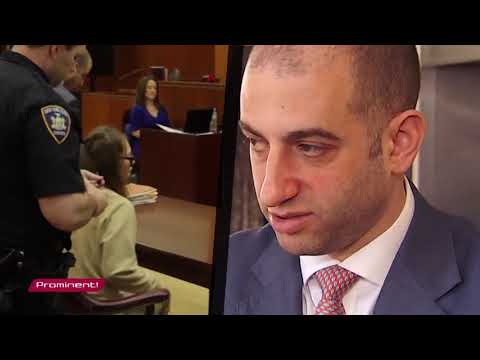
Todd Spodek
Lead Attorney & Founder
Featured on Netflix’s “Inventing Anna,” Todd brings decades of experience defending clients in complex criminal cases.
Multi-State Bar
Federal Courts
US Supreme Court
Meet the Full Team →
Sources:
- USSC Compassionate Release Data FY 2024
- DOJ Inspector General Report on BOP Compassionate Release
- First Step Act (18 U.S.C. § 3582(c)(1)(A))
- United States v. Brooker (2d Cir. 2020)
- Families Against Mandatory Minimums - Compassionate Release Research
Frequently Asked Questions
No. You have the right to remain silent and the right to an attorney. Invoke both rights immediately and contact Spodek Law Group.
Every case is different. We offer free initial consultations to evaluate your case and discuss our fee structure.
An arraignment is your first court appearance where charges are formally read. You enter a plea and bail may be set. Having an attorney present is critical.
Facing Criminal Charges And Have Questions? We Can Help, Tell Us What Happened.