
Federal Wire Fraud Charges Under 18 USC 1343: The Government's Favorite Weapon
So your probably facing federal wire fraud charges and your confused because you thought wire fraud was about sophisticated cybercrime. Maybe you sent emails about a business transaction prosecutors are calling fraud. Maybe you made phone calls they claim were deceptive. Or maybe your just accused of sending text messages that allegedly contained false statements. Look, we get it. Your ABSOLUTELY SHOCKED that ordinary business communications are federal crimes. And you should be TERRIFIED! Because wire fraud under 18 USC 1343 carries 20 YEARS in federal prison and prosecutors charge wire fraud in almost EVERY white collar case because its so easy to prove!What Is Federal Wire Fraud Under 18 USC 1343?
Let me explain the prosecutorial swiss army knife their using against you. Wire fraud is identical to mail fraud except requires use of interstate wire communication - phone, email, text, fax, internet - instead of mail! Incredibly broad statute turning business disputes into federal crimes! The statute has FOUR elements that seem simple but are twisted against defendants! Must prove: (1) scheme to defraud, (2) with intent to defraud, (3) use of interstate wire communications, (4) in furtherance of scheme! Each element broadly construed to maximize convictions! Here's what's really scary - EVERY wire communication is separate count! Sent 50 emails about business deal prosecutors claim was fraudulent? That's 50 wire fraud counts! Each carrying 20 years! We've seen indictments with 200+ counts from routine email correspondence! "Interstate" requirement is automatic in modern world! Any email? Interstate because servers in different states! Phone call? Interstate routing! Text message? Interstate! Internet transaction? Interstate! Prosecutors don't need to prove you KNEW communication was interstate - just that it objectively crossed state lines!What Is a "Scheme to Defraud" Under Federal Law?
Scheme element is SHOCKINGLY broad! Scheme to defraud is any plan or course of action intended to deceive others to obtain money or property by false pretenses! Doesn't need to be sophisticated or complex! Single misrepresentation can be "scheme"! Business plan that doesn't work out? Prosecutors call it scheme! Must deprive victim of money, property, or honest services! But after Ciminelli v. United States, "property" has specific meaning! Supreme Court rejected "right to control" theory in 2023 - prosecution must prove deprivation of traditional property interest, not just information or decision-making authority! This helps defendants in public corruption cases! Government can't prosecute for depriving victims of "right to make informed decisions" without actual property loss! But prosecutors adapt by alleging potential economic harm or opportunity costs! "Honest services fraud" under 18 USC 1346 is narrow after Supreme Court rulings! Limited to bribery and kickback schemes per Skilling v. United States! Employees owe honest services to employers, public officials owe them to citizens! But violation requires bribe or kickback - general breach of duty isn't enough! Scheme doesn't need to succeed! Attempted fraud where victim never lost money is still wire fraud! Don't need to prove victims actually defrauded - just that scheme existed and wires were used! We've seen convictions where every victim got paid back! The scheme can target one victim or thousands! Ponzi schemes, investment frauds, romance scams, business email compromise, phishing - all wire fraud! Even exaggerations in sales pitches can become fraud if prosecutors claim they're material misrepresentations!What Is "Intent to Defraud"?
Intent element is critical but prosecutors prove it circumstantially! Must show defendant acted with intent to deceive victim for purpose of obtaining money or property! Specific intent crime - requires knowing and willful participation in scheme! Negligence or mistake isn't enough! But prosecutors rarely have direct evidence of intent! They use circumstantial evidence - patterns of conduct, false statements, concealment, movement of money! Jury instructed they can infer intent from totality of circumstances! If scheme looks deceptive, jury assumes you intended to deceive! "Good faith" is complete defense! If you honestly believed representations were true or transaction was legitimate, no intent to defraud! We prove clients believed business would succeed, thought statements were accurate, disclosed all material facts! But government argues "willful blindness" - if you SHOULD have known statements were false, that's intent! Materiality requirement limits prosecutions! Misrepresentation must be significant enough to influence victim's decision! Supreme Court in Kousisis v. United States (2025) held defendant violates statute when using material misstatement to trick victim into contract requiring transfer of money or property! Immaterial puffery isn't fraud! This creates interesting question - if you provide something of value in exchange, is there fraud? Kousisis says YES if you used material misstatements! Doesn't matter that victim got something back! The deception in obtaining contract is fraud even if deal had some value!What Does "In Furtherance" Mean?
15,000+
Federal Cases Filed Annually
90%
Plea Before Trial
What Are Penalties and Enhancements?
Sentences are CRUSHING with massive enhancements! Standard penalty is 20 years maximum and fines up to $250,000! But if wire fraud affects financial institution, maximum increases to 30 YEARS and fines up to $1 MILLION! If connected to presidentially-declared disaster, also 30 years! "Affects financial institution" is broadly interpreted! Bank is victim? 30 years! Defendant has account at bank used in fraud? Some courts say that "affects" bank! We've seen 30-year maximums applied to frauds where bank's role was minimal! Multiple counts create DECADES of exposure! Twenty wire fraud counts means 400 years statutory maximum! Even though sentences run concurrent, judges use high count totals to justify longer sentences! But REAL punishment comes from sentencing guidelines enhancements! Base offense level is 7 but loss amount enhancements add levels geometrically! Loss of $6,500-$15,000 adds 2 levels, $3.5M-$9.5M adds 18 levels, over $550M adds 30 levels! One large fraud can mean life imprisonment under guidelines! More than 10 victims? Add 2 levels! Sophisticated means? Add 2 levels! Abuse of position of trust? Add 2 levels! Involving financial institution? Add 2 levels! Mass marketing? Add 2 levels! Enhancements stack creating massive offense levels! Restitution is MANDATORY! Court must order full restitution to victims regardless of ability to pay! We've seen $10 million restitution orders for defendants with no assets! Becomes permanent debt following you forever!What Are Common Wire Fraud Schemes?
Prosecutions cover enormous range of conduct! Business email compromise is EXPLODING! Hacking executive's email to send fake wire instructions, impersonating vendors, CEO fraud! Each fraudulent email is separate wire fraud count! One scheme targeting 50 companies? 200+ wire fraud counts! Investment fraud prosecutions are COMMON! Ponzi schemes, pump-and-dump stock frauds, cryptocurrency scams, hedge fund frauds! Every investor communication by email or phone is wire fraud count! 100 investors receiving monthly updates? 1,200 counts per year! Romance scams charged federally! Online dating profiles with false identities, fake emergency requests for money, catfishing! Every text message, email, dating app message is interstate wire! We've seen 500-count indictments from single romance fraud! Healthcare fraud includes wire fraud! False billing to Medicare, upcoding, phantom patients - all wire fraud because claims submitted electronically! One fraudulent clinic can generate thousands of wire fraud counts from electronic claim submissions! Telemarketing fraud is classic wire fraud! Every phone call to potential victim is separate count! Robocalls, tech support scams, IRS impersonation, lottery scams! Call center making 1,000 calls per day? That's 365,000 wire fraud counts per year!How Has Supreme Court Limited Wire Fraud?
Recent decisions provide important defenses! Ciminelli v. United States (2023) rejected "right to control" theory! Can't prosecute wire fraud based solely on depriving victims of information needed to make economic decisions! Must prove deprivation of traditional property interest! This helps in bid-rigging and public corruption cases! If scheme just denied information without causing property loss, not wire fraud! But prosecutors now allege hypothetical economic harm or opportunity costs to satisfy property element! Courts applying Ciminelli inconsistently! Some dismiss charges where only property was "right to control"! Others find traditional property interests in attenuated economic effects! Defense bar arguing for broad reading limiting prosecutions! Kousisis v. United States (2025) clarified fraud in the inducement! Government doesn't need to prove victim suffered net loss! Just need to show material misstatement induced victim to transfer money or property! Even if victim received something valuable in return, the fraudulent inducement is enough! This HURTS defendants! Can't defend by showing victim got fair value! If you lied to obtain contract even when providing genuine goods, that's wire fraud! Eliminates "no harm" defense in many cases! Honest services fraud remains limited to bribes and kickbacks after Skilling! General breach of fiduciary duty without bribe isn't enough! We use this to dismiss honest services fraud charges that allege only conflicts of interest or self-dealing without kickback!
What Are Defenses to Wire Fraud?
Several defenses exist but require sophisticated litigation! Good faith is complete defense! If you honestly believed statements were true and acted reasonably, no intent to defraud! We prove clients disclosed all material facts, believed business would succeed, had reasonable basis for projections! No scheme to defraud! If communications were truthful or misrepresentations were immaterial, no fraud! We show clients provided substantial value, fulfilled contractual obligations, disclosed risks appropriately! Lack of materiality! If alleged misrepresentations wouldn't have influenced reasonable victim's decisions, not material! Puffery and sales talk aren't actionable fraud! Ciminelli defense for property element! If prosecution can't identify traditional property interest that was targeted, charge fails! Right to make informed decisions or control assets isn't enough! No causal connection between wires and scheme! If wires weren't used to further fraud or were completely independent communications, element not satisfied! Statute of limitations! Generally 5 years but can extend with continuing schemes! We identify when scheme ended and argue subsequent wires don't restart limitations!Why Wire Fraud Defense Requires Specialized White Collar Attorneys
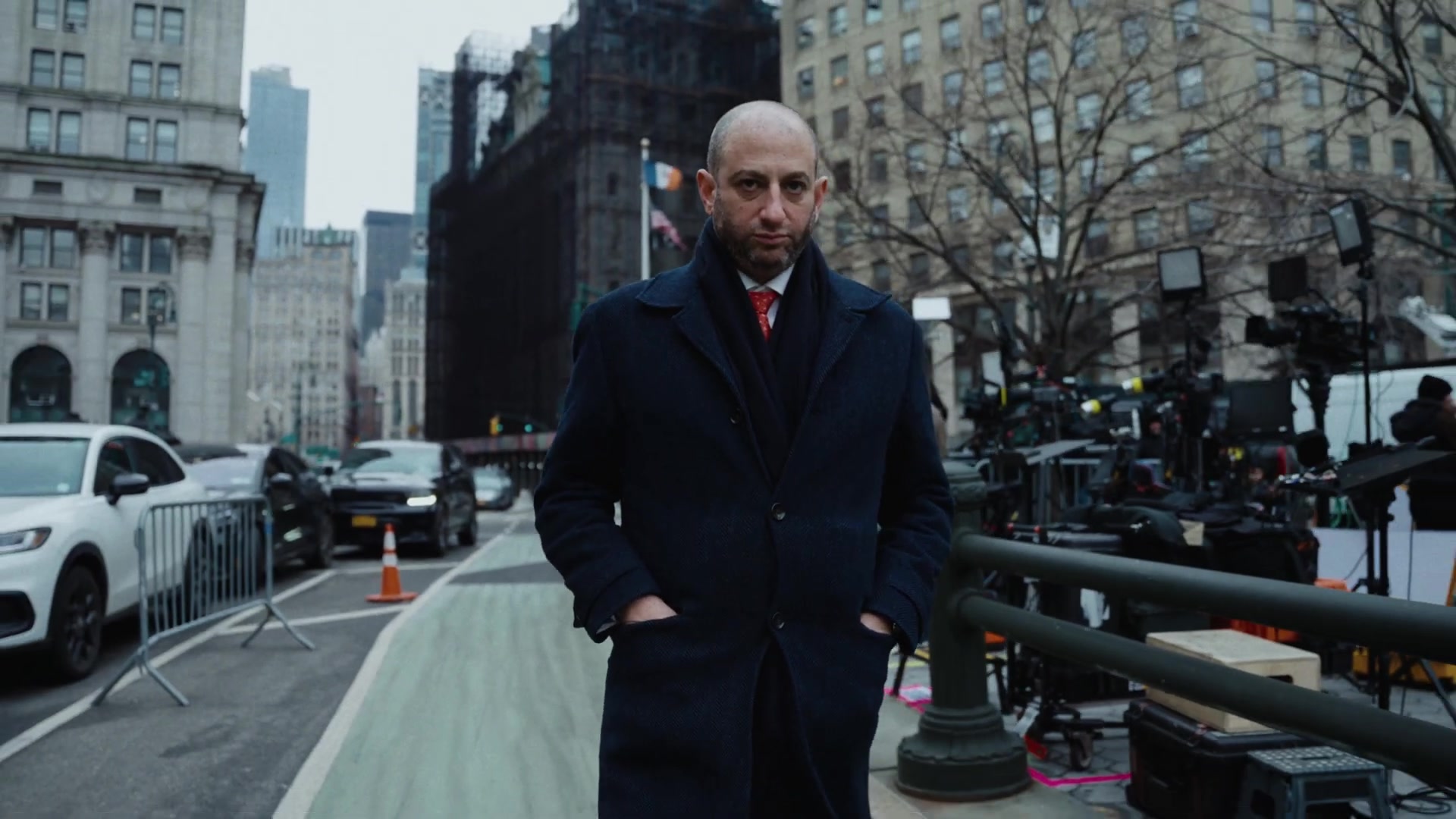
Defense Team Spotlight
Todd Spodek
Lead Attorney & Founder
Featured on Netflix’s “Inventing Anna,” Todd brings decades of experience defending clients in complex criminal cases.
Call us RIGHT NOW at 212-300-5196
Wire fraud investigations move FAST - don't wait!
Former federal prosecutors - Wire fraud defense specialists - Available 24/7!
Frequently Asked Questions
No. You have the right to remain silent and the right to an attorney. Invoke both rights immediately and contact Spodek Law Group.
Every case is different. We offer free initial consultations to evaluate your case and discuss our fee structure.
An arraignment is your first court appearance where charges are formally read. You enter a plea and bail may be set. Having an attorney present is critical.