
First-Time Offender: Will I Go to Prison for PPP Fraud?
You have no criminal record. You've never been arrested. You've never been inside a courtroom except for jury duty. And now you're searching "first-time offender PPP fraud" because you think your clean history means something. You think it protects you. You think judges will see that you're not a criminal - just someone who made a mistake during a pandemic when the rules were confusing and the government was throwing money at anyone who could fill out a form. That assumption - that "first-time offender" means leniency - is the most dangerous thing you can carry into federal court in 2024 or 2025. Welcome to Spodek Law Group. Our goal is to explain what your clean record actually means when federal prosecutors charge you with PPP fraud: almost nothing. Kelton McClarrin was a first-time offender. No criminal history. Fraudulent PPP application for $21,000. The sentencing guidelines for someone with no record and that loss amount recommend 6-12 months. McClarrin received 18 months in federal prison - above the guidelines. In 2024. As a first-time offender. With a small amount. The era of pandemic sympathy is over. Here's the revelation that changes everything about how you should prepare for federal sentencing: defendants sentenced in 2024-2025 are receiving prison terms 40% longer on average than those sentenced in 2021-2022 for identical conduct. Same crime. Same amount. Same clean record. But sentenced three years later - and receiving significantly more prison time. Federal judges are angry about pandemic fraud. They're not giving passes for first-time offender status anymore. Being a first-time offender doesn't mean probation. It means you get prison instead of MORE prison.The First-Time Offender Myth: What Your Clean Record Actually Means in Federal Court
Heres what people beleive about first-time offender status: the judge will see your clean record, recognize that your not a danger to society, and give you probation or home confinement. Maybe some community service. Definately not federal prison. Thats the myth. Heres the reality. Out of thousands of PPP fraud sentencings reported so far, only two defendants received probation. Two. Everyone else - regardless of criminal history, regardless of the amount, regardless of there personal circumstances - recieved prison time. First-time offenders, people who had never comitted a crime in there lives, are serving federal sentences right now. The federal sentencing guidelines take your criminal history into account through a "category" system. Category I means no criminal history - the best possible position. But being in Category I dosent mean no prison. It means you start at the bottom of the guideline range for your offense level. And that range, for fraud cases, almost always includes incarceration. In federal PPP fraud cases, "first-time offender" means you start at the bottom of your guideline range - it does not mean you avoid prison. The problem is that your offense level - not your criminal history - drives the sentence. A $20,000 fraud with specific offense characteristics might put you at offense level 12-15. Even with Category I criminal history, thats 10-21 months under the guidelines. And judges are sentencing above guidelines in PPP cases. Your clean record gets you to the starting line. It dosent get you across it.2024-2025: Why Judges Are Sentencing 40% Longer Than Before
Something changed between 2022 and 2024. Defendants who commited identical fraud - same amount, same scheme, same first-time offender status - are recieving significently harsher sentences if there sentencing happens now rather then two years ago. Heres why. Federal judges have judicial fatigue with pandemic fraud. They've seen thousands of cases. Theyve heard every excuse. The defendant who claims they were confused about program rules sounds exactly like the previous thousand defendants who claimed the same thing. The sympathy that existed in 2021 - when judges understood that the pandemic created genuine confusion and desperation - has evaporated. The Department of Justice established a COVID-19 Fraud Task Force specificaly to prosecute pandemic relief fraud. That prioritization signals to judges that harsh sentences are expected. When DOJ makes something a priority, judges respond. The political climate around pandemic fraud has shifted from "understandable mistakes during crisis" to "theft from taxpayers during national emergency." Theres also a deterrence component. Judges know that there still processing PPP fraud cases - the statute of limitations was extended to 10 years. More defendants are coming. Harsh sentences now are meant to deter future defendants and signal that pandemic fraud will not be treated leniently. The result is what defense attorneys are seeing in courts across the country: first-time offenders with small amounts recieving prison sentences that would have been unthinkable in 2021. The same conduct that might have resulted in probation three years ago now results in federal incarceration. Look at the pattern across recent cases. Richard Nieto, a Morrison Colorado resident, recieved 46 months in federal prison plus $962,438 in restitution for PPP fraud involving wire fraud and money laundering. Thats almost four years in federal prison. Tommy Hawkins, a bank manager who coordinated fraudulent PPP applications, recieved 65 months - more then five years. A Georgetown Texas couple recieved a combined 32 years for a $3 million scheme. These arent sentences from 2021 when judges were still adjusting to pandemic fraud. These are 2024 and 2025 sentences. They reflect where the judiciary stands now.The Guidelines Math: What Your Sentence Range Actually Is
⚖ Legal Pulse: Key Statistics
15,000+
Federal Cases Filed Annually
90%
Plea Before Trial
- $6,500 to $15,000: Add 2 levels (level 9)
- $15,000 to $40,000: Add 4 levels (level 11)
- $40,000 to $95,000: Add 6 levels (level 13)
- $95,000 to $150,000: Add 8 levels (level 15)
- $150,000 to $250,000: Add 10 levels (level 17)
- Level 11 ($15k-$40k loss): 8-14 months
- Level 13 ($40k-$95k loss): 12-18 months
- Level 15 ($95k-$150k loss): 18-24 months
- Level 17 ($150k-$250k loss): 24-30 months
The Zero-Point Offender Trap: Why Amendment 821 Won't Save Most PPP Defendants
Theres a provision in the sentencing guidelines that sounds like it was designed for first-time offenders in fraud cases. Amendment 821, which went into effect November 1, 2023, provides a 2-level reduction for "zero-point offenders" - defendants with no criminal history whose offense dosent involve certain aggravating factors. Heres the trap. Most PPP fraud defendants dont qualify. The zero-point offender provision under USSG 4C1.1 requires that the defendant did not recieve any fraud-related enhancements for "substantial financial hardship" to victims. If your fraud affected vulnerable victims, if it caused substantial financial harm, if certain other enhancements apply - your disqualified from the zero-point reduction. The Department of Justice's COVID-19 Fraud Task Force has argued that PPP fraud caused substantial harm to the Small Business Administration and, by extension, taxpayers. If prosecutors succesfully argue for a substantial financial harm enhancement - common in fraud cases - the defendant loses eligibility for the zero-point reduction. Heres the cruel irony: Amendment 821 was designed to help first-time offenders. But the enhancement structure in fraud cases means many defendants who would seem to qualify - clean record, non-violent offense - are disqualified by fraud-specific enhancements that prosecutors routinely request. The 2-level reduction from Amendment 821 could mean the difference between Zone C (split sentence possible) and Zone D (imprisonment required). But if your disqualified by enhancements, the reduction dosent apply. And in PPP fraud cases, disqualification is common. At Spodek Law Group, we analyze wheather clients might qualify for zero-point status early in the case - and fight enhancement applications that would disqualify them. The zero-point provision also has other disqualifying factors that affect PPP fraud cases. If your offense involved 10 or more victims, your disqualified. If you violated a judicial protection order or were on probation or supervised release when you commited the fraud, your disqualified. If the offense is deemed an "otherwise serious offense" - and federal prosecutors argue that pandemic fraud is inherently serious - the zero-point reduction may not apply even if you technically meet the other criteria. Heres the bottom line on Amendment 821: it sounds helpful, it looks like it was designed for exactly your situation, and your probably not going to get it. The gap between what the amendment promises and what PPP fraud defendants actualy receive is one of the cruelest aspects of the current sentencing landscape. Defense attorneys see this regularly - clients who assume the zero-point reduction will apply, only to discover at sentencing that enhancements have disqualified them.Probation for PPP Fraud: Almost Non-Existent
Lets be direct about something. Probation for PPP fraud is almost completley non-existent. Out of the thousands of cases that have been sentenced, the reported data shows only two defendants received probation. Two cases out of thousands. That's the statistical reality of probation in PPP fraud prosecutions. What made those two cases different? Extraordinary circumstances that most defendants dont have. Severe medical conditions that made incarceration particulary dangerous. Primary caretaking responsibilities for young children that couldnt be transferred. Genuine businesses that failed during the pandemic and created sympathetic facts. Even then - even with compelling personal circumstances - most judges still impose at least some prison time. The myth of probation for first-time offenders in white collar cases comes from an earlier era. Before pandemic fraud became a DOJ priority. Before judges processed thousands of identical PPP cases. Before the political climate shifted against pandemic relief recipients who misused funds. If your expecting probation because your a first-time offender - recalibrate your expectations. The question isnt wheather you'll go to prison. The question is for how long. The judiciary has shifted its perspective on pandemic fraud in ways that arent always visible until your in the sentencing hearing. Judges who might have been sympathetic in 2021 are now viewing these cases through a different lens. Theyve seen defendants who commited fraud while collecting unemployment. Theyve seen defendants who used PPP funds to buy luxury goods while employees went unpaid. Theyve seen the scope of the theft from pandemic relief programs. That accumulated experience has hardened attitudes across the federal bench. Consider Kelton McClarrin again. First-time offender. $21,000 in fraudulent PPP funds. The guidelines recommended 6-12 months. The judge imposed 18 months - above the top of the guideline range. If someone with those facts - small amount, clean record, guilty plea - received above-guidelines prison time, what does that tell you about judicial attitudes toward PPP fraud in 2024?
What Actually Reduces Sentences (And What Doesn't Work)
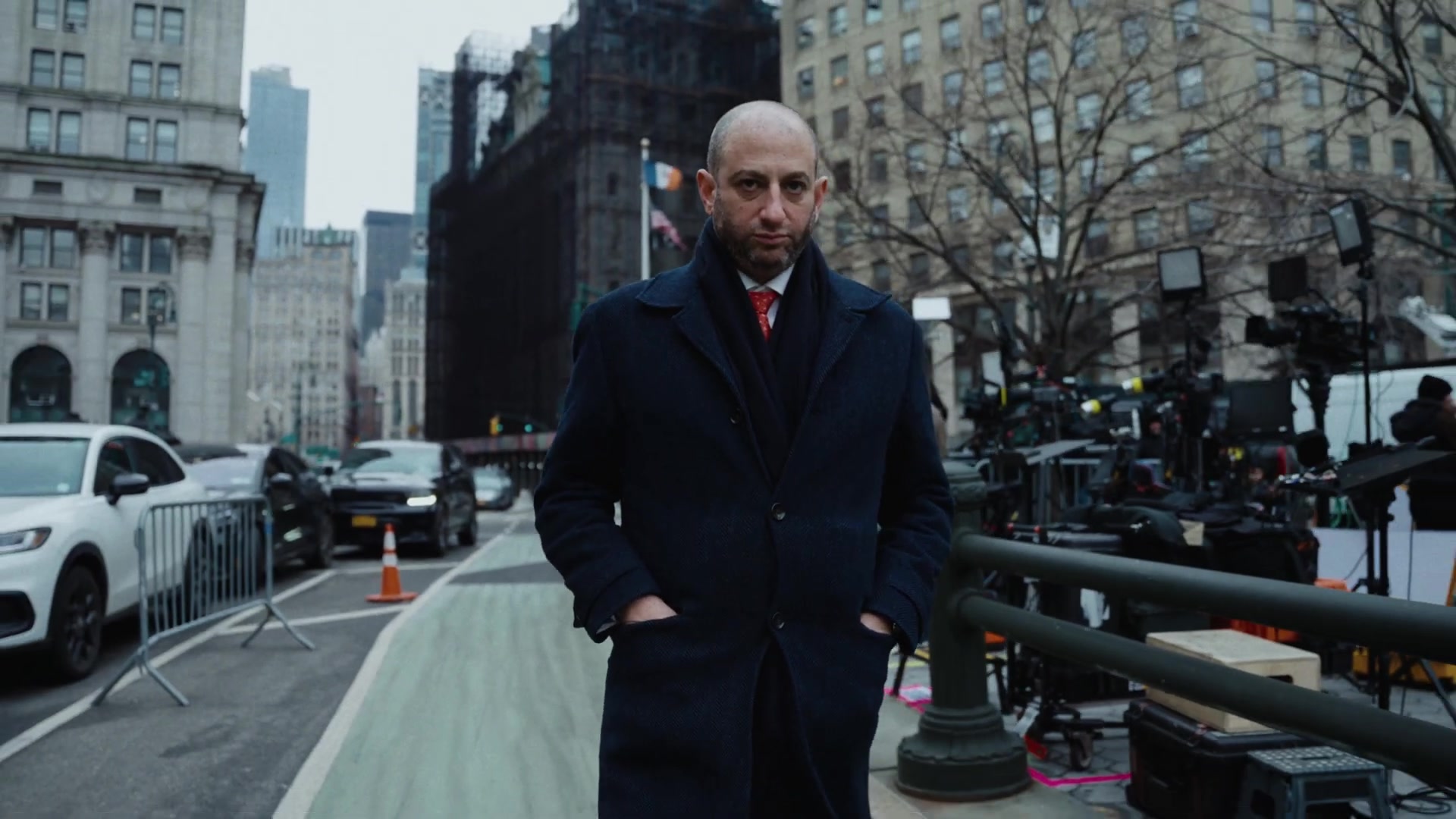
Defense Team Spotlight
Todd Spodek
Lead Attorney & Founder
Featured on Netflix’s “Inventing Anna,” Todd brings decades of experience defending clients in complex criminal cases.
Multi-State Bar
Federal Courts
US Supreme Court
Meet the Full Team →
Preparing for Sentencing: The Window Before Charges
The time to prepare for federal sentencing isnt after your convicted - its before your even charged. The window between investigation and indictment is when defense strategy can have the most impact on eventual sentencing. Step 1: Retain Federal Defense Counsel Immediately If investigators have contacted you, if you've recieved a target letter, if you know your PPP loan is under scrutiny - the time for counsel is now. Not when charges are filed. Not when you've already talked to investigators. The pre-charge period is when the most important decisions get made. Step 2: Understand Your Actual Exposure Before you can develop strategy, you need to know what your facing. That means calculating your likely offense level, identifying what enhancements might apply, understanding wheather you might qualify for zero-point status, and realistically assessing the probability of prison time. Step 3: Develop Mitigation Evidence Early Sentencing mitigation - the evidence that supports a lower sentence - should be gathered before charges are filed. Character letters, documentation of community service, evidence of rehabilitation, medical records if relevant. Building a mitigation package takes time. Step 4: Consider Pre-Charge Resolution In some cases, pre-charge negotiation with prosecutors can result in better outcomes then waiting for indictment. Demonstrating acceptance of responsibilty before charges are filed, arranging restitution early, and showing genuine cooperation can influence both charging decisions and eventual sentencing recommendations. Step 5: Prepare for the Reality of Incarceration If prison time is likely - and for most PPP fraud defendants it is - preparation for incarceration is practical, not defeatist. Understanding facility designation, preparing family members, arranging business affairs, and developing a post-release plan all matter. Call Spodek Law Group at 212-300-5196 for a consultation. The consultation is free. The mistake of assuming your first-time offender status means anything in federal court - that mistake is measured in months or years of federal prison. Kelton McClarrin probably thought his clean record would protect him too. He's serving 18 months in federal prison right now. For $21,000. As a first-time offender. The era of leniency for pandemic fraud is over. What matters now is preparation, realistic expectations, and experienced federal defense counsel who understand what judges are actually doing in 2024 and 2025 - not what they did in 2021. First-time offender status gets you to the starting line. It doesn't get you home.Frequently Asked Questions
No. You have the right to remain silent and the right to an attorney. Invoke both rights immediately and contact Spodek Law Group.
Every case is different. We offer free initial consultations to evaluate your case and discuss our fee structure.
An arraignment is your first court appearance where charges are formally read. You enter a plea and bail may be set. Having an attorney present is critical.
Facing Criminal Charges And Have Questions? We Can Help, Tell Us What Happened.