
The 2% Reality: Why Your Fourth Amendment Rights Are Already Compromised
The numbers dont lie. When the government searches your home, your car, your phone, or your person, you have a constitutional right to challenge that search. Thats what the Fourth Amendment says. But the practical reality is that courts have created so many exceptions to the exclusionary rule that your challenge is almost certain to fail. Look at it this way. Your facing a federal case. Evidence was seized in what your lawyer says was clearly an illegal search. You file a motion to suppress. And the odds are 50-to-1 against you winning. Heres the kicker: even if you can prove the search violated your rights, the evidence might still come in. Most defendants dont beleive this when they first hear it. They come into a lawyers office convinced that the obvious Fourth Amendment violation in there case will save them. They watched the police break the rules. There lawyer confirms it. The Constitution says this shouldn't happen. And then they learn about the exceptions – and everything changes. How did we get here? The Supreme Court has spent decades building escape hatches. The good faith exception. The inevitable discovery doctrine. The independent source rule. Standing requirements. Attenuation. Each one chips away at the exclusionary rule until theres almost nothing left. Todd Spodek has seen this pattern in hundreds of federal cases – clients who believe they have a slam-dunk suppression issue, only to discover that one of these exceptions swallows their argument whole. The theoretical foundation matters here. And its worth understanding. The exclusionary rule wasn't created to help defendants. The Supreme Court created it to deter police misconduct. And the Court has basicly said: if deterrence wont work in a particular situation, then exclusion isn't warranted. This shifts the entire analysis away from "was your rights violated" and toward "will excluding this evidence change police behavior." Those are completely different questions – and the second one almost always favors the government.The Good Faith Trap: How Courts Let Illegal Searches Stand
According to a Georgetown Law Journal study, the good faith exception is discussed in more then one out of every six suppression cases. Its actually applied in one out of every eight. And heres what should really concern you: in nearly 30% of cases were the good faith exception is applied, courts completely avoid making any ruling on weather the search was even constitutional. Let that sink in. The court dosent say "this search was legal." The court says "even if this search was illegal, the officer thought it was legal, so the evidence comes in anyway." The good faith exception comes from United States v. Leon, a 1984 Supreme Court case. The logic goes like this: the exclusionary rule exists to deter police misconduct. If an officer reasonbly believes theyre acting within the law – say, relying on a warrant that turns out to be defective – then excluding the evidence wont deter anything becuase the officer was trying to follow the rules. OK so what does this mean for your case? It means that even if your lawyer can prove the warrant was issued without probable cause, the evidence probly stays in. The prosecution just has to argue that the officer reasonbly relied on the magistrates determination. Courts bend over backwards to find officers acted in good faith. The result is that the constitutional protection you thought you had basicly doesn't exist. Heres the uncomfortable truth that defense lawyers know but rarely say out loud: the good faith exception has essentialy transformed the Fourth Amendment from a defendant protection into a police protection. As long as officers follow procedures – even flawed procedures – theres almost no consequence for violating your constitutional rights.The Standing Paradox: When Someone Elses Rights Dont Protect You
Heres something that shocks almost every defendant when they first hear it: you cannot challenge an illegal search of someone elses property. Even if the evidence found there is being used to send you to prison. Consider Rawlings v. Kentucky. The defendant admitted that drugs found in his friends purse belonged to him. The search of the purse was illegal – everyone agreed on that. But the Supreme Court said he couldnt suppress the evidence becuase it wasnt his purse that was searched. His friends constitutional rights were violated, not his. Think about the implications. Your in a car with friends. Police illegaly search the vehicle. They find contraband that belongs to you. But you werent the driver. You dont own the car. Under Rakas v. Illinois, you have no standing to challenge the search becuase you had no "privacy interest" in the interior of someone elses vehicle. This happens constantly in federal cases. Drugs found in a girlfriends apartment. Evidence seized from a business partners office. Documents taken from a relatives home. The search might be blatently unconstitutional, but if you dont have a recognized privacy interest in the location searched, your stuck. The evidence comes in against you, and theres nothing you can do about it. At Spodek Law Group, weve seen clients devastated when they learn this. They assumed that if the search was illegal, the evidence couldnt be used. No one told them about standing requirements. The perverse incentive here is something courts dont like to acknowledge. Police actualy have motivation to search third-party locations rather then the suspects own property. If they search your home illegaly, you can suppress the evidence. If they search your girlfriends apartment illegaly – where they might find the exact same evidence – she can challenge it but you probably cant. This creates a systematic incentive for constitutional violations, and courts have done nothing to address it.Franks Hearings: The Nearly Impossible Challenge to Lying Cops
⚖ Legal Pulse: Key Statistics
15,000+
Federal Cases Filed Annually
90%
Plea Before Trial
What Actualy Gets Suppressed (And Why Its So Rare)
So when does suppression actualy work? The honest answer: almost never. But there are narrow categories were you have a chance. Heres what those categories look like in practice – and why even these narrow openings are harder to exploit then you might expect. Complete absence of warrant when warrant was required. If police searched your home without a warrant and cant point to any exception, you have your strongest argument. But the government will always claim an exception – consent, exigent circumstances, plain view. And courts are generous in accepting these claims. The burden shifts to the defendant to disprove the exception, which is exactly backwards from what the Constitution seems to require. Warrant so obviously defective that no officer could rely on it. If the warrant contains no description of what officers could seize, or lists the wrong address entirely, the good faith exception might not apply. But these situations are rare, and courts give officers alot of leeway. "Ministerial errors" – wrong apartment numbers, typos in addresses, vague descriptions – are often forgiven as long as officers had the "right" place in mind. Search that exceeded warrant scope. If the warrant authorized searching for stolen electronics and officers instead searched through personal letters, you might have an argument. But courts often find officers were acting in good faith by looking everywhere evidence might reasonably be found. The "plain view" doctrine means anything officers see while executing a valid warrant can be seized, even if unrelated to the warrants purpose. Fourth Amendment violation so egregious it shocks the conscience. Were talking about situations like planting evidence or conducting a search purely for harassment. These cases are extremely rare and difficult to prove. Even when they occur, proving them requires overcoming the presumption that officers acted in good faith – a presumption that courts are reluctant to abandon.Your Phone at the Border: The Fourth Amendment Exception You Didnt Know Existed
Now heres something that catches almost everyone by suprise. Theres another massive exception that most people dont know about until its too late: the border search doctrine. And it might be the most troubling exception of all becuase it applies to millions of ordinary travelers every year. The Seventh Circuit recently held that CBP agents can search your cell phone at the border without a warrant, without probable cause, and without even reasonable suspicion. Every other circuit that has considered the question has agreed. This means millions of travelers crossing the U.S. border have effectivly no Fourth Amendment protection for the most personal device they own. You might think Riley v. California protects you. After all, the Supreme Court unanimously held that police generaly need a warrant to search cell phones. But the border exception swallows this protection whole. When you enter the country, your phone becomes an open book. This matters for federal cases because evidence obtained at the border can be used in prosecutions across the country. Business travelers, tourists, returning citizens – all are vulnerable to having there phones searched and there data used against them later. The implications extend beyond individual privacy. If you travel internationally for business, every communication on your phone – client confidences, trade secrets, privileged legal discussions – becomes accessable to government agents without any showing of wrongdoing. There is currenly no Supreme Court decision limiting border searches of electronic devices, and until that changes, the exception remains effectivly unlimited.Making the Decision: When to Fight and When to Fold
Given everything above, you might wonder why anyone bothers filing suppression motions at all. Heres the thing: the answer involves strategic calculation that goes beyond the motion itself. Sometimes the motion isn't about winning. Its about what you learn along the way, what leverage you create, and what rights you preserve for later. The discovery function. Suppression hearings force the government to reveal evidence and witnesses. Officers must testify under oath about what they did and why. Inconsistencies emerge. Weaknesses in the prosecutions case become visible. Even if you lose the motion, you gain information that helps at trial. The plea negotiation leverage. A strong suppression motion – even one unlikely to succeed – can influence plea discussions. Prosecutors prefer certainty. If theres any chance the key evidence gets excluded, they may offer better terms to avoid the risk. Todd Spodek has used suppression motions strategicaly in cases were the motion itself wasnt the goal – the goal was creating leverage for negotiation. The appellate preservation. If your convicted and want to appeal on Fourth Amendment grounds, you must have raised the issue in the trial court. Waiving the motion means waiving the argument forever. Even a losing motion preserves your rights for appeal. And appeals courts occasionaly see things differently then trial judges – especially on novel constitutional questions were the law is still developing. The principle. Sometimes clients want to fight on constitutional grounds regardless of the odds. They want the court to acknowledge that there rights were violated, even if the evidence isnt suppressed. This is there right, and we respect it.
The Defense Strategy That Works When Suppression Doesn't
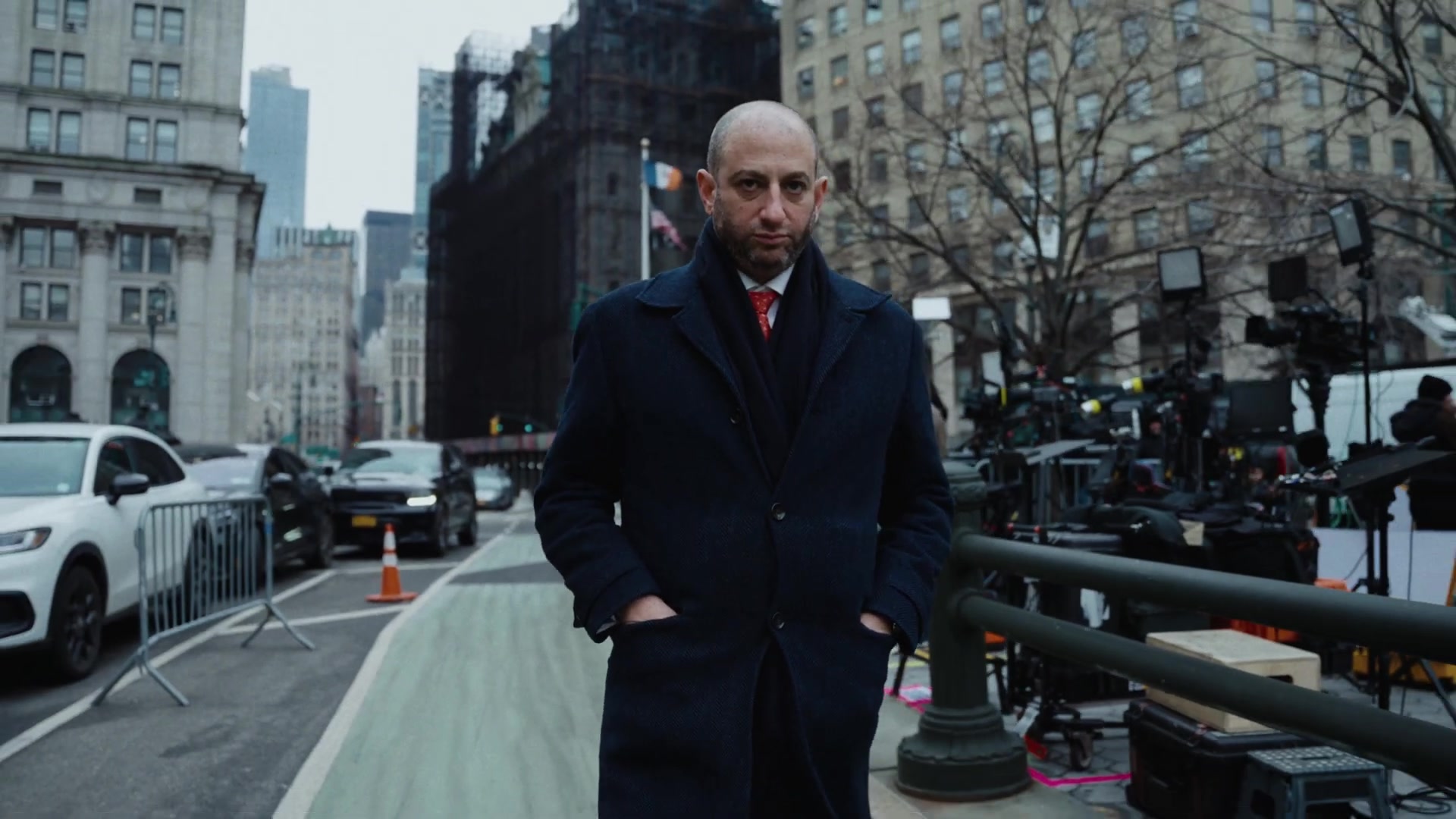
Defense Team Spotlight
Todd Spodek
Lead Attorney & Founder
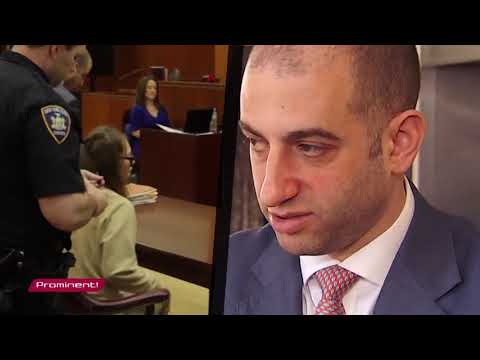
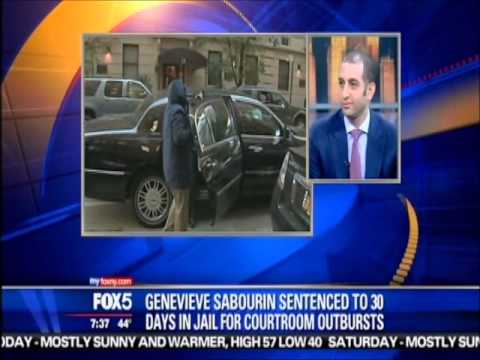
Featured on Netflix’s “Inventing Anna,” Todd brings decades of experience defending clients in complex criminal cases.
Multi-State Bar
Federal Courts
US Supreme Court
Meet the Full Team →
Sources:
- Office of Justice Programs Study on Suppression Motions
- Georgetown Law Journal: The Reality of the Good Faith Exception
- Cornell Law: Fourth Amendment
- Cornell Law: Motion to Suppress
- Congress.gov: Standing to Suppress Illegal Evidence
- Justia: Fourth Amendment Standing
Frequently Asked Questions
No. You have the right to remain silent and the right to an attorney. Invoke both rights immediately and contact Spodek Law Group.
Every case is different. We offer free initial consultations to evaluate your case and discuss our fee structure.
An arraignment is your first court appearance where charges are formally read. You enter a plea and bail may be set. Having an attorney present is critical.
Facing Criminal Charges And Have Questions? We Can Help, Tell Us What Happened.