
Grand Larceny of Weapons in New York
Understanding Larceny and Grand Larceny
In legal terms, theft is called larceny, which is considered a petty crime or petit larceny. However, when it is theft of a property with a more significant amount, it becomes grand larceny. In the United States, the value of the property should be at least $400, but in New York and some states, it should be $1,000 in value or more. Unlike larceny, grand larceny is mostly viewed as a felony, and so, there is a possibility of a much harsher sentence.New York City's Strict Weapons Laws
In New York City, there are strict laws when it comes to weapons. In fact, prosecutors in the city, as well as Manhattan, Bronx, Brooklyn, and other surrounding suburbs have a zero tolerance policy whenever they handle cases involving weapons or firearms. Compared to most places, it is tougher to buy guns in New York City.Punishment for Stealing Weapons
Legal Definition of Larceny and Property
⚖ Legal Pulse: Key Statistics
15,000+
Federal Cases Filed Annually
90%
Plea Before Trial
Grand Larceny in the Fourth Degree
Grand larceny relating to firearms or any weapon is under the New York Consolidated Laws, Penal Law - PEN § 155.30., which is Grand Larceny in the Fourth Degree. As stated in subsection seven (7), a person has committed grand larceny in the fourth degree when he or she steals property that consists of at least one firearm, shotgun, or rifle. In truth, Grand Larceny in the Fourth Degree is considered the least severe out of the grand larceny charges. However, it is still a felony, and there is the possibility of going to jail. Other grand larceny charges are:| Grand Larceny in the Third Degree | Class D felony | Value of stolen property is at least $3,000 | Probation or serving jail time of up to seven years |
| Grand Larceny in the Second Degree | Class C felony | Property that is more than $50,000 in value | Probation or prison time of up to 15 years |
| Grand Larceny in the First Degree | Class B felony | Most serious charge | Maximum sentence of 25 years in prison |
Sentencing for Firearm Theft
If a person is charged with grand larceny of a firearm, he or she could be put to prison for up to four years. Possessing stolen firearm that is loaded is even worse as it can lead to a "C" felony charge. It means that a person can stay in jail for up to 15 years, along with a mandatory punishment of three and a half years in prison as the minimum sentence.Weapons Involved
While the term property could mean anything of value according to law, the term "firearm" also has a specific definition. It involves the following: Rifle, Shotgun, Revolver, Pistol, Assault weapon The term "firearm" also describes any weapon made from a shotgun or a rifle. Meanwhile, antique firearms are not included in the definition as stated in the N.Y. Pen. Law § 265.00(3).
Additional Crimes
Defense Team Spotlight
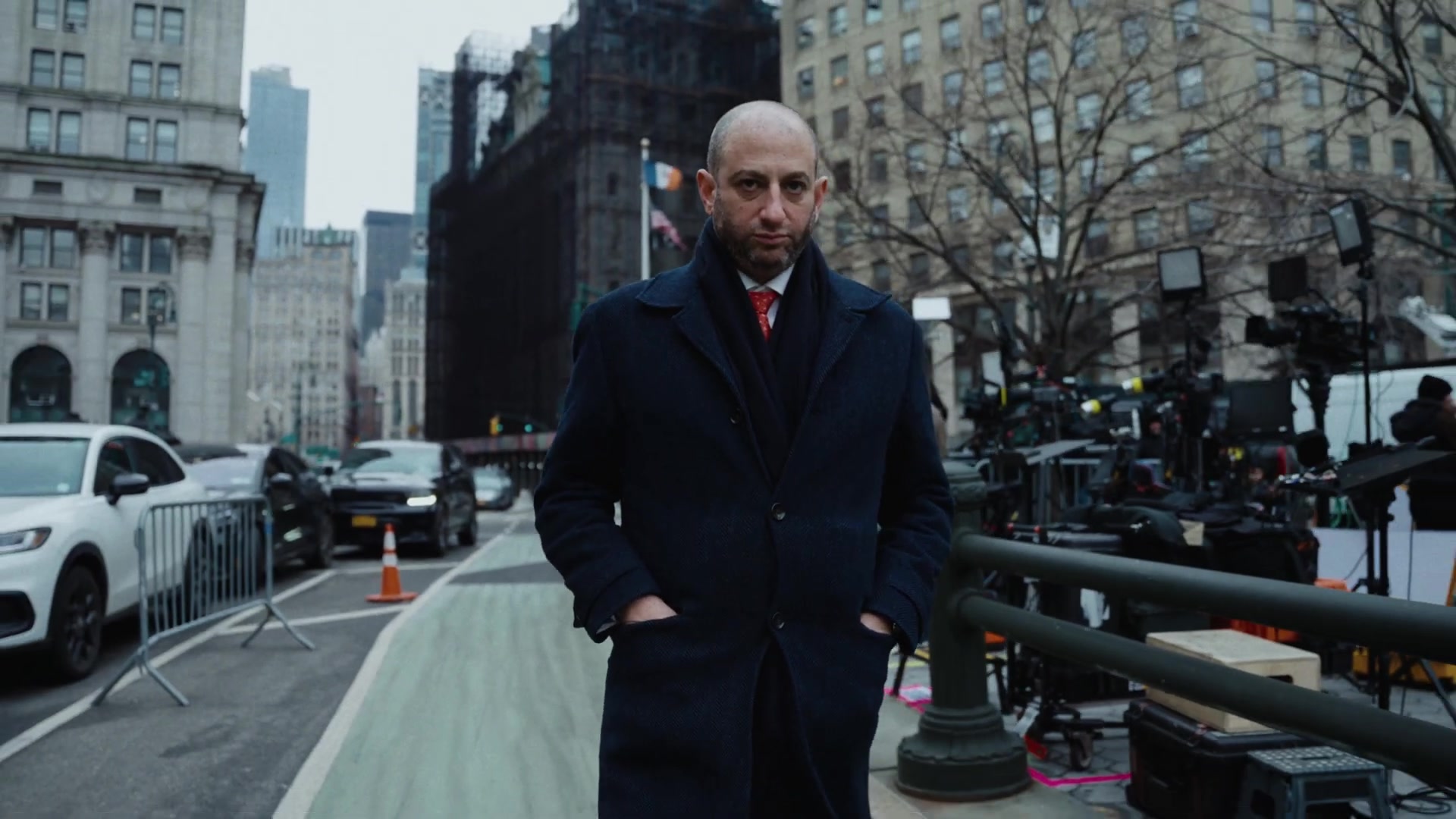
Todd Spodek
Lead Attorney & Founder
Featured on Netflix’s “Inventing Anna,” Todd brings decades of experience defending clients in complex criminal cases.
Multi-State Bar
Federal Courts
US Supreme Court
Meet the Full Team →
| If a person is found what a firearm that is not duly licensed and registered | Criminal possession of the firearm in the Fourth Degree | Class A misdemeanor | N.Y. Pen. Law § 265.01 |
| A person is found with a firearm with the intent of using it against another individual | Criminal possession in the Second Degree | Felony charge | N.Y. Pen. Law § 265.03 |
| A person with at least ten firearms | Criminal possession of firearms in the First Degree | Most serious for gun crimes - up to 25 years in prison if convicted | N.Y. Pen. Law § 265.04 |
The Importance of Legal Representation
If you have been implicated or accused of grand larceny charge because of stealing a weapon or firearm, a competent representation is a complete must. It is not suggested that you wait for your arrest or arraignment before you contact a lawyer. Make sure that you have someone with experience and know-how regarding the criminal justice system in the state so that you get the guidance you need right from the beginning of your case.Frequently Asked Questions
No. You have the right to remain silent and the right to an attorney. Invoke both rights immediately and contact Spodek Law Group.
Every case is different. We offer free initial consultations to evaluate your case and discuss our fee structure.
An arraignment is your first court appearance where charges are formally read. You enter a plea and bail may be set. Having an attorney present is critical.
Facing Criminal Charges And Have Questions? We Can Help, Tell Us What Happened.