
How Federal Bail and Detention Hearings Work
Welcome to Spodek Law Group. If you are facing a federal detention hearing, you probably think the key question is how much money you need to raise. Our goal is to help you understand that federal bail works completely differently than state bail, and money is almost irrelevant to your pretrial freedom. The Bail Reform Act of 1984 fundamentally changed how federal courts decide who goes home and who stays locked up. Most people imagine federal bail the way they have seen it in movies and state courts. They picture a judge setting a number, family members scrambling to raise money, and a bondsman posting the amount in exchange for a fee. This is not how the federal system works. In federal court, the question is not whether you can pay. The question is whether the government can prove you should be detained, or in certain cases, whether you can prove you should be released. The real shock for most federal defendants is learning that the statute actually prohibits judges from using money to detain people. Under 18 USC 3142, judges may not impose a financial condition that results in pretrial detention. Money cannot be the reason you stay in jail. Instead, your freedom depends on a four-factor test that examines the nature of the offense, the weight of evidence against you, your history and characteristics, and the danger you pose to the community. If you are preparing to raise bail money instead of preparing to rebut these factors, you are preparing for the wrong battle entirely.Why Your Bail Money Is Almost Irrelevant
Heres the thing most defendants get completley wrong about federal bail. They think having money to post means going home. They start calling family members, liquidating retirement accounts, and gathering property deeds to use as collateral. There wasting there time on the wrong problem. The Bail Reform Act explicitley prohibits judges from setting financial conditions designed to keep you in jail. The statute says it directly: the judicial officer may not impose a financial condition that results in the pretrial detention of the person. This isnt buried in fine print. Its the law. Federal judges cannot use bail amounts to detain you the way state judges sometimes do. OK so what does this actualy mean in practice. It means a wealthy defendant who offers $10 million in secured bonds might still be detained if the judge finds them to be a flight risk or danger to the community. It means a defendant with modest resources might be released on personal recognizance if there community ties are strong enough. The amount of money you can raise is not the question the judge is asking. Think about the incentives here. Congress designed this system specificaly to address the problem of wealth-based detention. Before the Bail Reform Act, rich defendants bought freedom while poor defendants sat in jail for months awaiting trial on the same charges. The 1984 law tried to fix that by making danger and flight risk the questions, not net worth. Heres were it gets ironic. The system designed to help poor defendants has made it harder for everyone to get released. By deemphasizing money, Congress also gave judges more authority to detain people based on subjective assessments of dangerousness. Only 42% of federal defendants get released pretrial today. Thats down from 51% in 2008. The trend is toward more detention, not less. The practical takeaway is this. Stop thinking about how much you can raise. Start thinking about how you will prove your not a flight risk or danger. Your lawyer shouldnt be asking how much collateral you can gather. Your lawyer should be gathering evidence of community ties, employment stability, family support, and supervision arrangements. Thats what actualy determines weather you go home.The Presumption That Starts You Detained
Heres something that genuinley surprises most federal defendants. For certain categories of charges, the law presumes you should be detained. You walk into the courtroom having already lost. Your job isnt to defend against detention. Your job is to rebut a presumption that was created the moment they charged you. Under 18 USC 3142(e), a rebuttable presumption of detention applies to these categories of cases: drug offenses with a maximum sentence of 10 years or more, crimes of violence as defined by the statute, offenses involving firearms used in connection with drug trafficking or crimes of violence, certain terrorism offenses, and offenses with maximum sentences of life imprisonment or death. Let that sink in for a moment. If your charged with a drug conspiracy carrying a 10-year maximum, the law already assumes there are no conditions that will reasonably assure your appearance or the safety of the community. The government doesnt have to prove you should be detained by clear and convincing evidence. YOU have to prove you shouldnt be detained by a preponderance of evidence. The burden flipped before you said a word. This is the paradox at the heart of federal pretrial detention. You walk into court presumed innocent of the crime. But you walk in presumed to be dangerous if the charge falls into one of these categories. Two presumptions working against each other, and the detention presumption usualy wins. Heres how it plays out practicaly. The prosecutor stands up and proffers evidence based on the complaint and investigative reports. This takes a few minutes. Then you have a few minutes to present contrary evidence to rebut the presumption. If you havnt prepared witnesses, documentation of community ties, and a concrete supervision plan, you have nothing to offer. The presumption stands. You get detained. The realy troubling part is what charges trigger this presumption. Almost any serious federal drug case qualifys. Conspiracy to distribute cocaine, heroin, methamphetamine, or fentanyl almost always carrys a 10-year or higher maximum. Marijuana cases can trigger the presumption if quantitys are large enough. Firearms cases involving 18 USC 924(c) automaticaly trigger it. For the types of cases that dominate federal dockets, the presumption applys to the vast majority of defendants. At Spodek Law Group, Todd Spodek and the defense team understand that the moment they see the charging document, they know weather the presumption applies. Preparation for the detention hearing starts immediately, because beating the presumption requires evidence that takes time to gather. Waiting until the morning of the hearing is already to late.The 42% Reality: Who Actually Gets Released
⚖ Legal Pulse: Key Statistics
15,000+
Federal Cases Filed Annually
90%
Plea Before Trial
The Four Factors That Actually Decide Your Freedom
Since money isnt the question, what is. The statute lays out four factors that judges must consider when deciding weather to release or detain a defendant. Understanding these factors is essential because there what your defense actualy needs to address. Factor one is the nature and circumstances of the offense charged. This includes wheather the offense is a crime of violence, wheather it involves drugs, wheather firearms were used, and the seriousness of the maximum penalty. This factor often works against defendants because the government chooses the charges. A prosecutor who charges a drug conspiracy with enhancement provisions has already moved this factor toward detention. Factor two is the weight of the evidence against you. This doesnt mean the judge is deciding guilt or innocence. It means the judge is assessing how strong the governments case looks. If the complaint includes recorded conversations, cooperating witnesses, and physical evidence, the weight of evidence factor cuts toward detention because defendants with strong cases against them have more incentive to flee. Factor three is the history and characteristcs of the defendant. This is were your preparation matters most. The judge consideres your character, physical and mental condition, family ties, employment, financial resources, length of residence in the comunity, comunity ties, past conduct, history of drug or alcohol abuse, criminal history, record of apearance at previous court procedings, and weather you were on probation or parole at the time of the current offense. Factor four is the nature and seriousness of the danger posed by release. If the goverment argues you are a danger to a specific person or to the comunity generaly, this factor becomes criticaly important. Crimes of violence, drug trafficking, and firearms offenses all raise dangerousness concerns that the defense must address. Heres the thing defendants often miss. You need to adress all four factors, not just the ones that favor you. If the offense is serious but you have perfict comunity ties, you still need to aknowledge the seriousness and explain why supervision can mitigate the concerns. Cherry-picking the good factors while ignoring the bad ones definately doesnt work. Judges see through it. At Spodek Law Group, we help clients gather evidence on every factor. Employment verification letters. Property records showing ownership. Statements from family members willing to serve as third-party custodians. Documentation of community involvement. Medical records if relevant to supervision conditions. The goal is to present a complete picture that addresses every concern the judge might have, not just the concerns that are easiest to address.Pretrial Services: The Hearing Before The Hearing
Before you ever see the magistrate judge, something critical happens that most defendants dont understand. A pretrial services officer interviews you. That officer writes a report. That report goes directly to the judge before your detention hearing. And judges follow pretrial services recommendations approximately 70-80% of the time. The pretrial services interview is the hearing before the hearing. What you say to that officer shapes the recomendation they make. If you mention that you need to travel for work, that sounds like flight risk. If you express anger about the charges or claim the whole thing is nonsense, that makes you look unstable. If you talk about substance abuse issues without explaining that your in recovery and have treatment support, that becomes a risk factor in the report. Pretrial services officers ask about your employment history, family ties, how long youve lived in the area, weather you own property, your criminal history, your substance abuse history, and your finacial situation. There trying to asess two things: are you a flight risk, and are you a danger to the comunity. Every answer you give becomes part of the recomendation. Heres whats frustrating about this process. The pretrial services officer works for the court, not for the prosecution. But there assessment often functions like a prosecution tool. A negative recommendation creates an uphill battle at the detention hearing that many defendants cannot overcome. Even if your attorney brings witnesses and documentation, the judges first impression came from that report. The smart approach is to prepare for the pretrial services interview the same way you prepare for the detention hearing. Have documentation ready. Know what questions are coming. Understand that this is not a casual conversation. Everything you say can appear in the report that the judge reads before deciding your freedom. Todd Spodek and the Spodek Law Group team coach clients on the pretrial services interview before it happens. They bring documentation of community ties. They help clients understand what to say and what not to say. They know that judges follow these recommendations the vast majority of the time, so winning at pretrial services often means winning the detention hearing.What Actually Rebuts The Presumption
If the presumption of detention applies to your case, what can you actualy do about it. The presumption is rebuttable, which means you can overcome it with sufficient evidence. But as a practical matter, rebutting the presumption is difficult and requires preparation that most defendants dont have. First, you need to produce evidence. The burden is on you. This means witnesses who can testify to your community ties, employment, family support, and character. Letters from employers are helpful but live testimony is more persuasive. Family members willing to serve as third-party custodians can make a significant difference. Property records, tax returns, and other documentation showing stability matters. Second, you need to address the specific concerns that triggered the presumption. If the charge involves drugs, you need to explain why release conditions can prevent any further drug involvement. If the charge involves firearms, you need to propose conditions that address the weapons concern. Generic arguments about being a good person dont work. Specific proposals that address specific concerns do. Third, you need to offer concrete conditions of release. This might include home detention with electronic monitoring, residence with a third-party custodian who will supervise you, surrender of passport and travel documents, regular reporting to pretrial services, substance abuse testing and treatment, restrictions on associations with co-defendants or witnesses, and any other conditions that address the courts concerns. Heres the reality that experienced defense attorneys understand. You cant just argue that the presumption shouldnt apply. You have to produce something affirmative. Witnesses. Documentation. A supervision plan. A proposed residence. A custodian willing to take responsibility. Without these pieces, youve got nothing to offer against the presumption, and nothing wins nothing. The defendants who beat the presumption are usualy those with strong documented community ties, no prior failures to appear, no prior violent history, family members who appear in court to support them, and concrete supervision arrangements that make sense. Its a combination of factors, not any single thing. And it requires preparation that starts the moment you learn about the charges.
The 72-Hour Appeal Nobody Tells You About
Defense Team Spotlight
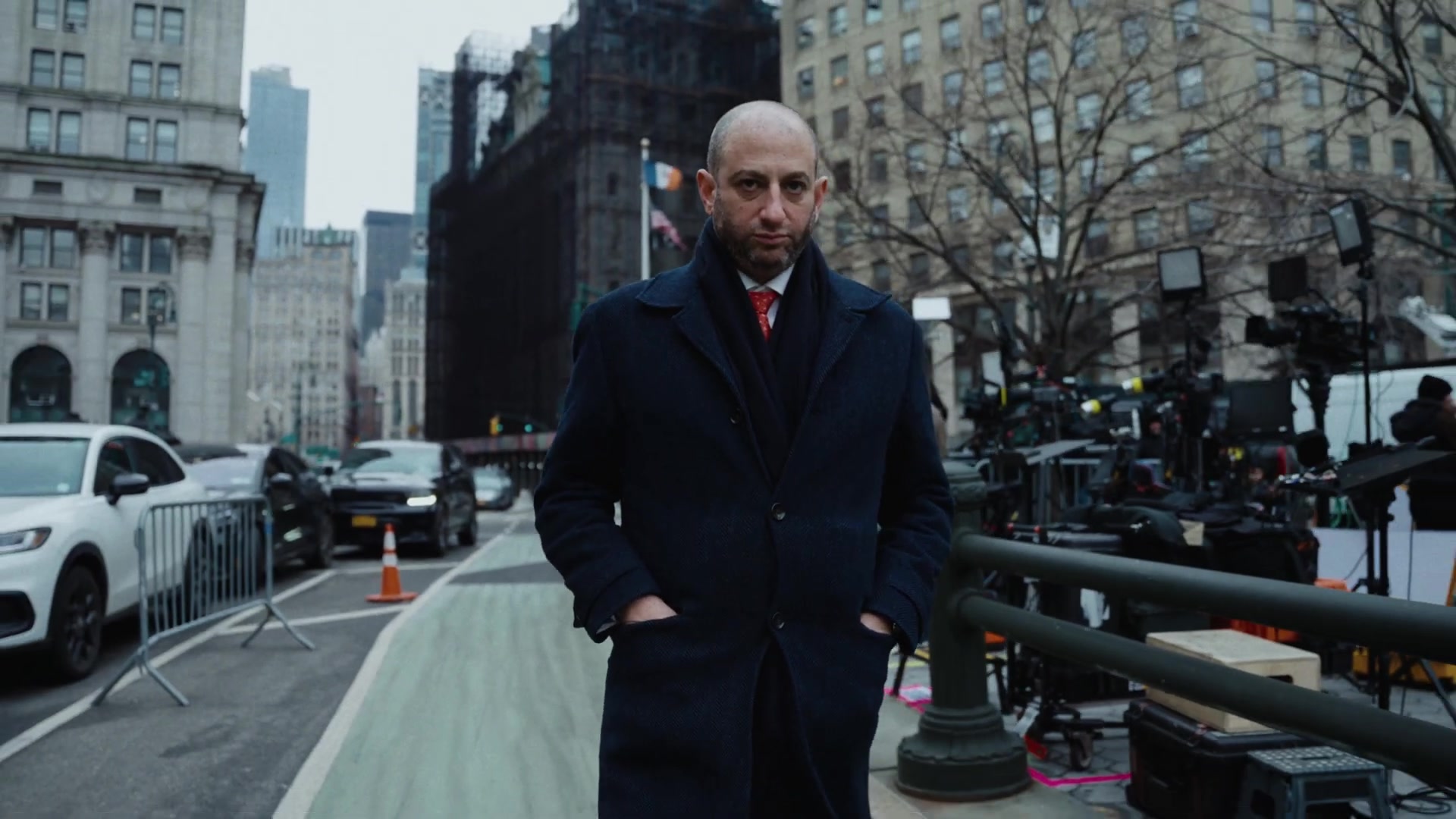
Todd Spodek
Lead Attorney & Founder
Featured on Netflix’s “Inventing Anna,” Todd brings decades of experience defending clients in complex criminal cases.
Multi-State Bar
Federal Courts
US Supreme Court
Meet the Full Team →
Frequently Asked Questions
No. You have the right to remain silent and the right to an attorney. Invoke both rights immediately and contact Spodek Law Group.
Every case is different. We offer free initial consultations to evaluate your case and discuss our fee structure.
An arraignment is your first court appearance where charges are formally read. You enter a plea and bail may be set. Having an attorney present is critical.
Facing Criminal Charges And Have Questions? We Can Help, Tell Us What Happened.