
How Federal Criminal Cases Work
Federal and state criminal charges are generally prosecuted in the same manner, but cases filed in federal court are almost always more serious than state criminal issues. The federal law enforcement officials typically do not get involved unless a charge is in direct violation of a serious federal criminal statute or the activity is occurring across state lines. Interstate criminal activity is actually a very common scenario when the federal agencies get involved because state authorities can be limited in scope and have difficulty investigating the case from inside their own jurisdiction. Other states of activity also have the same difficulties investigating for the same reason, and state law enforcement agencies do not always share information. Federal law enforcement officials have more resources to investigate, and they also have the power to arrest anywhere within the jurisdictional United States. These defendants will find themselves in a federal court room eventually, even though they may be held in a state facility until the arraignment hearing, and the case will proceed according to federal requirements.Pretrial
The initial step after an arrest is securing bond if at all possible along with finding a criminal defense attorney who is experienced in federal court. The sooner you can locate an attorney, the quicker the case will proceed. Evidence can fade fast in any criminal case, and many times it is the evidence needed to build a solid defense. Your attorney can conduct a separate investigation into the evidence and discuss the case with the prosecutors even before the initial arraignment hearing where the charges will be read. After informing the defendant of their rights in federal court, a discovery hearing will be scheduled where the federal prosecutor can state their reasons for the charge and supply evidence. Your criminal defense attorney can then evaluate all of the articles of evidence and build a case using information gathered from his own investigation.Case Negotiations
⚖ Legal Pulse: Key Statistics
15,000+
Federal Cases Filed Annually
90%
Plea Before Trial
Case Trials
Having a case tried in federal court is a very serious legal step that should not be taken lightly. However, sometimes it is necessary when the defendant is adamant to defend against the charges, as prosecutors regularly push cases into the court room when they cannot reach an agreement with the defense counsel. While most documented material evidence will be inspected in the discovery process at the beginning, defense attorneys can still question all witnesses and law enforcement officers involved in the investigation when building a solid case for reasonable doubt. All federal criminal cases hinge on reasonable doubt just like state cases, and evidence is usually weighed even more stringently because of the serious nature of the charges and the potential final outcome.Sentencing
All cases that result in a conviction will go through the sentencing phase, and defendants typically already have a good idea of what a sentence may entail even following a jury trial. Convicted defendants are informed of the punishment specifics in the sentencing phase, including whether or not they may be granted probation or a reduced jail term when it applies. Federal sentencing guidelines can differ from state cases, especially regarding the percentage of time required to serve, and it is vital to have solid representation when defending charges.Appeals Process
It is possible for a convicted defendant to be allowed bond while a case is going through the appeals process, but the judge can refuse this stipulation following a conviction if there is a potential problem such as being a danger to the community or a significant flight risk. No new information can be presented in an appealed case, as the appellate judges review the entire case record and determine if the lower courts have made an error in discharging the case. All appeals decisions are then made final.
Defense Team Spotlight
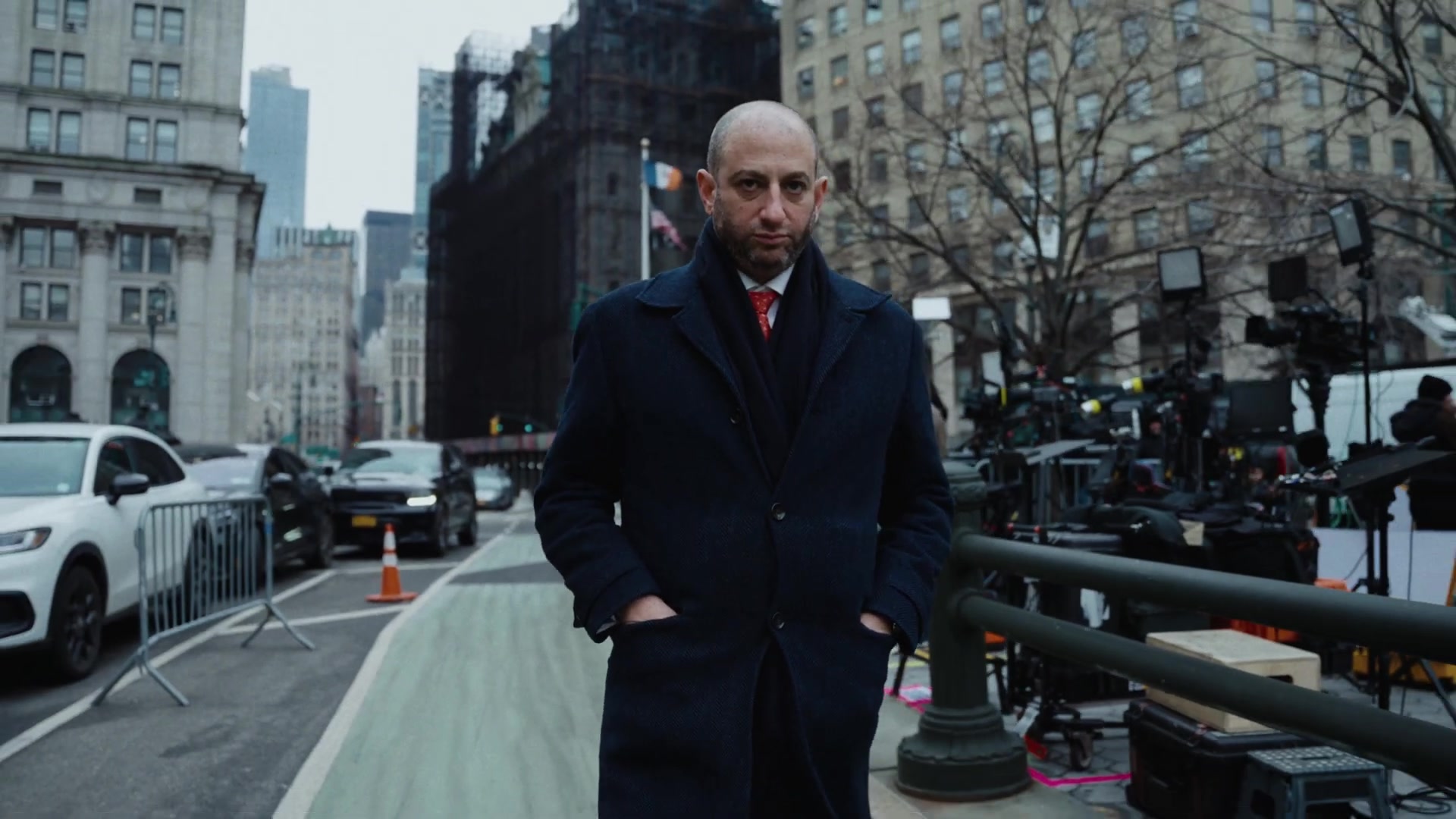
Todd Spodek
Lead Attorney & Founder
Featured on Netflix’s “Inventing Anna,” Todd brings decades of experience defending clients in complex criminal cases.
Multi-State Bar
Federal Courts
US Supreme Court
Meet the Full Team →
Frequently Asked Questions
No. You have the right to remain silent and the right to an attorney. Invoke both rights immediately and contact Spodek Law Group.
Every case is different. We offer free initial consultations to evaluate your case and discuss our fee structure.
An arraignment is your first court appearance where charges are formally read. You enter a plea and bail may be set. Having an attorney present is critical.
Facing Criminal Charges And Have Questions? We Can Help, Tell Us What Happened.