How Federal Prosecutors Build PPP Fraud Cases
The investigation is already over. That's the part nobody tells you. By the time you receive a target letter, a phone call from an agent, or a knock on the door - the evidence collection phase is complete. The banks turned over your records months ago. The IRS pulled your tax returns without telling you. An algorithm flagged your loan application, and human investigators spent the last 4-6 months building a case file you've never seen. The investigation didn't start when you found out. It ended. Welcome to Spodek Law Group. Our goal is to explain how federal prosecutors actually build PPP fraud cases - not the sanitized version you find on other websites that makes it sound like some orderly process where you get to defend yourself at each step. We put this information on our website because most people have no idea what's already happened by the time they realize they're in trouble. The federal investigation machine doesn't announce itself. It runs quietly in the background, collecting everything it needs, and only reveals itself when the case is essentially complete. That's the reality of federal prosecution that transforms everything about your defense strategy. You're not trying to prevent evidence collection. That's already done. You're trying to understand what they have and figure out whether anything can be challenged, explained, or mitigated. Most defendants never get this - they think the investigation is just beginning. They think there's time. There isn't.The Case Was Built Before You Knew
Here's how the timeline actualy works - and its nothing like what most people expect. A data analytics system at the SBA flags your loan application. That happens automaticaly, within weeks or months of when you submitted it. The flag goes into a database. An investigator reviews the flag and decides wether to open a case. If they do, the investigative machinery starts grinding. First, they pull your bank records. The DOJ sent bulk subpoenas to JPMorgan Chase, Bank of America, Wells Fargo, and other major lenders. Those banks turned over customer records without notifying the borrowers. Read that again. Your bank gave federal investigators your complete account history, your application documents, and your forgivness submission - and they didnt tell you. Banks arent required to notify you when they respond to federal subpoenas. So they dont. Next comes the IRS. When IRS Criminal Investigation wants your tax returns, they dont need to subpoena anyone. They already have them. Your 1040s, your Schedule Cs, your W-2s, your quarterly 941 payroll filings - all of it is sitting in IRS databases. IRS-CI agents can access that information directly. They dont need your permission. They dont even need to tell you their looking. By the time you learn about the investigation, every financial record you thought was private has already been reviewed. Then come the interviews. Investigators talk to your employees - the ones you listed on the PPP application. They talk to your accountant. They talk to the bank officer who processed your loan. They might talk to your landlord, your vendors, anyone who might have relevant information about wether your business was actually operational and wether your employee counts were accurate. Heres what those interviews look like. An FBI agent shows up at your former employees apartment. Shows a badge. Says their investigating a federal matter and wants to ask some questions about their former employer. The employee hasnt worked for you in three years. They have no reason to protect you. The agent asks: "Did you actualy work there in 2020? How many hours? Did you ever see other employees?" The answers get recorded. Those answers will appear in the case file prosecutors use to decide whether to charge you. You have no idea this conversation happened. All of this happens in silence. For 4-6 months. Sometimes longer. The investigation runs its course while your living your normal life, completly unaware. Your going to work. Your paying bills. Maybe your even spending the PPP money you obtained. Every transaction creates more evidence. And federal investigators are quietly collecting all of it, building a case file that grows thicker every week.The Machine That Flags You: Data Analytics and AI Detection
Heres something that should keep you up at night. The SBA referred over 669,000 potentially fraudulent PPP and COVID-19 EIDL loans for investigation after using data analytics. Thats not a typo. Six hundred sixty-nine thousand loans flagged by an algorithm. Your loan might be one of them. You would have no way of knowing. The government dosent investigate PPP fraud the way you might imagine - with detectives pouring over individual files, looking for red flags. Instead, they use what the SBA calls "data analytics tools to examine data anomolies, sometimes using a type of artificial intelligence called machine learning." The machine does the initial screening. Humans review what the machine flags. Todd Spodek has explained this to hundreds of clients who thought they were safe becuase they didnt attract attention. You dont need to attract attention. The algorithm finds you. It looks for patterns that indicate fraud: duplicate IP addresses submitting multiple applications, bank accounts that recieved funds and quickly moved them to other suspicious accounts, business addresses that appear on multiple unrelated loans. This is called "link analysis." The system dosent just look at your loan in isolation. It connects your loan to every other loan that shares any identifier with yours. Same IP address used for multiple applications? You're now linked to every one of those loans. Same bank account receiving funds from multiple PPP loans? All of those loans are now in a cluster. Same business address appearing on loans for diferent companies? The algorithm flags the entire cluster for human review. Heres the uncomfortable truth. You might be perfectly innocent - one application, one loan, legitamate business. But if you happen to share an IP address with a fraud ring (maybe you both used the same coffee shop wifi, maybe your accountant prepared multiple applications from the same computer), you can get swept into their investigation. The algorithm dosent distinguish between coincidence and conspiracy. It just flags connections.Your Bank Already Talked: The Bulk Subpoenas Nobody Told You About
⚖ Legal Pulse: Key Statistics
15,000+
Federal Cases Filed Annually
90%
Plea Before Trial
The Multi-Agency Evidence Pipeline
Evidence flows freely between federal agencies in PPP fraud investigations. This isnt how most people think government works. Most people imagine different agencies as siloed bureaucracies that dont talk to each other. Thats not whats happening here. The COVID-19 Fraud Enforcement Task Force created a formalized structure for evidence sharing. FBI, IRS Criminal Investigation, SBA Office of Inspector General, DOJ - they all feed into the same investigative pipeline. The bank records the FBI pulled are available to IRS-CI. The tax discrepencies IRS-CI found are available to DOJ prosecutors. Witness interviews from one agency get shared with all the others. Heres how the cascade works in practice. The SBA flags your loan through data analytics. That flag goes to the SBA Office of Inspector General. SBA-OIG opens an investigation and shares data with the FBI. FBI pulls your bank records and shares them with IRS-CI. IRS-CI compares your PPP application to your actual tax filings and finds discrepencies. All of this information flows to DOJ prosecutors who decide whether to charge. Think about what that means. When you filed your tax returns showing $50,000 in annual revenue, you had no idea those returns would later be compared line-by-line against a PPP application claiming 10 employees with $400,000 in annual payroll. The discrepency is obvious once someone looks. And multiple agencies are looking, sharing notes, building a case from different angles simultaneously. The Pandemic Response Accountability Committee uses what they call "iterative, multi-tiered data analytics techniques" to cross-reference information across agencies. One database contains your PPP application. Another contains your tax returns. Another contains your bank records. Another contains employment data. The system connects these databases and flags inconsistancies automaticaly. Nobody is giving you a chance to explain the discrepency before they flag it. Nobody is asking you why your payroll numbers dont match. The algorithm identifies the problem, humans verify the algorithm was right, and the case file grows without your knowledge.How the Target Letter Ends the Investigation (Not Starts It)
Most people think a target letter means the investigation is beginning. Thats backwards. A target letter means the investigation is essentialy complete and prosecutors are preparing to charge you. Todd Spodek always explains this to clients who receive target letters thinking they still have time. You dont. The letter didnt trigger the investigation. The investigation triggered the letter. By the time prosecutors send you formal notice that your a target, theyve already gathered everything they need. Bank records - done. Tax returns - done. Witness interviews - done. The case file is built. The evidence is organized. All thats left is the charging decision. At Spodek Law Group, we see clients who recieve target letters and want to "tell their side of the story." Thats exactly what prosecutors hope you'll do. Every word you say after receiving a target letter becomes additional evidence. You cant talk your way out of a completed investigation. You can only talk yourself deeper into it. Heres the timeline that actualy applies:- Loan application submitted: Day 0
- Algorithm flags application: Weeks to months later
- SBA-OIG investigation opened: Usually within 3-6 months of flag
- Bank subpoenas issued: Within first month of investigation
- Tax records pulled: Same timeframe
- Witness interviews conducted: Months 2-4 of investigation
- Case review by prosecutors: Months 4-6
- Target letter sent: After evidence collection complete
- Indictment: 2-6 months after target letter
The 10-Year Countdown: Why They Can Take Their Time
Defense Team Spotlight
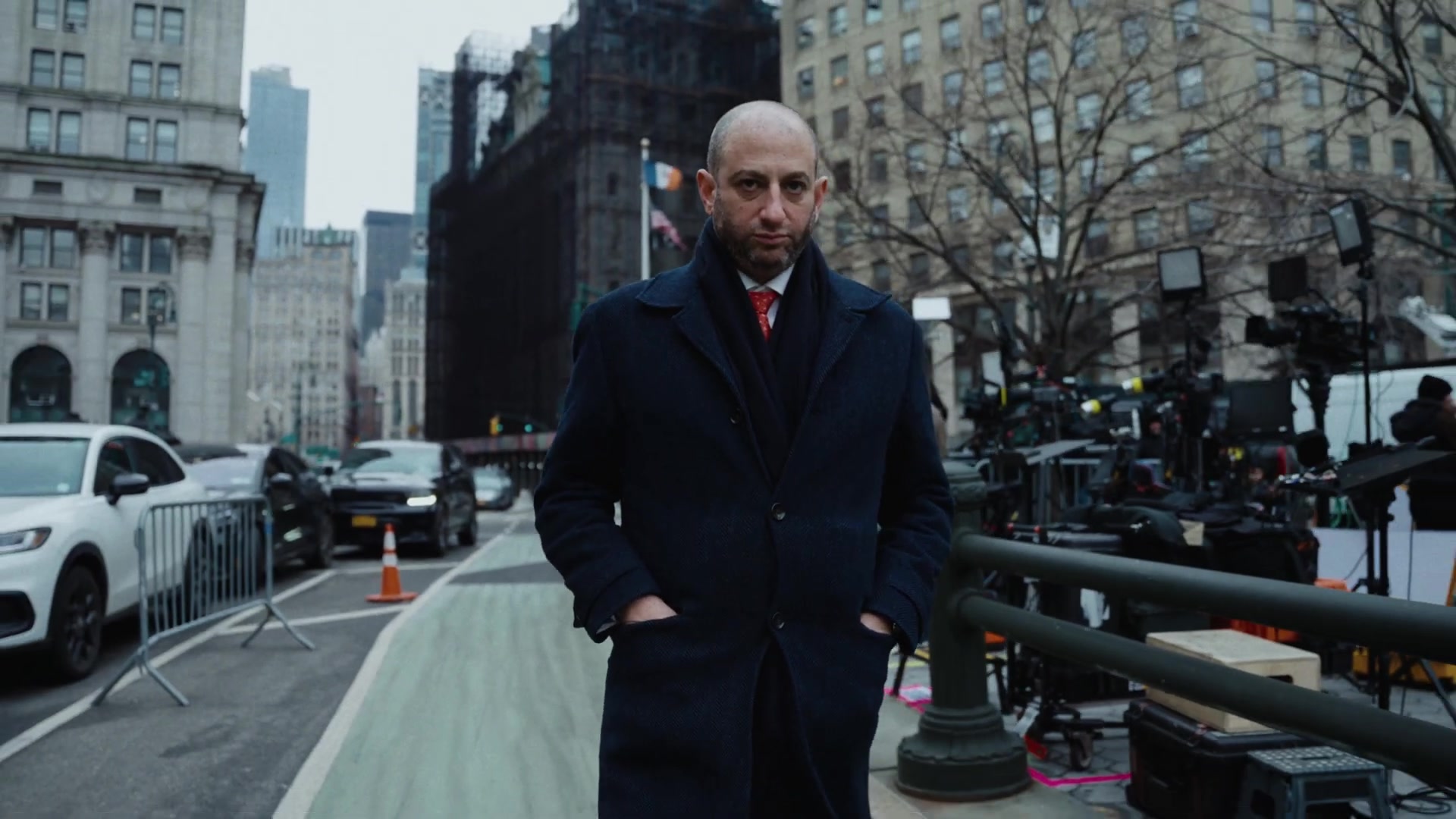
Todd Spodek
Lead Attorney & Founder
Featured on Netflix’s “Inventing Anna,” Todd brings decades of experience defending clients in complex criminal cases.
Multi-State Bar
Federal Courts
US Supreme Court
Meet the Full Team →
What This Means for Your Defense
By now you understand why early intervention matters. The investigation runs in silence. Evidence accumulates without your knowledge. By the time you learn your a target, the case is essentialy built. But "essentialy built" isnt the same as "unchallengable." Defense strategy in PPP fraud cases focuses on several critical areas: Challenging the evidence they collected. The bank records might be incomplete. The algorithm might have flagged you incorrectly. The witness interviews might contain inconsistancies that undermine the prosecution's theory. None of this matters if you dont know what they have - which is why the discovery phase of federal prosecution becomes so important. Disputing loss calculations. How the government calculates loss directly affects your sentancing guideline range. Did you repay part of the loan? Did you use some funds for legitimate purposes? The difference between a $150,000 loss and a $75,000 loss can mean years of prison time. Demonstrating good faith. If you relied on professional advice from an accountant or loan preparer, that might be a defense. If the program rules were genuinly confusing at the time you applied - and they were - that context matters. The chaos of the early PPP rollout created situations where even people trying to comply made mistakes. Cooperation and mitigation. For some defendants, the evidence is overwhelming and the best outcome involves cooperating with prosecutors to reduce exposure. But cooperation has to be strategic. Talking without a lawyer is catastrophic. Talking with experienced counsel can sometimes result in reduced charges or sentancing recommendations. Understanding what they dont have. The algorithm flags patterns, but patterns arent proof. Link analysis shows connections, but connections arent conspiracy. Sometimes the investigation reveals that what looked like fraud was actualy confusion, mistake, or reliance on bad advice. The key is knowing what the government has and identifying the gaps in their case. Voluntary disclosure considerations. In some cases, coming forward before charges are filed can change the calculus. Self-reporting, returning funds, demonstrating that fraud was unintentional - these factors influence prosecutorial decisions. But voluntary disclosure is extremly risky without experienced counsel guiding the process. Done wrong, it accelerates prosecution rather than preventing it. Spodek Law Group has handled hundreds of federal fraud cases. We understand how prosecutors build cases becuase weve seen the evidence packages they produce. We know what the algorithm looks for. We know what the multi-agency investigation reveals. We know that by the time most clients come to us, the investigation is already complete - but the legal fight is just begining. Call us at 212-300-5196 before you talk to anyone else. The consultation is free. The mistake of waiting isnt. Todd Spodek tells every client the same thing: the worst time to hire a federal defense lawyer is after your indicted. The second-worst time is after you recieve a target letter. The best time is before you even know your a target - when theres still room to influence how the investigation unfolds. Most people wait to long. By the time they realize they need help, the case is built. The evidence is collected. The only question left is what happens next.Frequently Asked Questions
No. You have the right to remain silent and the right to an attorney. Invoke both rights immediately and contact Spodek Law Group.
Every case is different. We offer free initial consultations to evaluate your case and discuss our fee structure.
An arraignment is your first court appearance where charges are formally read. You enter a plea and bail may be set. Having an attorney present is critical.
Facing Criminal Charges And Have Questions? We Can Help, Tell Us What Happened.