How Long Can FBI Keep My Phone
Welcome to Spodek Law Group. Our goal is answering the question behind the question. If you're searching "how long can FBI keep my phone," you're asking the wrong question. The phone is just a container. The FBI doesn't care about the container. Here's what defense attorneys know that changes everything about what just happened: when the FBI took your phone, they created a forensic copy within hours. That copy feeds into a centralized federal database. 12,000 government employees have access to that database. And there are few limits on how long the data can be kept. Your phone can sit in evidence storage for months. Maybe years. But even when you get it back - and you might eventually get it back - the forensic copy stays forever. The question isn't how long they can keep your phone. The question is how long they can keep YOU. But here's something even more unsettling. The Brennan Center for Justice published an analysis titled "Once Searched, Forever Seized." That title tells you everything. Your phone data becomes permanent federal property the moment it's copied. And it can be searched again and again - for investigations that haven't even started yet.You're Asking The Wrong Question
Lets be clear about what your actualy asking. When you search "how long can FBI keep my phone," your thinking about the physical device. The piece of hardware. The thing you held in your hand. Thats the wrong question. The phone is just the delivery mechanism. The FBI dosent care about your phone. They care about whats on it. Your texts. Your photos. Your emails. Your location history. Your contacts. Your browser history. Your app data. Your deleted files that arnt actualy deleted. All of it. Heres what happens when the FBI takes your phone: within hours - sometimes within 30 minutes - they create a complete forensic copy. Every byte of data. Every file. Every deleted message you thought was gone. The copy is perfect. Its comprehensive. And its permanent. Your phone might sit in an evidence room for months. Maybe years. The Eighth Circuit recently ruled that the government "may not hold on to digital devices or data indefinitely." But that same court didnt specify how long is too long. Didnt require anyone to delete the forensic copy. Didnt create any mechanism to enforce the ruling. The principle exists. The enforcement dosent. Mike Lindell - the MyPillow guy - had his phone seized at a Hardees drive-thru in September 2022. Nearly a year later, he was still fighting in federal appeals court. Not to get his phone back. Just to get a hearing about whether he deserved his phone back. One year. For a hearing. And even when you win - even when a court orders your phone returned - the forensic copy stays in the database. You get back an empty container. They keep everything that was inside. The phone was just the packaging. The data is permanent.12,000 People Can Access Your Phone Data Right Now
Think about whats on your phone. Really think about it. Your text messages. Every conversation youve had for years. With your spouse. Your kids. Your friends. Your coworkers. Your doctor. Your lawyer. Every photo youve taken. Every photo anyone has sent you. Your financial apps. Your banking information. Your location history - every place youve been, timestamped and logged. Now imagine 12,000 people can access all of it. According to analysis from the ACLU, all cell phone data seized by the FBI feeds into a centralized database set up for criminal and counterterrorism purposes. The data is widely shared. About 12,000 government employees have access to it. And there are few limits on how long the data can be kept. Thats not 12,000 people working your case. Thats not 12,000 investigators assigned to whatever investigation led to your phones seizure. Thats 12,000 people with access badges. 12,000 people who can search that database. 12,000 people who can pull up your texts, your photos, your entire digital life. This isnt evidence storage. This is permanent surveillance infrastructure built from seized phones. Your phone became a brick in that infrastructure the moment they copied it. Heres what Spodek Law Group tells clients who think there phone data is secure: it isnt. The FBI has no obligation to delete your data after your case closes. No obligation to remove it from the database. No obligation to restrict who can access it or how its used. Your data sits in that system indefinitely. Possibly forever. Consider what this means for your future. An investigation closes without charges. You get your phone back. You think its over. But your data remains in that database. Searchable. Accessible. Available. Five years later, a different investigation opens. Involving different people. Different alleged crimes. Someone searches the database. There you are. And those searches dont require a new warrant. The data is already lawfully in the system. It was lawfully copied under the original warrant. Now anyone with database access can query it. Can search your texts for keywords. Can pull your location data. Can map your contacts. All without going back to a judge. All without notifying you. All without any oversight whatsoever.30 Minutes From Your Phone To Federal Database
⚖ Legal Pulse: Key Statistics
15,000+
Federal Cases Filed Annually
90%
Plea Before Trial
Rule 41(g): The Legal Gap That Keeps Your Data Forever
Theres a legal mechanism for getting your property back from federal law enforcement. Its called Rule 41(g) of the Federal Rules of Criminal Procedure. Defense attorneys use it all the time. Heres what it lets you do: file a motion demanding return of seized property. If the government no longer needs the property for investigation. If your not being charged. If theres no forfeiture proceeding. You can petition the court. Demand your stuff back. Sounds good, right? Heres the problem: Rule 41(g) covers physical property. Your phone. The actual device. The piece of hardware sitting in an evidence room. It dosent cover forensic copies. It dosent cover data. It dosent cover the complete image of your phones contents sitting in a federal database. There is no Rule 41(g) for digital copies. No motion to demand data deletion. No legal mechanism to force the FBI to purge your information from there systems. You can win the battle for your phone and lose everything that matters. Todd Spodek at Spodek Law Group has filed countless Rule 41(g) motions. The motion demands return of physical property. The court grants it. The client gets there phone back. And the forensic copy stays in the database. Forever. The Eighth Circuit acknowledged this problem. In Lindell v. United States, the court said the government cannot retain digital devices or data indefinitely "just because it might be useful in the future." The court said the government must "offer clear reasons to justify any ongoing retention." The court recognized that digital devices "implicate privacy concerns far beyond those of other items." But the court didnt order data deletion. Didnt create a mechanism to enforce data purging. Didnt specify when "indefinite" crosses the line. The principle exists. The enforcement dosent. This is what we mean when we talk about paper rights versus practical reality. You have theoretical protections. Courts acknowledge your privacy interests. But theres no mechanism to actually enforce those interests when it comes to forensic copies.Your Data In Investigations That Don't Exist Yet
Heres the consequence most people miss entirely. Your phone gets seized today. Maybe your a witness. Maybe your a target. Maybe your just connected to someone the FBI is interested in. The forensic copy goes into the database. Investigation proceeds. Maybe you get charged. Maybe you dont. Either way, the data stays. Five years pass. You moved on. You forgot about it. Then a new investigation opens. Different targets. Different crimes. But someone you texted five years ago becomes a person of interest. Or a location you visited five years ago becomes relevant. Or a financial transaction you forgot about becomes suspicious. Someone searches the database. Theres your data. From five years ago. Still there. Still searchable. Still available. This isnt hypothetical. In United States v. Ganias, the FBI seized electronic records as part of a fraud investigation in 2003. They held onto that data. Two years later - two years - they searched the same data for an entirely different investigation. Found new evidence. Brought new charges. Against information they seized for a completely different purpose. Think about what happened in that case. The FBI went looking for one thing. They copied everything. Kept everything. Then years later, when a totally different investigation opened, they went back to that old data. Found what they needed. The defendant argued the data should have been deleted once the original investigation concluded. That keeping it for years "just in case" violated the Fourth Amendment. The Second Circuit panel initially found this unconstitutional. A victory for privacy rights. Then the full Second Circuit reheard the case and declined to rule on the retention issue. The victory evaporated. The legal question remains unresolved. And the FBI continues holding data indefinitely. The Ganias case taught them something important: you can get away with it. Think about what this means. Everything on your phone - every text, every photo, every location - becomes potential evidence for investigations that dont exist yet. For crimes that havent been alleged yet. For people who arnt targets yet. Your data sits in that database waiting. Available. Permanent. The statute of limitations for most federal crimes is five years. That means your data is relevant for at least five years after seizure. But theres no requirement to delete it after five years. No automatic purging. No sunset provision. The data just... stays.One Year Just To Get A Hearing - The Lindell Timeline
Lets talk about real timelines. Not legal theory. Actual cases. Mike Lindell - the MyPillow CEO - is a high-profile example. September 13, 2022: FBI agents approached his car in a Hardees drive-thru in Mankato, Minnesota. They had a warrant. They took his phone. What happened next tells you everything about how this system actually works. Lindell filed to get his phone back. The district court denied his motion for a preliminary injunction. He appealed. The Eighth Circuit affirmed most of the district courts ruling but sent back one piece: the court ordered a hearing on whether the government could justify continued retention of the physical device. Nearly a year later, that hearing still hadnt happened. One year. Just to get someone to consider whether he deserved his phone back. Lindell went to the full Eighth Circuit. Asked for en banc review. Denied. Went to the Supreme Court. Denied without comment. His phone sat in FBI custody while courts at every level declined to intervene. And remember: even if Lindell eventually gets his phone back, the forensic copy stays. The data is already in the system. Has been since September 2022. Will be forever. This is a high-profile case. Media attention. Resources for extensive litigation. Lindells a wealthy CEO who can afford to fight through multiple appeals. Most people cant. Most people give up. Most people never see there phone again - and definitely never get there data deleted. Think about the resources required to fight this battle. You need an attorney who understands federal procedure. You need to file motions. Wait for responses. File appeals when you lose. Wait for those decisions. File petitions when appeals fail. Every step takes months. Every step costs money. And at the end of it all, even if you win, you get back an empty piece of hardware while your data stays permanent. Now imagine your situation. Your not a CEO. Your not making headlines. Your phone is sitting in FBI custody. How long will it take you to get a hearing? How many appeals can you afford? How long are you willing to fight for an empty container while the data stays permanent?
What To Do When FBI Has Your Phone
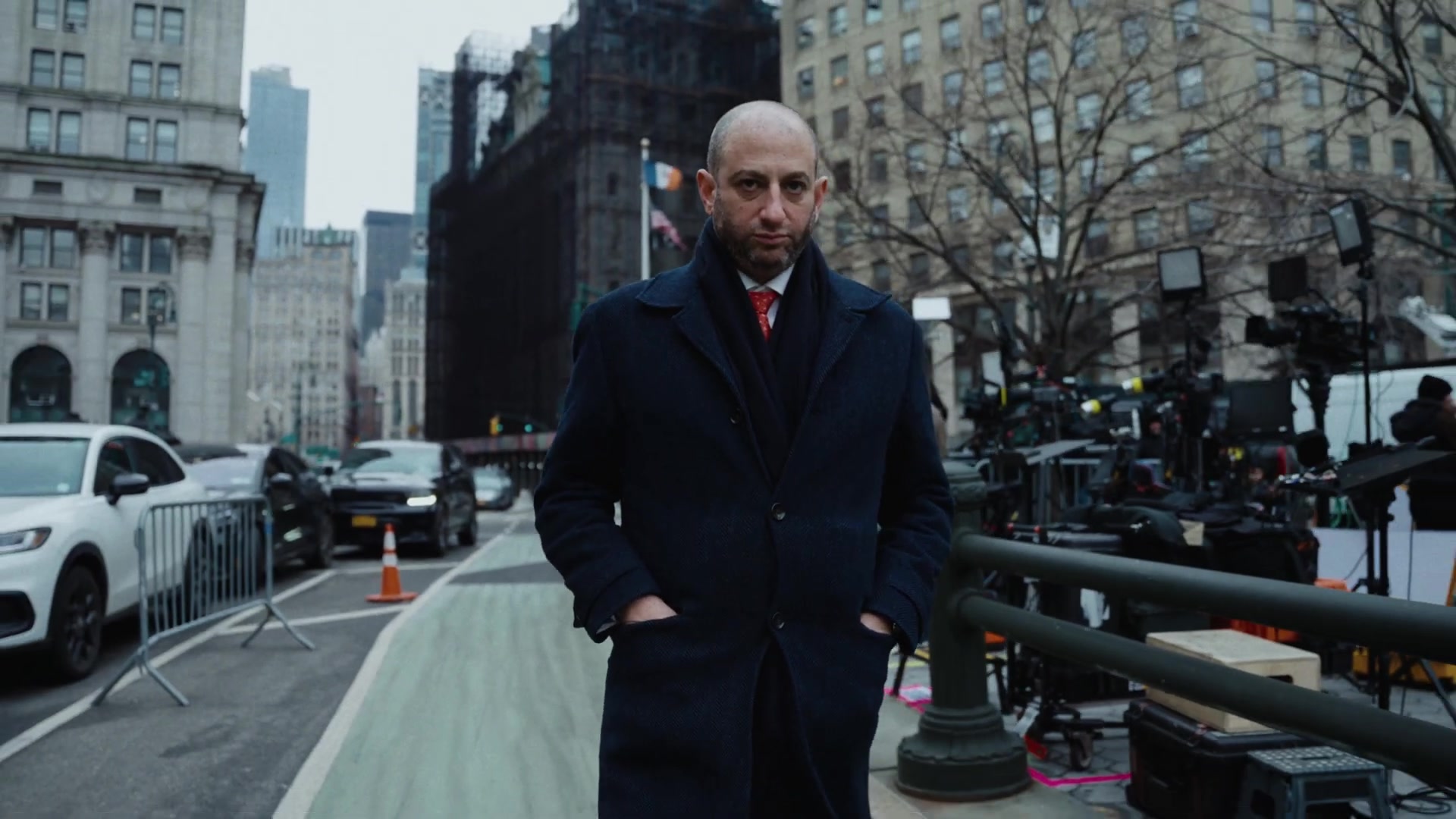
Defense Team Spotlight
Todd Spodek
Lead Attorney & Founder
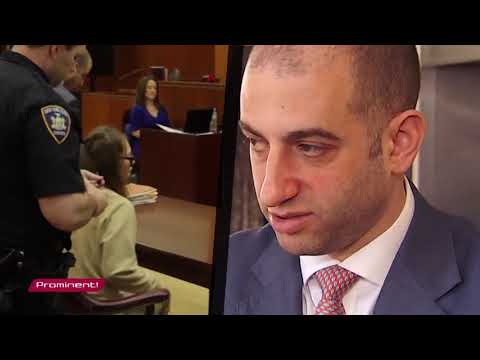
Featured on Netflix’s “Inventing Anna,” Todd brings decades of experience defending clients in complex criminal cases.
Multi-State Bar
Federal Courts
US Supreme Court
Meet the Full Team →
Frequently Asked Questions
No. You have the right to remain silent and the right to an attorney. Invoke both rights immediately and contact Spodek Law Group.
Every case is different. We offer free initial consultations to evaluate your case and discuss our fee structure.
An arraignment is your first court appearance where charges are formally read. You enter a plea and bail may be set. Having an attorney present is critical.
Facing Criminal Charges And Have Questions? We Can Help, Tell Us What Happened.