
The Prosecutor Controls Everything (And Judges Cant Stop Them)
Most people walk into federal court thinking the judge will decide there sentence. Thats not how it works. Not even close. When a prosecutor files charges under 21 U.S.C. § 841 for drug trafficking, they choose whether to include the quantity allegations that trigger mandatory minimums. If they allege 500 grams of cocaine, your looking at a 5-year mandatory minimum. If they allege 5 kilograms, it jumps to 10 years. The judge has no discretion to go below these numbers. None. There hands are completley tied by federal statute. This is fundamentally different from how most people imagine the justice system works. We grow up thinking judges have wisdom and discretion. We think they look at the circumstances of your life, the nature of the offense, whether this was a one-time mistake or a pattern of behavior. In the state system, thats often true. In federal court with mandatory minimums, the judge is basically a rubber stamp for whatever the prosecutor decided to charge. Todd Spodek has handled hundreds of federal drug cases where mandatory minimums were on the table. Heres what he tells every client: "The fight over your mandatory minimum happens before charges are filed. Once the indictment drops with those quantity allegations, your options shrink dramatically." The prosecutor dosent have to charge the mandatory minimum statute. Even when the evidence clearly supports it, they can choose to charge a lesser offense. They can file an information instead of an indictment. They can agree to stipulate to lower quantities. The mandatory minimum is a choice. There choice. Think about what this means for your case. The same exact conduct - lets say you were caught with 600 grams of cocaine - could result in no mandatory minimum if the prosecutor charges simple possession, or a 5-year mandatory minimum if they charge trafficking with quantity allegations, or a 10-year mandatory minimum if they enhance based on prior convictions. Same drugs. Same defendant. Wildly different outcomes based solely on prosecutorial discretion. This is the part most lawyers dont explain clearly enough: by the time your hiring a defense attorney to represent you at trial, the charging decision has already been made. The mandatory minimum is already attached to your case. Your defense lawyer is now working with significantley less leverage then they would have had six months earlier when the investigation was still ongoing and charges hadn't been filed yet.The Two Escape Routes (And Why One Is A Trap)
Federal law provides exactly two ways to get below a mandatory minimum once its been charged. Two. Not three. Not five. Two. Substantial Assistance (5K1.1 Motion): You cooperate with the government. You provide information about other people involved in criminal activity. If your information is helpful enough, the prosecutor files a motion asking the judge to sentence you below the mandatory minimum. Safety Valve (18 U.S.C. § 3553(f)): You meet five specific requirements, including having minimal criminal history, and the judge can sentence you below the mandatory minimum WITHOUT the prosecutors approval. OK so heres the kicker - these two paths look similar on paper but there fundamentally different in practice. Substantial assistance requires you to snitch. Theres no nice way to say it. You have to provide information that helps prosecute other people. You might have to testify at there trials. You might have to wear a wire and record conversations with people you know. You might have to make controlled buys while working with law enforcement. And heres the part that terrifies most defendants: the prosecutor decides whether your cooperation was "substantial" enough. They have complete discretion over whether to file the motion. If they dont file it, the judge cant help you. The key word in "substantial assistance" is "substantial." Prosecutors dont file motions for cooperation they consider marginal or unhelpful. If the information you provide dosent lead to new arrests or convictions, they might thank you for trying and then decline to file the motion. You cooperated. You took the risk. You got nothing in return. The safety valve is different. You have to be truthful about YOUR OWN conduct. You have to tell the government everything about the offense you committed. This is absolutely non-negotiable. But you dont have to help prosecute others. You dont have to become a cooperating witness against your co-defendants. And most importantly, you dont need the prosecutors permission - if you meet all five requirements, the judge can apply the safety valve without asking the government for approval.Why The Safety Valve Is Harder To Get Than You Think
The safety valve sounds like a reasonable escape hatch. Be a first-time offender with a clean record, tell the truth about what you did, and the judge can show mercy. Simple, right? Not anymore. The safety valve has five requirements, and you have to meet ALL of them:- You cant have more than 4 criminal history points (excluding certain 1-point offenses)
- You cant have a prior 3-point offense
- You cant have a prior 2-point violent offense
- You didnt use violence, possess a weapon, or cause death/serious injury
- You werent an organizer, leader, manager, or supervisor
- Before sentencing, you truthfully disclosed everything about the offense to the government
The 2024 Supreme Court Decision That Changed Everything
⚖ Legal Pulse: Key Statistics
15,000+
Federal Cases Filed Annually
90%
Plea Before Trial
The Proffer Trap (How Cooperation Can Destroy You)
Lets talk about whats probly the most dangerous moment in any federal drug case: the proffer session. When your considering cooperation, the government will invite you to a "proffer" - sometimes called a "Queen for a Day" meeting. You sit down with prosecutors and agents and tell them what you know about the drug operation. In exchange, they promise (usually) not to use your statements directly against you. Sounds safe, right? Its not. Its basically a trap dressed up as an opportunity. Heres the trap: that promise has exceptions. Major exceptions. If you lie during the proffer - even about something that seems minor - everything you said becomes admissable against you. If cooperation falls through for any reason, your statements can be used to impeach you if you testify at trial and to calculate a higher sentence under the guidelines. Clients come to Spodek Law Group after making this exact mistake. They went into a proffer thinking it was a "free look" - a chance to see if cooperation would work out without any downside. They told the government everything. Every detail about there involvement in the conspiracy. Then the prosecutor decided there information wasnt helpful enough to warrant a 5K1.1 motion. No substantial assistance credit. And now the government knows exactly what role they played, who they worked with, and how much money changed hands. The proffer that was supposed to help them became the roadmap for there destruction. Todd Spodek always says the same thing about proffer sessions: "Never walk into one without understanding exactly what happens if things go wrong. Because things go wrong more often then people realize." Heres something else most defendants dont understand: the government needs cooperators. They cant make cases against major drug traffickers without people who are willing to testify. That means you have leverage. The fact that they NEED you is something you can use. But only if you use it strategicaly with an attorney who understands how these negotiations actually work.Inverted Sentencing: Why Kingpins Get Better Deals
This is the most frustrating part of the mandatory minimum system to explain to clients. The NYU Law Review published research on what they call "inverted sentencing" - a phenomina where more serious defendants actually receive LOWER sentences then there less-culpable co-defendants. Heres how it works in practice. Your a low-level courier. You moved drugs from point A to point B. You didn't know much about the larger operation. You definitely didn't know the names of suppliers or the details of the distribution network. You were paid a few hundred dollars per trip. Your facing a 10-year mandatory minimum based on the quantity you transported. Meanwhile, the guy who organized the whole thing - the kingpin who made hundreds of thousands of dollars - knows everything. He knows the suppliers in Mexico. He knows every distributor in the network. He knows where the money was laundered. He has information the government desperatley wants because it can lead to dozens of additional prosecutions. The kingpin cooperates. Provides substantial assistance. Gets a 5K1.1 motion filed. The prosecutor recommends a 70% reduction. He ends up with probation and a fine while you rot in federal prison for a decade. You have nothing to offer. You didn't know enough about the operation. No substantial assistance motion. You get the full mandatory minimum. This happens consistently in federal drug cases. The more serious the defendants crimes, the lower the sentence - because the greater his wrongs, the more information and assistance he had to offer to a prosecutor. This isnt a glitch in the system. Its how the system is designed to work. Prosecutors need information to make cases. The people with information are the people most deeply involved in criminal enterprises. So those people get the best deals while the mules and couriers get buried.The Federal Sentencing Table vs. Mandatory Minimums
People confuse mandatory minimums with the federal sentencing guidelines. There not the same thing, and understanding the difference matters tremendously. The federal sentencing guidelines are a complicated point system. Your criminal history points combine with your offense level to produce a recommended sentencing range. A first-time offender with an offense level of 28 might have a guideline range of 78-97 months. The judge has discretion within that range and can even depart above or below it in certain circumstances. Mandatory minimums override all of that. If your facing a 10-year mandatory minimum, it dosent matter if your guideline calculation says 60 months. The mandatory minimum becomes the floor. The judge cant go below it regardles of what the guidelines say, regardles of mitigating circumstances, regardles of anything. This is were the real confusion happens. Your lawyer calculates your guidelines and says "you're looking at 5 years under the guidelines." You feel relieved. Then they explain the mandatory minimum means you're actualy looking at 10 years minimum. The guidelines become irrelevant because the statutory floor is higher then anything the guidelines would recommend. Heres the thing about mandatory minimums that makes them particularily cruel: they were designed during the War on Drugs era to eliminate judicial discretion. The whole point was to take power away from judges who some politicians thought were too lenient. Now we have a system were prosecutors - not judges - effectivley determine sentences through there charging decisions.Who Actually Gets Mandatory Minimums (The Statistics)
Let me give you some specific numbers that change how you should think about mandatory minimums. According to the U.S. Sentencing Commission:
- 15.9% of all federal defendants are subject to a mandatory minimum at sentencing
- 57.2% of drug trafficking offenses carry a potential mandatory minimum
- BUT only 52.4% of drug defendants who COULD face a mandatory minimum actualy recieve one at sentencing
Defense Team Spotlight
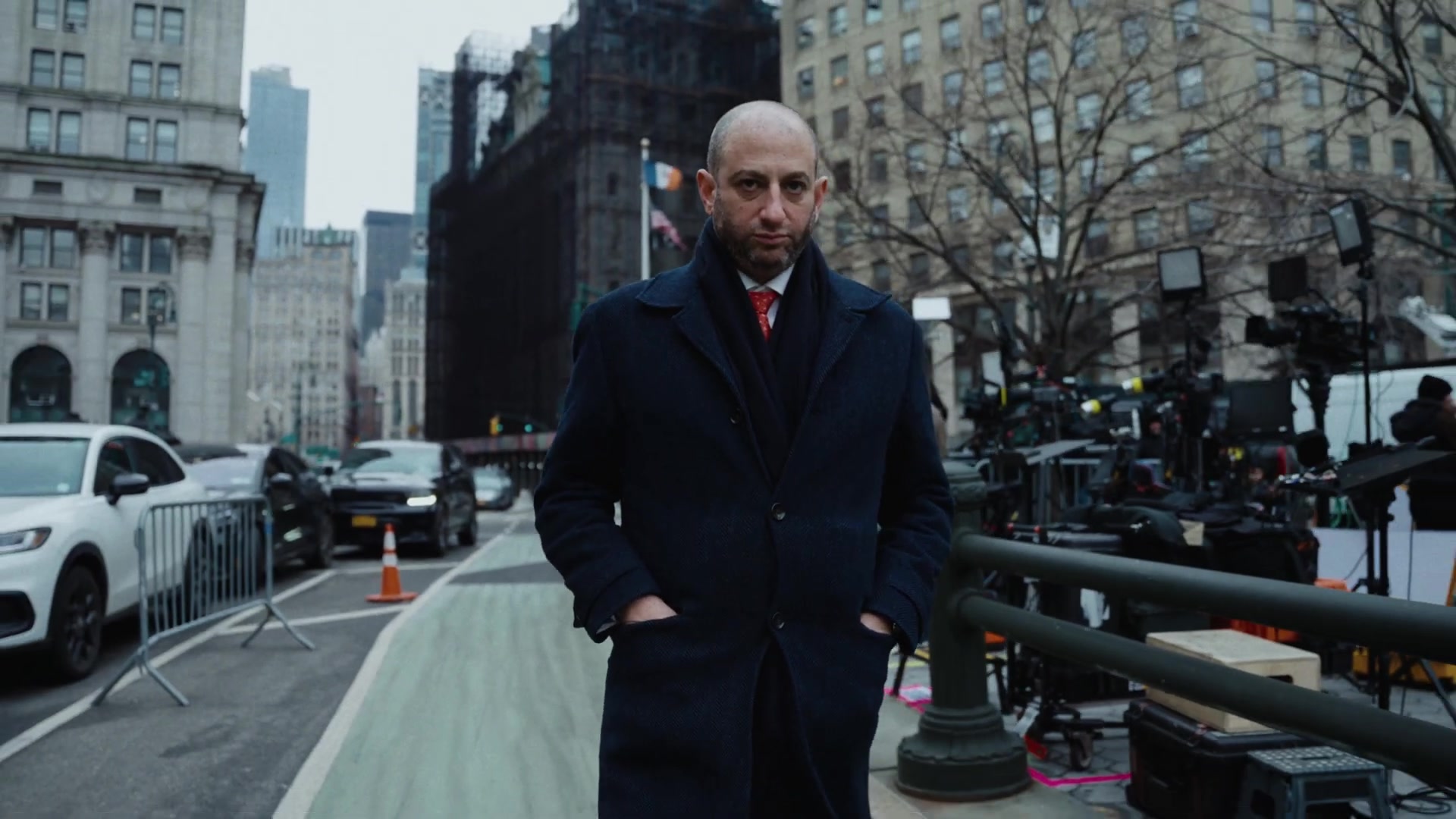
Todd Spodek
Lead Attorney & Founder
Featured on Netflix’s “Inventing Anna,” Todd brings decades of experience defending clients in complex criminal cases.
Multi-State Bar
Federal Courts
US Supreme Court
Meet the Full Team →
What You Need To Do If Your Facing A Mandatory Minimum
Heres the reality: if your reading this because a mandatory minimum has already been charged in your case, your options are limited but there not zero. Step 1: Understand your safety valve eligibility immediately. Pull your criminal record. Count your criminal history points using the federal sentencing guidelines methodology. If you have any chance of qualifying for the safety valve, this becomes the centerpiece of your defense strategy. Remember - after Pulsifer, the criminal history requirement is now interpreted strictly. Step 2: Evaluate substantial assistance realistically. Do you actualy have information the government wants? Not information you THINK is valuable - information THEY think is valuable. Big difference. If your a peripheral player who didnt know much about the operation, substantial assistance probly isnt your path. But if you have real information about people further up the chain, you have leverage you should be using. Step 3: Get an attorney involved before you make any decisions about cooperation. The biggest mistakes happen when defendants talk to prosecutors without understanding the consequences. Proffer sessions can help you or destroy you depending on how there handled. This is extremley important. Step 4: Understand the charging decision might still be negotiable. In some cases - not all, but some - prosecutors will agree to amend charges or file a superseding indictment with lower quantities. This is rare, but it happens. It takes leverage. It takes an attorney who knows how to negotiate in federal court. It takes understanding what the prosecutor actualy wants. At Spodek Law Group, we believe you deserve to understand exactly what your facing. Not false hope. Not sugarcoated reassurances. The actual mechanics of how mandatory minimums work and what, if anything, can be done about them.The Conversation That Needs To Happen Before Its Too Late
Everything I've explained in this article - the prosecutor's charging discretion, the safety valve requirements, the proffer trap, the substantial assistance calculations - all of this matters most BEFORE charges are filed. Once the indictment drops with mandatory minimum triggers, your negotiating from a position of weakness. Your options are severly limited. The prosecutor has already committed to there theory of the case. There already on record with specific quantity allegations. Walking that back requires admiting they overcharged initially, which prosecutors hate to do because it looks like they made a mistake. As Todd tells clients: the conversation about mandatory minimums needs to happen BEFORE you're charged. Not after. Before. If your under investigation for federal drug trafficking, the time to get involved is now. Not when you get arrested. Not when you get indicted. Now. While there is still room to negotiate the charges. While the prosecutor hasnt committed to a specific theory. While you still have leverage. Waiting is likley the worst thing you can do. Call Spodek Law Group at 212-300-5196. The consultation is free. The mistake of waiting isnt.Frequently Asked Questions
No. You have the right to remain silent and the right to an attorney. Invoke both rights immediately and contact Spodek Law Group.
Every case is different. We offer free initial consultations to evaluate your case and discuss our fee structure.
An arraignment is your first court appearance where charges are formally read. You enter a plea and bail may be set. Having an attorney present is critical.
Facing Criminal Charges And Have Questions? We Can Help, Tell Us What Happened.