What Federal Drug Trafficking Defense Actually Costs
Lets start with the raw numbers. Federal drug trafficking cases typicaly cost between $25,000 and $100,000 in legal fees. Thats just the attorney. Cases involving larger drug quantities, conspiracy charges, or defendants who want to go to trial can easily exceed $150,000 or even $500,000. These arent scare tactics there real numbers from practitioner websites and court records. Heres how the fee structures usualy break down. Some attorneys charge flat fees ranging from $10,000 to $50,000 depending on case complexity. Others charge hourly rates between $300 and $700 per hour with retainers starting at $10,000 to $25,000. Federal criminal defense attorneys in major cities like New York, Los Angeles, and Chicago tend to charge at the higher end. Rural areas and smaller cities generaly see lower rates but federal experience becomes harder to find. The retainer is just the beginning though. Most federal drug cases burn through that initial retainer within the first few months. Then your paying hourly on top. An attorney reviewing thousands of pages of discovery documents, preparing motions, negotiating with prosecutors, attending multiple court appearances its all billable time. And if your case goes to trial which only about 3% of federal drug cases do the costs explode exponentialy. Methamphetamine cases deserve seperate mention here because there driving a huge portion of federal drug prosecutions right now. According to the United States Sentencing Commission, meth trafficking has increased 168 percent and now comprises nearly half of all federal drug trafficking offenses. These cases tend to be complex with multiple defendants, extensive wiretap evidence, and lengthy investigations. The complexity translates directly into higher legal costs. Fentanyl cases are another category where costs escalate rapidley. Because fentanyl is so potent, even small quantities trigger severe mandatory minimums. The stakes are higher, the prosecution more agressive, and the defense more resource intensive. Attorneys handling fentanyl trafficking cases often quote significently higher fees than they would for comparable marijuana or cocaine cases. OK so heres were things get really interesting. That $50,000 quote you got? It probibly dosent include expert witnesses, private investigators, forensic analysts, or travel expenses. Were about to get into those hidden costs because they can double or even triple what you end up paying.Why Expensive Lawyers Don't Mean Better Outcomes
This is the part that makes defense attorneys uncomfortable. The RAND Corporation conducted a study in 2025 specifically examining federal criminal defense outcomes. They compared results for defendants represented by federal public defenders versus those who hired private attorneys. The finding was striking: federal public defenders achieved sentences averaging 4-8% shorter than private counsel. Wait. Really? Yes really. And its not because public defenders are superhuman attorneys. Its because federal public defenders handle thousands of cases in federal court every year. They know the judges. They know the prosecutors. They know exactly how the system works because they live in it every single day. A private attorney who handles mostly state cases might take on a federal drug trafficking matter and genuinely not understand the terrain as well. Todd Spodek has seen this pattern play out repeatedly. The assumption that a higher hourly rate equals a better outcome just dosent hold up when you examine actual sentencing data. What matters more is federal court experience, relationships with prosecutors, and understanding how mandatory minimums and sentencing guidelines actually work in practice. Now look, this dosent mean you should automatically go with a public defender. There real advantages to private counsel including lower caseloads and more individualized attention. But it does mean you should stop assuming that the most expensive option is automaticaly the best option. The data simply dosent support that conclusion.The 97% Reality: What You're Actually Paying For
Heres the uncomfortable truth that changes everything about attorney costs. According to United States Sentencing Commission data, 97% of federal drug defendants plead guilty. Only 3% go to trial. Let that sink in for a moment. When you hire a federal drug trafficking defense attorney, your probly not paying for Perry Mason courtroom drama. Your paying for someone who knows how to negotiate. Someone who understands cooperation agreements, substantial assistance motions, and safety valve provisions. Someone who can review thousands of pages of discovery and find the weakness in the governments case that creates leverage for a better plea deal. The single most expensive mistake people make is hiring an attorney based on trial skills when 97% of cases never see a jury. Federal prosecutors dont file charges until there ready to win. They investigate for 12 to 24 months before you even know your a target. By the time you get arrested, theyve already built there case with wiretaps, surveillance, cooperating witnesses, and documentary evidence. The investigation happened before you had any idea it was happening. Thats the system revelation nobody wants to talk about. So what your actualy paying for is someone who can navigate the post-charge landscape. Someone who understands that fighting a case the government has spent two years building requires finding specific holes in there evidence chain. Someone who knows when cooperation makes sense and when it dosent. Someone who can calculate guideline ranges and argue for departures that actually stick. This is why federal experience matters more than general criminal defense experience. A brilliant state court attorney might still be learning how federal sentencing works while your facing a mandatory minimum that could send you to prison for a decade.Hidden Costs That Triple Your Bill
⚖ Legal Pulse: Key Statistics
15,000+
Federal Cases Filed Annually
90%
Plea Before Trial
Geography Matters More Than Attorney Fees
This one might be the most frustrating truth of all. Drug trafficking sentences vary dramatically by geography and that variation has nothing to do with how much you spend on a lawyer. According to federal sentencing data, drug trafficking sentences in Iowa average 12.8 years. In Arizona, the average is 2.7 years. Thats nearly a five-fold difference for basicly the same conduct. Same federal law. Same sentencing guidelines. Wildly different outcomes based purely on which courthouse hears your case. Why does this happen? District culture matters enormously. Some federal districts have historically aggressive prosecutors. Some have judges who consistently sentence above guidelines. Some have local practices around cooperation that differ from national norms. And you basicly have no control over where your case ends up. Border states like Texas, Arizona, and New Mexico focus heavily on immigration prosecutions. Interior states often prioritize drug trafficking cases. The Eastern District of Virginia has a reputation as the "rocket docket" for how quickly cases move. The Southern District of New York handles complex financial crimes and major trafficking organizations. Each district has its own personality. What this means practically is that venue might matter more than attorney choice. If your facing federal drug charges, understanding the local landscape of your specific district is crucial. An attorney with experience in your particular courthouse might be worth more than a nationally renowned attorney whos never practiced there. This dosent mean geography is destiny. Good lawyering still matters. But it does mean that a $100,000 attorney in a harsh sentencing district might get you a worse outcome than a $30,000 attorney in a more lenient jurisdiction. The numbers just work that way sometimes.Public Defender vs Private: The Numbers Don't Lie
Lets return to that RAND study because its implications are profound. 80 to 90 percent of criminal defendants use public defenders. If you end up with one, your not unusual. Your not a failure. Your the overwhelming majority. Federal public defenders are full-time specialists in federal criminal law. They handle nothing but federal cases. Every day, all day, federal court. They know the AUSAs personally. They know which arguments work with which judges. They understand the local sentencing trends that can mean the difference between 5 years and 15 years. Private attorneys offer real advantages too and we should be honest about that. Lower caseloads mean more individual attention to your specific case. Private attorneys can often spend more time on investigation and motion practice. They can bring in specialized experts that public defender budgets might not cover. If you have resources, private counsel lets you deploy those resources in your defense. But the RAND finding should eliminate the assumption that public representation automaticaly means worse outcomes. It dosent. The data says the opposite in fact. Federal public defenders slightly outperform private counsel on average sentencing. The question isnt "can I afford a private attorney?" The question is "what specifically will a private attorney do for me that a public defender cant?" If the answer is "more individual attention and specialized resources," thats worth considering. If the answer is "they cost more so there must be better," the evidence dosent support that conclusion.Questions to Ask Before You Write That Check
Before you hire anyone, ask these questions. The answers will tell you whether your spending money wisely or just spending money. First, how many federal drug trafficking cases have you handled? State court experience dosent translate directly to federal practice. You want someone whos handled dozens of federal cases minimum. Ask for specifics. Second, whats your experience in this specific district? Local knowledge matters. A attorney whos practiced in your courthouse for 20 years might outperform a nationally famous lawyer whos never appeared before your judge. Third, what are the likely outcomes in this case and how did you reach that assessment? Any attorney who promises a specific result is lying to you. But they should be able to explain the realistic range of outcomes and why they think your case falls where it does on that range. Fourth and this is critical what costs are NOT included in your fee quote? Get a written breakdown of what the retainer covers and what additional expenses you should anticipate. Expert witnesses. Investigators. Travel. Transcripts. If they cant give you a realistic estimate, youll be surprised later. Fifth, what happens if the retainer runs out? Some attorneys stop working. Some keep billing hourly. Some have payment plans. Know the policy before you need to invoke it. Sixth, how do you communicate with clients and how often? Being able to reach your attorney during one of the most stressful experiences of your life matters. Understand there communication practices upfront. Finally, have you ever had a case like mine where cooperation made sense? And have you ever had one where it didnt? The answer tells you whether they have real experience navigating the cooperation decision, which is often the most important strategic choice in a federal drug case.
The Bottom Line on Drug Trafficking Defense Costs
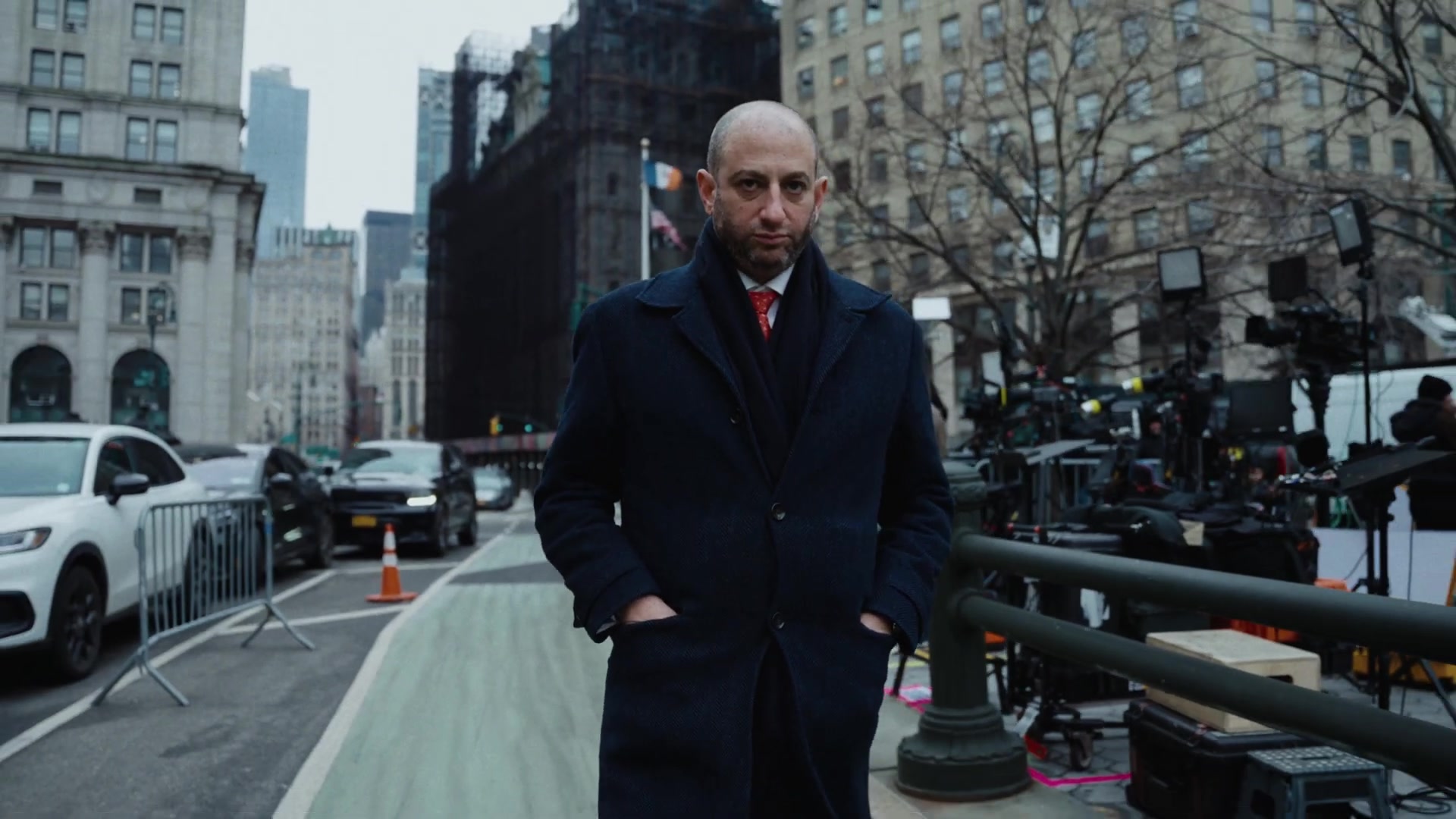
Defense Team Spotlight
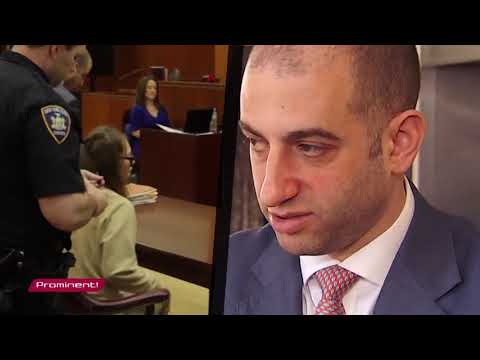
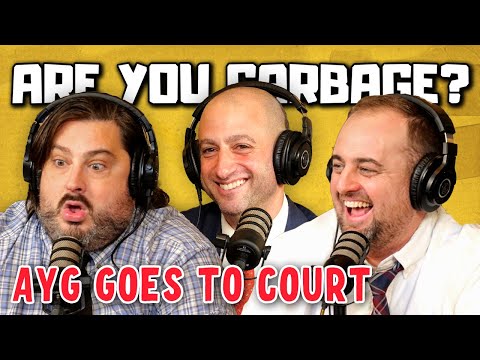
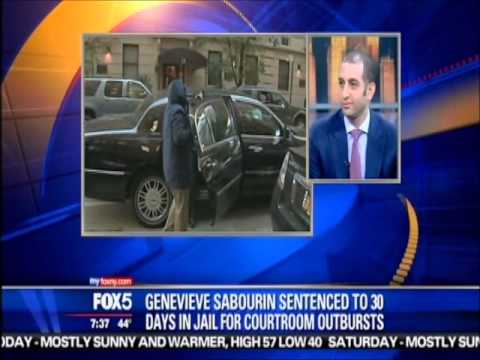
Todd Spodek
Lead Attorney & Founder
Featured on Netflix’s “Inventing Anna,” Todd brings decades of experience defending clients in complex criminal cases.
Multi-State Bar
Federal Courts
US Supreme Court
Meet the Full Team →
The information in this article is for educational purposes only and should not be construed as legal advice. Every case is different, and outcomes depend on specific facts and circumstances. If you're facing federal drug trafficking charges, consult with a qualified attorney about your particular situation.
Frequently Asked Questions
No. You have the right to remain silent and the right to an attorney. Invoke both rights immediately and contact Spodek Law Group.
Every case is different. We offer free initial consultations to evaluate your case and discuss our fee structure.
An arraignment is your first court appearance where charges are formally read. You enter a plea and bail may be set. Having an attorney present is critical.
Facing Criminal Charges And Have Questions? We Can Help, Tell Us What Happened.