
Identity Theft Victim: Fighting False EIDL Loan Claims
Thanks for visiting Spodek Law Group – a second-generation law firm managed by Todd Spodek, with over 40 years of combined experience defending federal cases. If someone took out an EIDL loan in your name, you're a victim of identity theft – but the government might not see it that way immediately. The SBA is demanding repayment, or worse, the FBI is investigating you for fraud you didn't commit. You need to prove you're a victim, not a criminal. We defend clients falsely accused of EIDL fraud due to identity theft. We also help legitimate identity theft victims clear their names and stop collection efforts. The SBA and Department of Justice receive thousands of "I'm a victim" claims – some legitimate, some from fraudsters trying to avoid prosecution. You need to prove your case convincingly and quickly.How EIDL Identity Theft Happens
EIDL applications required basic information: name, Social Security number, birthdate, business information. Fraudsters obtained this information through data breaches, phishing schemes, stolen mail, or purchased it on the dark web. With your personal information, they created fake businesses or used information about businesses you actually owned. The EIDL program in 2020-2021 prioritized speed over verification. Applications were approved quickly with minimal documentation. Identity verification was weak. Fraudsters exploited this, filing thousands of applications using stolen identities. Money went to bank accounts the fraudsters controlled – sometimes accounts opened in your name at banks you've never used, sometimes accounts at online banks with minimal verification requirements. You had no idea any of this was happening until collection notices started arriving or the FBI knocked on your door. Some identity theft is sophisticated. Fraudsters filed business formation documents in your name, obtained EINs using your Social Security number, opened business bank accounts, built a paper trail making it look like you operated a business. By the time the SBA investigates, there's documentation showing "you" applied for and received the loan. Other identity theft is crude. Someone filed an EIDL application using your information but didn't create any supporting documentation. The application used your real address, or a completely different address. The bank account for disbursement was obviously fraudulent. These cases are easier to prove as identity theft, but you still need to take specific steps.Proving You're a Victim, Not a Fraudster
The SBA has a process for identity theft victims. Email documentation to IDTheftRecords@sba.gov. Include proof you didn't apply: police report for identity theft, FTC Identity Theft Affidavit, copies of your government-issued ID, statement explaining you didn't apply for the loan. The SBA will pause collection efforts within 2-3 business days while they investigate. But "investigate" doesn't mean they automatically believe you. They'll review the evidence and make a determination. If they conclude you're not a victim, collection resumes and they might refer the case for criminal prosecution. File a police report immediately. Go to your local police department and report identity theft. Explain that someone used your personal information to fraudulently obtain a federal loan. Get a copy of the police report – you'll need it for the SBA and potentially for your defense. File an Identity Theft Affidavit with the FTC at IdentityTheft.gov. This creates an official record of your victimization. The affidavit includes details about the identity theft, what information was stolen, what fraudulent accounts were opened. Download the completed affidavit – it's critical evidence. Check your credit reports for accounts you didn't open. Request free credit reports from all three bureaus. Look for bank accounts, credit cards, loans in your name that you don't recognize. Dispute any fraudulent accounts and document the disputes. Gather evidence you didn't benefit from the loan. Where did the EIDL funds go? If they went to a bank account you don't control, get documentation proving you don't have access to that account. If the account is at a bank you've never used, get a letter from the bank confirming you've never had an account there. Show you were unaware of the business. If the fraudster created a business in your name, prove you weren't involved. No business tax returns filed by you, no business licenses you applied for, no business bank accounts you opened. Request records from your state's Secretary of State showing when the business was registered and whether you signed the formation documents.What Makes Your Case Credible
⚖ Legal Pulse: Key Statistics
15,000+
Federal Cases Filed Annually
90%
Plea Before Trial
When the Government Doesn't Believe You
Some EIDL fraud defendants claim identity theft falsely. They applied for the loan, received and spent the money, then claimed someone else did it when they got caught. Prosecutors are skeptical of identity theft claims because they hear false claims frequently. If the government doesn't believe you, they might charge you with EIDL fraud. At that point, identity theft victim is your defense at trial, not just an explanation to the SBA. You need to prove to a jury that someone else committed the fraud. Evidence the government uses against identity theft claims includes: the loan proceeds went to your bank account or an account you had access to, the application used accurate information about you or your business, you filed business tax returns showing income from the supposed fake business, you didn't report the identity theft until investigation began. Take the case where loan proceeds went to your actual bank account. You claim someone hacked your account or had access to it. The government will investigate – did you report unauthorized transfers to your bank? Did you return the money once you discovered it? If $50,000 appeared in your account and you spent it without questioning where it came from, prosecutors will argue you knew it was a fraudulent loan. Or the application used information only you would know – details about your actual business operations, your 2019 tax return numbers, your business history. The government argues the fraudster couldn't have known those details unless you provided them or you were the fraudster. Defending against these arguments requires evidence. Phone records showing you didn't make calls related to the loan application. Computer forensics showing you didn't access the application website. Witness testimony that you were unaware of the loan. The more evidence you can gather proving you weren't involved, the stronger your defense.Civil vs. Criminal Proceedings
Even if the SBA accepts you're an identity theft victim for collection purposes, the Department of Justice might still investigate. The DOJ prosecutes identity theft rings – the criminals who stole your identity and filed fraudulent applications. You might be a witness in their case. But if evidence suggests you were involved, the DOJ might prosecute you. Just because the SBA stopped collections doesn't mean you're clear criminally. The standards are different – civil proceedings require preponderance of evidence, criminal require beyond reasonable doubt, but prosecutorial discretion determines who gets charged. If the FBI contacts you for an interview, get a lawyer before responding. They'll say they're investigating the identity theft and want your help. Maybe that's true. Or maybe you're a suspect and they're building a case. You can't tell the difference without legal advice. Don't assume declining an interview makes you look guilty. You have the right to remain silent and to have counsel present. Exercising that right is smart, not suspicious. What you say in an interview can be used against you, and lying to federal agents is a crime even if you're innocent of the underlying fraud.The Fraudster Used Your Real Business
Some identity theft cases involve your actual business. You own a legitimate business, someone stole your business EIN and filed an EIDL application without your knowledge. The application information was accurate because it was based on your real business's tax returns or public filings. This is harder to prove as identity theft. The business is real, the financial information was accurate, the only fraud was that you didn't authorize the application. How do you prove you didn't apply? Documentation is key. Where were you when the application was filed? Can you prove you were traveling, or in a meeting, or somewhere without internet access? Does the application show an IP address or device you don't control? Who had access to your business information? Employees, accountants, business partners – any of them could have filed the application. If you can identify who likely committed the fraud, that supports your claim you didn't do it. Did you receive notifications about the loan? The SBA sends emails and letters when applications are submitted and approved. If you didn't receive them, why not? Did someone change the email address on file? Did they intercept mail? Document what communications you did or didn't receive. Where did the money go? If it went to your business bank account, you need to explain how you didn't notice $150,000 appearing. If it went to a different account, prove you don't control that account and didn't receive those funds.
Protecting Yourself Going Forward
Defense Team Spotlight
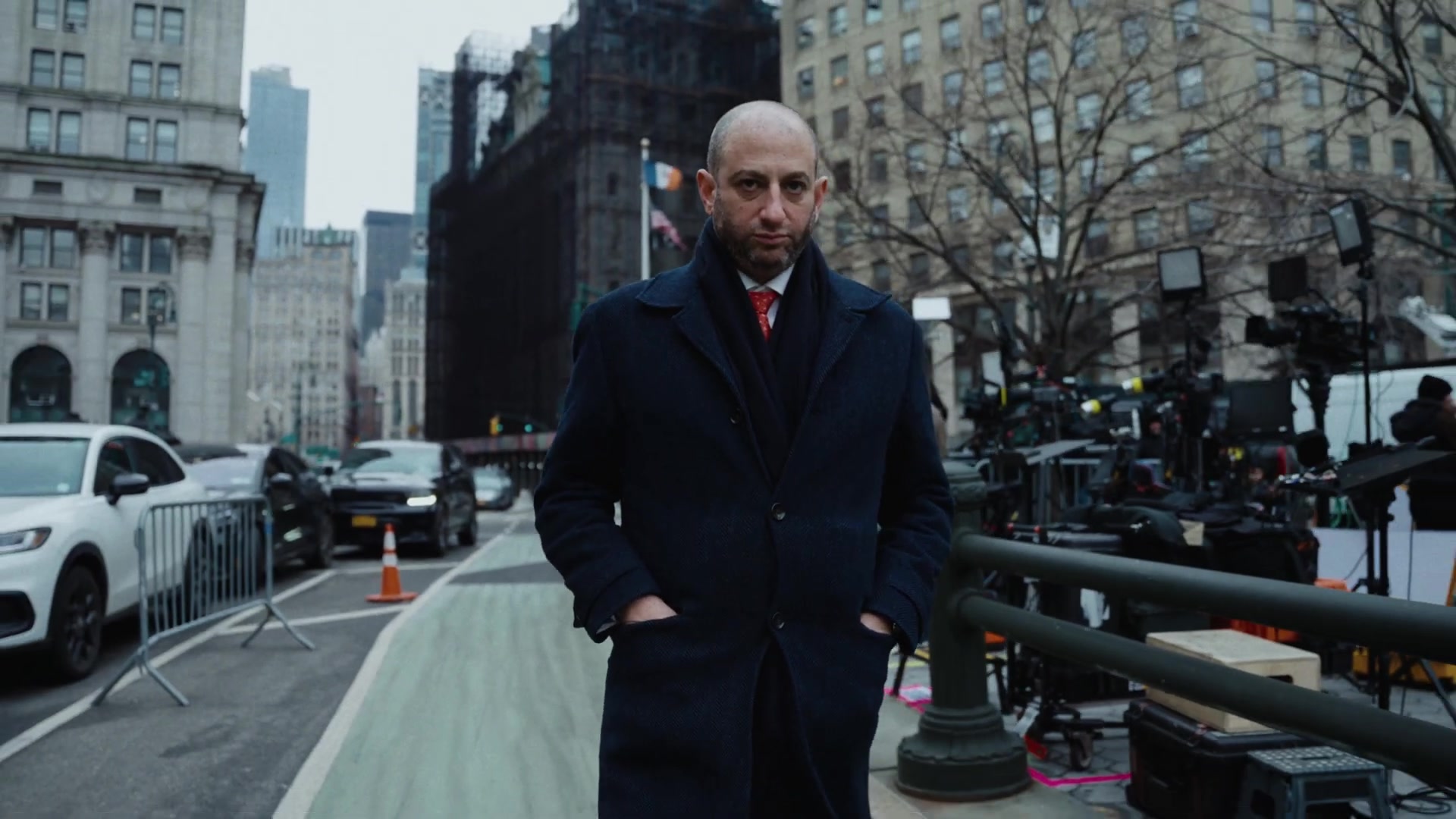
Todd Spodek
Lead Attorney & Founder
Featured on Netflix’s “Inventing Anna,” Todd brings decades of experience defending clients in complex criminal cases.
Multi-State Bar
Federal Courts
US Supreme Court
Meet the Full Team →
Frequently Asked Questions
No. You have the right to remain silent and the right to an attorney. Invoke both rights immediately and contact Spodek Law Group.
Every case is different. We offer free initial consultations to evaluate your case and discuss our fee structure.
An arraignment is your first court appearance where charges are formally read. You enter a plea and bail may be set. Having an attorney present is critical.
Facing Criminal Charges And Have Questions? We Can Help, Tell Us What Happened.