
Insider Trading: Civil Or Criminal Penalties
If you're thinking of doing insider trading, or have already done it - you may wonder what are the possible legal ramifications if the law catches up with you. You may be at risk for either criminal, or civil penalties. If you're caught, and are convicted of a civil penalty, then all you'll need to worry about is a fine. If you're convicted criminally, then not only will you have to pay a fine, but also be sent to jail. This is the worst thing that can possibly happen.Examples of Insider Trading Cases
In the recent article posted on Forbes, an example is given of Raj Rajaratnam, of Galleon Group, who gained almost 80 million in profits, doing insider trading. He was sent to 11 years in prison, as a result of trading based on confidential, inside, information. In contrast, William Marovitz, husband of Playboy CEO Christie Hefner, traded on Playboy stock from 2004 to 2009, and only paid a fine, without going to jail. I suppose if you were looking to buy/sell publicly traded stocks based on inside information, you would probably want to do the kind that, if detected, would result in a civil penalty (fine) rather than a criminal one (jail and fine). Nobody wants the alternative.Factors Determining Criminal vs. Civil Charges
If you're in a situation where you are at risk of being charged with insider trading, then learning the factors that might contribute to being charged criminally versus civilly, may be helpful. There's a few factors that help determine this classification:1. The Significance of the Trading
⚖ Legal Pulse: Key Statistics
15,000+
Federal Cases Filed Annually
90%
Plea Before Trial
2. Evidence
Anyone charged is innocent until proven guilty. The burden of proof will fall on the prosecution. If no one "flips," or if there isn't a smoking gun, the prosecution will have a much harder time proving guilt. This may result in prosecution moving away from criminal charges, and instead choosing to pursue civil charges.3. SEC Violations
If SEC violations have been broken, the Department of Justice may be called in to conduct an independent parallel investigation. Once the DOJ is involved, you can rest assured a very thorough investigation will be done. If the DOJ finds criminal wrongdoing, you can expect to get charged criminally, and now - be at risk for jail time.Regulatory Agencies and Investigation
In addition to the SEC, another organization that regulates insider trading, is FINRA. If either FINRA or the SEC find wrongdoing, all of this will be shared with the DOJ, in order to pursue criminal charges. With things like wire taps now being used to vigorously pursue white collar crimes, criminal intent is much easier to prove, thus making it easier to pursue criminal charges.
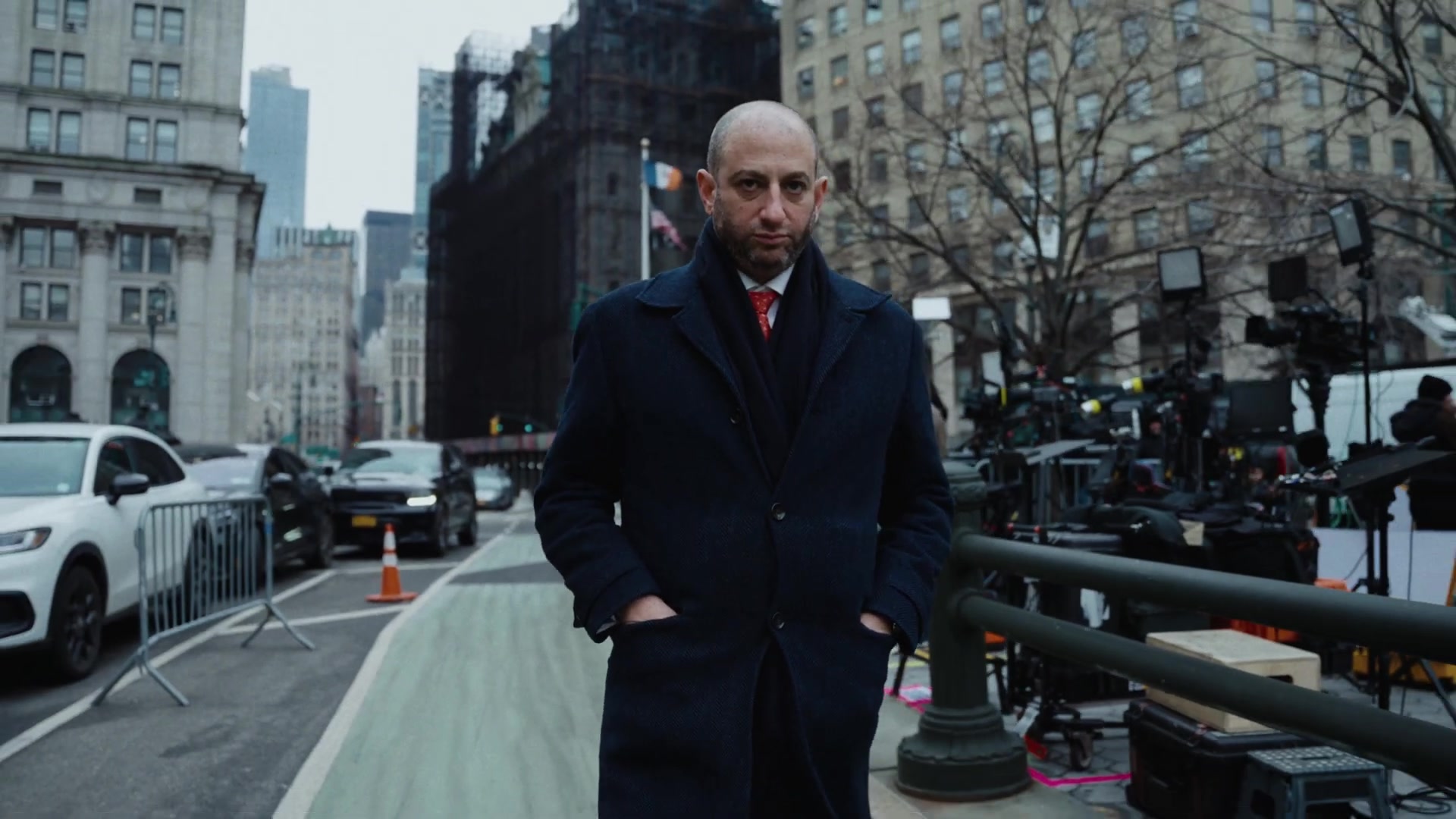
Defense Team Spotlight
Todd Spodek
Lead Attorney & Founder
Featured on Netflix’s “Inventing Anna,” Todd brings decades of experience defending clients in complex criminal cases.
Multi-State Bar
Federal Courts
US Supreme Court
Meet the Full Team →
Frequently Asked Questions
No. You have the right to remain silent and the right to an attorney. Invoke both rights immediately and contact Spodek Law Group.
Every case is different. We offer free initial consultations to evaluate your case and discuss our fee structure.
An arraignment is your first court appearance where charges are formally read. You enter a plea and bail may be set. Having an attorney present is critical.
Facing Criminal Charges And Have Questions? We Can Help, Tell Us What Happened.