The California You Think You Know vs. The LA That Actually Exists
Lets talk about the California you probly imagined when you moved here or when you thought about your legal situation. California has no mandatory minimum sentences for most drug offenses. The state emphasizes rehabilitation over incarceration. Proposition 36 offers treatment instead of prison for nonviolent drug possession. Penal Code 1000 provides diversion programs for first-time offenders. These are real policies that exist in California's state court system. But heres the thing that catches people completly off guard. Los Angeles isnt just in California. Los Angeles is also in the Central District of California, one of the busiest federal court districts in the country. And federal law dosent care about California's progressive policies. Federal law has its own rules. Mandatory minimums. No parole. Conspiracy liability. The same baggie of drugs that might get you probation in LA County Superior Court can get you ten years in federal court across the street. The question that determines everything is wheather your case stays in state court or gets picked up by federal prosecutors. This isnt random. There certain factors that make federal prosecution more likely. Crossing state lines with drugs. Cases involving ports or airports. Large quantities. Connection to known trafficking organizations. Multiple defendants. The use of communication devices across state lines. If any of these factors apply to your case, your sitting in a completly different legal universe then the one you expected. Think about what this means practicaly. You get arrested in Los Angeles for drug trafficking. Your thinking about Californias drug policies. Treatment programs. Maybe probation. Then you find out the feds have taken your case. Suddenly mandatory minimums apply. The judge literaly cannot sentence you below the statutory floor, even if they wanted to. Your facing five, ten, maybe twenty years, and there no early release becuase federal prison dosent have parole.Why Your LA Drug Case Probably Became Federal
Heres something most people dont realize until its to late. Los Angeles geography makes federal prosecution more likley then almost anywhere else in the country. The Port of Los Angeles and Port of Long Beach together form the largest port complex in the Western Hemisphere. Aproximately 40% of all containerized imports to the United States come through these ports. In 2019, authorities seized 1.7 tons of methamphetamine at the port, valued at $1.29 billion. That was a single bust. This port complex creates a federal enforcement infrastructure that touches every drug case in the region. The LA BEST Task Force, which stands for Los Angeles Border Enforcement Security Task Force, exists specificaly to identify security vulnerabilities at the port complex. There looking for drug shipments. There looking for the networks that distribute what comes through those ports. And there connected to federal prosecutors who are ready to file charges. The Mexican border is the other geographic reality that shapes drug enforcement in Los Angeles. The Sinaloa Cartel and other trafficking organizations use Southern California as a distribution hub. In June 2024, fourty-seven defendants were charged in a single operation linked to the Sinaloa Cartel. Federal agencies conducted over 400 search warrants across multiple counties. The scale of these operations means that anyone connected to drug distribution in Los Angeles, even loosly, potentially falls within the scope of federal enforcement. OK so lets think about what triggers federal jurisdiction specifically. Under federal law, drug trafficking becomes a federal crime when it involves crossing state lines, using the mail or interstate communication, involves quantities above certain thresholds, or connects to ongoing federal investigations. In Los Angeles, the connection to ports and international smuggling makes many cases automaticly federal. A package that came through the port creates federal nexus. A phone call to someone in another state creates federal nexus. The bar is lower then most people realize.The practical difference between state and federal prosecution in Los Angeles is stark. In California state court, a first-time trafficking offense under Health and Safety Code 11352 carries three to nine years. The judge has discretion. Treatment alternatives may be available. You might serve a fraction of your sentence. In federal court, the same conduct carries a mandatory minimum of five years for smaller quantities, and ten years for larger amounts. If you have a prior drug felony, those minimums double. Two or more prior convictions for serious drug offenses can trigger mandatory life without the possibility of release. The judge cannot go below these minimums unless you qualify for the safety valve exception or the government files a motion for substantial assistance based on your cooperation.
5 Years Minimum and the Judge Cant Help You
The phrase mandatory minimum means exactly what it says. The sentence is mandatory. The minimum is the floor. Federal judges in the Central District of California cannot sentence below these thresholds, even if they believe the sentence is unjust, even if you have extraordinary circumstances, even if its your first offense. Heres how federal drug sentancing works. The penalties are tied to drug type and quantity. For cocaine, trafficking 500 grams to 4.999 kilograms carries a mandatory minimum of five years. Five kilograms or more carries a mandatory minimum of ten years. For methamphetamine, 50 grams of actual meth or 500 grams of mixture triggers the five-year minimum. Five hundred grams of actual meth or five kilograms of mixture triggers ten years. Fentanyl has become the enforcement priority. Trafficking 40 grams or more of fentanyl triggers the five-year mandatory minimum. Four hundred grams triggers ten years. Given that fentanyl is active in microgram quantities, these weight thresholds are remarkably low. A single kilogram of fentanyl could theoretically produce a million fatal doses. Federal prosecutors in Los Angeles know this, and they charge accordingly. The enhancement provisions are were things get truly scary. If you have one prior felony drug conviction, the mandatory minimums double. That five-year minimum becomes ten. That ten-year minimum becomes twenty. If you have two or more prior convictions for serious drug felonies, you face mandatory life imprisonment. No possibility of release. Ever. Let that sink in for a moment. A person with two prior drug convictions who gets charged with trafficking five kilograms of cocaine in Los Angeles faces mandatory life in federal prison. The judge has no discretion to impose a lower sentence. The only way around this is cooperation with the government, which comes with its own risks and complications.The Conspiracy Trap That Catches Everyone
⚖ Legal Pulse: Key Statistics
15,000+
Federal Cases Filed Annually
90%
Plea Before Trial
340% and Rising: What Fentanyl Changed About Federal Prosecution in LA
The fentanyl crisis transformed federal drug enforcement in Los Angeles. Between 2019 and 2023, fentanyl prosecutions in the Central District increased by 340%. That number represents a fundamental shift in enforcement priorities. Prosecutors who once focused on cocaine and methamphetamine now treat fentanyl as there top priority. This matters for defendants becuase fentanyl cases are prosecuted more aggressively. The quantities involved are smaller becuase fentanyl is extremly potent. Fourty grams triggers a five-year mandatory minimum. Thats less then two ounces. And becuase fentanyl deaths have skyrocketed, prosecutors sometimes add charges under 21 U.S.C. Section 841(b)(1)(C), which provides enhanced penalties when drugs result in death or serious bodily injury. The practical implication is that even relatively small fentanyl operations face serious federal exposure. A dealer with a few hundred pills could be looking at ten years or more. Someone who sold pills that caused an overdose death could face twenty years to life. The enforcement landscape has shifted dramaticaly, and Los Angeles is at the center of it. The fentanyl focus also changes how federal agents investigate. There more likley to use informants, more likley to seek wiretap authority, more likley to coordinate across agencies. The DEA, FBI, and Homeland Security Investigations all have fentanyl task forces operating in Los Angeles. These investigations are sophisticated, well-funded, and patient. They dont rush arrests. They build comprehensive cases that leave defendants with few options.Heres another uncomfortable reality. Federal investigators build cases before they make arrests. Unlike state cases, which often start with a traffic stop or controlled buy, federal cases typicaly involve months or years of investigation. Wiretaps. Surveillance. Cooperating witnesses. By the time federal agents knock on your door, they already have there case built.
68% Detention: Why You Probably Wont Get Bail
In federal drug trafficking cases in Los Angeles, 68% of defendants are detained pending trial. That means most people dont get bail. They sit in federal custody while there case proceeds, which can take a year or more. This creates enormous pressure to plead guilty. The federal bail system works differently then state court. Under the Bail Reform Act of 1984, there is a rebuttable presumption of detention for drug trafficking offenses carrying ten years or more. The prosecutor dosent have to prove you should be detained. You have to prove you should be released. And you have to overcome the presumption that you pose either a flight risk or a danger to the community. The factors that judges consider include your ties to the community, your employment history, your criminal record, the strength of the evidence against you, and the nature of the charges. In drug trafficking cases, the nature of the charges almost always weighs against release. Judges assume that anyone involved in drug trafficking has access to resources and connections that make flight possible. The consequence of pretrial detention is that you cant help with your own defense. You cant meet easily with your attorney. You cant gather evidence or locate witnesses. You cant work to support your family. And you face the psychological pressure of sitting in custody while the government prepares to take everything from you. Many defendants plead guilty simply to end this uncertainty, even when they might have viable defenses. Heres what makes this even more difficult. Federal cases move slowly. From indictment to trial can take twelve to eighteen months. During that entire period, your sitting in federal detention. Your losing your job, your housing, your relationships. The pressure to plead guilty just to end the uncertainty becomes overwhelming. Prosecutors know this. They count on it. The detention system is designed to generate pleas, not trials.The Difference Between State Court and Losing Everything
If your case stays in California state court, you have options. First-time offenders may qualify for diversion under Penal Code 1000 or treatment under Proposition 36. Judges have discretion to consider your individual circumstances. Sentences can include probation, county jail, or state prison with the possibility of early release. If your case goes federal, those options disappear. There is no diversion in federal court. There is no treatment alternative for trafficking charges. You either plead guilty and accept the mandatory minimum, or you go to trial and risk even higher sentences if convicted. The federal system is designed for conviction and incarceration, not rehabilitation. Spodek Law Group understands this distinction because we practice in both systems. We know the prosecutors in the Central District. We know how federal investigations develop. We know when cases can be kept in state court and when federal prosecution is inevitable. This knowledge matters becuase the strategy for your defense depends entirely on which system you're in. The time to fight for state court jurisdiction is before federal charges are filed. Once a federal indictment comes down, youre in the federal system. But before that point, there may be opportunities to influence how your case is handled. This requires early intervention by attorneys who understand how federal and state prosecutors coordinate in Los Angeles. Heres something else worth understanding. Even within the federal system, outcomes vary dramaticaly based on representation. The safety valve provision can exempt first-time nonviolent offenders from mandatory minimums if they meet certain criteria. Substantial assistance motions can reduce sentences significantly for defendants who cooperate. Role-in-the-offense adjustments can mean the difference between a minor participant enhancement and a leadership enhancement. None of these outcomes happen automaticaly. They require skilled advocacy from attorneys who know how to navigate federal sentencing.
If your facing drug trafficking charges in Los Angeles, the situation is serious regardless of which court has jurisdiction. But federal charges represent a different magnitude of risk. The mandatory minimums. The lack of parole. The conspiracy liability. The pretrial detention. These factors combine to create outcomes that destroy lives and families. The question isnt whether you need a lawyer. You do. The question is whether your lawyer understands federal practice in the Central District of California. Many excellent criminal defense attorneys have never handled a federal case. The procedures are different. The sentencing is different. The prosecutors are different. Experience in this specific system matters enormously. At Spodek Law Group, Todd Spodek and our team have defended clients in federal drug trafficking cases throughout Los Angeles and beyond. We understand how these cases are built, how they can be challenged, and how to position clients for the best possible outcomes in an unforgiving system. We also understand that your life is on the line, and we treat every case with the seriousness it deserves. Call Spodek Law Group at 212-300-5196 to discuss your situation. The geographic realities of Los Angeles make federal prosecution more likely than you might think. The sooner you have experienced federal defense counsel, the more options you have. Waiting costs you leverage.
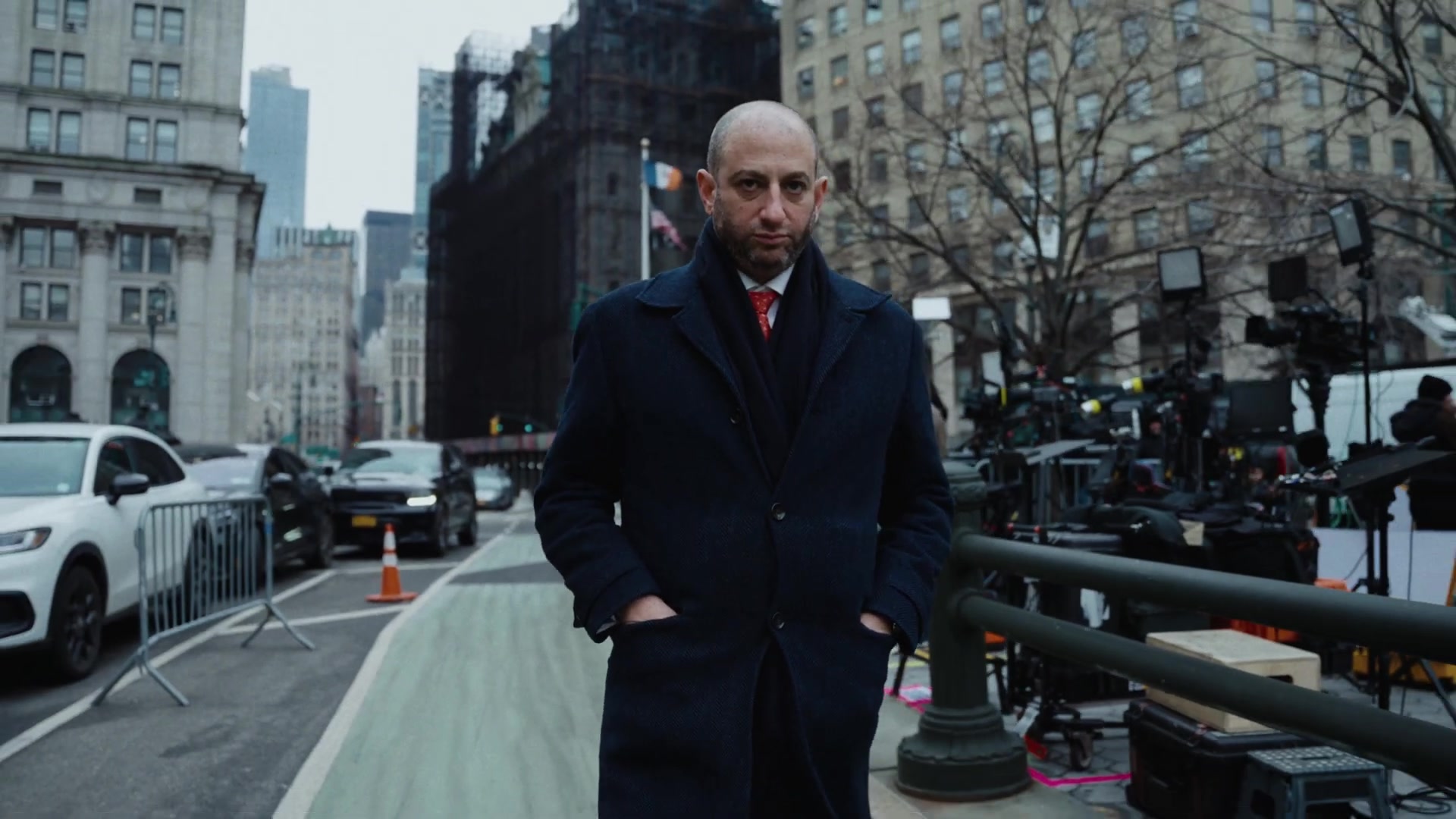
Defense Team Spotlight
Todd Spodek
Lead Attorney & Founder
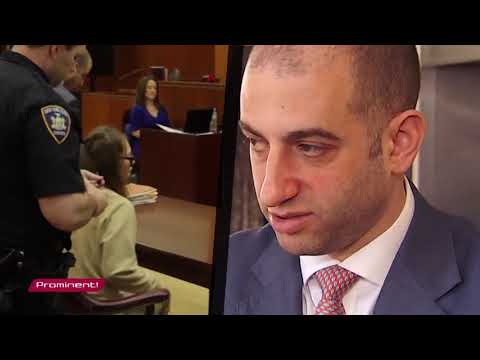
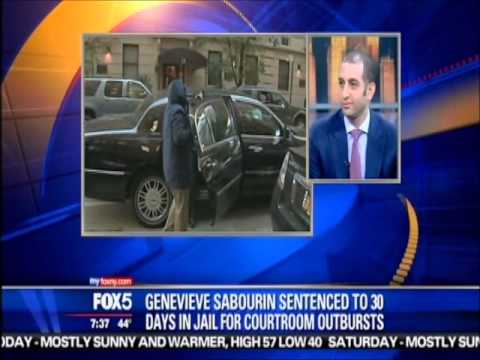
Featured on Netflix’s “Inventing Anna,” Todd brings decades of experience defending clients in complex criminal cases.
Multi-State Bar
Federal Courts
US Supreme Court
Meet the Full Team →
Frequently Asked Questions
No. You have the right to remain silent and the right to an attorney. Invoke both rights immediately and contact Spodek Law Group.
Every case is different. We offer free initial consultations to evaluate your case and discuss our fee structure.
An arraignment is your first court appearance where charges are formally read. You enter a plea and bail may be set. Having an attorney present is critical.
Facing Criminal Charges And Have Questions? We Can Help, Tell Us What Happened.