
Maine Federal Criminal Defense Lawyer: Defending Drug Trafficking Cases
So your probably ABSOLUTELY PANICKING right now because federal agents just arrested you in Bangor as one of nine men charged with conspiracy to distribute fentanyl, methamphetamine, and cocaine as part of drug trafficking operation that transported drugs from Boston and Lawrence Massachusetts to locations in Waldo County Maine, or maybe your facing 10 YEARS TO LIFE in federal prison because jury convicted you of fentanyl trafficking like St. Albans man, or worse - maybe your one of 21 defendants charged in widespread northern Maine drug trafficking conspiracy that trafficked methamphetamine and fentanyl throughout Penobscot and Aroostook counties between January 2018 and December 2021. Maybe they seized 1,316 grams of methamphetamine and 1,206 grams of fentanyl from you in what prosecutors called "one of the most significant seizures" in Maine. Maybe there charging you as part of cross-state trafficking conspiracy that distributed estimated 20 KILOGRAMS of fentanyl, one kilogram of methamphetamine, and 200 grams of cocaine for redistribution throughout New Hampshire and Maine. Or maybe your from California or Florida facing trafficking charges after shipping drugs to Downeast Maine. Look, we get it. Your COMPLETELY TERRIFIED. And honestly? You should be! Because police seized almost 3 POUNDS of methamphetamine and nearly 3 POUNDS of fentanyl in single bust, and Bangor woman got one of stiffest drug sentences handed down in Maine showing how multi-pound quantities trigger crushing mandatory minimums!Why Does Maine's Geography Create Unique Federal Prosecutions?
Let me explain how Maine federal drug prosecutions work because understanding District of Maine's approach REALLY matters for your defense. Maine has only ONE federal judicial district - the District of Maine - with courthouses in Portland and Bangor covering the entire state. What makes Maine unique is that its the northernmost state on East Coast and sits at end of Interstate 95 corridor running from Florida through New York, Massachusetts, and into Maine, making Maine the terminus for drug trafficking operations that ship drugs from Boston, Lawrence, and other Massachusetts cities northward to supply Maine's drug markets. Maine also borders Canadian province of New Brunswick creating international trafficking routes, and Maine's rural nature with vast unpopulated areas between Portland and Bangor and throughout Aroostook County near Canadian border creates opportunities for traffickers to operate in areas with limited law enforcement presence. In November 2024, nine men got arrested and made initial appearances in federal court in Bangor charged with conspiracy to distribute fentanyl, methamphetamine, and cocaine after investigation revealed drug trafficking operation that regularly transported drugs from areas in Boston and Lawrence Massachusetts to locations in Waldo County Maine showing the Massachusetts-to-Maine pipeline. Penobscot and Aroostook counties in northern Maine have been targeted by federal prosecutors because widespread drug trafficking conspiracy operated there for YEARS distributing methamphetamine and fentanyl. Between January 2018 and December 2021, defendants trafficked drugs throughout these rural counties, and twenty-one defendants have been charged in this and related cases showing the massive scope of northern Maine trafficking organizations. Aaron Rodgers got sentenced to time served which was approximately 33 months after pleading guilty to conspiring to distribute methamphetamine and fentanyl as part of this conspiracy, and multiple other defendants got sentenced for their roles showing how multi-year investigations eventually capture entire organizations.How Do Massachusetts-to-Maine Trafficking Pipelines Work?
Maine federal cases overwhelmingly involve out-of-state traffickers from Massachusetts, California, Florida, and other states shipping drugs into Maine because Maine's relatively small population and rural areas create profitable drug markets with less competition and law enforcement scrutiny compared to major cities. The nine men arrested for trafficking from Boston and Lawrence Massachusetts to Waldo County demonstrate the typical pattern - suppliers in Massachusetts metropolitan areas obtain drugs from New York or Mexican sources, then recruit couriers or use mail services to transport multi-pound quantities into Maine where local distributors sell to Maine customers at markup prices. Thirteen individuals got indicted in cross-state drug trafficking conspiracy from April 2023 to April 2024 involving estimated total of at least 20 KILOGRAMS of fentanyl, one kilogram of methamphetamine, and 200 grams of cocaine that were sold to dealers based in New Hampshire and Maine for redistribution. Twenty kilograms of fentanyl is approximately 44 POUNDS which way exceeds the 4-kilogram threshold for 20-year mandatory minimum, meaning every member of this conspiracy faces mandatory 20 years before any guideline calculations or enhancements. Federal law sets mandatory minimums at 400 grams of fentanyl for 10 years and 4 kilograms for 20 years, so when conspiracy distributes 20 kilograms every participant responsible for reasonably foreseeable quantities faces crushing mandatory exposure. What makes these cross-state conspiracies particularly dangerous is that they used social media apps to facilitate drug distribution and engaged in "guns for drugs" exchanges where firearms were traded for narcotics creating additional federal firearms charges. A California man pled guilty to fentanyl and methamphetamine trafficking in Downeast Maine and Hawaii showing how West Coast suppliers ship drugs across entire country to rural Maine communities. A Florida man faces 5-40 years for trafficking methamphetamine in Bangor and Houlton areas demonstrating the geographic spread of out-of-state traffickers operating throughout Maine.What Makes Multi-Pound Seizures So Devastating?
15,000+
Federal Cases Filed Annually
90%
Plea Before Trial
How Do Federal Prosecutors Prove Interstate Conspiracies?
Maine federal drug cases rely heavily on proving interstate commerce element by showing drugs traveled from Massachusetts or other states into Maine, and prosecutors use wiretaps, GPS tracking, surveillance, controlled buys, and cooperating witnesses to build conspiracy cases against entire organizations. The cross-state trafficking conspiracy that used social media apps shows how modern investigations intercept encrypted messaging, Facebook communications, and other digital evidence to prove defendants coordinated drug shipments, arranged pickups and deliveries, and discussed prices and quantities. Federal conspiracy law makes every member of conspiracy responsible for all reasonably foreseeable acts committed by any co-conspirator in furtherance of conspiracy's goals, so even if you personally only transported 500 grams of fentanyl on one occasion, if the conspiracy distributed 20 kilograms over the time period you participated and you knew the scope and purpose of organization, you can be held accountable for quantities that trigger 20-year mandatories. This is how street-level distributors who thought they were just buying ounces for personal distribution end up facing 10-20 year federal sentences because they were part of organization trafficking kilograms. Jacob D. King, Amanda E. Camera, and Benjamin M. Fields are facing mandatory minimum penalties of 5 years imprisonment based on their involvement in cross-state conspiracy showing that even lower-level participants face significant mandatory minimums when overall quantities are massive. Federal prosecutors in District of Maine coordinate with prosecutors in Massachusetts and New Hampshire to charge defendants in whichever district provides best evidence or most favorable venue, meaning your Massachusetts supplier might get charged in Maine federal court if most of his drugs ended up in Maine.What About Firearms and "Guns for Drugs" Charges?
Maine federal drug cases are increasingly including firearms charges because traffickers either possess guns to protect drugs and proceeds or engage in "guns for drugs" exchanges where firearms are traded for narcotics. Under 18 USC 924(c), possessing firearm in furtherance of drug trafficking carries mandatory 5 years for simple possession, 7 years for brandishing, or 10 years for discharging, and these sentences run CONSECUTIVE to drug sentences meaning they stack on top of each other creating crushing total exposure. The cross-state conspiracy indictment specifically mentioned "guns for drugs" exchanges showing prosecutors are charging firearms offenses in addition to drug trafficking. When federal agents execute search warrants on stash houses or vehicles and find guns along with multi-pound drug quantities, prosecutors argue guns were there to protect the drugs from robbery or to enforce debts creating "in furtherance of" drug trafficking element. Even if gun was legally owned and kept at home for protection, if its found in same location as trafficking quantities of drugs federal prosecutors will charge 924(c). What makes 924(c) particularly crushing is the consecutive stacking - if you get 10 years for drug conspiracy and 5 years consecutive for firearm, that's 15 years total before any other enhancements. And if you have multiple firearms or if firearm was brandished or discharged during drug transaction, your looking at 7-10 years consecutive per gun creating 20-30+ year totals. A violent gang member facing at least 40 years mandatory probably includes significant 924(c) stacking on top of underlying drug mandatory minimums showing how firearms charges create life-altering sentences.What Defenses Work in Maine Federal Drug Cases?
Even though Maine federal drug prosecutions result in harsh sentences, there are defenses that can work if you have experienced federal criminal defense counsel. Challenging your role in multi-defendant conspiracy and the drug quantities attributable to you is critical because just because conspiracy distributed 20 kilograms doesn't automatically mean YOUR responsible for 20 kilograms if you only participated in small portion. Prosecutors have to prove your knowledge of conspiracy's scope and that quantities distributed by other members were reasonably foreseeable to you based on your participation. We've successfully argued our client was minor participant who only handled small personal-use quantities and didn't know about organization's kilograms-level trafficking, reducing attributable quantity from amounts triggering 10-20 year mandatories down to amounts qualifying for safety valve departure below the mandatory minimums. Safety valve under 18 USC 3553(f) allows court to go below mandatory minimums if you meet five criteria including no violence, no leadership role, truthful cooperation with government, minimal criminal history, and non-gang involvement. Challenging interstate commerce element in cases where drugs allegedly came from Massachusetts requires prosecutors to prove drugs actually crossed state lines. If all transactions occurred within Maine and there's no direct evidence drugs originated from out-of-state sources, there may be insufficient proof of federal jurisdiction requiring case to be prosecuted in Maine state courts under state law with lower maximum penalties. We've challenged federal jurisdiction in cases where interstate commerce evidence was weak or speculative. Challenging firearms "in furtherance of" drug trafficking requires showing guns served lawful purposes unrelated to drug activity. In rural Maine where hunting and gun ownership are common cultural practices, if firearms were kept for hunting, sport shooting, or home protection and were in different location from drugs or had no connection to trafficking activities, those facts undermine "in furtherance" element. We've defeated 924(c) charges by showing guns served legitimate purposes saving clients from 5-10 years mandatory consecutive. Cooperation and substantial assistance agreements are absolutely critical in Maine multi-defendant cases because when 9-21 people are charged together, prosecutors need cooperators to testify about Massachusetts suppliers, trafficking routes, organizational structure, and drug sources. Federal prosecutors in District of Maine highly value information about Boston and Lawrence connections, social media coordination methods, and guns-for-drugs networks. We've negotiated 5K1.1 substantial assistance departures where defendants facing 10-20 year guidelines ended up with 4-7 years because they cooperated early and provided valuable testimony.
Why Maine Federal Cases Require Specialized Defense?
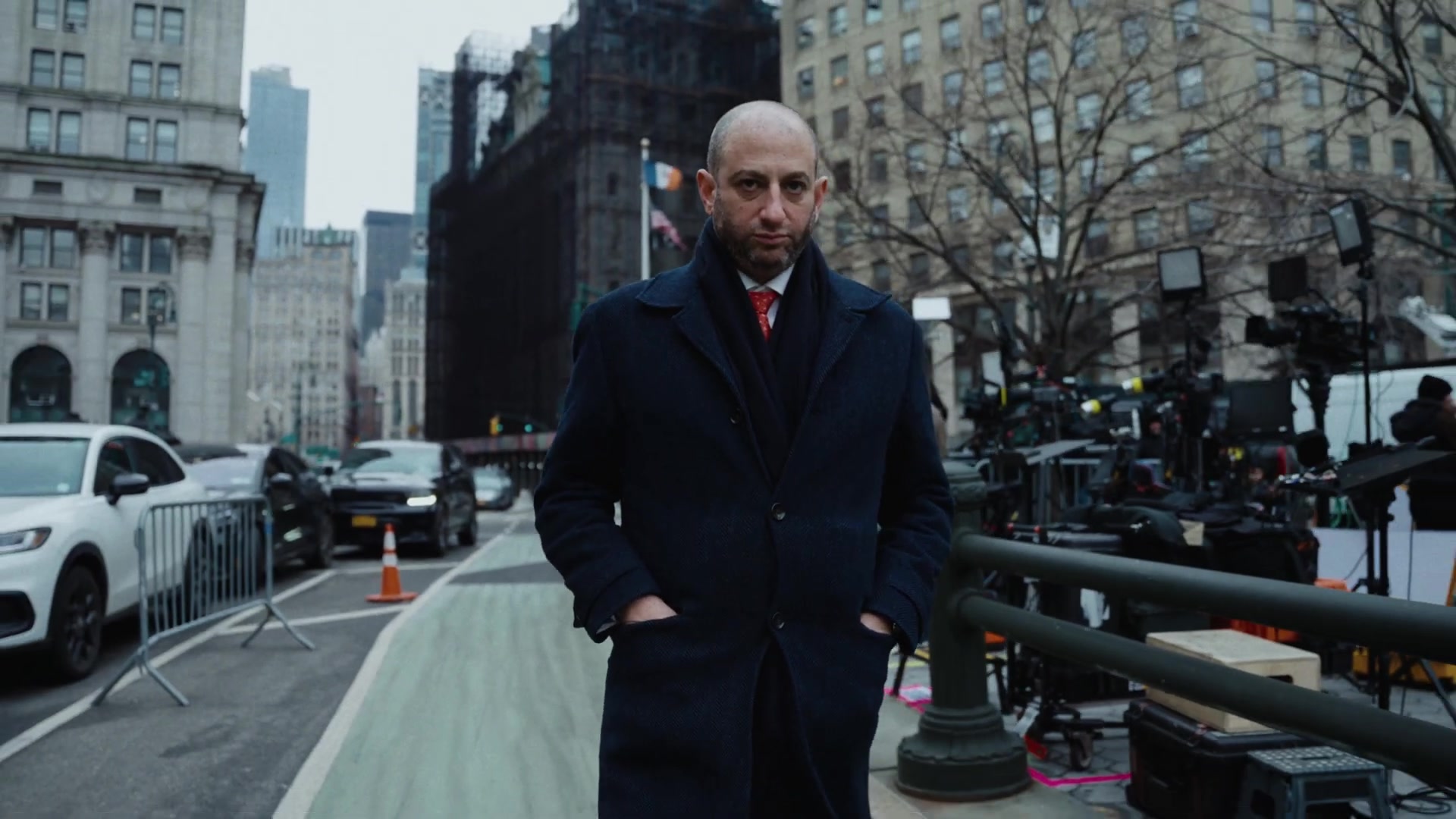
Defense Team Spotlight
Todd Spodek
Lead Attorney & Founder
Featured on Netflix’s “Inventing Anna,” Todd brings decades of experience defending clients in complex criminal cases.
Call us RIGHT NOW at 212-300-5196
Multi-state conspiracy - 20 kilograms fentanyl - 3 pound seizures - 10-40 year mandatories
Former federal prosecutors - District of Maine - Available 24/7
Frequently Asked Questions
No. You have the right to remain silent and the right to an attorney. Invoke both rights immediately and contact Spodek Law Group.
Every case is different. We offer free initial consultations to evaluate your case and discuss our fee structure.
An arraignment is your first court appearance where charges are formally read. You enter a plea and bail may be set. Having an attorney present is critical.