Understanding Manslaughter Charges: Laws, Penalties, and Legal Definitions
Manslaughter is a term that refers to homicide. The difference between manslaughter and murder is the intent of the crime. A manslaughter charge recognizes that the defendant had no malicious intent to murder. in both a manslaughter and murder case a killing occurs. The difference is, the behavior of manslaughter is somewhat justifiable according to the legal system.What Laws Govern Manslaughter
In a manslaughter case, the defendant is already identified as the killer of the victim. Guilt is already established. The question that is left for the legal system to answer is whether the defendant's actions are reasonable. The code declares that manslaughter is classified as a no malice unlawful killing of another individual. The law that governs manslaughter can be found in 18 U.S. Code. There is a specific manslaughter section.Involuntary Manslaughter vs. Voluntary Manslaughter
There are two types of manslaughter. They are:- Involuntary manslaughter – an unlawful crime that is not deemed a felony. Death of a human-caused by another human that acted unlawfully and without caution.
- Voluntary manslaughter – described as a "heat of passion murder." This type of manslaughter action occurs after a quarrel or altercation
| Type of Manslaughter | Definition | Key Characteristics |
|---|---|---|
| Voluntary Manslaughter | Described as a "heat of passion murder" | This type of manslaughter action occurs after a quarrel or altercation |
| Involuntary Manslaughter | An unlawful crime that is not deemed a felony. Death of a human-caused by another human that acted unlawfully and without caution | A killing that happens by accident is involuntary manslaughter |
| Criminal Negligence | In some cases, involuntary manslaughter is considered criminal negligence |
What Are Manslaughter Charges?
⚖ Legal Pulse: Key Statistics
15,000+
Federal Cases Filed Annually
90%
Plea Before Trial
| Proving Manslaughter Charges | |
|---|---|
| Voluntary Manslaughter | It must be proven that the person killed as a result of a provocation. Without a reasonable doubt, no malice or ill intent must be proven |
| Heat of Passion | A voluntary manslaughter charge proves that the murder was a heat of passion crime. Killings that occur in an unexpected moment of rage or anger fall under voluntary manslaughter |
| Unexpected Rage or Anger | |
| Involuntary Manslaughter | A killing that happens by accident is involuntary manslaughter |
| Reckless Behavior | Involuntary manslaughter charges acknowledge the reckless and negligent behavior of the defendant |
| Although the crime was an accident, punishment is still required | |
What Is the Punishment for Manslaughter?
The 18 U.S. Code clearly outlines the punishment for manslaughter. Specifically, in paragraph 1112- Manslaughter. The following are the listed legal punishment criteria for the criminal charge of manslaughter:- If convicted of manslaughter, you will receive no more than 15-years of prison time. There can also be a fine associated with the sentencing of voluntary manslaughter
- For the conviction of involuntary manslaughter, you will receive no more than 8-years of prison time and a possible fine
| Conviction Type | Maximum Prison Time | Additional Penalties |
|---|---|---|
| Voluntary Manslaughter | No more than 15-years of prison time | There can also be a fine associated with the sentencing |
| Involuntary Manslaughter | No more than 8-years of prison time | |
| The punishments listed above, have been set by the federal government. There are more laws and regulatory practices set by each state. Depending on the state, the punishment for manslaughter can be different | ||
Sentencing Criteria for Manslaughter
Wherever a manslaughter trial is held, that is the jurisdiction responsible for sentencing. Ultimately, the specific details and aggravating factors of the case will help determine the required prison sentence. Sentencing guidelines vary by state. For example, the federal government set a guideline that anyone convicted of voluntary manslaughter can face up to 15 years in prison. Federal recommended suggestions are not followed the same by each state. Reckless behavior and actions are both factored into manslaughter sentencing. The judge has the final say in sentencing mandates when it comes to both voluntary and involuntary manslaughter.
| Sentencing Factor | How It Affects Sentencing |
|---|---|
| Jurisdiction | Wherever a manslaughter trial is held, that is the jurisdiction responsible for sentencing |
| Case Details | The specific details and aggravating factors of the case will help determine the required prison sentence |
| Aggravating Factors | |
| State Guidelines | Sentencing guidelines vary by state. Federal recommended suggestions are not followed the same by each state |
| Reckless Behavior | Reckless behavior and actions are both factored into manslaughter sentencing |
| Judge's Discretion | The judge has the final say in sentencing mandates when it comes to both voluntary and involuntary manslaughter |
Statute of Limitations
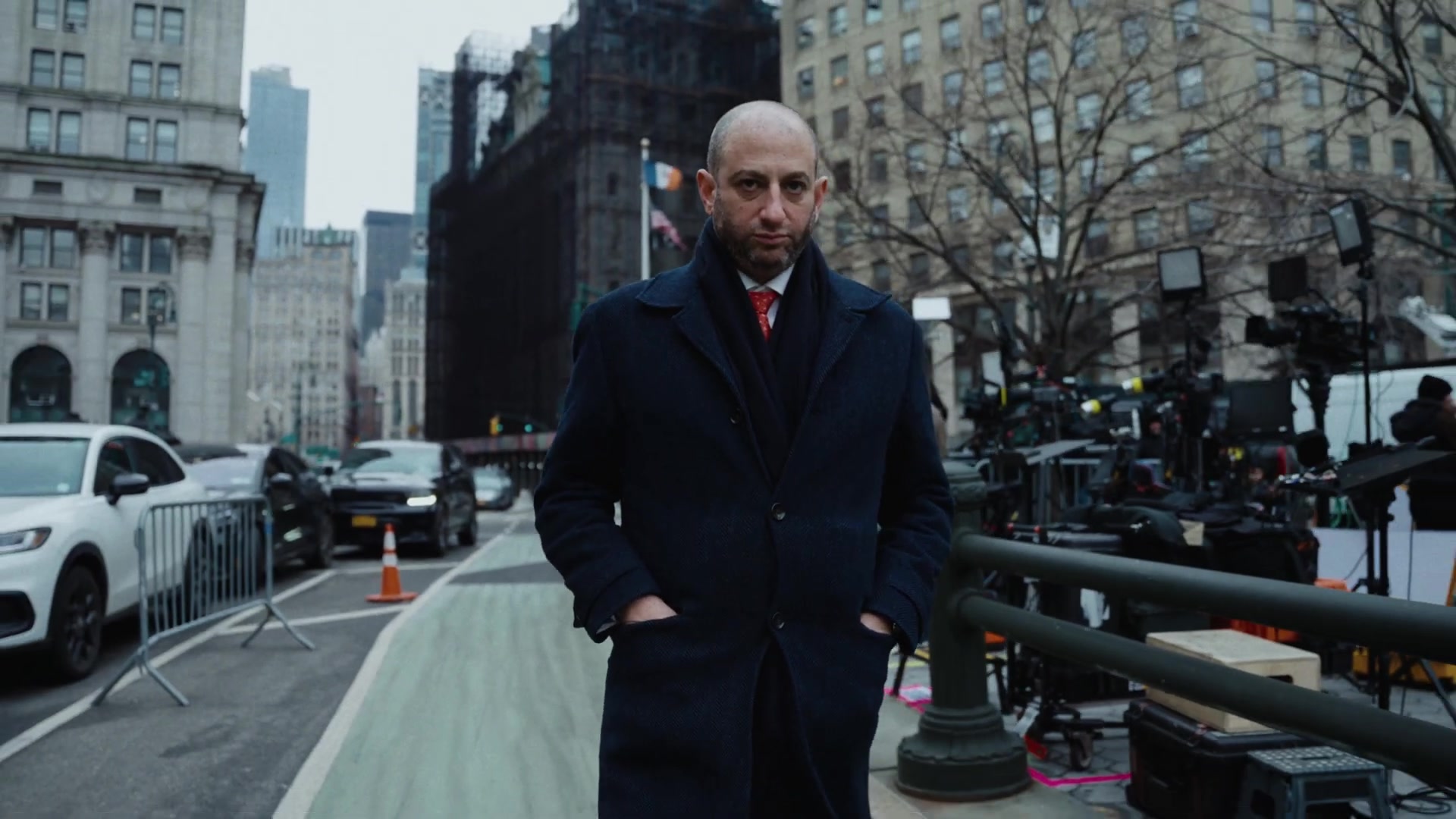
Defense Team Spotlight
Todd Spodek
Lead Attorney & Founder
Featured on Netflix’s “Inventing Anna,” Todd brings decades of experience defending clients in complex criminal cases.
Multi-State Bar
Federal Courts
US Supreme Court
Meet the Full Team →
| Statute of Limitations for Manslaughter | |
|---|---|
| General Range | Generally, the statute of limitations for a manslaughter conviction ranges around 2-years |
| Varies by Type | The different types of manslaughter convictions can carry various statutes of limitations |
| All States Have Limits | A conviction of manslaughter charge in all states has a statute of limitations. Manslaughter does not qualify as a murder charge. There is no statute of limitations in a murder conviction |
| Different from Murder | |
| Tolling Can Occur | A Statute of limitations tolling can take place. What this means is that there can be a temporary suspension of the statute of limitations. Tolling can occur if the person who committed the crime cannot be located or attempts to go into hiding |
| State Border Requirement | For many states, the alleged criminal has to stay in the confines of the state border |
| A voluntary or involuntary manslaughter conviction can face anywhere from a few years up to 15 years | |
Key Differences: Manslaughter vs. Murder
| Aspect | Manslaughter | Murder |
|---|---|---|
| Intent | A manslaughter charge recognizes that the defendant had no malicious intent to murder | Malicious intent present |
| Justifiability | The behavior of manslaughter is somewhat justifiable according to the legal system | Not justifiable |
| Statute of Limitations | A conviction of manslaughter charge in all states has a statute of limitations | There is no statute of limitations in a murder conviction |
| Time Limit | No time limit | |
| Severity | Overall, a manslaughter conviction is less severe than a murder charge | |
Frequently Asked Questions
No. You have the right to remain silent and the right to an attorney. Invoke both rights immediately and contact Spodek Law Group.
Every case is different. We offer free initial consultations to evaluate your case and discuss our fee structure.
An arraignment is your first court appearance where charges are formally read. You enter a plea and bail may be set. Having an attorney present is critical.
Facing Criminal Charges And Have Questions? We Can Help, Tell Us What Happened.