
The $10,000 Trap: Each Transaction Is a Federal Crime
Heres the statute that turns spending into crime. 18 USC 1957 criminalizes "monetary transactions in property derived from specified unlawful activity" when the transaction exceeds $10,000. Read that again. MONETARY TRANSACTIONS. Not concealment. Not laundering in any traditional sense. Just transactions. What counts as a monetary transaction? Deposits. Withdrawals. Transfers between accounts. Wire transfers. Purchases. Payments. Basicly any movement of money through the financial system exceeding $10,000. If you recieved a $100,000 PPP loan fraudulently and then made 8 transactions of $12,500 each - paying off a credit card, buying a car, transfering to a personal account, paying rent for a year - thats 8 separate counts of money laundering. Each count carries up to 10 years under 1957. Eight counts times 10 years equals 80 years theoretical exposure. For spending your own fraud proceeds. The $10,000 threshold isnt adjusted for inflation. It hasnt changed since 1986. What was a relativley high bar when the statute was written now captures almost any signficant financial transaction. Buy a used car? Probably over $10,000. Pay off a credit card balance? Probably over $10,000. Make a down payment on a house? Definately over $10,000. The money laundering exposure from spending fraud proceeds often exceeds the exposure from the underlying fraud itself. And heres the paradox that makes this even more perverse. The act of DEPOSITING your PPP loan into your business account is potentialy the first money laundering transaction - the exact same thing you were suposed to do with legitimate PPP funds.1956 vs 1957: Two Statutes, Two Different Traps
OK so theres actualy two money laundering statutes, and prosecutors pick which one to charge based on your conduct. Understanding the difference is essential becuase the penalties and elements differ dramaticaly. 18 USC 1956 is the "real" money laundering statute - the one that requires intent to conceal or promote unlawful activity. This carries 20 years maximum per count. Prosecutors use this when you took active steps to hide the source of funds. Shell companies. Layering transactions. Structuring deposits to avoid reporting requirements. 18 USC 1957 is the spending statute - it just requires monetary transactions over $10,000 knowing the funds were criminaly derived. This carries 10 years maximum per count. No concealment required. No intent to hide anything. Just spending money you knew came from crime. Heres the inversion that catches defendants off guard. You might think 1957 is the "lesser" charge becuase it only carries 10 years instead of 20. But prosecutors can stack MORE 1957 counts becuase every transaction over $10,000 is a separate violation. Three transactions at 10 years each equals 30 years exposure. The "lesser" statute produces the bigger sentence. The knowledge requirement also differs. Under 1956, prosecutors must prove you intended to conceal or promote the unlawful activity. Under 1957, they only need to prove you knew the money was criminaly derived. You dont need to know WHAT crime produced the money. You just need to know it came from SOME crime. If you fraudulently obtained PPP funds, you already knew the source was criminal. Every subsequent transaction was with that knowledge. This creates a wierd outcome. The person who openly spent there PPP money on obvious things - a car, a house, personal expenses - faces potentialy MORE money laundering counts then someone who tried to hide it through complex structures. The simple fraud with elaborate spending equals more exposure than elaborate fraud with simple spending.Dezfooli's 15 Years: What Happens When You Keep Spending
Amir Dezfooli's case is the cautionary tale that everyone facing PPP fraud charges needs to understand. He recieved over $11 million in fraudulent PPP and EIDL loans. He was charged with 3 counts of money laundering and 4 counts of monetary transactions with criminaly derived property. He was sentenced to over 15 years in federal prison. But heres the part that makes this case uniquley instructive. Dezfooli continued buying real estate with PPP funds AFTER being indicted. Let that sink in. He knew he was under federal indictment for fraud, and he kept spending the proceeds. Each transaction after indictment was another count. Each count was another brick in his sentence. Todd Spodek has represented clients who made similar mistakes - continuing to spend while under investigation. The psychology is understandable. The money is in your account. The investigation might take years. Life continues. Bills need paying. But every transaction over $10,000 after you know your under investigation is a new federal crime. And prosecutors LOVE charging transactions that occured after the defendant was clearly on notice. The Dezfooli case also demonstrates the asset forfeiture dimension. He purchased approximately 25 properties with fraud proceeds. Every single property became subject to forfeiture. The government didnt just want him in prison - they wanted everything he bought with the money. He lost the real estate AND got 15 years. Think about the math that produced that sentence. The base fraud charge might have resulted in 5-7 years. But the money laundering charges - specificaly the transactions with criminaly derived property - stacked additional years on top. The sentence was front-loaded with fraud, then multiplied by spending.The Stacking Effect: How 3 Transactions Becomes 30 Years
⚖ Legal Pulse: Key Statistics
15,000+
Federal Cases Filed Annually
90%
Plea Before Trial
They're Taking Everything: Mandatory Asset Forfeiture
Now heres the system revelation that most defendants dont understand until its to late. Asset forfeiture under 18 USC 982 is MANDATORY upon conviction. Not discretionary. The judge must order forfeiture of anything traceable to fraud proceeds. That Lamborghini you bought with PPP money? Gone. The house you paid off? Gone. The jewelry, the watches, the investments - everything purchased with fraud proceeds gets seized. And this happens IN ADDITION to your prison sentence. You loose the assets AND do the time. At Spodek Law Group, we explain to clients that money laundering convictions produce two seperate punishments: incarceration and forfeiture. The Dezfooli case exemplifies this - 15+ years in prison PLUS forfeiture of approximately 25 properties. The government wanted both his freedom and his assets. The forfeiture process often begins BEFORE conviction. Money laundering charges allow prosecutors to seize assets during the investigation through civil forfeiture. Your bank accounts can be frozen. Your property can be seized. Your ability to fund a defense can be compromised - all before your proven guilty of anything. The DOJ Fraud Section has seized more than $65 million in cash proceeds plus properties and luxury items from PPP fraud prosecutions. That number continues to grow. When prosecutors add money laundering charges, there not just seeking prison time - there building the legal framework to take everything. Criminal forfeiture upon conviction is mandatory under 18 USC 982 - the judge has no discretion to let you keep assets purchased with fraud proceeds. Heres the consequence cascade that destroys families. You commit PPP fraud. You deposit the funds. You buy a house for your family. You get convicted. The forfeiture order strips the house. Your family is homeless. Your in prison. The money laundering charge didnt just add years to your sentence - it took your familys home. And the commingling issue makes forfeiture even more complicated. If you deposited $100,000 in PPP funds into an account that already had $50,000 of legitimate money, the entire account becomes potentialy tainted. The goverment can argue that every transaction from that commingled account used fraud proceeds. The burden shifts to YOU to trace which dollars were legitimate and which were fraudulent. Without meticulous records, the presumption runs against you. The practical effect is that commingling - which almost everyone does becuase they deposit PPP funds into there regular business account - creates maximum forfeiture exposure. The $100,000 in fraud proceeds potentially taints $300,000 in total assets if the funds were moved around, invested, or used to generate returns."I Didn't Know It Was Fraud Money" - When This Defense Works
Theres one genuine defense pathway for money laundering charges, and it turns on the knowledge element. Under 1957, prosecutors must prove you KNEW the funds were criminaly derived when you spent them. If you genuinley didnt know, you might have a defense. But heres the myth that needs busting. The knowledge requirement dosent mean you need to know the SPECIFIC crime that produced the money. You just need to know it came from SOME criminal activity. If you fraudulently obtained PPP funds yourself, you already knew. The knowledge element is automaticaly satisfied becuase you committed the underlying fraud. The defense works in limited scenarios: Third-party transactions: If someone else committed the fraud and gave you money without explaining its source, you might genuinley lack knowledge. The spouse who recieved "business income" without knowing about the fraud. The family member who got a "gift." The business partner kept in the dark. Commingled funds ambiguity: If legitimate funds were mixed with fraud proceeds and you made transactions from the commingled account, theres potential argument about which funds were used. This dosent eliminate exposure but might reduce the number of proveable counts. Reliance on advisors: If an accountant or attorney told you the funds were legitimate and you relied on that advice, you might lack the requisite knowledge. But this defense requires documented advice from a professional who examined the situation. The defense DOSENT work if:- You obtained the PPP funds through fraud (you knew the source)
- You were told the funds came from fraud (actual knowledge)
- The circumstances made criminal origin obvious (willful blindness)
- You structured transactions to avoid reporting (consciousness of guilt)

What Money Laundering Charges Mean for Your Case
Defense Team Spotlight
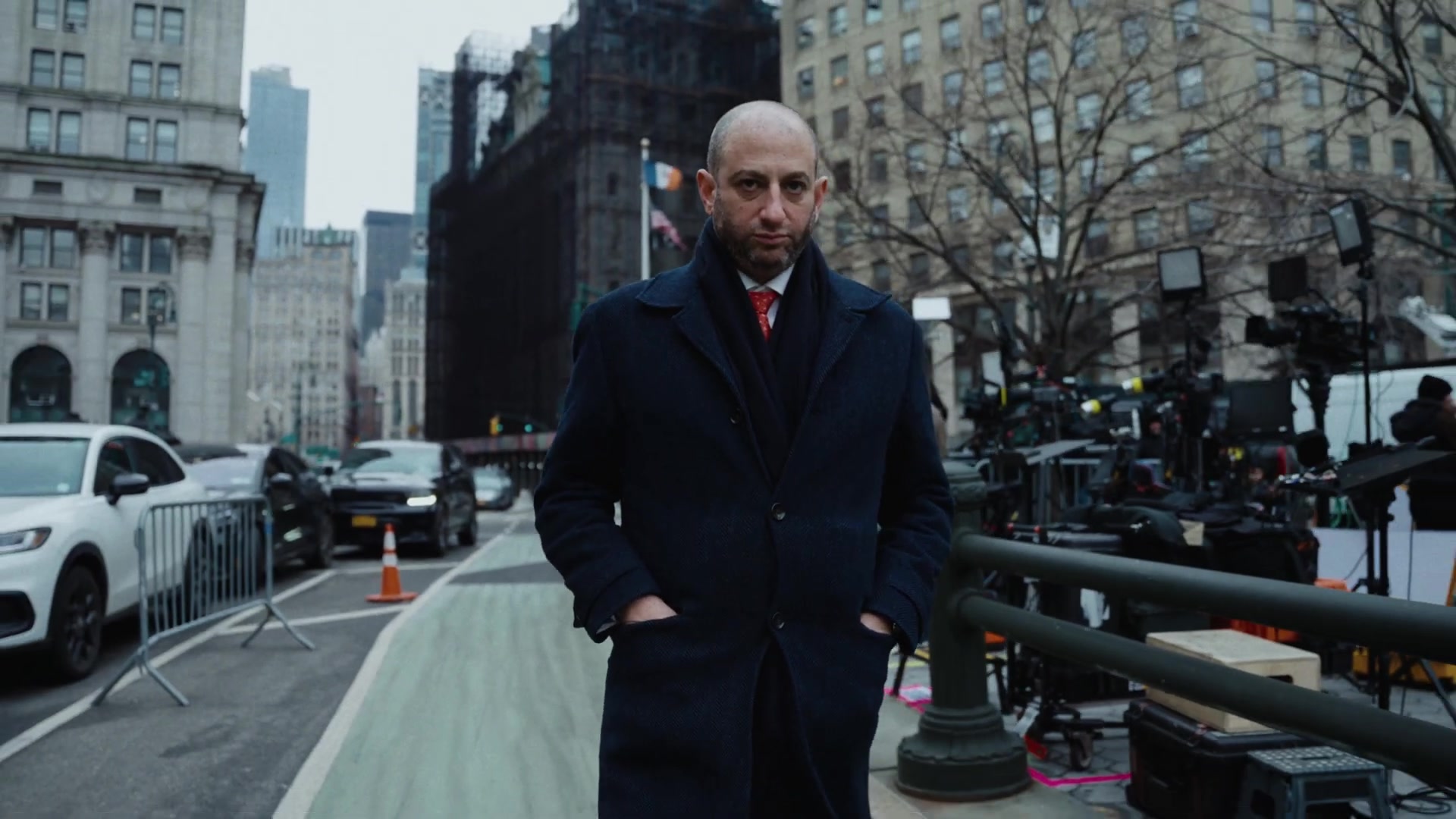
Todd Spodek
Lead Attorney & Founder
Featured on Netflix’s “Inventing Anna,” Todd brings decades of experience defending clients in complex criminal cases.
Multi-State Bar
Federal Courts
US Supreme Court
Meet the Full Team →
Frequently Asked Questions
No. You have the right to remain silent and the right to an attorney. Invoke both rights immediately and contact Spodek Law Group.
Every case is different. We offer free initial consultations to evaluate your case and discuss our fee structure.
An arraignment is your first court appearance where charges are formally read. You enter a plea and bail may be set. Having an attorney present is critical.
Facing Criminal Charges And Have Questions? We Can Help, Tell Us What Happened.