New Jersey Drug Trafficking Defense Lawyers
Welcome to Spodek Law Group. We understand that if you're reading this, your life just changed in ways you never anticipated. Federal agents or state police showed up, someone used the word "distribution," and now you're trying to figure out whether you're looking at probation or twenty years. Our goal is to help you understand the difference - because in New Jersey drug trafficking cases, that difference comes down to decisions made in the next 48 hours that have almost nothing to do with what you actually did. Here is the brutal truth about drug trafficking prosecutions in New Jersey that defense attorneys rarely explain clearly: the same exact offense - same amount of drugs, same circumstances, same defendant - can result in probation through state court or a 20-year mandatory minimum through federal court. Not because federal crimes are more serious. Because the decision about which system prosecutes you depends on factors completely outside your control. That decision - state versus federal - is often made before you even know you're a target. It depends on whether your arrest happened during a DEA task force operation or a routine traffic stop. It depends on whether your cell phone records show a call to someone in Pennsylvania or New York. It depends on whether the prosecutor who reviews your file wants to make their conviction statistics look impressive by keeping it state, or wants to hand it to the feds because mandatory minimums guarantee a plea.The Jurisdiction Lottery
Heres the thing nobody tells you about drug cases in New Jersey: the state versus federal decision is basicly a lottery you never knew you entered. The District of New Jersey - thats the federal court system covering the whole state - has something called "adoptive prosecution." This means federal prosecutors can look at any state drug case and decide to take it over. They dont need permission from the defendant. They dont need the state prosecutor to agree. They just need to determine that the case fits there priorities. And heres were it gets insane. Once your case goes federal, every single diversionary option New Jersey offers dissapears. PTI? Gone. Drug court? Dosent exist federally. Conditional discharge? Not a thing. The entire framework New Jersey created to give people second chances evaporates the moment federal jurisdiction attaches. What determines federal adoption? Not the severity of your crime. Not your criminal history. Not even the amount of drugs involved. Its usualy one of three things: The first is task force involvement. If DEA, FBI, or Homeland Security touched your investigation at any point, your probably going federal. These agencies dont refer cases to state prosecutors. They build federal cases. The second is interstate activity. One phone call to someone in Philadelphia. One drive across the George Washington Bridge. One text message to a number in Staten Island. Thats enough to trigger federal jurisdiction, and federal prosecutors love interstate cases because there easy wins. The third is the death enhancement. If anyone in your distribution chain - not you specifically, anyone connected to the network - sold drugs that killed someone, federal prosecutors want that case. The 20-year mandatory minimum for death enhancement cases makes conviction statistics look spectacular. I've seen clients facing the exact same charges - same amount of fentanyl, same role in the conspiracy - were one got PTI threw state court and the other got 15 years federal. The difference? One was arrested by local police during a traffic stop. The other was arrested during a task force operation. Thats it.1000 Feet: The Geography Trap
New Jerseys school zone enhancement might be the most geographically absurd drug law in the country. Under NJSA 2C:35-7, any drug offense committed within 1000 feet of a school becomes a second-degree crime with a 3-5 year mandatory minimum. No parole eligibility for the mandatory portion. Cannot merge with the underlying drug offense. Strict liability - meaning you dont need to know theres a school nearby. Now heres the problem. In Newark, Jersey City, Paterson, Trenton - basicly every urban area in New Jersey - 1000 feet from a school is everywhere. You cannot be more then 1000 feet from a school in most of these cities. The schools are packed so densly that the enhancement zone covers nearly the entire municipality. What this means in practice: the "enhancement" isnt an enhancement at all. Its the baseline. If your arrested for drug distribution in an urban New Jersey city, your almost certanly within a school zone. The mandatory minimum isnt the exception - its the rule. This creates something prosecutors never intended but constantly exploit: geographic punishment disparity. Commit the exact same offense in suburban Hunterdon County versus downtown Newark, and your facing completly different sentencing exposure. Not because the crime was different. Because urban geography happened to place schools every few blocks. The New Jersey Supreme Court has repeatedly declined to fix this. They've acknowledged the absurdity - calling the school zone law "draconian" in some decisions - but they've left it to the legislature. The legislature hasnt acted. So the trap remains. Ive represented clients who had no idea they were within 1000 feet of a school. Who were inside there own apartments. Who were on a residential street with no visible school buildings. Dosent matter. The enhancement applies.The Kingpin Lie
New Jerseys "Drug Kingpin" statute sounds like it targets major cartel leaders. The name is marketing. The reality is diffrent. Under NJSA 2C:35-3, you qualify as a "Drug Kingpin" and face a 25-year mandatory minimum without parole eligibility if you:- Manufacture, distribute, or conspire to distribute a controlled substance, AND
- Act as an organizer, supervisor, financier, or manager of two or more people
⚖ Legal Pulse: Key Statistics
15,000+
Federal Cases Filed Annually
90%
Plea Before Trial
When PTI Exists and When It Dosent
Pretrial Intervention - PTI - is New Jerseys primary diversionary program for first-time offenders. Complete the program, and your charges get dismissed. No conviction. No record. Second chance. But heres what nobody explains clearly: PTI is mostly unavailable for drug distribution charges. Not always. But mostly. Under NJSA 2C:43-12, theres a presumption against PTI for defendants charged with first or second degree crimes. Most drug distribution charges are third degree or higher. Schedule I and II substances - which includes fentanyl, heroin, cocaine, and methamphetamine - trigger automatic presumptions against diversionary programs. But - and this is crucial - the prosecutor can consent to PTI even when the presumption applies. Its discretionary. Which means your outcome depends enormously on which prosecutor gets assigned to your case. Ive seen identical cases go completly different directions. Same charges. Same criminal history (none). Same circumstances. One prosecutor consents to PTI. Another refuses categorically. The difference in outcome: one client walks away with dismissed charges, the other serves 4 years. This is the uncomfortable truth about New Jersey drug prosecutions: the prosecutor you get matters more then the crime you commited. Some ADAs view PTI as appropriate for borderline distribution cases. Others never consent under any circumstances. There is no consistency. There is no predictability. There is only the luck of case assignment. Todd Spodek at Spodek Law Group has navigated this prosecutorial variance for years. Knowing which arguments work with which prosecutors - and when to escalate to supervisors - can mean the difference between diversion and prison.The Cooperation Calculator
In federal drug cases, one-third of defendants become government witnesses against there own co-defendants. Thats not an estimate. Thats the actual number. Think about what that means. In a conspiracy involving 12 people, statistically four of them will flip and testify against everyone they know. Four people who sat at the same table. Four people who shared the same secrets. Four people who will now describe every detail to federal prosecutors recording every word. The math on cooperation is brutal, and it creates an inversion most defendants dont understand until there sitting in the proffer room: The person who knows the most gets the shortest sentence. The kingpin who organized everything can name 50 people, describe the supply chain, identify stash houses. That information is valuable. That information earns a 5K1.1 motion - the provision letting prosecutors ask judges to sentence below mandatory minimums for substantial assistance. The courier who genuinly didnt know what was in the package? The girlfriend who let her boyfriend use her car? They know nothing. They have nothing to trade. They serve the full sentence while the people who actualy ran things cooperate there way to freedom. I've watched this play out dozens of times. The person with the most information walks in 3-4 years. The person who was genuinley peripheral serves 10-15. The system rewards knowledge, and knowledge comes from involvement. Being innocent-adjacent dosent help you. It hurts you. Cooperation also means testifying. In court. Against people who know were you live. Against people who know your family. The 30-60% sentence reduction comes with real safety considerations that prosecutors dont advertise when making there pitch. And heres the thing most defendants dont understand until there sitting in the proffer room: the government dosent need your testimony to be perfect. They need it to be useful. Theres a massive difference between someone who can describe how money moved threw the organization and someone who can point to three other people and say "they were involved." Both get cooperation credit. One gets alot more. The mathematics are chilling when you actualy work threw them. Say your facing a 10-year mandatory minimum. Substantial assistance cooperation typically earns 30-60% sentence reductions. That means the difference between serving 10 years and serving 4 years. The difference between your daughter starting high school when your released versus graduating college. Prosecutors know these numbers. They use them as leverage.Federal Adoption: How State Cases Become Federal
The transition from state to federal prosecution happens faster then most defendants realize. One day your facing New Jersey charges with diversionary options. The next your in federal court facing mandatory minimums with no parole. Heres how federal adoption actualy works in New Jersey: The DEAs Newark Field Division coordinates constantly with state and local task forces. Joint investigations are common. When these task forces make arrests, the cases are structured from the beginning to be federal-ready. Evidence is preserved to federal standards. Wiretaps are authorized under Title III. The federal pipeline is built into the investigation from day one. But even cases that start purely state can get adopted. All it takes is a referral. State prosecutors overwhelmed with caseloads sometimes refer complex cases to federal partners. Defense attorneys who threaten suppression motions sometimes find there clients suddenly facing federal charges were suppression standards are different. The decision can happen at any point before trial. The factors that trigger adoption usualy include:- Interstate connections - any activity crossing state lines
- Firearms involvement - even constructive possession
- Large quantities - though "large" is subjective
- Death or serious injury
- Organized criminal enterprise allegations
- Uncooperative defendant who wont plead state

The Fentanyl Multiplier
Defense Team Spotlight
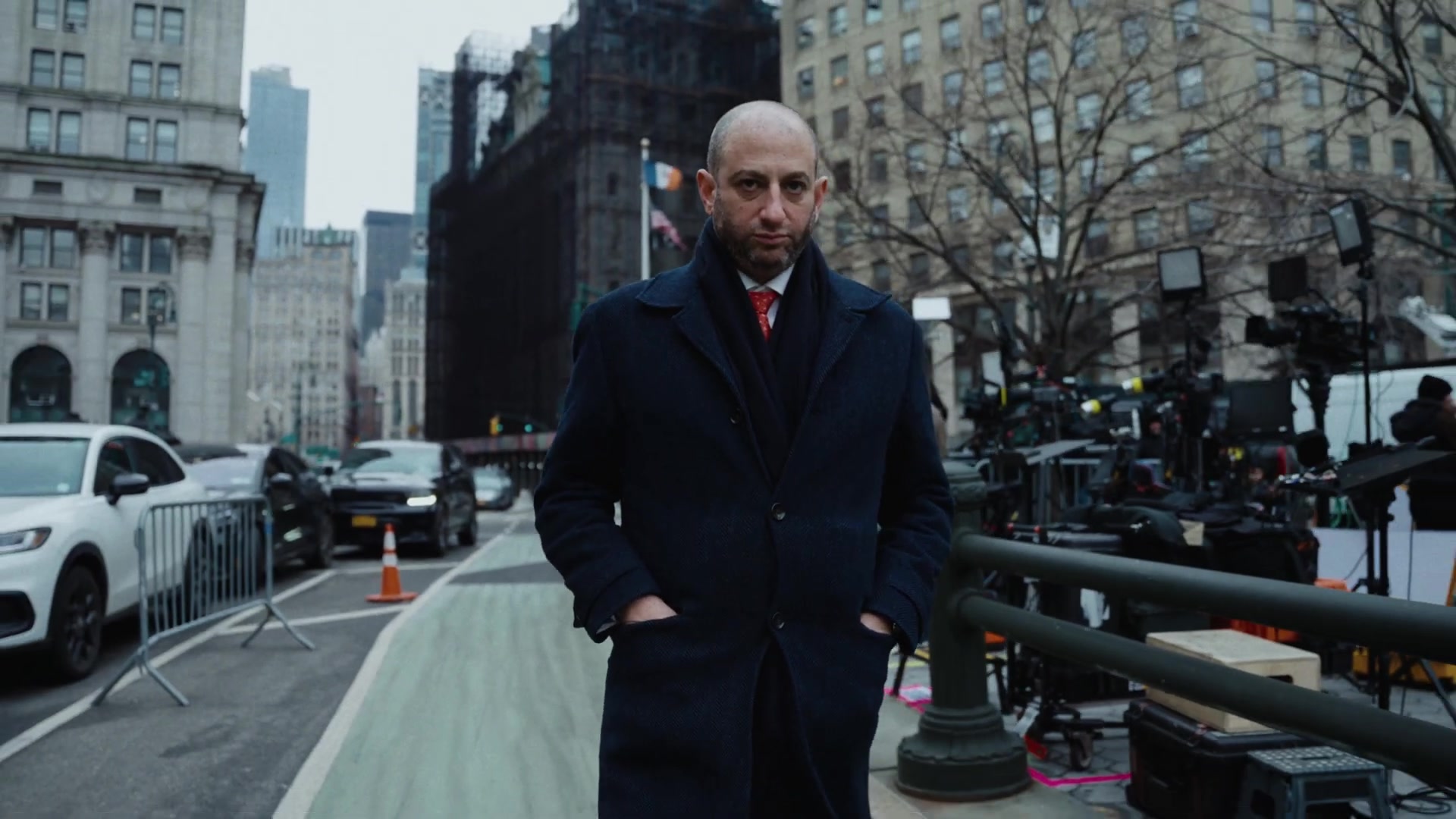
Todd Spodek
Lead Attorney & Founder
Featured on Netflix’s “Inventing Anna,” Todd brings decades of experience defending clients in complex criminal cases.
Multi-State Bar
Federal Courts
US Supreme Court
Meet the Full Team →
The First 48 Hours
The first 48 hours after federal agents or state police make contact is when your options exist. Once your indicted, those options narrow dramaticaly. Once your arraigned, there almost gone. What should be happening in those 48 hours:- Assessing whether the case can stay state - were diversionary options exist and mandatory minimums are often lower
- Evaluating cooperation opportunities before anyone else cooperates first - the first cooperator gets the best deal
- Documenting PTI eligibility if it exists - gathering employment records, treatment history, character references
- Identifying suppression opportunities - wiretap defects, Fourth Amendment violations, confession problems
- Preserving evidence that helps your case - witnesses who might disappear, records that might be destroyed
Frequently Asked Questions
No. You have the right to remain silent and the right to an attorney. Invoke both rights immediately and contact Spodek Law Group.
Every case is different. We offer free initial consultations to evaluate your case and discuss our fee structure.
An arraignment is your first court appearance where charges are formally read. You enter a plea and bail may be set. Having an attorney present is critical.
Facing Criminal Charges And Have Questions? We Can Help, Tell Us What Happened.