
New York Bail Reduction: Understanding Bail and Bond Amounts
In the state of New York, a judge sets the bail amount at an arraignment hearing. The purpose of bail is to ensure that a defendant appears in court until their case is finished. Bail is a security measure with a monetary value which can be either bond or cash and can be paid by a bail bond company. A bond is secured by a type of collateral such as a home or piece of property. The judge issues a ruling on a bail amount at the end of the arraignment hearing and is issued with both felony and misdemeanor offenses. Crimes, where a judge may decide to set bail, include DWI, drug possession, robbery, burglary, assault, or grand larceny. It's worth getting legal advice from an experienced attorney at Spodek Law Group to ensure that all proper legal procedures are done and your rights are protected.A judge's considerations for setting bail
A judge looks at a defendant's criminal history and whether the individual is at risk of committing another crime, not going to court, or presents a danger to the community. A violent crime, such as murder, poses a higher risk to the community than someone who is charged with a non-violent offense such as petty larceny. The judge also examines the likelihood of the defendant fleeing. Factors that can work in the defendant's favor include steady employment, friends and family in the area, and ties to the local community.Factors Judges Consider When Setting Bail
| Factor | How It Affects Bail |
|---|---|
| Criminal History | Prior convictions may result in higher bail amounts |
| Risk of Committing Another Crime | Higher perceived risk leads to higher bail or denial |
| Flight Risk | Likelihood of defendant fleeing jurisdiction affects amount |
| Danger to Community | Violent crimes result in higher bail than non-violent offenses |
| Community Ties | Employment, family, local connections work in defendant's favor |
The role of the District Attorney and Defense counsel
The District Attorney is the one who requests bail at the arraignment hearing. Defense counsel works to convince the judge that the defendant should be released until court, or ask for a reduction of the bail amount to something more feasible.Paying bail
A defendant cannot pay their own bail to get released from custody. An example of a bail amount could be $10,000/$5,000. The defendant will be released if they can pay the $5,000. The majority of states require the defendant to pay the full bail amount to get released. Many defendants can't afford to pay the full amount and need to use the services of a bail bondsman, who guarantees the bail amount. The bondsman has the power to arrest the defendant if they fail to appear in court.Understanding Bail vs. Bond
| Term | Definition | Who Pays |
|---|---|---|
| Bail | Full amount set by judge to ensure defendant appears in court | Defendant or representative (cannot pay own bail directly) |
| Bond | Percentage of bail amount (typically 10%) guaranteed by bondsman | Defendant pays bondsman; bondsman guarantees full bail |
| Cash Bail | Full bail amount paid in cash | Family member or friend on defendant's behalf |
| Collateral | Property (home, car, land) used to secure bond | Defendant or family provides to bondsman |
Consequences of failure to appear
⚖ Legal Pulse: Key Statistics
15,000+
Federal Cases Filed Annually
90%
Plea Before Trial
Requesting a reduction in bail
The defense can request a separate hearing specifically for a reduction in bail. The judge can re-consider the bail amount if there have been changes in the defendant's circumstances. It might be possible to get a reduction or bail eliminated completely.Contact information
Contact our legal team if you need advice because you've been charged with a criminal offense. Give us a call at 1-888-742-6939 to speak with our experienced criminal attorneys at Spodek Law Group if you're facing criminal charges for legal advice. We have multiple offices in New York City to accommodate you.If You're Arrested: Understanding Bail and Bond Amounts
If you're arrested and taken to jail, the magistrate or judge might give you an opportunity to get out of jail until your court date. The person who listens to your charges will determine how much your bail will be, which is the amount you are responsible for if you want to get out of jail. Most bail bondsmen will accept a percentage of the amount of the bail as a bond amount so that you can be released.Can A Bond Amount Be Reduced?
There are times when a bail amount can be reduced, which would often lower the bond amount as well. An attorney from Spodek Law Group can go before the judge to request a reduction if you can prove that you have a job and that you have ties to the community. Your criminal background also plays a part in whether your bond can be reduced.What Are The Details To Know Before Contacting A Bondsman?
Whether you, a family member or a friend contact a bondsman, there are a few details that the company will need to know. The bondsman will need to know where you are located. If someone contacts an agent on your behalf, make sure you give the name of the jail as well as the city and state because there could be jails in other cities with the same name. The agent will need the full name and usually the booking number of the person in jail. A vital piece of information that the agent will need to know is the bail amount. This will determine the bond amount as a percentage of the bail is calculated that will need to be paid before you are released.Information Needed to Contact a Bondsman
- Jail location (name, city, and state)
- Full name of defendant
- Booking number
- Bail amount set by judge
Is An Agent Required To Post Bail?
If you want to ensure that everything is done legally and that you don't have to pay the entire bail amount, then a bondsman is often the best person to use when you're trying to get out of jail. However, if the bail is a small amount, then you could have someone pay cash so that you're released. Some courts will accept a property title, such as one for a house or car, as collateral for the bail amount. If you don't have a criminal history or if the crime was minor, then the judge might not order a bail amount and let you leave the courthouse by signing your name as a promise that you will be back for your court date.Alternatives to Using a Bail Bondsman

| Method | When It's Used |
|---|---|
| Cash Bail | Small bail amounts; family or friend pays full amount |
| Property Title as Collateral | Court accepts house or car title to secure bail |
| Release on Recognizance (ROR) | No criminal history or minor crime; defendant signs promise to appear |
| Bail Bondsman | Most common; pay percentage to bondsman who guarantees full amount |
Will Bond Money Be Refunded?
Bond money usually isn't refunded. If you know that you can't make the court date or if you signed the bond for someone else and feel that the person isn't going to show up for court, it's important to let the agent know as soon as possible so that a different date can be requested or the issue can be remedied.What Can Be Used To Pay The Bondsman?
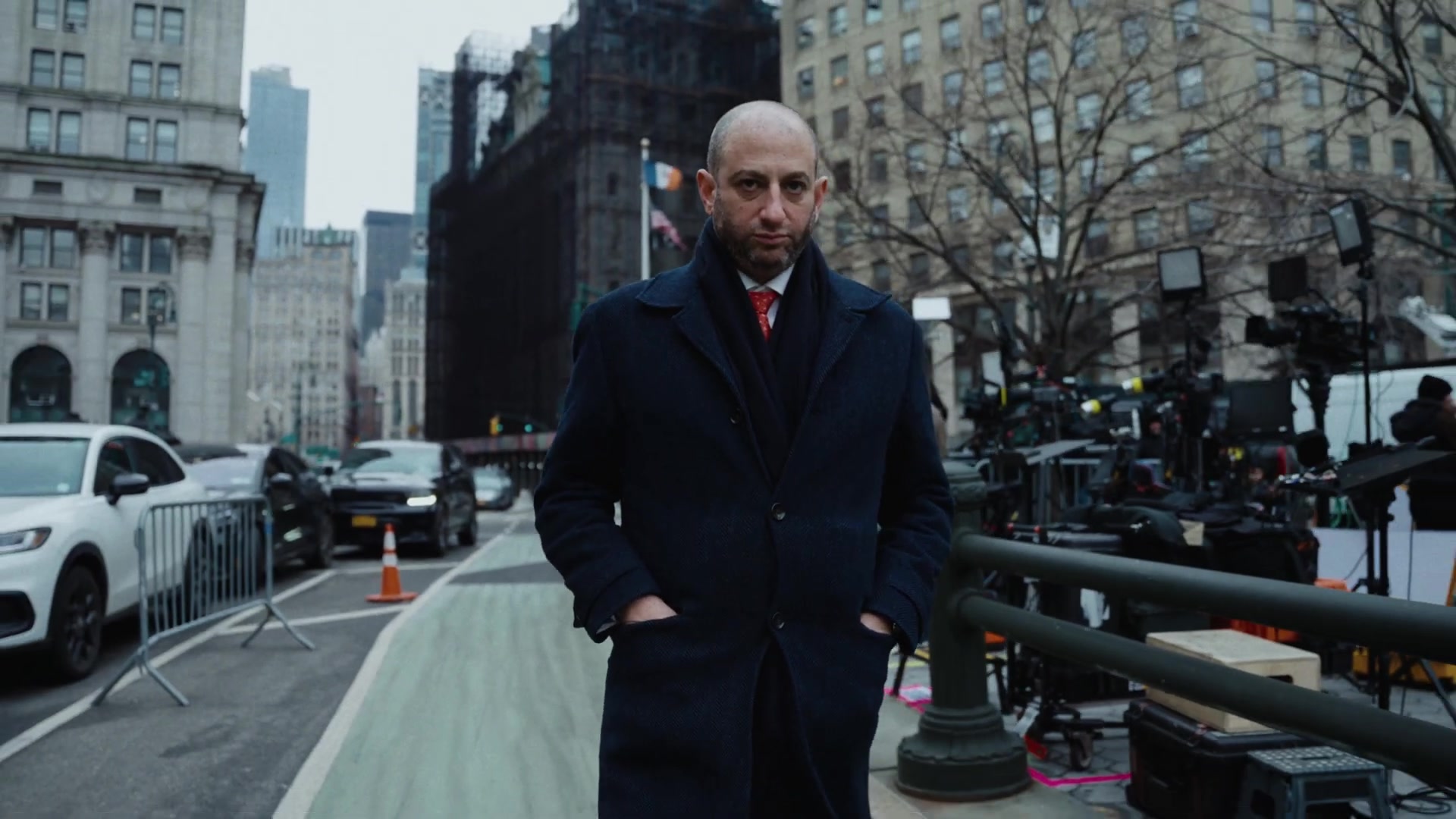
Defense Team Spotlight
Todd Spodek
Lead Attorney & Founder
Featured on Netflix’s “Inventing Anna,” Todd brings decades of experience defending clients in complex criminal cases.
Multi-State Bar
Federal Courts
US Supreme Court
Meet the Full Team →
Payment Methods Accepted by Bail Bondsmen
| Payment Method | Acceptance |
|---|---|
| Cash | Preferred method by most bond agents |
| Debit Card | Accepted by many agents |
| Credit Card | Accepted by many agents |
| Vehicle Title | Considered if cash/cards unavailable |
| Home or Land Title | Considered if cash/cards unavailable |
New York Bail Reduction Frequently Asked Questions
In the state of New York, a judge sets the bail amount at an arraignment hearing. The purpose of bail is to ensure that a defendant appears in court until their case is finished. Bail is a security measure with a monetary value which can be either bond or cash and can be paid by a bail bond company. A bond is secured by a type of collateral such as a home or piece of property. The judge issues a ruling on a bail amount at the end of the arraignment hearing and is issued with both felony and misdemeanor offenses. Crimes, where a judge may decide to set bail, include DWI, drug possession, robbery, burglary, assault, or grand larceny. It's worth getting legal advice from an experienced attorney at Spodek Law Group to ensure that all proper legal procedures are done and your rights are protected. A judge looks at a defendant's criminal history and whether the individual is at risk of committing another crime, not going to court, or presents a danger to the community. A violent crime, such as murder, poses a higher risk to the community than someone who is charged with a non-violent offense such as petty larceny. The judge also examines the likelihood of the defendant fleeing. Factors that can work in the defendant's favor include steady employment, friends and family in the area, and ties to the local community. The District Attorney is the one who requests bail at the arraignment hearing. Defense counsel works to convince the judge that the defendant should be released until court, or ask for a reduction of the bail amount to something more feasible. A defendant cannot pay their own bail to get released from custody. An example of a bail amount could be $10,000/$5,000. The defendant will be released if they can pay the $5,000. The majority of states require the defendant to pay the full bail amount to get released. Many defendants can't afford to pay the full amount and need to use the services of a bail bondsman, who guarantees the bail amount. The bondsman has the power to arrest the defendant if they fail to appear in court. Bail money is forfeited if the defendant fails to show up to court. The money can be returned, with a 3 percent reduction as a surcharge. A judge will set a high bail amount if the crime is serious and they think the defendant won't be able to post the amount. The defense can request a separate hearing specifically for a reduction in bail. The judge can re-consider the bail amount if there have been changes in the defendant's circumstances. It might be possible to get a reduction or bail eliminated completely. Contact our legal team if you need advice because you've been charged with a criminal offense. Give us a call at 1-888-742-6939 to speak with our experienced criminal attorneys at Spodek Law Group if you're facing criminal charges for legal advice. We have multiple offices in New York City to accommodate you.Common Crimes That May Require Bail
| Crime Type | Classification | Typical Bail Consideration |
|---|---|---|
| DWI | Misdemeanor or Felony | Moderate bail; depends on prior offenses |
| Drug Possession | Misdemeanor or Felony | Varies by drug type and amount |
| Robbery | Felony | Higher bail due to violent nature |
| Burglary | Felony | Moderate to high bail |
| Assault | Misdemeanor or Felony | Varies by severity and victim injury |
| Grand Larceny | Felony | Moderate to high bail based on amount stolen |
| Petty Larceny | Misdemeanor | Lower bail amount |
Key Points to Remember About Bail in New York
- Bail amounts are set at the arraignment hearing by a judge
- Defendants cannot pay their own bail directly
- Multiple factors affect bail amounts including criminal history, community ties, and flight risk
- Bail bondsmen typically charge a percentage of the total bail amount
- Failing to appear in court results in forfeiture of bail money
- Bail reductions are possible through separate hearings
- Various payment methods are accepted including cash, cards, and property titles
- Bond money is typically not refunded
Frequently Asked Questions
No. You have the right to remain silent and the right to an attorney. Invoke both rights immediately and contact Spodek Law Group.
Every case is different. We offer free initial consultations to evaluate your case and discuss our fee structure.
An arraignment is your first court appearance where charges are formally read. You enter a plea and bail may be set. Having an attorney present is critical.
Facing Criminal Charges And Have Questions? We Can Help, Tell Us What Happened.