
Driving Under the Influence in New York
Driving while intoxicated or driving under the influence is a serious crime in New York. You are considered intoxicated if your blood alcohol content is .08 or higher. The penalties for driving under the influence ranges from loss of driving privileges to fines or jail term. Drivers who operate a motor vehicle while intoxicated are prosecuted to the full extent of the law. Therefore, if you have been accused of driving while intoxicated, you need an attorney to help you explore your options.Navigating Hardship Hearings
Fortunately, in New York, your attorney can request a hardship hearing for those accused of driving under the influence. In some cases, the court understands that people who work hard, are honest, and have no criminal record might have just had a temporary lapse in judgment. If the court grants the hardship, you could be able to drive to work, so you can keep your job and income.Extreme Hardship Consequences and Solutions
If you had an excessive blood alcohol level, a judge might not grant a hardship under any circumstances. However, in some instances, your lawyer can argue that you have an extreme hardship and need to drive. Therefore, you need to keep your license. An extreme hardship is defined as an inability to obtain alternative means of travel to or from work, to college, or to seek medical treatment. Your lawyer will work hard to prove that you have an extreme hardship and should be allowed to drive under limited circumstances.Losing Driving Privileges due to a DUI
⚖ Legal Pulse: Key Statistics
15,000+
Federal Cases Filed Annually
90%
Plea Before Trial
What to Expect at Court
You must have more proof than just your word. Other family members or close friends may give testimony, or you can give the judge a work schedule and the schedule of public transportation places and times. Before you go to court, your attorney will make sure you are prepared to prove your case. If your attorney proves your case and hardship is granted, your driving will be limited. You need to make sure you do not violate the terms of your agreement. If you drive more than what the court sets, you could be arrested and charged with additional crimes. A hardship hearing is not the same as a refusal hearing. A hardship hearing is presented in a criminal or local court; a refusal hearing is overseen by an administrative judge at the Department of Motor Vehicles.Qualifying for a Hardship License
It is extremely difficult to manage your life without a vehicle. A hardship license can help give you transportation so you can go about your everyday activities. To be approved of a hardship license, you must attend a drunk driving program that is approved by the Department of Motor Vehicles. You cannot qualify for a hardship if you do not have a valid driver's license or if you had a previous drunk driving violation on your record within the last five years. If you have previously had your license suspended, you have outstanding traffic tickets, or you owe a fine, you could be prevented from receiving a hardship license. Other offenses, such as assault or reckless driving can also keep you from being granted a hardship.Importance of a Hardship License

Free Consultation
Need Help With Your Case?
Our experienced attorneys are standing by to help. Get a free, confidential case evaluation.
- ✓ 100% Confidential
- ✓ Response Within 1 Hour
- ✓ No Obligation Consultation
Or call us directly: 212-300-5196
Seeking Help
Defense Team Spotlight
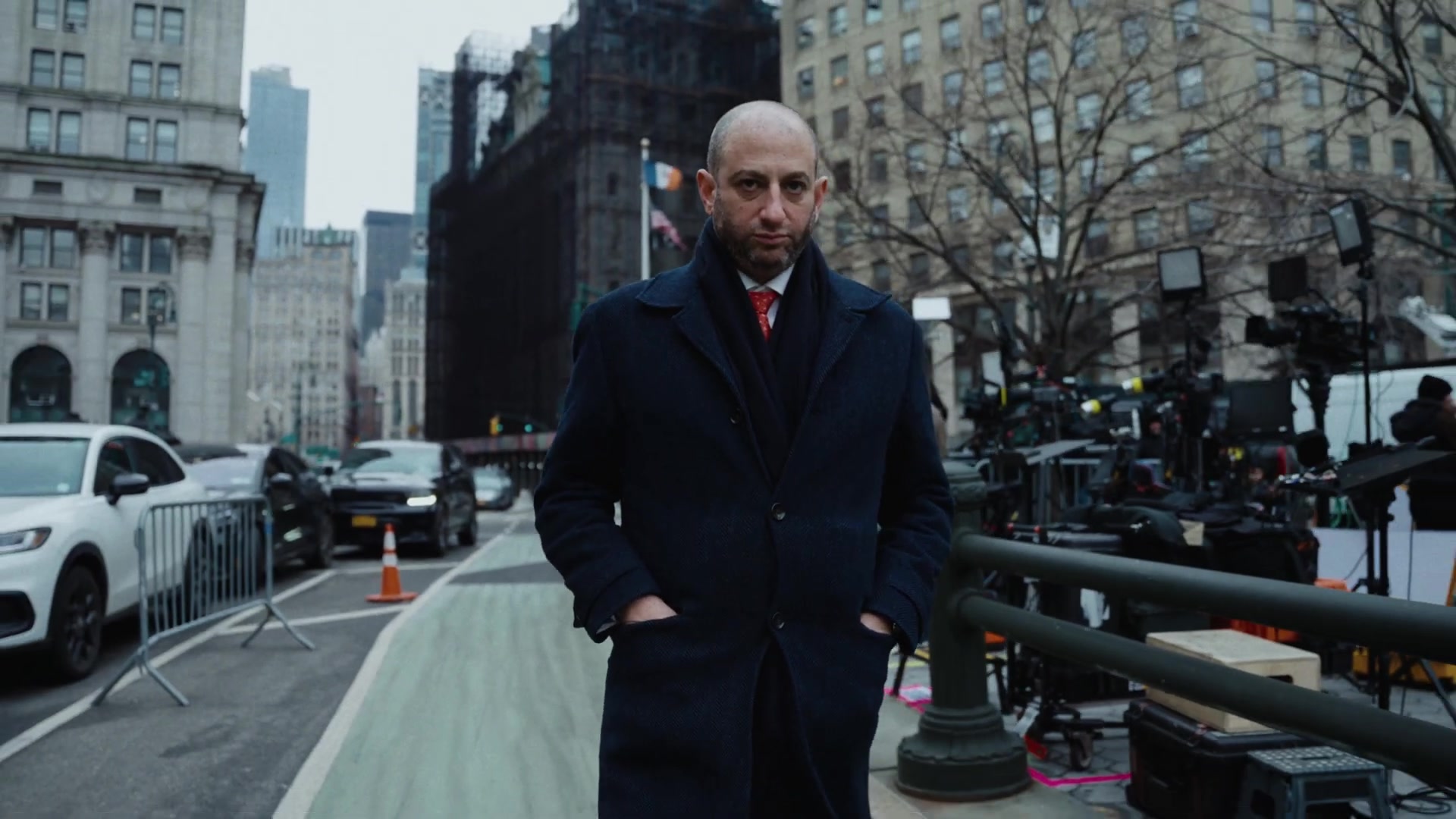
Todd Spodek
Lead Attorney & Founder
Featured on Netflix’s “Inventing Anna,” Todd brings decades of experience defending clients in complex criminal cases.
Multi-State Bar
Federal Courts
US Supreme Court
Meet the Full Team →
Frequently Asked Questions
No. You have the right to remain silent and the right to an attorney. Invoke both rights immediately and contact Spodek Law Group.
Every case is different. We offer free initial consultations to evaluate your case and discuss our fee structure.
An arraignment is your first court appearance where charges are formally read. You enter a plea and bail may be set. Having an attorney present is critical.
Facing Criminal Charges And Have Questions? We Can Help, Tell Us What Happened.