
Felonies and Misdemeanors in New York
How Felonies and Misdemeanors Are Differentiated
The state of New York categorizes all crimes into two categories: felonies and misdemeanors. Misdemeanors are considered to be less severe criminal acts than the actions taken when committing a felony. This means that misdemeanor penalties have less severity than felony penalties.Sentencing Guidelines for Misdemeanors and Felonies
In New York, the most serious misdemeanor charge is a Class A misdemeanor, which has a maximum sentence of up to one year in jail. Felonies, on the other hand, all have potential maximum sentences of several years in prison. The least serious felony, a Class E felony, comes with a maximum penalty of four years imprisoned. That said, prison time isn't always required in cases of Class E felonies. Sometimes a judge will order fines, probation, community service, or some combination of all of these, instead of imprisonment.Statutory Sentencing Guidelines and Judicial Discretion
⚖ Legal Pulse: Key Statistics
15,000+
Federal Cases Filed Annually
90%
Plea Before Trial
Impact of Felony Convictions
Felony convictions have detrimental effects on a person's future. Felons have restricted rights in certain areas of their lives, even without taking into account the penalties for the charge itself. It's also difficult for felons to find professional work, since most employers run a criminal background check during the hiring process. A felony conviction is public record unless you have an approved application to have it hidden, so any criminal background check will show it.Getting Legal Help
Because of the severity of both felony crimes and their associated penalties, your best option is to contact a New York attorney as soon as possible. Your attorney will help you navigate the criminal justice system, understand your options, and choose the best path moving forward. Spodek Law Group has experienced criminal attorneys who have been practicing law since 1976.What is a Grand Jury?
People who have been accused of felonies must bring their case to a grand jury. Unlike misdemeanor charges, during which a judge will make the decision regarding indictment, felony charges require a grand jury's indictment. You will have the option of waiving the grand jury. The prosecution is required to present sufficient evidence to the jury to prove that there's enough reasonable suspicion for you to go to trial. Standards for indictment are low. Indictments and convictions are not the same thing. For a prosecutor to have you indicted, they don't need to prove that you committed the crime. They just need to prove that there is sufficient evidence showing that you might have committed the crime.
Cases with No Indictment
Defense Team Spotlight
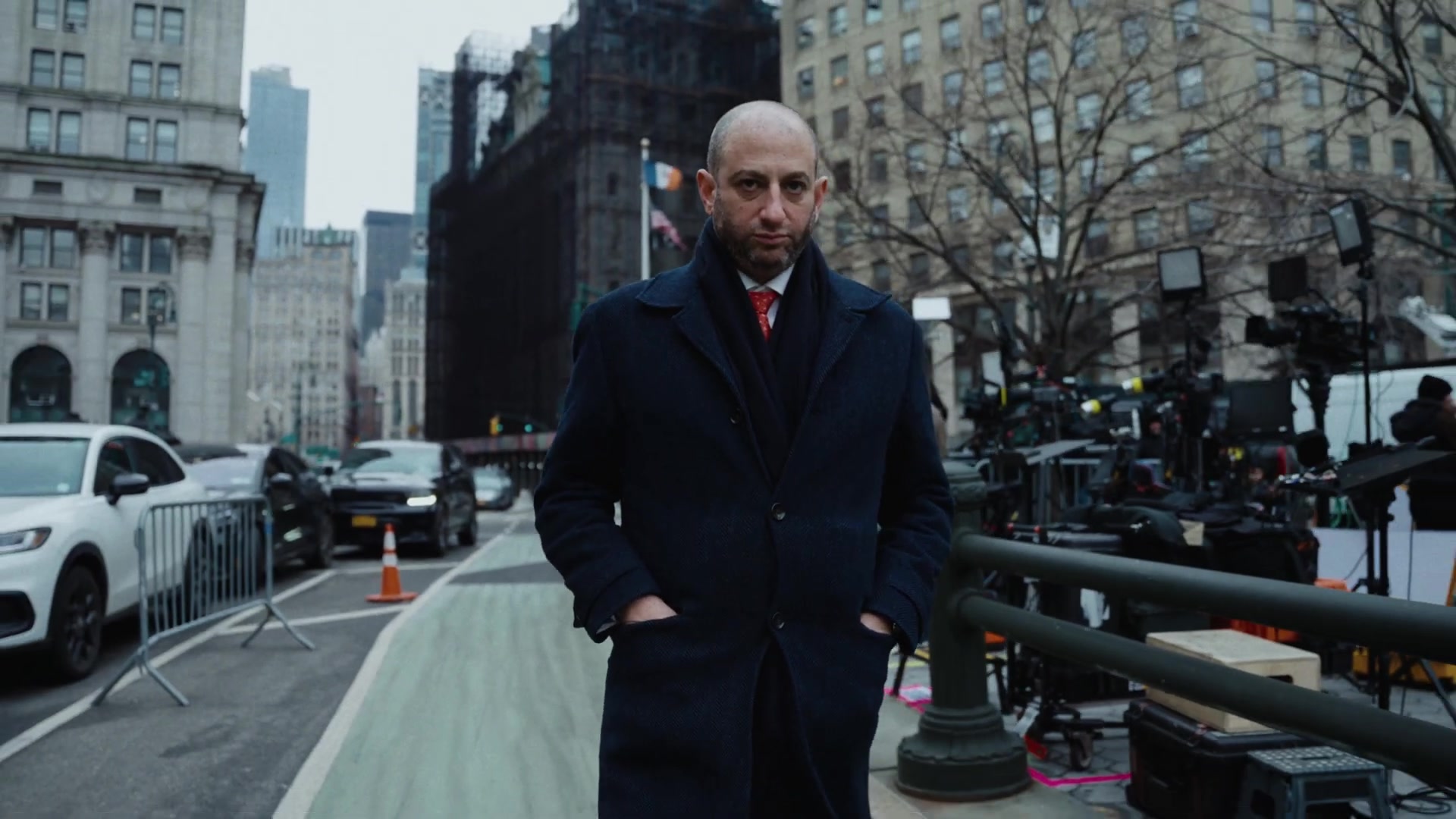
Todd Spodek
Lead Attorney & Founder
Featured on Netflix’s “Inventing Anna,” Todd brings decades of experience defending clients in complex criminal cases.
Multi-State Bar
Federal Courts
US Supreme Court
Meet the Full Team →
What Happens After an Indictment?
After indictment, the next step is an arraignment at the state Supreme Court. You'll go through a series of hearings and motions. You might be given the option to resolve the case before the trial. Usually this involves coming to an agreement with the prosecution in which you plead guilty to a lesser charge. If no plea agreement is settled upon, the case will eventually proceed to trial.Frequently Asked Questions
No. You have the right to remain silent and the right to an attorney. Invoke both rights immediately and contact Spodek Law Group.
Every case is different. We offer free initial consultations to evaluate your case and discuss our fee structure.
An arraignment is your first court appearance where charges are formally read. You enter a plea and bail may be set. Having an attorney present is critical.
Facing Criminal Charges And Have Questions? We Can Help, Tell Us What Happened.