





Why You Need Legal Representation
Getting pulled over for suspected drunk driving can be scary. You may feel confused about your rights and the laws around refusing or consenting to chemical testing. That’s where an experienced New York implied consent lawyer can help. They understand the complexities of these laws and can advise you on the best legal strategy.
In New York, there’s something called an “implied consent” law. This basically means that by driving on public roads, you automatically consent to be tested for intoxication if an officer has probable cause to suspect you’re driving under the influence (DUI). Refusing this chemical test can lead to severe penalties, potentially worse than a DUI conviction itself.
What is Implied Consent?
New York’s implied consent law is found in the state’s Vehicle and Traffic Law section 1194. It states that any person operating a motor vehicle in New York is “deemed to have given consent” to a chemical test to determine their blood alcohol content (BAC) or presence of drugs.
This applies to breath, blood, urine or saliva testing. An officer only needs reasonable grounds to believe you’re DUI. At that point, they can declare you’re required to take a chemical test and will read you an “implied consent warning.”
This warning informs you that refusal to submit to the requested test can lead to suspension or revocation of your license and prohibition from operating a motor vehicle. Basically, it’s telling you that you already agreed to testing when you got behind the wheel in New York.
Refusing the Chemical Test
Immediate Consequences
You do have the right to refuse the test, but there are consequences. First, your license will be immediately suspended for at least one year. For a first offense, it’s revoked for at least 18 months if you had a prior DUI conviction in the past 5 years.
Need Help With Your Case?
Don't face criminal charges alone. Our experienced defense attorneys are ready to fight for your rights and freedom.
- 100% Confidential
- Response Within 1 Hour
- No Obligation Consultation
Or call us directly:
(212) 300-5196There is an exception called a “hardship privilege” that allows you to drive to work and other necessary activities during your revocation period. But you must request this privilege from the Department of Motor Vehicles (DMV)and it isn’t guaranteed.
Evidence at Trial
The second consequence is that your refusal can be used as evidence against you in court. While you can’t be criminally charged for refusing the test, the prosecutor can tell the jury you refused. From this, they’ll infer you likely had something to hide regarding your sobriety.
Should You Refuse the Chemical Test?
Whether to refuse the chemical test is a complicated decision. An experienced DUI lawyer can help you weigh the pros and cons for your specific case. In general though, refusing often leads to worse penalties than taking the test, unless your BAC results would have been extremely high.
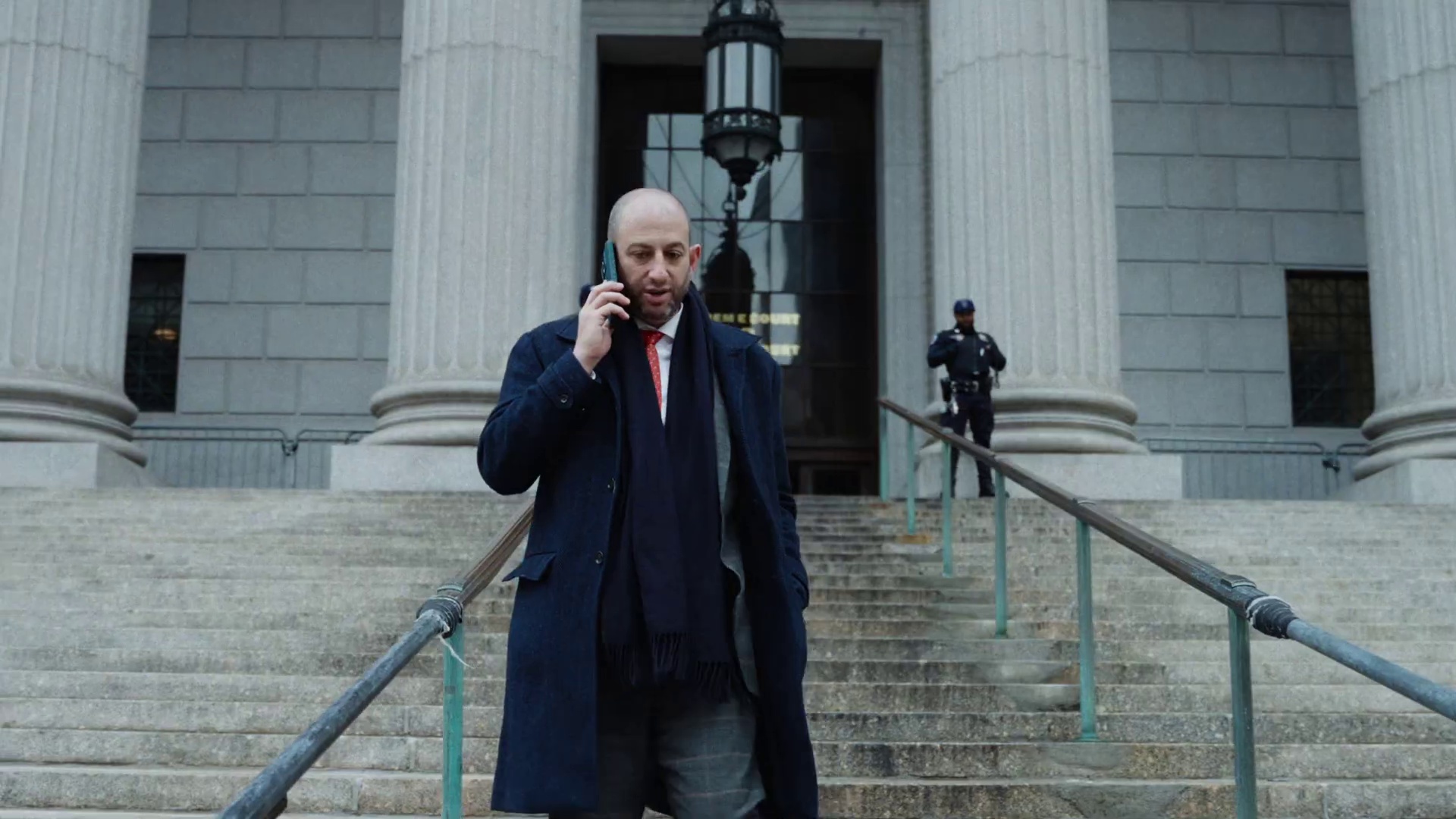
Todd Spodek
Lead Attorney & Founder
Featured on Netflix's "Inventing Anna," Todd Spodek brings decades of high-stakes criminal defense experience. His aggressive approach has secured dismissals and acquittals in cases others deemed unwinnable.

You were pulled over at a DWI checkpoint on the Long Island Expressway and the officer asked you to take a breathalyzer test. You refused the test because you were nervous, and now you've received a notice that your driver's license will be revoked.
Can they really take away my license just for refusing to blow into the machine, even if I wasn't actually drunk?
Yes — under New York's implied consent law (Vehicle and Traffic Law § 1194), by driving on New York roads you have already agreed to submit to a chemical test when lawfully requested by an officer with reasonable grounds to believe you are intoxicated. Refusing the test triggers an automatic license revocation for at least one year and a $500 civil penalty at a separate DML refusal hearing, completely independent of any criminal DWI charges. However, there are ways to challenge the revocation — we can argue that the officer lacked reasonable grounds for the stop, that you weren't properly warned about the consequences of refusal, or that the request itself was not lawfully made. An experienced implied consent attorney can review the specific facts of your stop and build the strongest possible defense at both the refusal hearing and any related criminal proceeding.
This is general information only. Contact us for advice specific to your situation.
| Scenario | License Suspension | Additional Consequences |
| First DUI offense – Refusing test | Maximum 1 year | Prosecutor can portray you as hiding something at trial; judge may view you more harshly |
| First DUI offense – Failing test | Only 6 months | BAC evidence can be used against you |
| BAC above 0.18% | Varies | Mandatory minimum jail sentence greater than for refusal conviction |
For a first DUI offense, the maximum license suspension is one year for refusing versus only 6 months for failing the test. And again, a refusal allows the prosecutor to portray you as hiding something at trial. The judge may view you more harshly if you refused.
However, if your BAC would have been above 0.18%, the mandatory minimum jail sentence is greater than for a refusal conviction. So in cases of extremely high intoxication, refusing the test may be wise.