New York Penal Code 120.18: Menacing a Police Officer or Peace Officer
Menacing a police officer or peace officer is a serious criminal offense in New York. Let's break down what this law means, the penalties you may face, and potential defenses to fight the charges.What Does NY Penal Code 120.18 Prohibit?
Under New York Penal Code 120.18, it is illegal to intentionally place or attempt to place a police officer or peace officer in reasonable fear of physical injury, serious physical injury, or death by displaying a deadly weapon or firearm, whether operable or not[2]. The defendant must know or reasonably should know that the victim is a police officer or peace officer performing official duties when the menacing act occurs. Some key points about this law:- It applies to both police officers and peace officers, such as parole officers or court officers
- The weapon displayed does not need to be real or operable - just giving the appearance of having a deadly weapon is enough
- Physical injury means impairment of physical condition or substantial pain
- Serious physical injury involves risks like death, organ damage, or extended impairment/pain
Penalties for Violating NY Penal Code 120.18
Menacing a police officer or peace officer is a Class D felony in New York[2]. This is considered a violent felony offense. The maximum possible sentence is up to 7 years in state prison. However, the minimum sentence mandated by law is 2 years in prison. The actual sentence may be 2-5 years or longer depending on the circumstances:- Prior criminal record - Additional felony convictions will increase the minimum sentence
- Use of a real, operable firearm - Harsher sentences apply when a real gun is used
- Injury caused - Causing physical injury will aggravate the offense and penalty
⚖ Legal Pulse: Key Statistics
15,000+
Federal Cases Filed Annually
90%
Plea Before Trial
Defenses to Menacing a Police Officer Charges
There are several legal defenses that a skilled New York criminal defense attorney may use to fight Penal Code 120.18 charges, such as:- No actual threat - If your actions would not put an officer in reasonable fear of harm, then menacing has not occurred.
- Mistaken identity - You may not have known the victim was a police/peace officer if they were plainclothes or did not identify themselves.
- False allegations - The charges could be exaggerated or completely fabricated by the officer.
- Mental illness - You may have been having a psychiatric episode and were unable to control your behavior.
Recent Cases and Legal Precedents

Free Consultation
Need Help With Your Case?
Our experienced attorneys are standing by to help. Get a free, confidential case evaluation.
- ✓ 100% Confidential
- ✓ Response Within 1 Hour
- ✓ No Obligation Consultation
Or call us directly: 212-300-5196
- People v. Stephens (2018) - Pointing an unloaded BB gun at officers was sufficient to sustain a menacing conviction[1].
- People v. Livio (2011) - Yelling threats from an apartment window at officers below constituted menacing[2].
- People v. Sylla (2005) - Merely approaching an officer aggressively without a weapon was not enough for a conviction[3].
Conclusion
Defense Team Spotlight
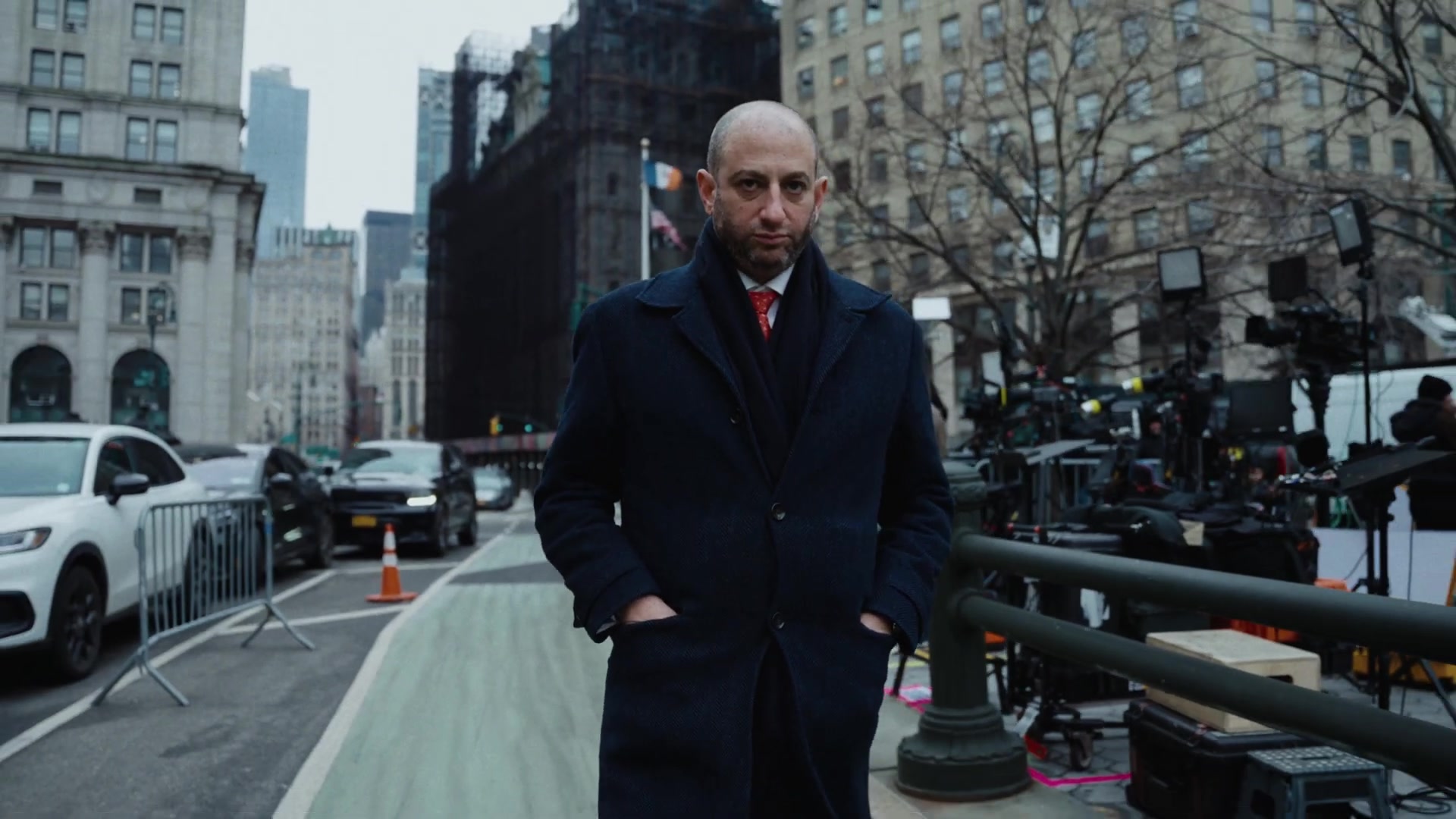
Todd Spodek
Lead Attorney & Founder
Featured on Netflix’s “Inventing Anna,” Todd brings decades of experience defending clients in complex criminal cases.
Multi-State Bar
Federal Courts
US Supreme Court
Meet the Full Team →
Sources
Frequently Asked Questions
No. You have the right to remain silent and the right to an attorney. Invoke both rights immediately and contact Spodek Law Group.
Every case is different. We offer free initial consultations to evaluate your case and discuss our fee structure.
An arraignment is your first court appearance where charges are formally read. You enter a plea and bail may be set. Having an attorney present is critical.
Facing Criminal Charges And Have Questions? We Can Help, Tell Us What Happened.