
Drugs and Children: Understanding New York Penal Code 220.28
Like many other places in the country, drugs are a serious problem in New York. With all the manpower and resources spent on trying to control the drug problem, the court system is equally tied up with drug cases. Prosecutors and Assistant District Attorneys devote much of their time pursuing charges against people which distribute drugs. When children are involved, the crime can get even more serious with additional charges. New York has laws in place to protect children from controlled substances and their distribution. It is important to understand what New York penal code 220.28 states in regards to children involved with drug traffic.Penal Code 220.28 Specifics
A person can be charged with a violation of this code when they knowingly use a child during the sale or attempted sale of a controlled substance. There are 3 aspects to this charge:- The adult is over the age of 18
- The child involved is under the age of 16
- There is a sell or attempt to sell controlled substances
Understanding the Term "Sale"
⚖ Legal Pulse: Key Statistics
15,000+
Federal Cases Filed Annually
90%
Plea Before Trial
Additional Charges
While the charge itself is not as serious as some of the other drug related charges, it rarely stands alone. Chances are that there will be additional charges such as endangering the welfare of a minor and drug distribution charges. All of these charges added together could add up to serious jail time and fines.Examples of a Penal Code 220.28 Crime
The child doesn't have to physically hand over the controlled substances in order to this crime to be charged. For example, the drugs were placed in the child's backpack and the child unknowingly delivers them to the school or an after-school destination where the intended recipient can retrieve them. Another example would be if the adult hid controlled substances in a toy the child was carrying onto an airplane. This would constitute a crime under Penal Code 220.28 in addition to other potential charges.Defenses Available
A good defense attorney will look at all the details of the case. To ensure that each element is present. For example, if the child is over the age of 16 or the person charged is under the age of 18, this charge would have to be dropped. If the defense could prove that the adult involved did not know that there were illegal drugs involved, that could also lead to a dismissal. Similarly, the defense attorney will look at each element of evidence against the adult to ensure that it is accurate and not misleading.
Summary
Defense Team Spotlight
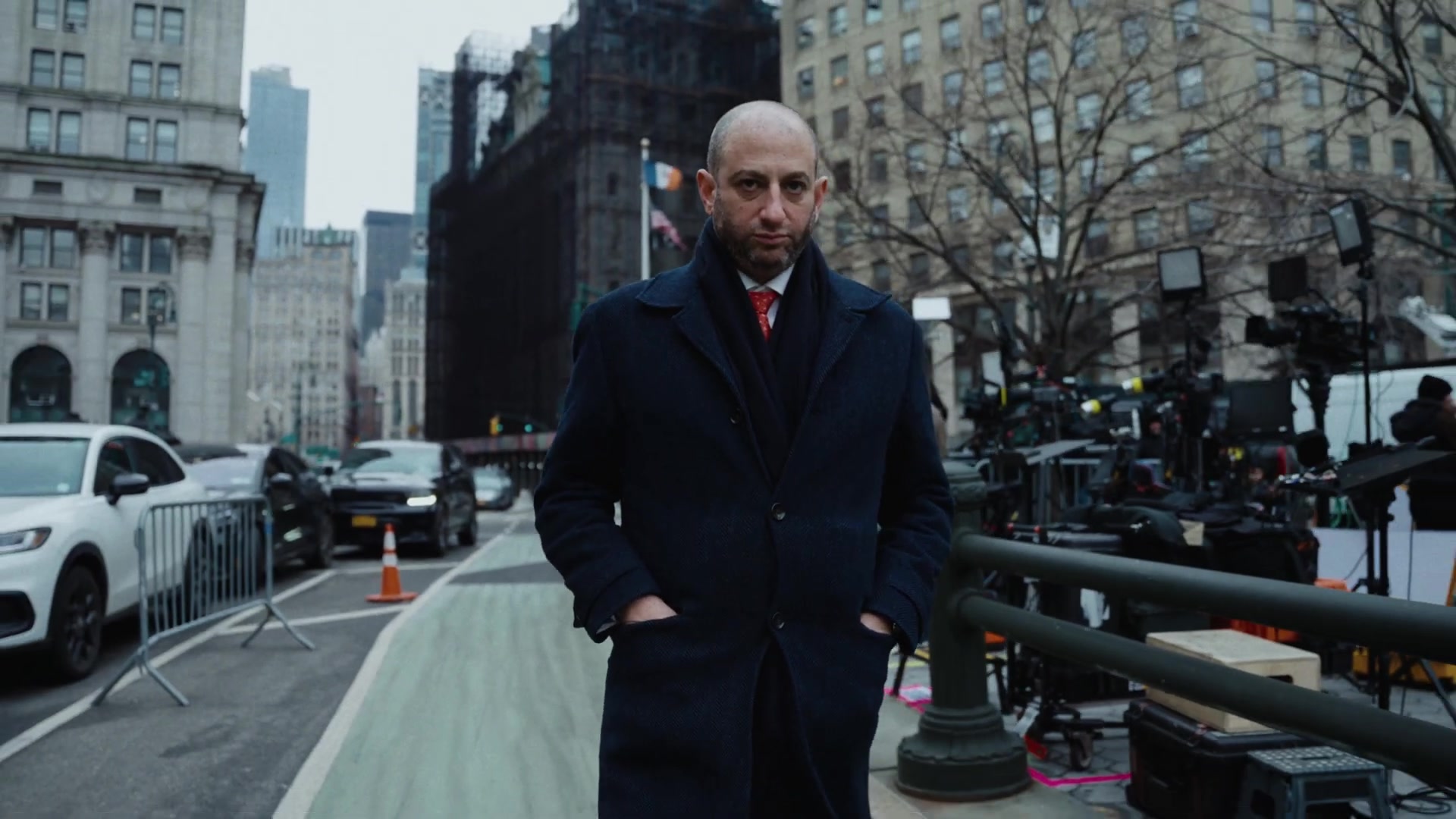
Todd Spodek
Lead Attorney & Founder
Featured on Netflix’s “Inventing Anna,” Todd brings decades of experience defending clients in complex criminal cases.
Multi-State Bar
Federal Courts
US Supreme Court
Meet the Full Team →
Frequently Asked Questions
No. You have the right to remain silent and the right to an attorney. Invoke both rights immediately and contact Spodek Law Group.
Every case is different. We offer free initial consultations to evaluate your case and discuss our fee structure.
An arraignment is your first court appearance where charges are formally read. You enter a plea and bail may be set. Having an attorney present is critical.
Facing Criminal Charges And Have Questions? We Can Help, Tell Us What Happened.