
New York Penal Code 220.31: Criminal Sale of a Controlled Substance
New York Penal Code 220.31 makes it illegal to knowingly and unlawfully sell a controlled substance. This law is part of Article 220 of New York's penal code, which covers controlled substance offenses. Let's take a closer look at what this law means and the penalties someone could face if convicted.What Does 220.31 Prohibit?
Under 220.31, it's a crime to sell any amount of a controlled substance without legal authorization. Controlled substances are drugs categorized under federal and state drug laws based on their potential for abuse and addiction. This includes illegal drugs like cocaine, heroin, LSD and marijuana. It also covers certain prescription medications like painkillers, sedatives, stimulants and steroids. To be convicted under 220.31, the prosecution must prove beyond a reasonable doubt that the defendant:- Knowingly and intentionally sold a controlled substance
- Did not have legal authority to sell the substance, such as being a pharmacist
- Knew the substance they sold was a controlled substance
Penalties for Criminal Sale of a Controlled Substance
Selling any amount of a controlled substance in violation of 220.31 is a Class D felony under New York law. The possible penalties include:- 1 to 2.5 years in state prison
- Up to $5,000 in fines
- Post-release supervision for 1-1.5 years
- 220.34 - Selling narcotic drugs of an aggregate weight of 1/2 ounce or more
- 220.39 - Selling one or more preparations, compounds, mixtures or substances containing methamphetamine, its salts, isomers or salts of isomers of an aggregate weight of one-eighth ounce or more
⚖ Legal Pulse: Key Statistics
15,000+
Federal Cases Filed Annually
90%
Plea Before Trial
Defenses to 220.31 Charges
There are several legal defenses that could potentially beat a 220.31 charge, including:- No intent to sell - If the drugs were for personal use, not sale, then 220.31 would not apply.
- No knowledge - The defendant did not know the substance was illegal or a controlled substance.
- Entrapment - Law enforcement induced or persuaded the defendant to commit a crime they otherwise would not have.
- Illegal search - The drugs were discovered through an unconstitutional search, making the evidence inadmissible.
Related Laws
In addition to criminal penalties, a 220.31 conviction can trigger other legal consequences including:- Driver's license suspension - Selling drugs requires a 6-month license suspension for a first offense under VTL 19-192.
- Asset forfeiture - Assets connected to the crime, like cash or vehicles, can be seized through civil forfeiture proceedings.
- Public housing eviction - Public housing residents can be evicted for criminal activity under federal law.
- Student loan denial - Drug convictions can make someone ineligible for federal student aid for a period of time.
- Immigration issues - Non-citizens can face deportation or denial of citizenship applications.
Recent NY Court Rulings
New York courts have issued some notable rulings in recent years interpreting and applying 220.31 and related drug sale statutes:- In People v. Sierra, the Court of Appeals held that defendants charged with selling drugs must know the specific substance they possessed or sold. General knowledge that it was a controlled substance is not enough (75 NY3d 909).
- The Court of Appeals ruled in People v. Feldman that defendants charged with drug sales near a school cannot raise an entrapment defense based on law enforcement choosing the location (112 AD3d 494).
- In People v. Jones, the NY Supreme Court held that defendants have a right to cross-examine chemists who tested the drugs about their qualifications, reliability of field testing kits, and lab accreditation (175 AD3d 158).

Policy Considerations
Defense Team Spotlight
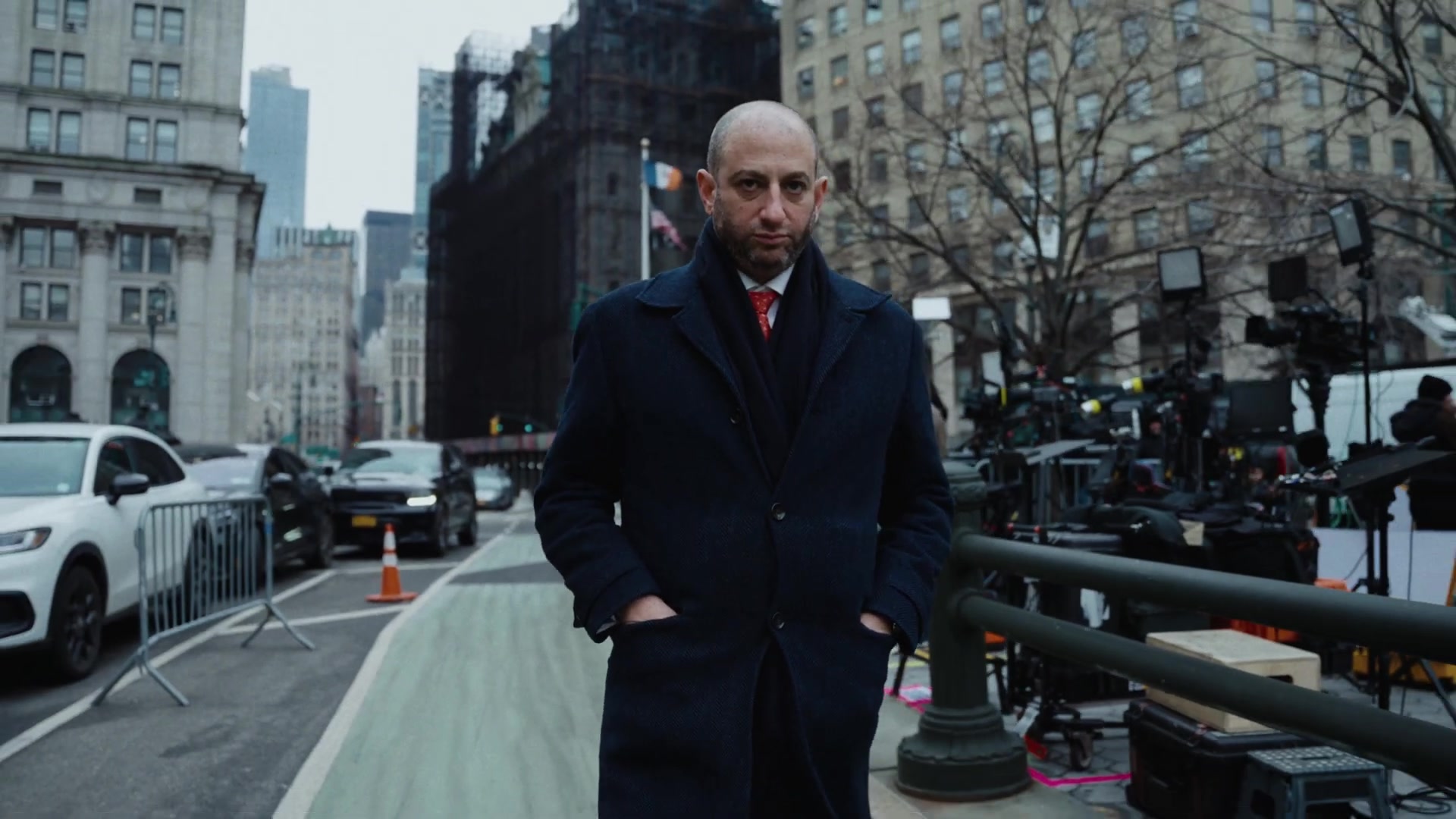
Todd Spodek
Lead Attorney & Founder
Featured on Netflix’s “Inventing Anna,” Todd brings decades of experience defending clients in complex criminal cases.
Multi-State Bar
Federal Courts
US Supreme Court
Meet the Full Team →
- Drug addiction is increasingly viewed as a public health issue rather than solely a criminal justice matter. Treatment and rehabilitation programs may be more effective long-term solutions.
- Strict drug laws have led to disproportionately high incarceration rates in minority communities.
- Felony convictions make it much harder for people to obtain jobs, housing and public assistance after release.
- Drug policies should distinguish between low-level street dealers versus major traffickers.
The Bottom Line
Selling any amount of an illegal drug is a felony under New York Penal Code 220.31. Defendants face 1-2.5 years in prison if convicted, and potentially more for sales near schools or larger quantities. While the penalties are strict, experienced criminal defense counsel can often negotiate reduced charges or sentencing leniency. Policymakers continue to debate whether New York's drug laws are too harsh or appropriate to address illegal narcotics distribution.References
- New York Penal Law Article 220: Controlled Substances Offenses
- NY Penal Law § 220.31: Criminal sale of a controlled substance in the fifth degree
- NYS Penal Law 220.31
- New York Penal Law Article 220: Controlled Substance Offenses
Frequently Asked Questions
No. You have the right to remain silent and the right to an attorney. Invoke both rights immediately and contact Spodek Law Group.
Every case is different. We offer free initial consultations to evaluate your case and discuss our fee structure.
An arraignment is your first court appearance where charges are formally read. You enter a plea and bail may be set. Having an attorney present is critical.
Facing Criminal Charges And Have Questions? We Can Help, Tell Us What Happened.